
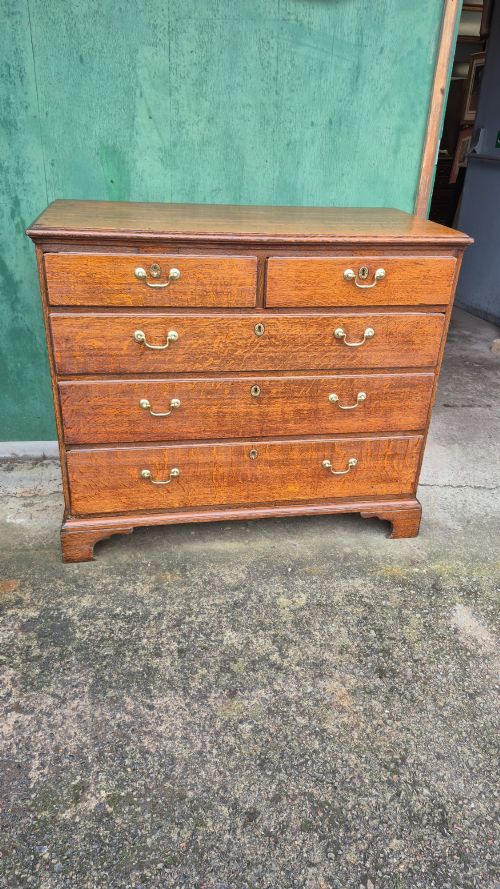
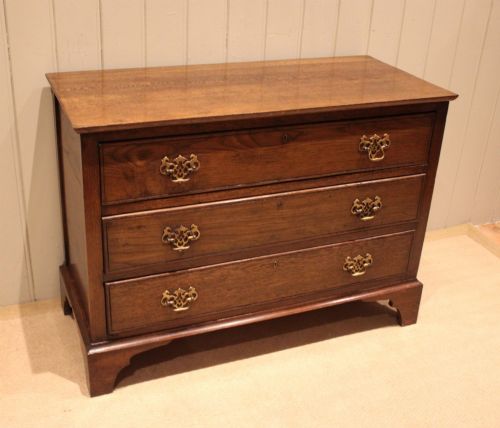
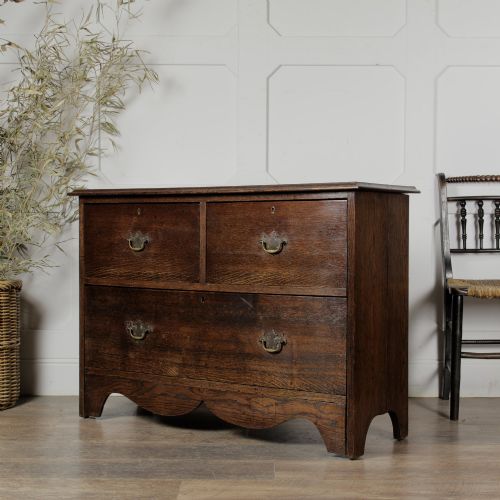
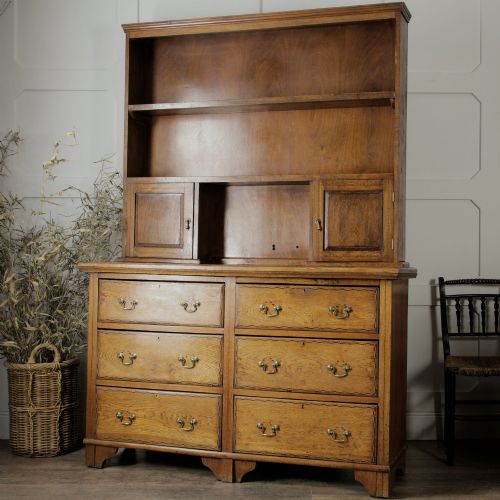

Traditional Oak Furniture Chest
A traditional oak furniture chest brings tactile warmth and deep history into a room through solid timber construction and honest joinery.
Traditional Oak Furniture Chest
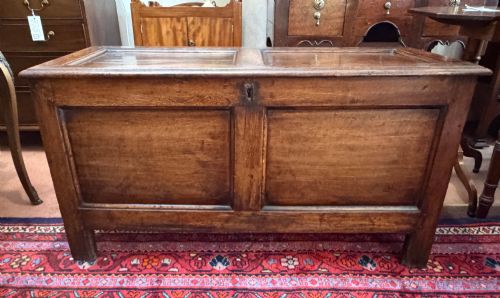
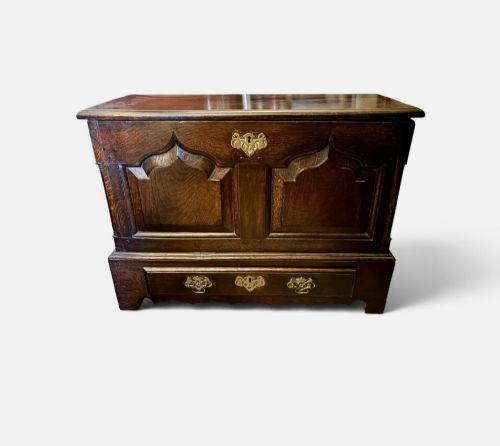
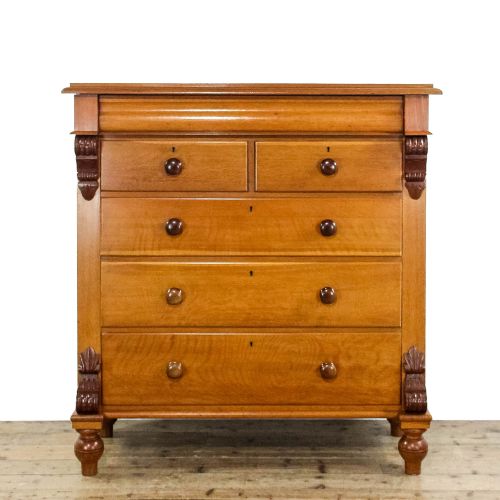
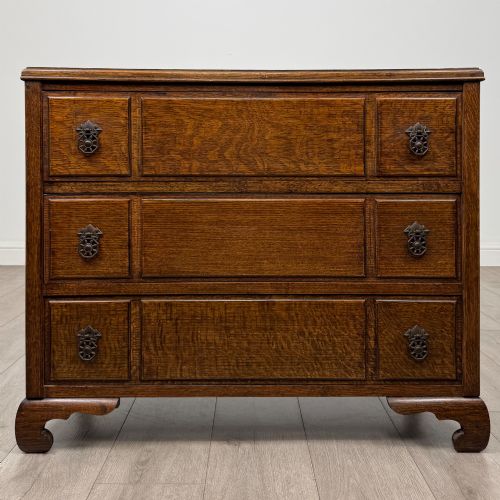
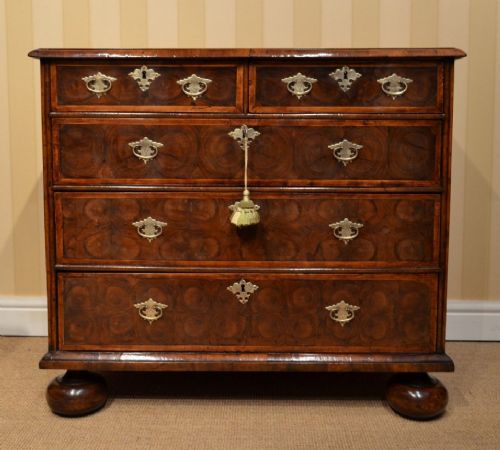
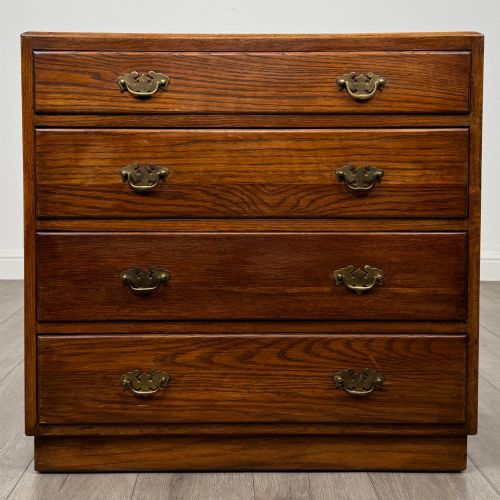
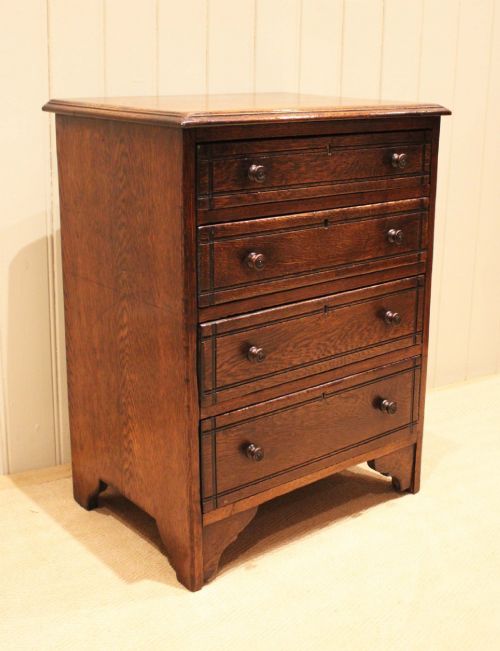
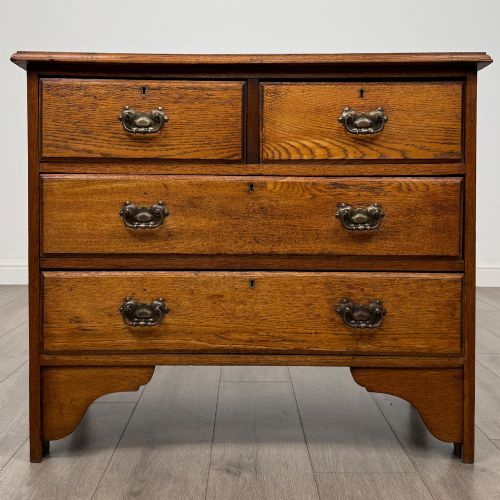
When you search for a traditional oak furniture chest, you encounter a range of sturdy storage forms spanning multiple centuries. These pieces encompass Georgian and Edwardian chests of drawers alongside earlier panelled coffers and mule chests.
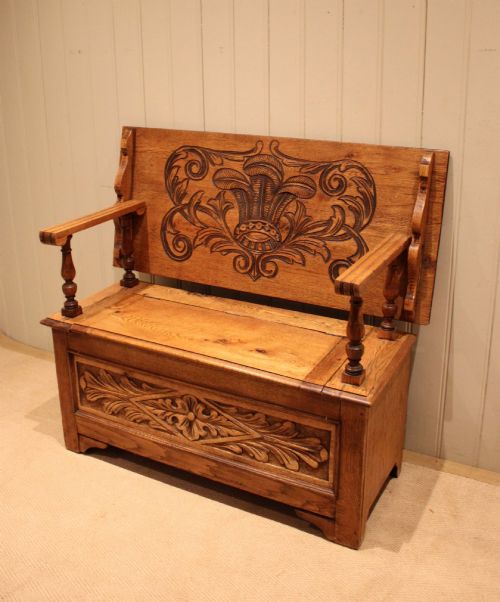
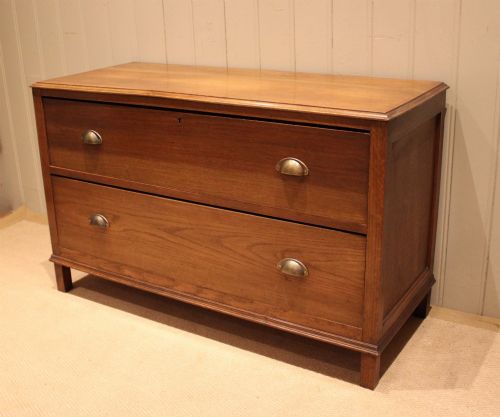
The versions you are most likely to meet on this page lean heavily toward 18th-century Georgian examples and early 20th-century solid oak pieces. They range from small-proportioned bedside drawers to large country hall storage.
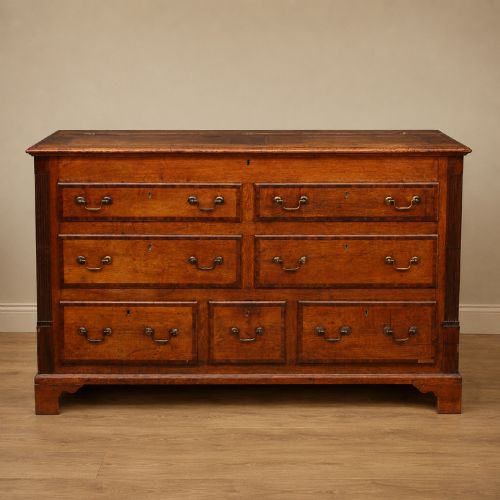
The selection includes regional pieces such as Welsh country coffers and Lancashire mule chests alongside formal English pieces. Each type serves the fundamental purpose of domestic storage while displaying the distinct character of its period.
Construction and materials
Makers built these pieces primarily using solid oak, often complemented by secondary timbers like mahogany for cross-banding or walnut and elm for specific decorative veneers. Metal hardware such as brass handles and iron hinges provided both structural reinforcement and functional operation.
Joinery methods relied on traditional techniques suited to heavy timber, including panelled construction for coffers and dovetailed joints for drawer construction. Surfaces finished with natural patination rather than modern synthetic glosses, highlighting the grain of the wood.
Listings feature periods spanning from the 17th century through the Georgian and Victorian eras up to the 1920s, constructed in oak, walnut, elm, and mahogany.
Judging the quality of these chests
Quality reveals itself in the integrity of the timber selection and the precision of the underlying construction. Pieces exhibiting straight-grained solid oak or carefully matched veneers demonstrate superior craftsmanship compared to simpler utilitarian builds.
The retention of original hardware, such as brass handles and working locks, elevates a piece. Furthermore, a natural faded patina acquired through centuries of use distinguishes exceptional examples from heavily restored or lesser-grade items.
The Traditional Oak Furniture Chest Glossary
- Coffer
- A large wooden chest traditionally used for storing valuables or household goods. Early examples feature pegged frame and panel construction.
- Mule chest
- A storage chest featuring one or more drawers at the base beneath the main compartment. These hybrid pieces bridge the design gap between simple coffers and chests of drawers.
- Crossbanding
- A decorative border technique where thin strips of veneer are laid across the grain of the primary wood. This method often frames drawer fronts on Georgian pieces.
- Patina
- The surface sheen and coloration developed by wood over long periods of handling and exposure to light. A desirable finish shows subtle ageing rather than a harsh modern shine.
- Dovetailed
- A strong interlocking joint used in drawer construction to resist pull forces. Fine, narrow pins indicate careful hand craftsmanship.
Traditional Oak Furniture Chest: Frequently Asked Questions
How do I date an oak chest?
Dating relies on examining construction methods, timber selection, and hardware styles. Hand-cut dovetails, pegged joints, and regional design traits often point to specific periods like the 17th or 18th century.
Later 20th-century revivals adopt earlier styles but utilise more uniform machine-cut elements and standardised fixings.
What is a mule chest used for?
A mule chest combines the deep top-opening storage of a traditional coffer with the accessible drawer space found in modern chests. This dual storage made them versatile items in historical domestic interiors.
Today, they function well as blanket boxes at the foot of a bed or as statement storage pieces in a hallway.
How should I care for solid oak furniture?
Solid oak responds best to stable indoor environments away from direct heat sources and extreme humidity fluctuations. Regular dusting with a soft dry cloth maintains the surface.
Occasional application of traditional beeswax feeds the timber and preserves the natural patina without sealing the pores with modern silicones.
What distinguishes a coffer from a chest of drawers?
A coffer opens from a single lid at the top, providing a deep interior cavity for bulky items like linens. A chest of drawers divides storage horizontally through multiple sliding compartments.
Hybrid forms like the mule chest incorporate both storage methods within a single piece of furniture.