
20th Century Low Table
A 20th century low table brings domestic history into a modern room, offering low surfaces for coffee, display or serving.
20th Century Low Table
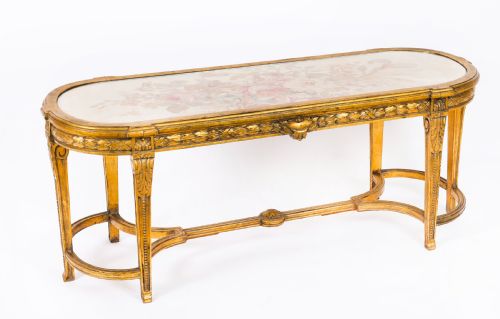
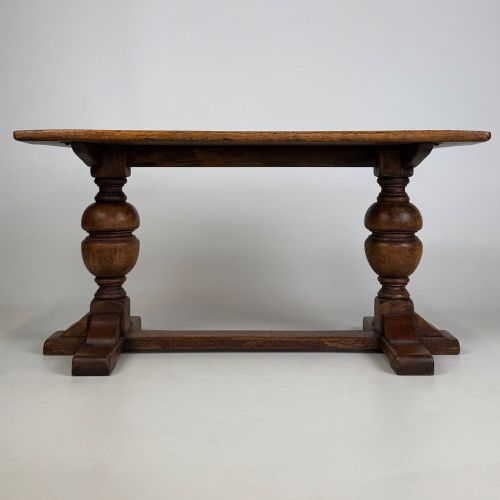
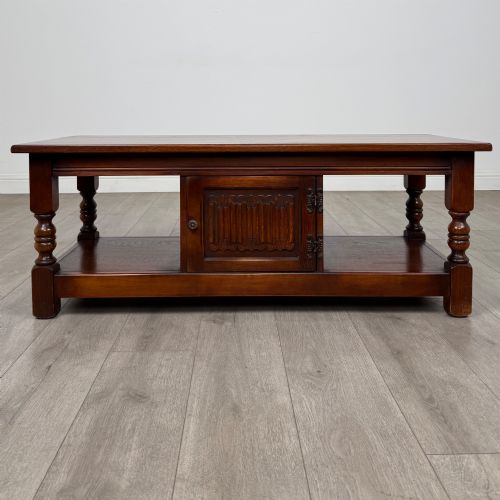
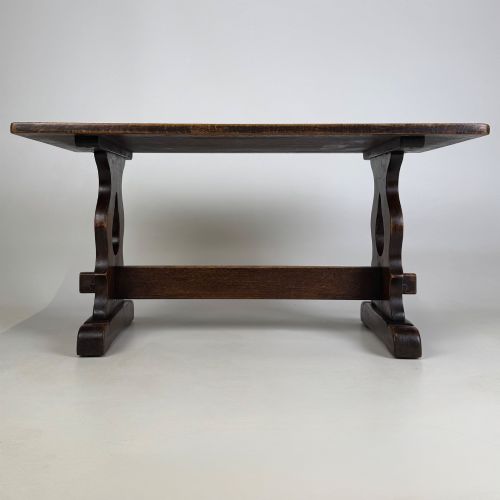
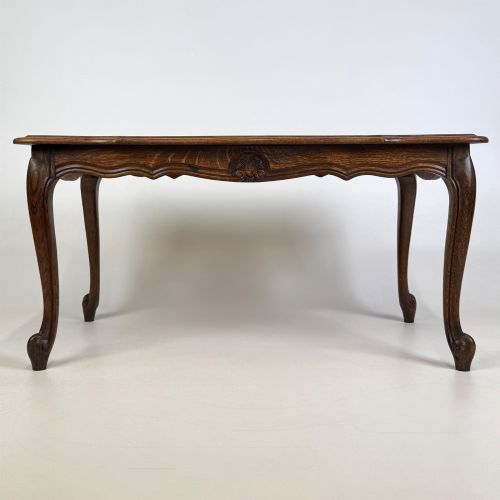
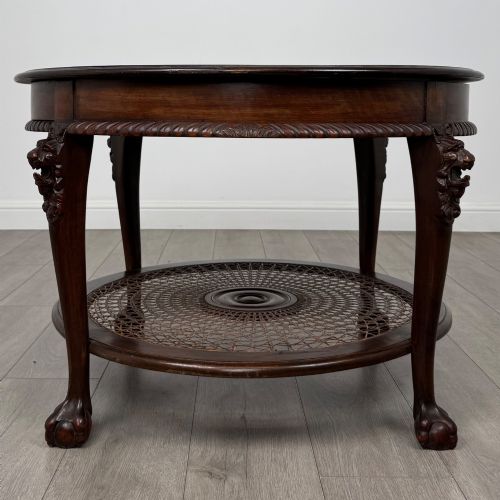
A 20th century low table encompasses a wide variety of low-slung surfaces designed for daily utility and display. When searching for a 20th century low table, buyers encounter formats ranging from oak coffee tables and pine farmhouse boards to low Chinese altar tables and elaborate giltwood designs.
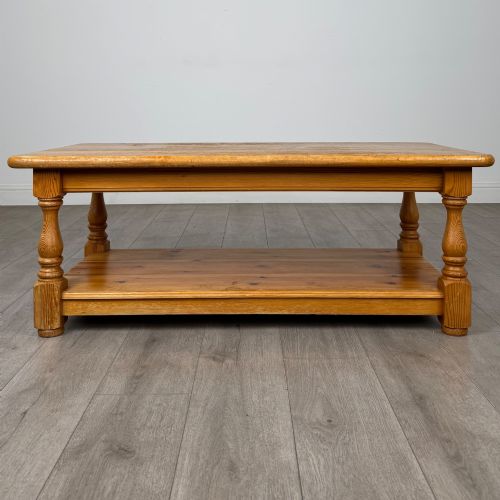
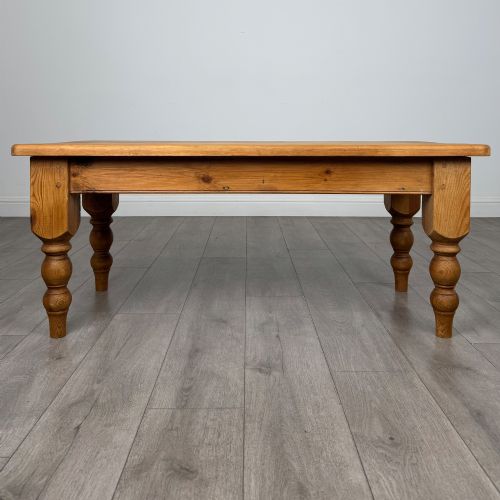
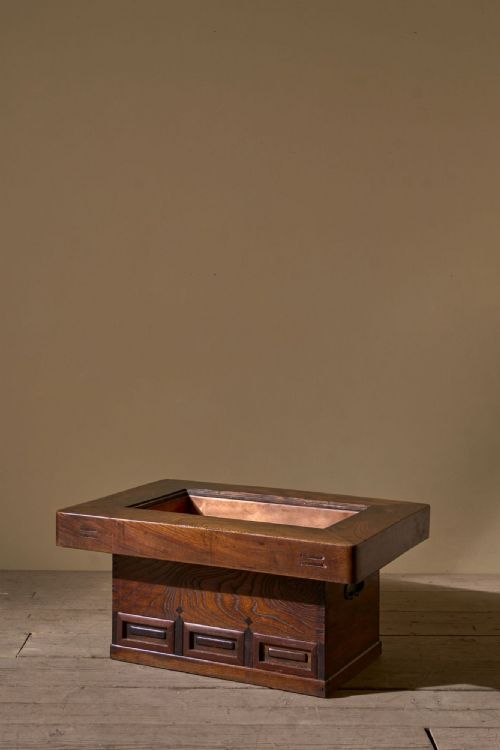
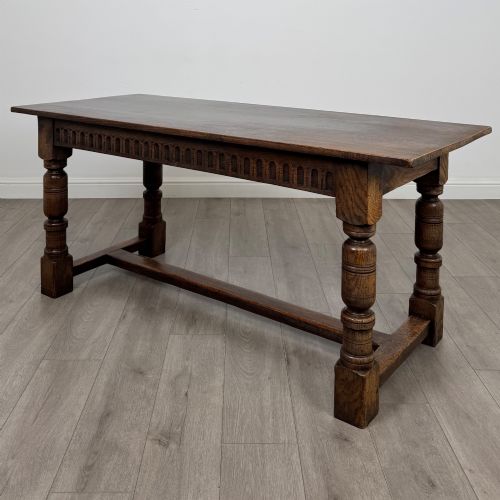
The Edwardian period heavily populates these listings with solid oak and pine iterations, often adapted from larger dining tables or built specifically as low coffee and occasional tables. Alongside these, international influences appear clearly through Japanese hibachi tables, Kashmiri pieces and Chinese padouk or elm designs.
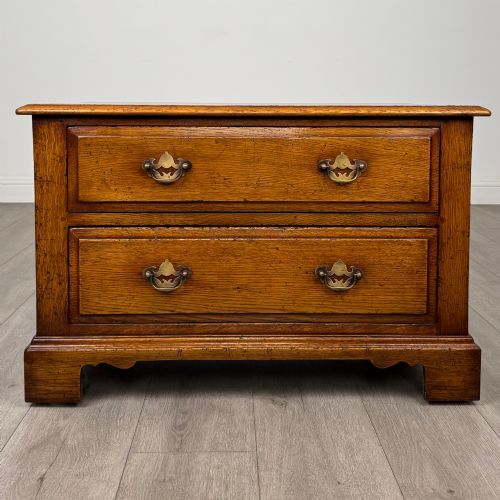
Beyond standard coffee tables, the selection includes low etagères, side tables, low chests of drawers, and stools functioning at a reduced height. Walnut, mahogany, and satinwood also emerge frequently across revival styles, providing formal options alongside rustic vernacular furniture.
How they were made
Cabinetmakers constructed these low tables using traditional joinery methods suited to the dominant timbers of the era, notably oak, pine, mahogany, and walnut. Timbers were selected for grain pattern and durability, frequently finished with patinated wax, polish, or paint.
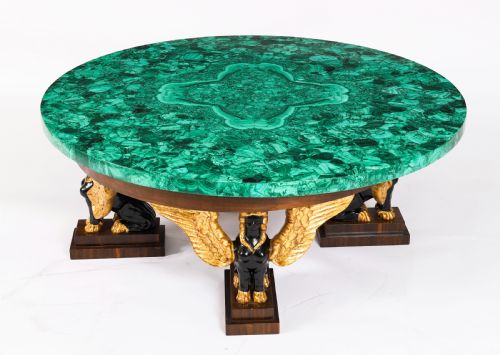
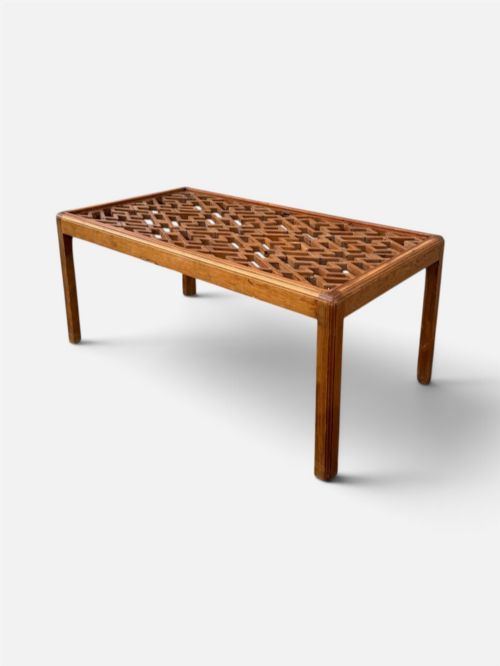
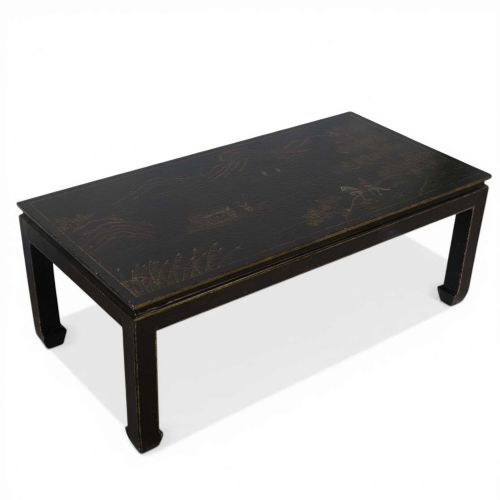
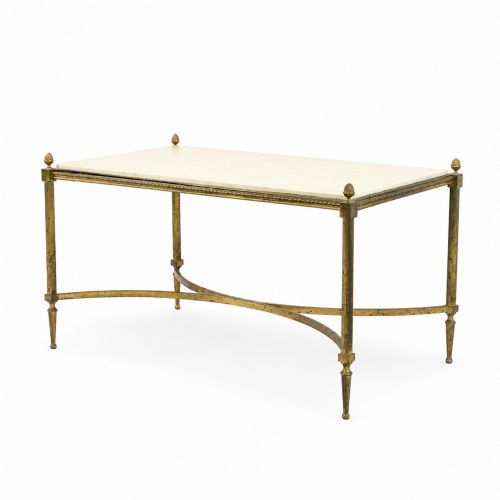
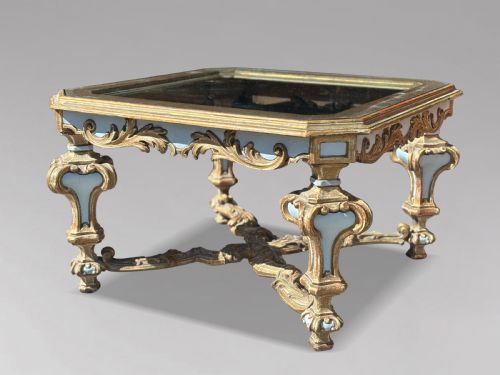
Decorative surfaces distinguish many examples, incorporating hand-painted scenes, lacquer work, parquetry, and giltwood carvings. Inset elements such as glass tops, marble slabs, malachite, and antique fretwork panels reflect diverse stylistic revivals and international trade influences.
Materials documented across the inventory include oak, pine, mahogany, walnut, brass, marble, lacquer, and giltwood.
What varies in quality
The distinction between ordinary and exceptional pieces rests upon material selection and the precision of the construction. Solid hardwoods like padouk, walnut, and burr elm display superior figure and stability compared to basic pine or standard oak boards.
Execution of decorative detail dictates the grade of the piece, visible in the sharpness of hand-carved giltwood, the depth of Japanned painted scenes, and the integration of specialised insets such as marble or brass framing.
Harrods·Gillows·Waring and Gillow
The 20th Century Low Table Glossary
- Japannage
- European imitation of Japanese and Chinese lacquering techniques, typically involving raised motifs on a dark painted ground. This finish appears frequently on decorative tables from the interwar decades.
- Etagère
- A piece of furniture with multiple open shelves for displaying small objects. Low versions provide tiered surfaces within a compact vertical footprint.
- Parquetry
- Geometric mosaic woodwork arranged in decorative patterns such as herringbone or cubes. It forms patterned tabletops across various revival styles.
- Lowboy
- A small seventeenth or eighteenth-century style side table with drawers, produced in oak or mahogany during later revivals. These low tables serve utilitarian storage needs.
- Padouk
- A dense, heavy tropical hardwood prized for its reddish-brown colour and fine grain. It appears often in traditional Chinese low tables.
20th Century Low Table: Frequently Asked Questions
What is a 20th century low table used for?
These low surfaces serve primarily as coffee tables, serving stations, or display platforms in living spaces. Their reduced height accommodates seating arrangements and holds books, drinks, or decorative objects.
Historically, many pieces originated as larger tables cut down or specialised regional forms like Chinese altar tables and Japanese hibachi tables adapted for Western homes.
How do I identify Edwardian low tables?
Edwardian examples typically feature solid oak or pine construction, reflecting vernacular farmhouse styles or simple revival forms. They prioritize sturdy utility over elaborate ornamentation.
Look for honest joinery, simple turned legs, and practical dimensions that fit comfortably beside period seating.
Are marble top low tables delicate?
Marble top tables provide a heavy, durable surface that withstands daily use while offering a cool, smooth texture. The stone rests within wooden or brass frames.
Maintenance requires simple wiping with a damp cloth, avoiding acidic cleaners that might etch the polished surface.
What styles are common in these tables?
Styles range from rustic farmhouse and Arts and Crafts simplicity to ornate Louis XVI, Jacobean, and Chippendale revivals. Asian influences also emerge strongly through Chinoiserie and Mingei designs.
This stylistic diversity allows a low table to anchor either a traditional period interior or a more eclectic modern room.