

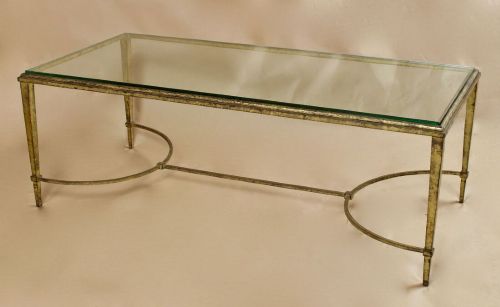
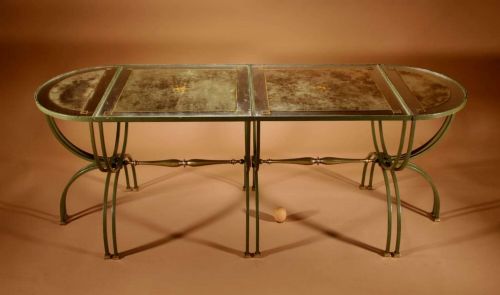
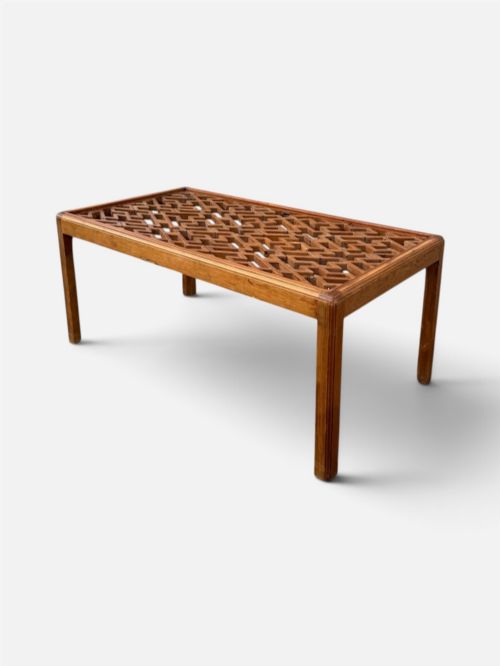
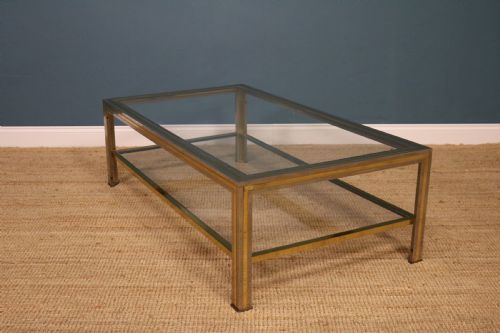


Vintage Low Glass Table
A vintage low glass table brings a clean, reflective surface to a room while anchoring the seating space with period character.
Vintage Low Glass Table
When searching for a vintage low glass table, collectors encounter coffee tables and occasional tables drawn from diverse eras spanning the nineteenth century through the mid-twentieth century. These surfaces range from simple low proportions to elaborate Revival designs.
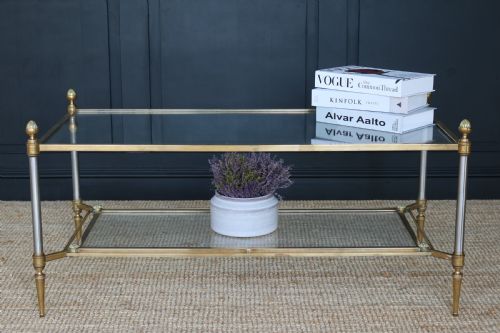
The selections on this page lean heavily toward mid-century forms alongside earlier Art Deco and traditional revival pieces. Forms vary from square two-tier coffee tables to low occasional surfaces featuring integrated glass tops.
Origins stretch across French, Italian, Dutch, and English workshops, incorporating distinct regional styles such as Hollywood Regency, Chinese Oriental, and French Neoclassical aesthetics into low table formats.
Materials and construction
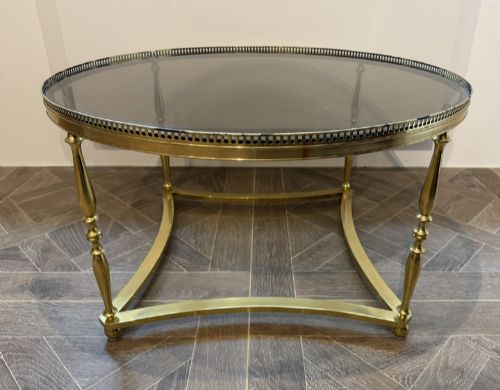
Makers utilised a combination of metals and timbers to support transparent tops, pairing brass, chrome, bronze, and wrought iron with walnut, mahogany, elm, pine, and burr walnut frameworks. Original glass inserts sit within these structural frames.
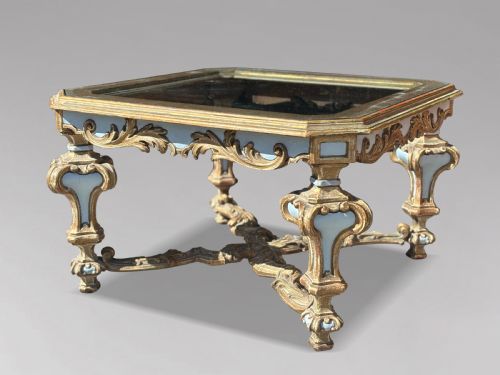
Techniques range from cast and gilt metalwork to carved wood and fretwork panels. Some examples incorporate mirrored glass or antique architectural elements directly into the table surface.
Vintage Low Glass Table Retail Price Guide 2026
Typical asking prices for vintage low glass table among the pieces listed under this phrase on Sellingantiques today, from the lower quarter to the upper quarter. They describe what is for sale here now, not the wider market.
Evaluating the standard
Quality separates through the integrity of the materials and the precision of the joinery or metal fabrication. Heavier bronze, brass, and wrought iron frames demonstrate greater solidity than lighter contemporary imitations.
The distinction also lies in the finish of the timber, whether bleached walnut, burr walnut, or painted surfaces, alongside the originality of the glass top.
Romeo Rega·Maison Jansen·Harrods
The Vintage Low Glass Table Glossary
- Art Deco
- A design style from the interwar period characterised by streamlined geometric forms and sleek materials. It heavily influences many tables from the nineteen-thirties.
- Occasional table
- A small subsidiary table designed for light use rather than primary dining. These pieces often serve as low coffee tables in reception rooms.
- Hollywood Regency
- A theatrical interior style mixing opulence with modern lines. It frequently employs polished brass and gilded finishes.
- Burr walnut
- A prized wood veneer showing swirling grain patterns caused by tree growths. It adds decorative texture to table tops.
- Two tier
- A furniture construction featuring an upper and lower shelf. This design provides extra display space within a compact footprint.
Vintage Low Glass Table: Frequently Asked Questions
What periods do these tables come from?
The pieces span from the nineteenth century through the nineteen-fifties and beyond. They include nineteenth century items, nineteen-twenties designs, and nineteen-thirties Art Deco examples.
Later mid-century productions also feature prominently among the available selections, offering diverse stylistic roots.
How were these tables used originally?
They functioned as low coffee tables or occasional surfaces in formal reception rooms and drawing rooms. Their height suited placement in front of seating.
They held decorative objects, books, or tea services while keeping sightlines across the room clear.
Are the glass tops original?
Many listings specify original glass tops, which show the subtle surface variations and wear expected of older manufacture. Original mirrored or clear glass adds historical authenticity.
Replacements occur when fragile vintage glass breaks over decades of domestic use.
How do I identify an Art Deco piece?
Art Deco tables typically display geometric symmetry, stepped profiles, and clean lines. Materials like bleached walnut and wrought iron define the aesthetic.
They avoid the heavy ornamentation seen in earlier Revival styles.