
20th Century Coffee Table
A 20th century coffee table brings period character and low-level utility to a room through diverse revivals and materials.
What a 20th century coffee table is
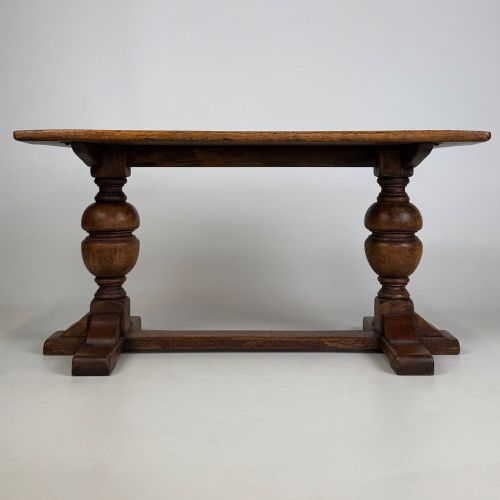
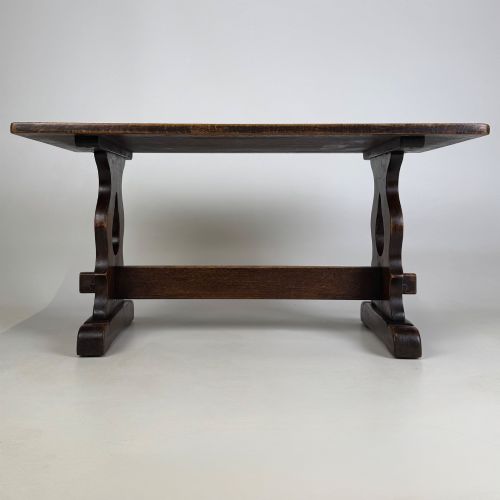
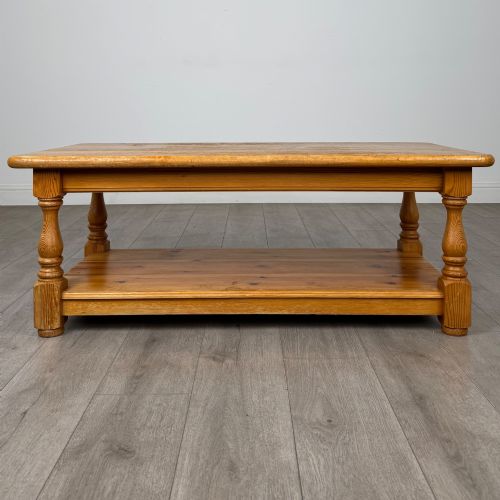
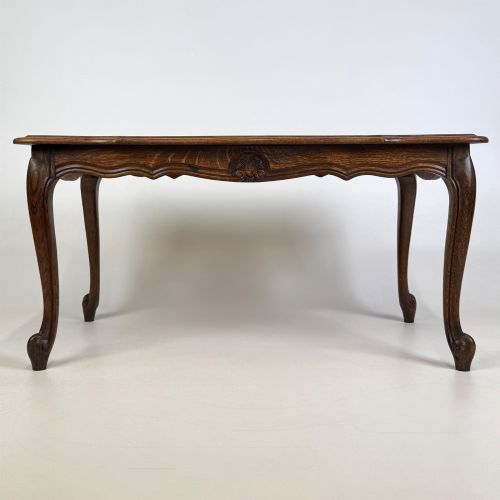
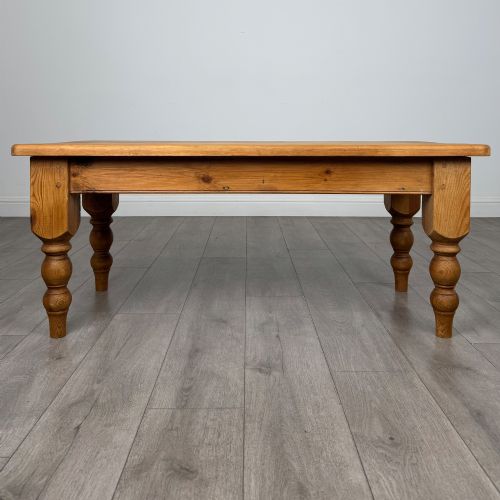
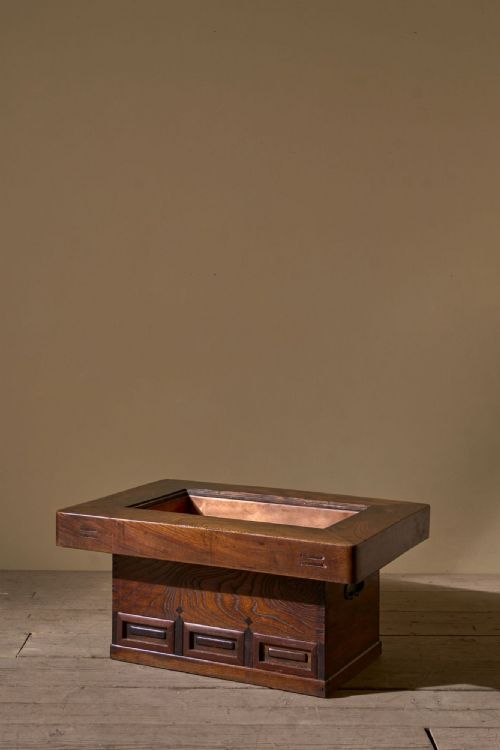
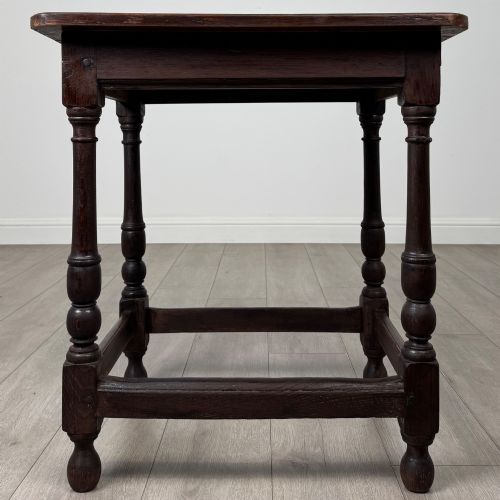
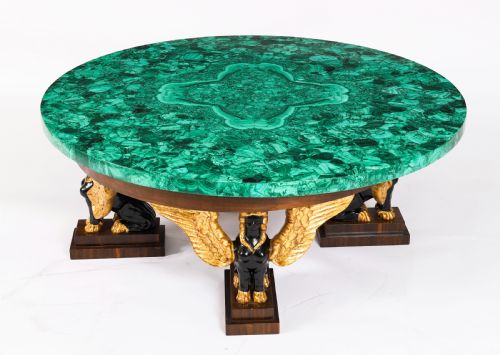
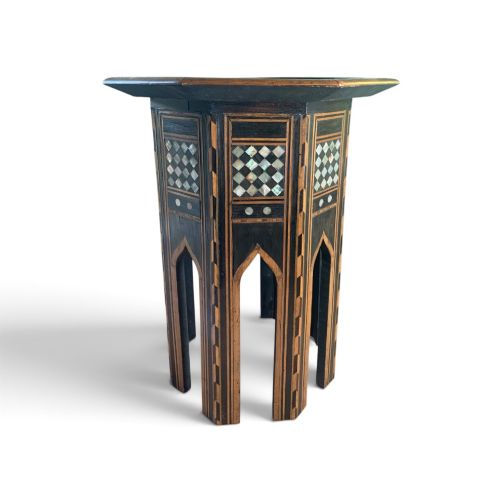
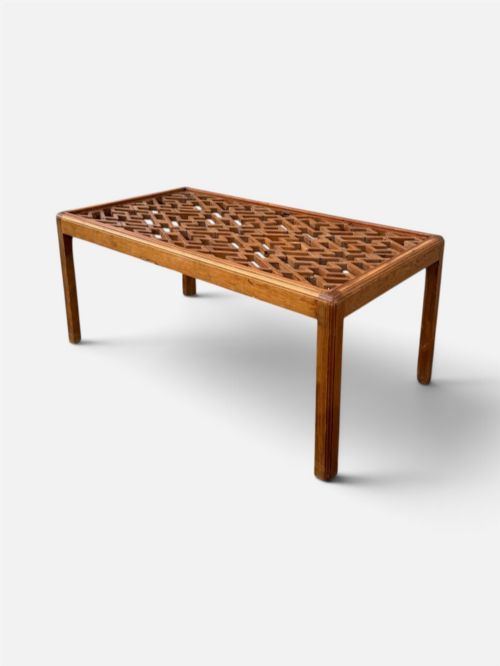
A 20th century coffee table serves as a central low surface in a reception room, drawing from Edwardian and later periods. When you search for this phrase, you meet forms ranging from small oak tea tables to substantial elm and mahogany designs.
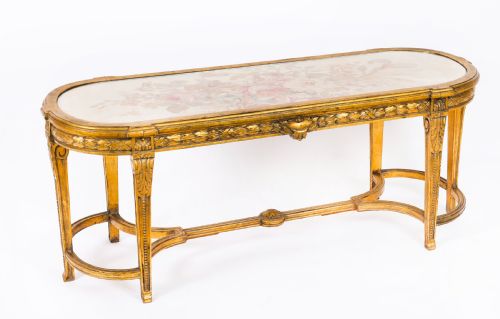
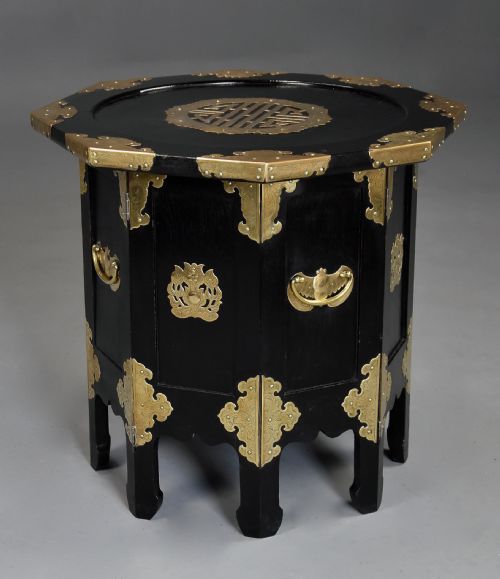
The selection includes revival styles such as Jacobean and Chippendale, alongside French country and industrial loft iterations. Pieces span plain timber constructions to decorated examples featuring painted scenes or lacquered finishes.
How they were made
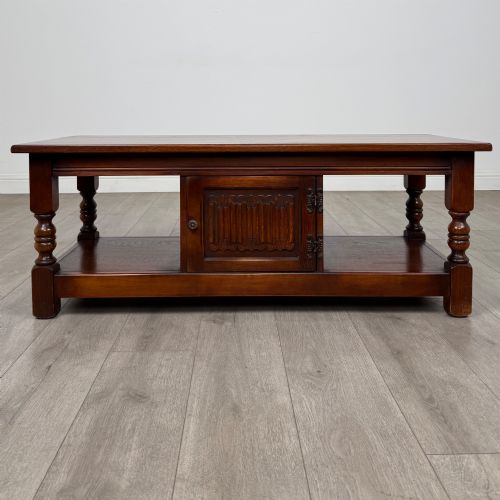
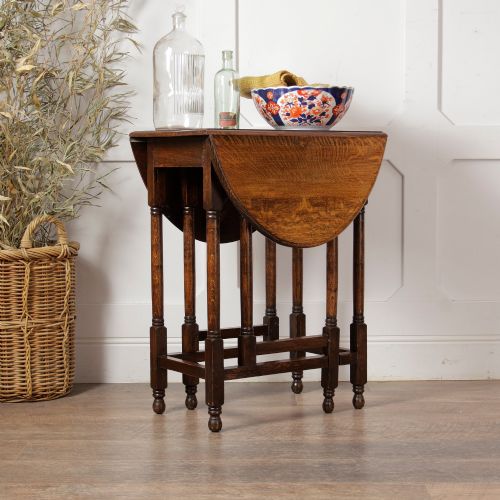
Carpenters utilised solid timbers like oak, mahogany, elm, walnut, cherry wood, and pine to build these low tables. Joinery often includes carving, linenfold panelling, or drop-leaf mechanisms.
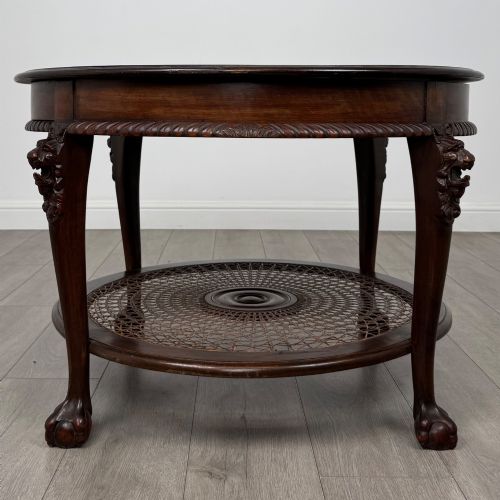
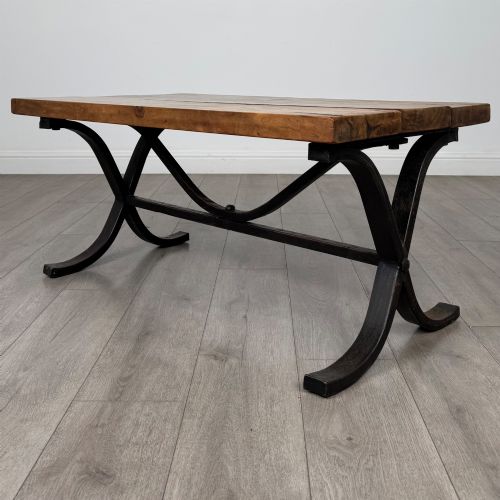
Some examples incorporate mixed media, combining wood with iron bases, brass tops, or cane inserts. Surface treatments range from clear polish to japanning and decorative painted scenes.
Retail Price Guide 2026
Typical UK retail prices for 20th century coffee table, calculated from the Sellingantiques database of over a million retail prices indexed since 2003. This retail price guide relies exclusively on Sellingantiques data; no external sources or auction records are used, so the figures do not describe the wider market.
Styles span Jacobean revival, Chippendale revival, French country, industrial loft, and Chinoiserie.
What varies in quality
Quality rests on the selection of timber and the ambition of the carving or decorative scheme. Fine examples display choice grains like yew oyster veneer or carefully executed parquetry.
Construction details distinguish standard production from finer work, such as revolving mechanisms, brass fittings, or casters. The integrity of applied finishes like lacquer and paint further separates the range.
Heals
The 20th Century Coffee Table Glossary
- Japanning
- European imitation of East Asian lacquerwork using dark varnishes and raised painted scenes. This technique appears on decorative 1930s tables.
- Linenfold
- A style of wood carving that imitates folded parchment or linen. It is frequently seen on panels of Edwardian oak tables.
- Parquetry
- Geometric mosaic woodwork used for decorative surfaces. It creates patterned tabletops in hardwood.
- Drop leaf
- A table with hinged flaps that fold down to save space. These appear on oak iterations in the archive.
- Oyster veneer
- Cut branches of wood showing circular growth rings resembling oyster shells. Yew oyster veneer provides distinctive decorative surfaces.
Frequently Asked Questions
What styles are common?
Jacobean revival and Chippendale style pieces dominate the earlier decades. French country, industrial loft, and Chinoiserie examples also appear.
These varied styles reflect changing domestic tastes throughout the period.
How were they used?
These low tables served sitting rooms for holding drinks, books, and decorative items. Some utilised drop leaves or revolving functions for added utility.
Others incorporated brass tops or folding bases to suit versatile spaces.
What woods were used?
Oak is the predominant timber found in these low tables. Elm, mahogany, walnut, cherry wood, and pine also feature.
Selected pieces incorporate hardwood alongside iron or cane elements.
Are painted finishes period?
Painted and japanned surfaces occur alongside polished timber. Examples include decorative painted scenes from the 1930s.
These applied finishes provide colour and pictorial detail.