

19th Century Watercolour Portrait
When you seek a 19th century watercolour portrait, you are looking at hand-painted likenesses on paper preserved in period frames.
What They Are
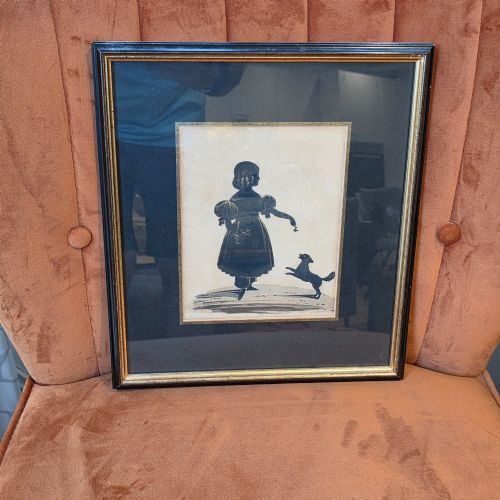
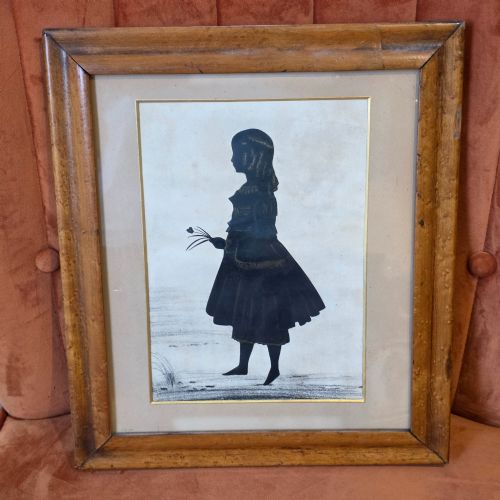
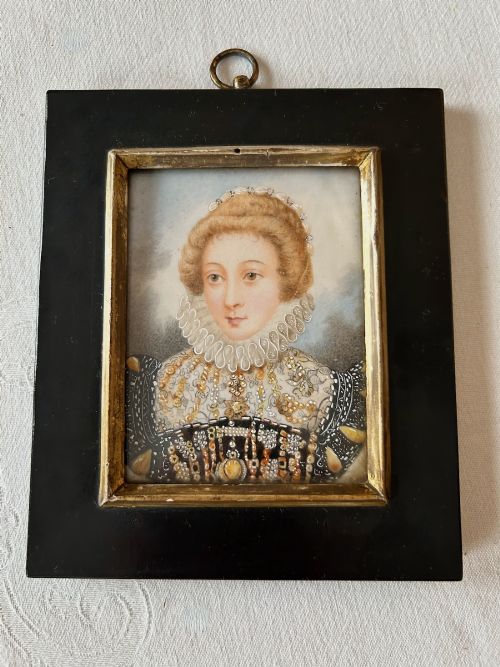
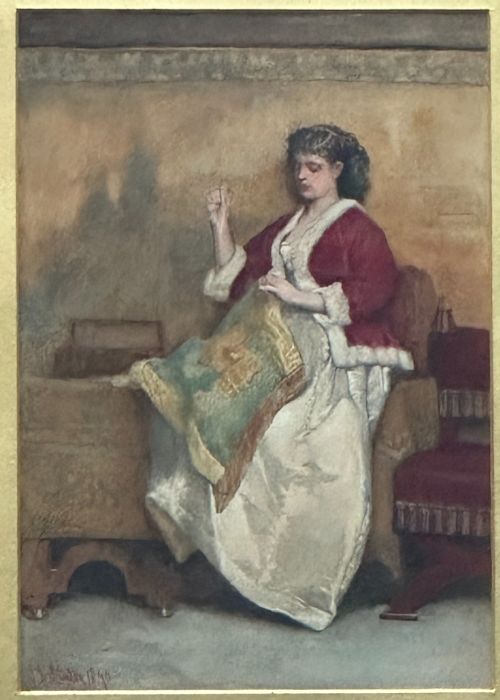
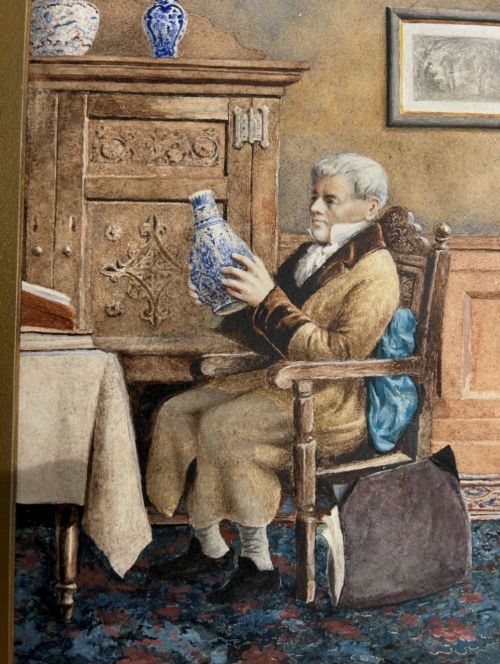
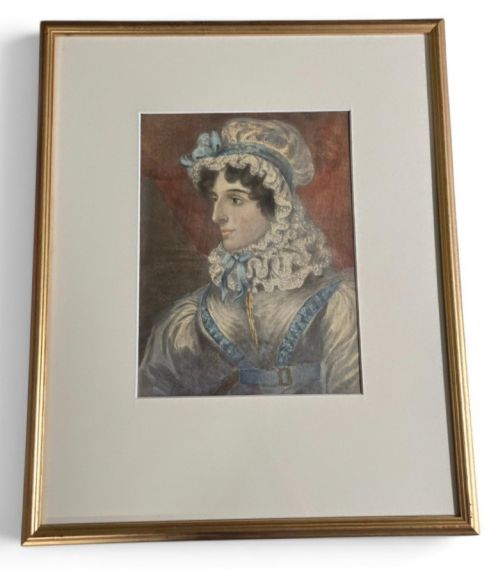
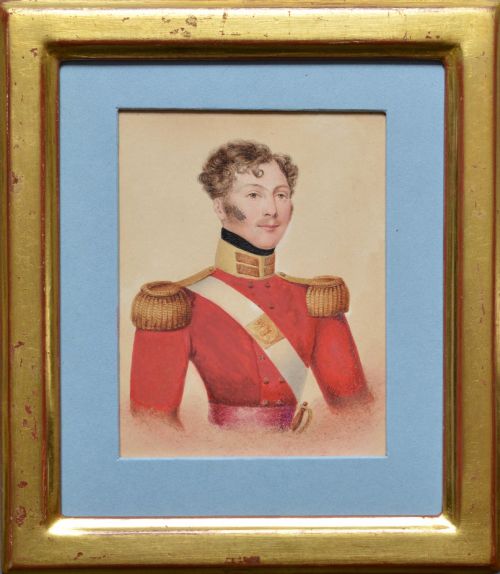
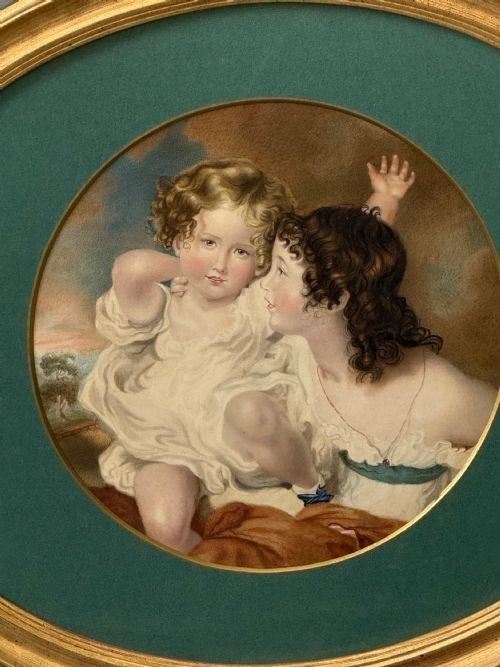
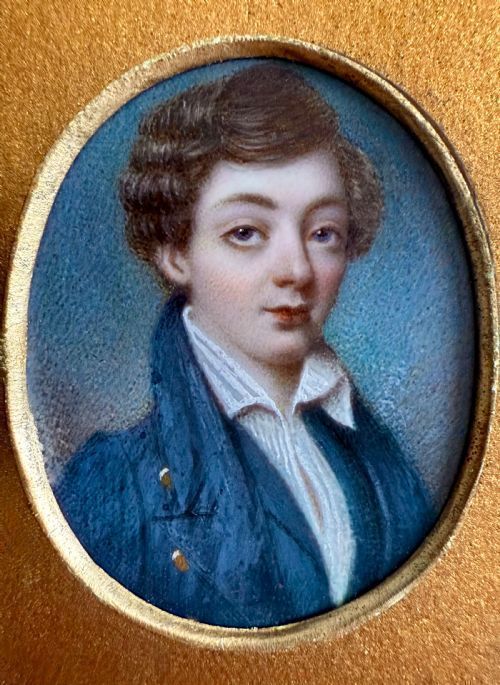
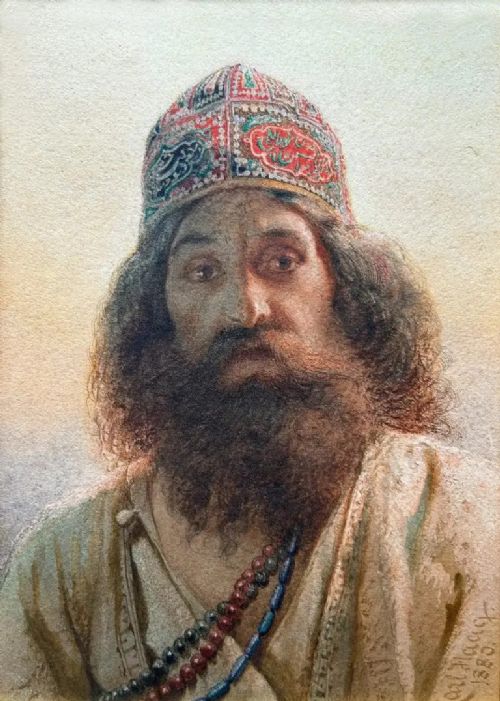
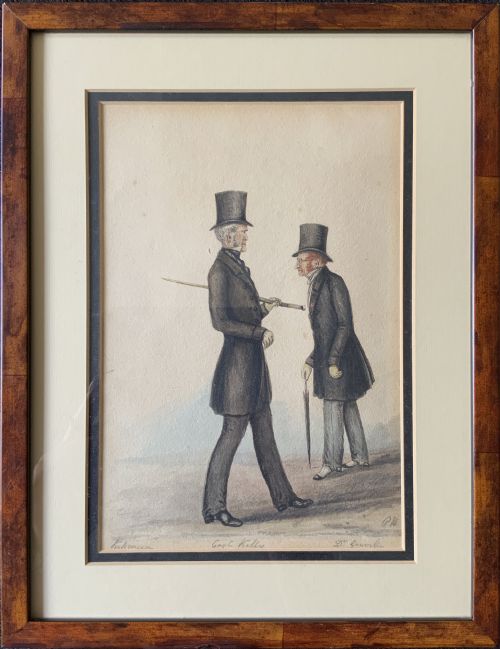
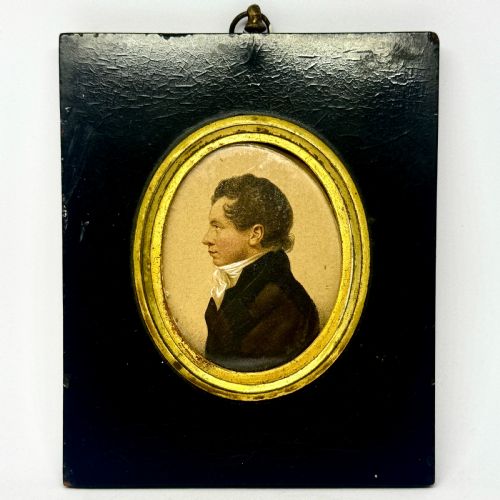
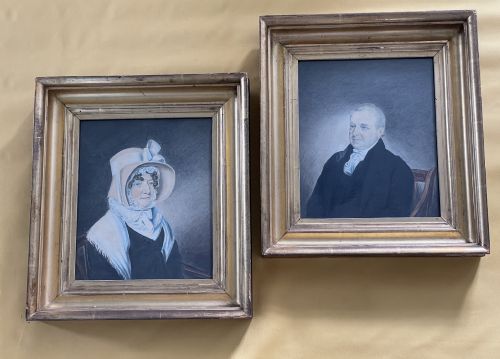
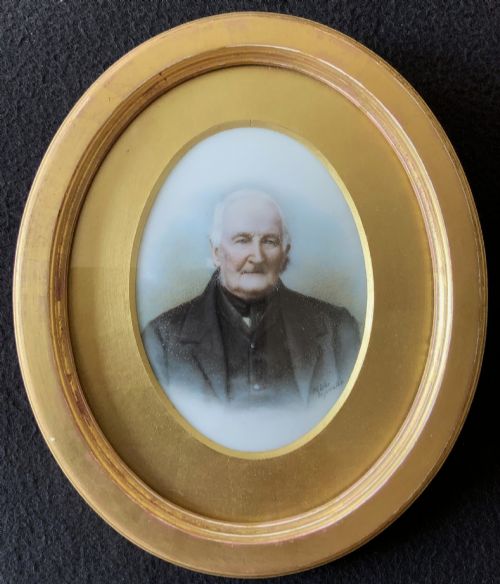
A 19th century watercolour portrait depicts individuals, children, military officers, and sometimes animals executed on paper during the Georgian, Regency, and Victorian eras. These works range from intimate miniature profile studies housed in brooch mounts to larger framed paintings depicting sitters with distinct clothing and surroundings.
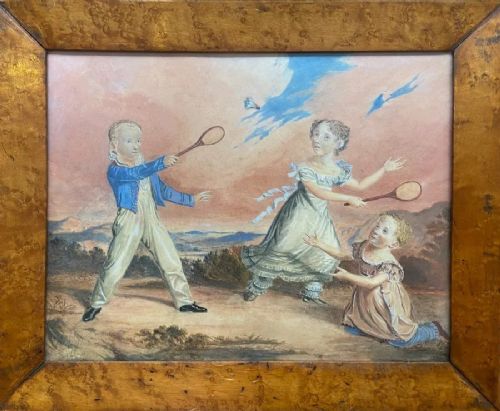
The most common examples encountered on this page originate from British and European schools, spanning single subjects to family groups and genre scenes. They capture the likeness of both notable historical figures and everyday citizens through delicate pigment application on paper.
How They Were Made
Framing materials recorded in the evidence include glass protecting the fragile paper surface, alongside giltwood, gold leaf, ebonised wood, and birds eye maple veneer frames.
Listings feature works created on paper using watercolour, pencil, and grisaille techniques within the 19th century.
What Varies in Quality
Quality rests upon the precision of the facial likeness, the dexterity of the brushwork in rendering textiles and hair, and the integrity of the paper support. Superior examples demonstrate a confident command of proportion and expression.
The preservation of the original frame, whether birds eye maple veneer or gilt wood, contributes significantly to the integrity of the piece.
Albin R Burt·Edward Smyth·Robert Kemp·George Perfect Harding·Sydney Woodley·Georges Woodley·George Clark Stanton·Alfred H Taylor·Johann Paul Georg Fischer·JOHN LEECH·H Harding·J Moffat
The 19th Century Watercolour Portrait Glossary
- Watercolour
- A painting method where the paints are made of pigments suspended in a water-based solution. This medium allowed artists to achieve delicate translucency on paper.
- Grisaille
- A painting executed entirely in shades of grey or neutral greyish-brown. This technique often imitated sculpture or provided a monochromatic study.
- Miniature
- A small-scale portrait painting. These portable works were frequently set into brooch mounts or small frames.
- Birds Eye Maple
- A figure in maple wood that resembles tiny swirling eyes. It was frequently utilised for decorative frames during the period.
- Giltwood
- Wood that has been covered with a thin layer of gold leaf or powder. This finish brought reflective warmth to picture frames.
Frequently Asked Questions
How do I date a watercolour portrait?
Dating relies heavily on the sitter's costume, hairstyles, and any inscriptions recorded on the reverse of the paper or frame. The surrounding frame style, such as birds eye maple or ebonised wood, also provides chronological clues.
Archival records and artist signatures help narrow the period further, distinguishing Regency examples from later Victorian pieces.
Are these portraits always signed by the artist?
Many works remain unsigned because they were produced by regional practitioners or anonymous members of British and European schools. When signatures do appear, they often take the form of monograms or neat inscriptions along the margin.
Unsigned pieces are attributed through style, handling of pigment, and subject matter rather than a maker's mark.
What is a grisaille portrait?
A grisaille portrait is painted entirely in monochromatic shades of grey, creating an effect reminiscent of carved stone or classical relief sculpture. This technique was favoured for head and shoulder studies.
Artists used this restrained palette to focus strictly on shadow, light, and facial structure without the distraction of colour.
How should I display watercolour on paper?
Watercolour paintings require protection from direct sunlight to prevent the delicate pigments from fading over time. Maintaining stable indoor humidity levels prevents the paper support and backing materials from warping.
Original glass and period frames should be kept intact to preserve the historical context of the artwork.