
Antique Watercolour Portrait Painting
These delicate works capture likeness and character on paper, offering collectors a personal window into past centuries through an antique watercolour portrait painting.
Antique Watercolour Portrait Painting
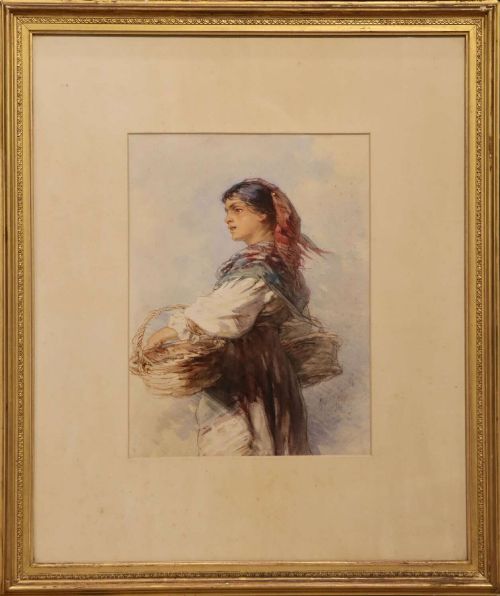
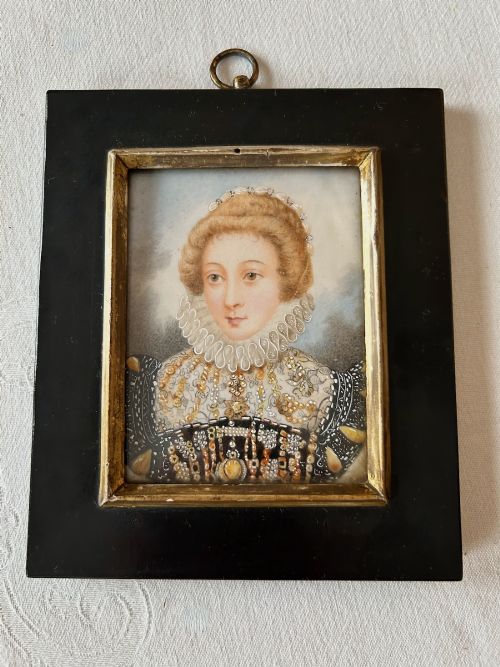
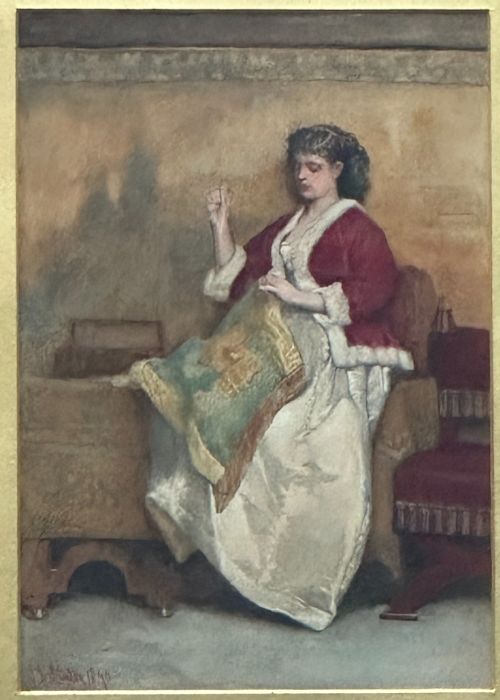
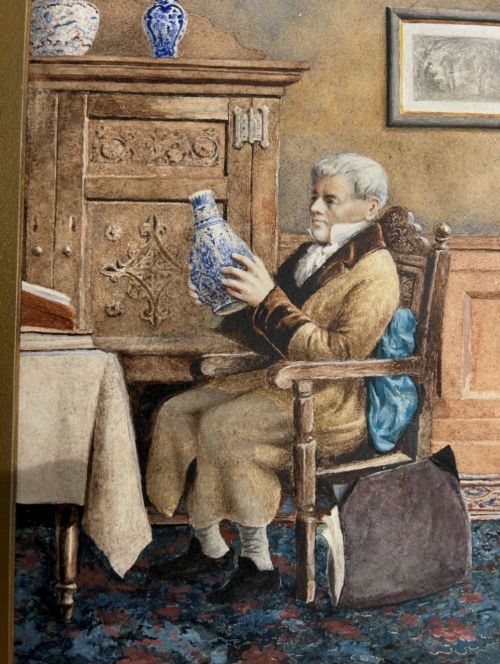
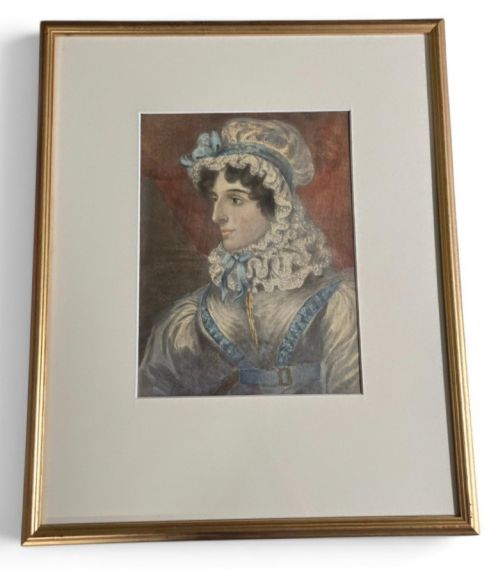
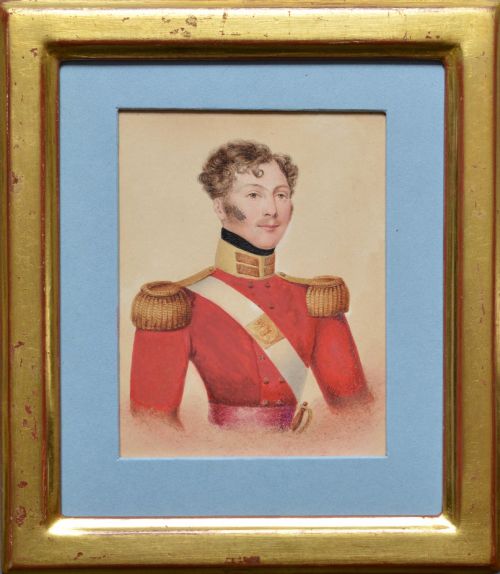
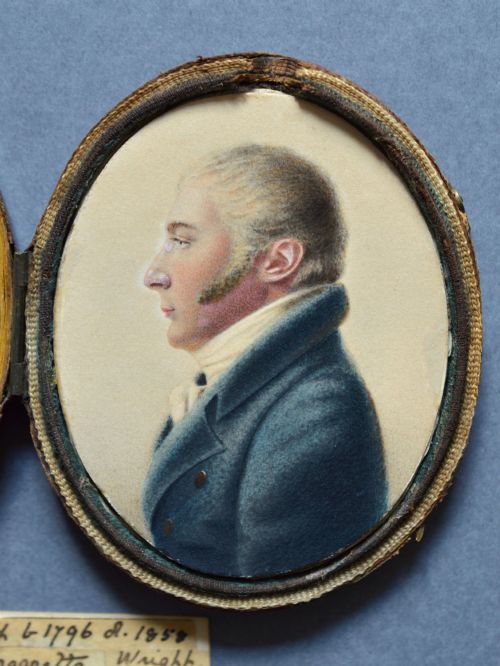
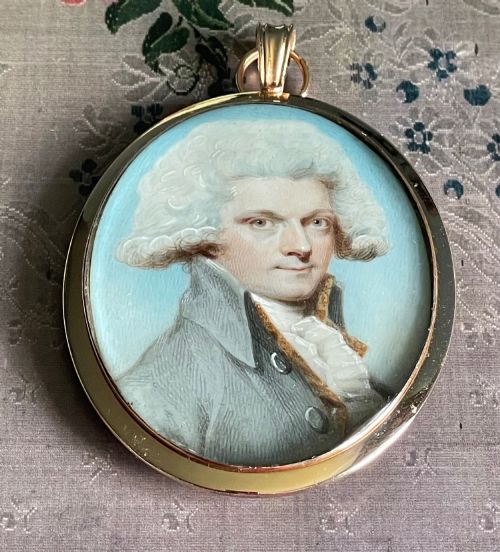
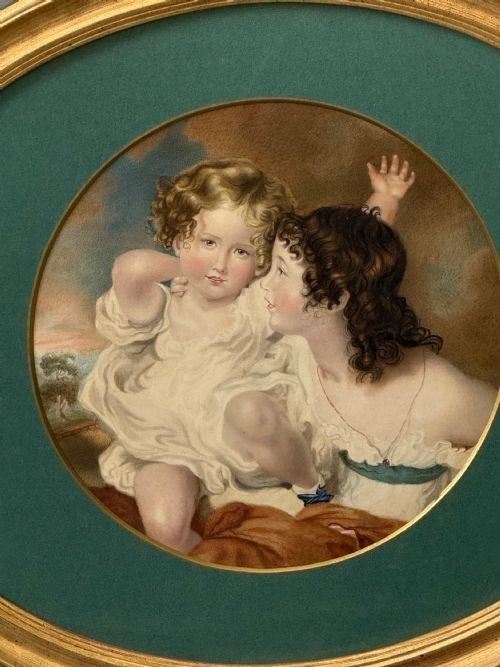
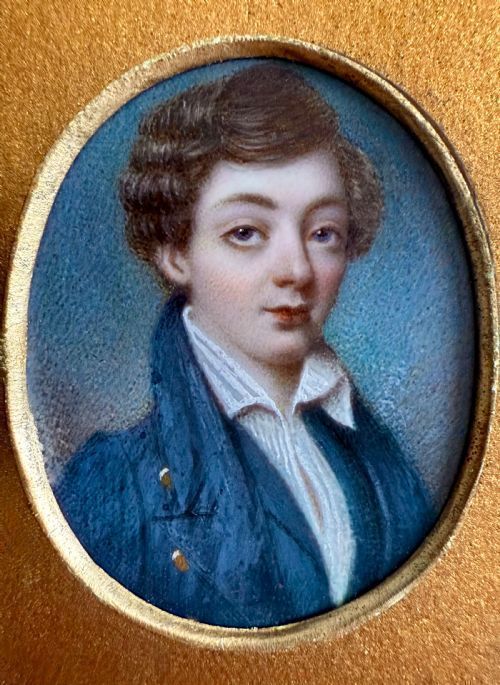
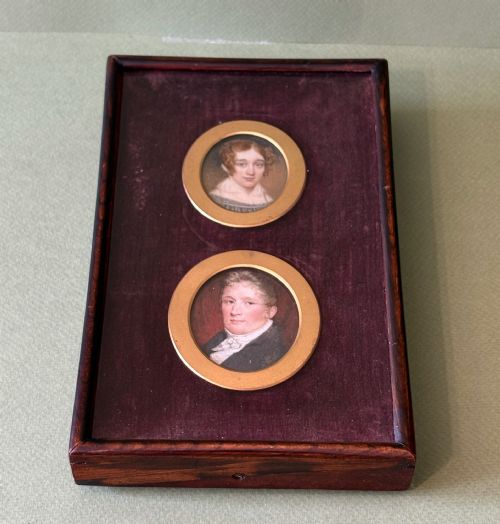
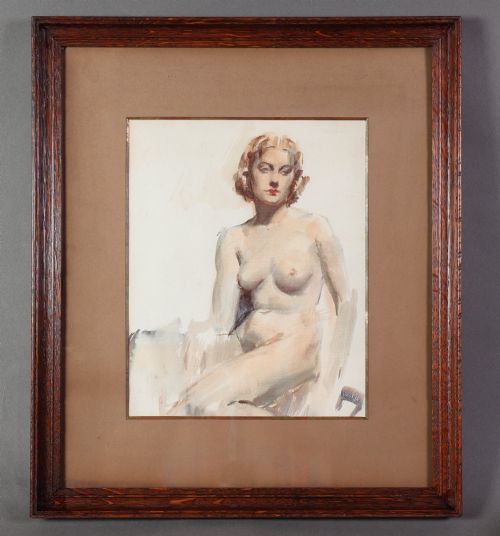
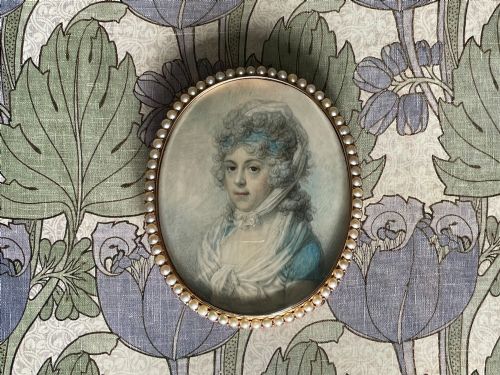
An antique watercolour portrait painting records individual likenesses across the eighteenth, nineteenth, and early twentieth centuries. These artworks range from intimate miniature formats designed to be worn as brooches to larger framed studies of officers, children, and ladies.
The pieces encountered most frequently on this page originate in the Victorian and Georgian periods, executed by regional British schools or named portraitists. Subjects span military officers, family groups, and solitary sitters rendered in profile or three-quarter view.
Materials and methods
Artists painted primarily with water-soluble pigments and gouache on paper, occasionally applying wash or pastel over preliminary pencil sketches. Some miniature works utilised glass or ivory as a receptive surface for fine detail.
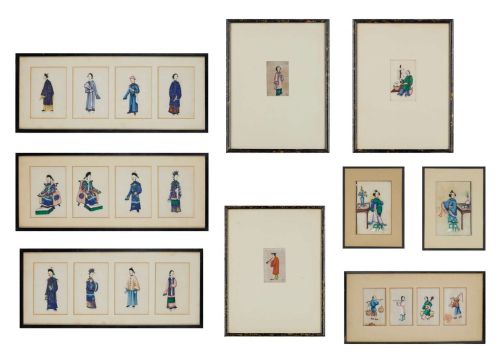
Finished pieces were secured within period surrounds such as ebonised wooden frames, birdseye maple mouldings, or gilt metal mounts. Seed pearls and glass glazing frequently protected delicate miniature portraits.
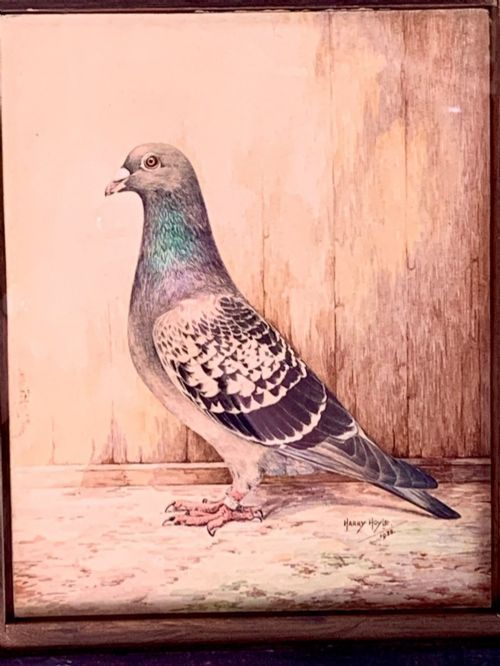
A swift pigeon won the Royal Messenger Silver Jubilee in 1935, commemorated forever in watercolour.
Quality variations
Preservation of the original paper support and the vibrancy of the pigments dictate overall desirability. Retained framing, legible inscriptions, and documented authorship by known practitioners elevate individual works.
Henri Fradelle·John Hassall·Charles Shirreff·Richard Cosway·Carl Haag·Frederick Tatham·Alexander Harwood·Charles Henry Slater·Michael Healy·Frederick Buck·John C D Engleheart
The Antique Watercolour Portrait Painting Glossary
- Watercolour
- A painting method where paint is made of pigments suspended in a water-based solution. It was widely used on paper for both miniature and standard-format portraits.
- Gouache
- An opaque water-based paint containing pigment mixed with a binding agent and white filler. It provided highlights and solid areas of colour in many nineteenth-century works.
- Grisaille
- A painting executed entirely in shades of grey or neutral monochrome. This technique often imitated sculptural reliefs or provided a restrained study of form.
- Wash
- A thin, semi-transparent layer of diluted paint or ink applied across paper. Artists employed washes to establish background depth and tonal gradients.
- Miniature painting
- A small-scale portrait executed with fine, precise brushstrokes. These objects were frequently housed in protective cases, lockets, or brooch mounts.
Antique Watercolour Portrait Painting: Frequently Asked Questions
How do I date an antique watercolour portrait?
Dating relies on costume details, hair styling, and the paper or framing materials used by the artist. Inscriptions on the reverse often record the sitter's name and the year of execution.
Comparison with dated works from similar regional schools or named practitioners helps narrow the timeframe further.
Were these portraits meant to be framed or worn?
Standard-format waterports were usually framed behind glass for display on interior walls. Smaller portrait miniatures were frequently housed in protective travel cases, desk frames, or worn as personal jewellery.
Brooch mounts and locket casings allowed owners to keep likenesses of family members close to them throughout the day.
How should I care for an antique watercolour?
Watercolour pigments are sensitive to ultraviolet light and can fade severely when exposed to direct sunlight. Displaying them in shaded areas behind conservation-grade glass protects the paper and pigments.
Keeping the works away from damp environments prevents foxing spots and mould growth on the paper support.