




Victorian Period Wall Art
Victorian period wall art brings character and rich narrative into a room through oil paintings, watercolours, and framed prints from the nineteenth century.
Victorian Period Wall Art
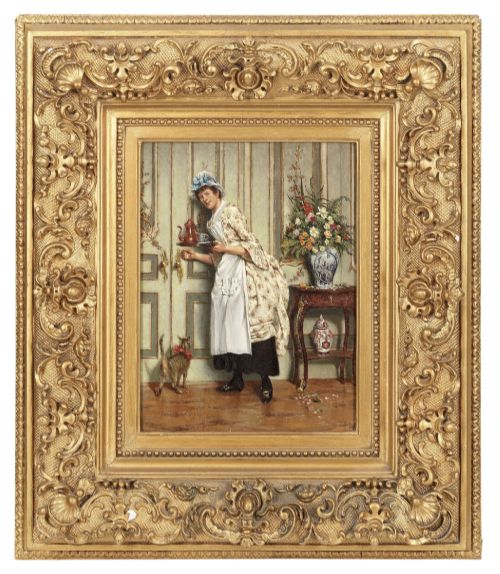
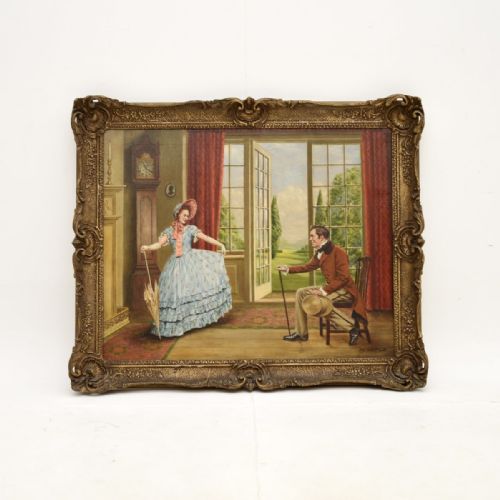
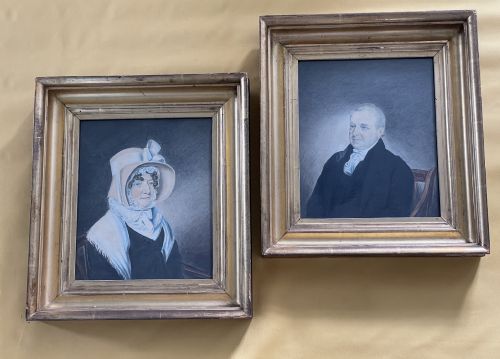
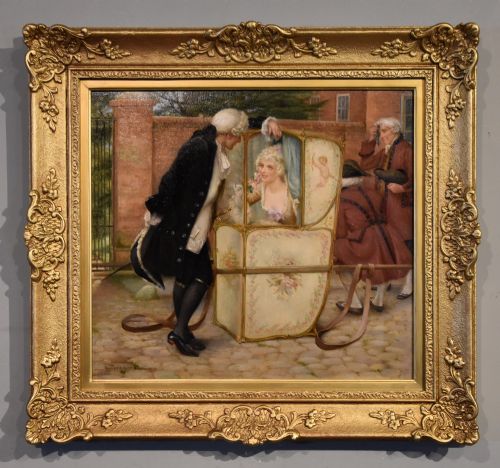
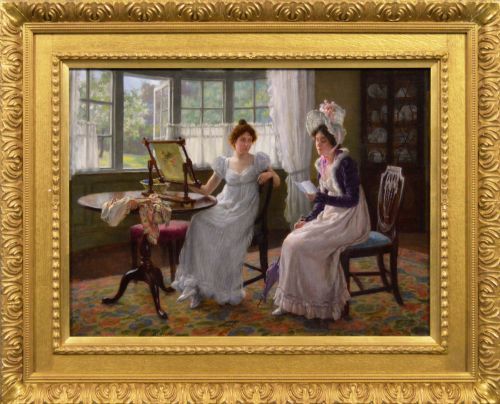
When searching for victorian period wall art, you encounter oil paintings, watercolours, and portraits depicting interior scenes, figures, and still life compositions.
The most common pieces on this page are nineteenth-century portraits and genre paintings executed in oil on canvas or wood, alongside detailed watercolours and framed prints.
Subjects range from individual society ladies and stern figures to domestic interior settings involving figures, animals, and historical themes from the period.
Materials and Technique
Artists of the era utilised oil paint on canvas, board, or wood panels, often applying rich pigments to build up layered interior and portrait scenes.
Works on paper employ pencil and watercolour techniques, capturing fine detail in character studies and narrative sketches.
Framing forms an integral part of the pieces, utilising solid wood, gesso, and giltwood structures designed to house the artwork securely.
The listings span the nineteenth century through to the early twentieth century, incorporating oil paint, watercolours, wood, and giltwood.
Distinction and Execution
The fineness of brushwork and the precision in facial expressions or interior details separate standard decorative works from accomplished academic and signed studio pieces.
Original period frames matched to the canvas or paper enhance the integrity of the work, reflecting the craftsmanship contemporary to the painting.
Stephen Samuel Lewin·Alfred Lyndon Grace·Delapoer Downing·George Kilburne·Charles Haigh Wood·H. Bayly·John Robert Dicksee·Sydney Kendrick·Frederick Thomas Baynes·Robert Kemp·Herbert Dicksee·William Huggins
The Victorian Period Wall Art Glossary
- Genre painting
- A style depicting scenes from everyday life, typically involving people in domestic or social settings. These works often tell a clear visual story about the manners of the time.
- Giltwood
- Wood carved and coated with gold leaf or a gold-coloured finish. This material frequently appears on ornate period frames surrounding the paintings.
- Chrystoleum
- A photographic print applied to glass, hand-coloured with paint, and mounted in a frame. This technique produces a luminous finish popular in the nineteenth century.
- Woodblock print
- An image carved into a wooden block, inked, and transferred to paper. This method underpins traditional printmaking traditions seen in Japanese works of the era.
Victorian Period Wall Art: Frequently Asked Questions
What subjects appear in these works?
The selections focus heavily on human figures, including individual portraits of society ladies, historical personages, and children. Domestic interior scenes and still life compositions involving fruit also populate the collection.
Alongside oils, watercolours and pencil drawings capture character studies and narrative moments. These subjects reflect the social interests and domestic ideals of the nineteenth century.
How do I identify a period frame?
Period frames typically consist of solid wood with applied gesso moulding finished in gilt or dark polish. They show construction methods appropriate to the nineteenth century, such as corner mitres joined by hand.
Avoid pieces where the frame materials clearly post-date the canvas inside. Original frames often display shrinkage cracks and wear consistent with age.
Are these works signed by artists?
Many pieces on display carry signatures or inscriptions left by the original painter or watercolourist. Names span both established studio artists and regional practitioners of the era.
Unsigned works are frequently attributed to specific schools or periods based on technique and subject matter. Documentation or inscriptions on the reverse often provide further clues.
How should I care for these pieces?
Keep framed artwork away from direct sunlight and damp environments to protect oil paint, watercolours, and paper from fading or moisture damage. Dust frames gently with a dry cloth without using liquid cleaners.
Glass fronts on watercolours and prints require careful cleaning with minimal moisture applied to the cloth rather than the glass. Hanging pieces on stable internal walls prevents structural strain.