


Antique Oval Mount Artwork
Antique oval mount artwork brings together centuries of portraiture and still life framed within distinctive curved borders.
Antique Oval Mount Artwork
When you search for antique oval mount artwork, you encounter framed paintings and watercolours enclosed in curved frames or mounts that draw the eye directly towards the subject. The pieces seen here span from the seventeen hundreds through the Victorian era up to the nineteen twenties, offering a variety of intimate portraits and delicate still lifes.
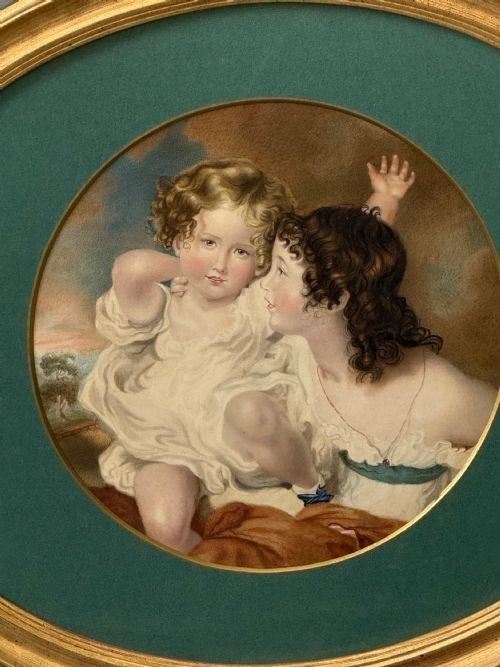
Most examples originate from the nineteenth century and the Victorian period, frequently taking the form of watercolour portraits or oil paintings on canvas and board. Portraiture dominates the selection, ranging from miniature works on ivory to larger depictions of children and notable figures.
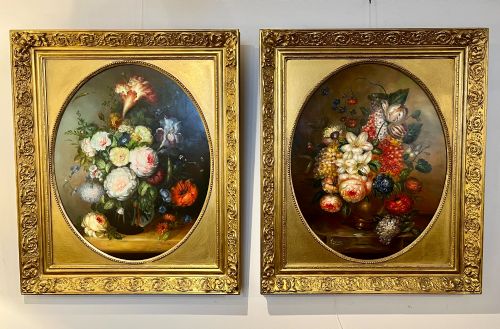
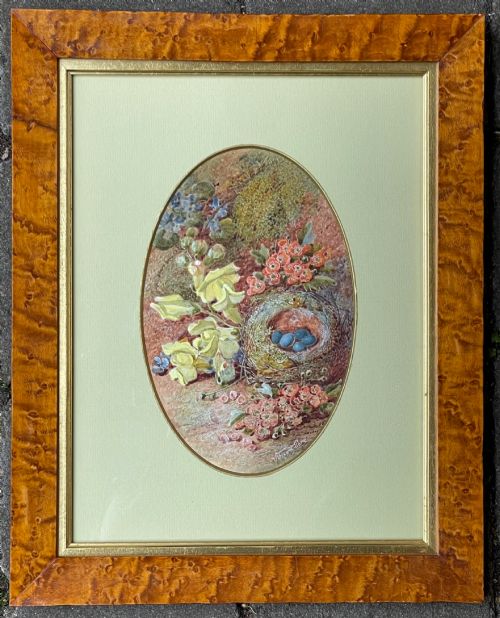
Beyond portraits, the selection includes Dutch style still life compositions, seascapes, and botanical studies of water fowl. These works demonstrate how artists tailored their subjects to fit the constraints of the curved format, creating balanced compositions that suit domestic display.
How these pieces were made
Makers utilised traditional supports such as canvas, card, paper, and wood panel, applying mediums that include oil, watercolour, pastel, and pencil. Works on paper and card often received protective glass coverings, whilst oil paintings on canvas were secured within wooden frames.
Gilt wood and gold leaf frequently frame these works, providing a bright reflective edge that complements the interior artwork. The mounts themselves were carefully shaped to achieve a precise curved boundary around the painted or drawn surface.
Listings feature works across the Georgian, Victorian, and early twentieth-century periods, utilising watercolour, oil on canvas, pastel, and pencil.
What varies in quality
The standard of execution in the brushwork or pencil line marks the primary distinction between pieces, with master hands achieving subtlety in facial expressions and tonal transitions. Lesser examples display stiffer handling and less attention to anatomical or botanical detail.
The preservation of the original mount and frame contributes significantly to the integrity of the piece. Items retaining their original glass, gilt wood, or gold leaf retain a more harmonious appearance than those altered or rehoused in later periods.
Vincent Clare·Arthur William Devis·James Hardy Junior·Robert Kemp·Francis Moltino·Andrea Soldi·Gerrit Schipper·Rev B. Morris
The Antique Oval Mount Artwork Glossary
- Mount
- The card or border surrounding a picture within the frame. In this selection, the mount specifically forms an oval window that frames the artwork.
- Miniature portrait
- A small-scale painting, often executed on ivory or delicate card. These intimate works demand high precision from the artist due to their diminutive size.
- Giltwood
- Wood carved and coated with gold leaf or metallic powder. This finish appears frequently on the frames enclosing nineteenth-century works.
- Still life
- A painting featuring inanimate subject matter, such as fruit, flowers, or household objects. The examples here include Dutch style arrangements.
Antique Oval Mount Artwork: Frequently Asked Questions
What periods do these pieces date from?
The works span from the eighteenth century through the Victorian era and into the early twentieth century. Georgian and Victorian examples are particularly common amongst the framed selections.
Makers from the seventeen hundreds onward contributed to this variety, working in oils, watercolours, and pastels.
How should I display antique oval art?
These pieces suit wall placement in traditional or eclectic interiors where the curved frame adds contrast to rectilinear furniture. Ensure they hang away from direct sunlight to protect delicate watercolours and paper.
Pairing smaller portraits together creates a balanced wall arrangement similar to nineteenth-century domestic displays.
Are all the frames original?
Frames vary in age and origin, with many retaining their period gilt wood or gold leaf surrounds. Some works feature nineteenth-century mounts that complement the medium.
Examining the reverse of the frame often reveals clues about its age and previous mountings.
What subjects are most common?
Portraits represent the largest category, depicting children, historical figures, and private individuals. These range from pencil sketches to detailed oil paintings.
Still life compositions and seascapes also appear, offering alternative subjects within the curved format.