
Framed Watercolour Portrait Art
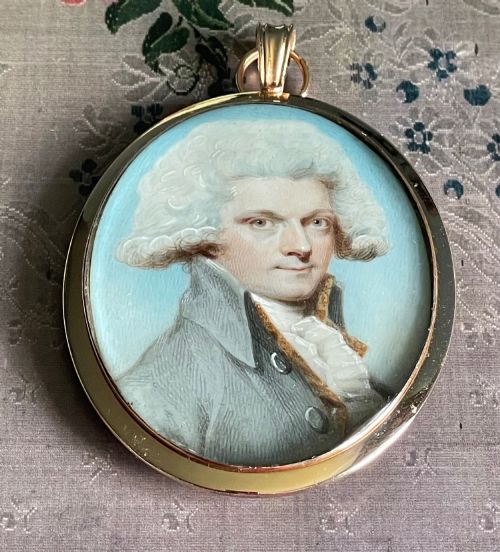
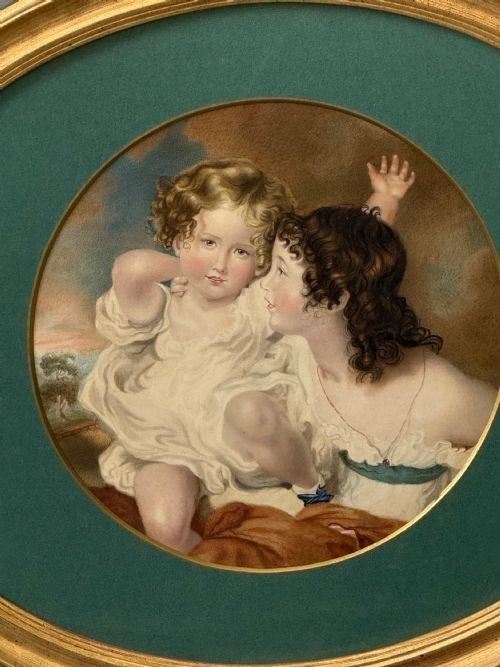
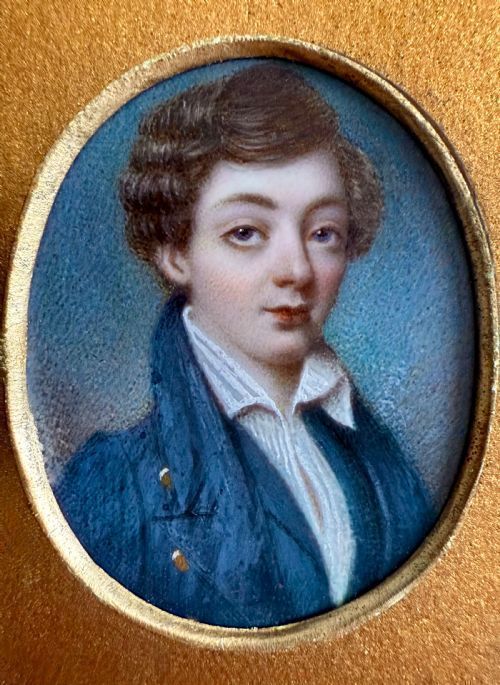
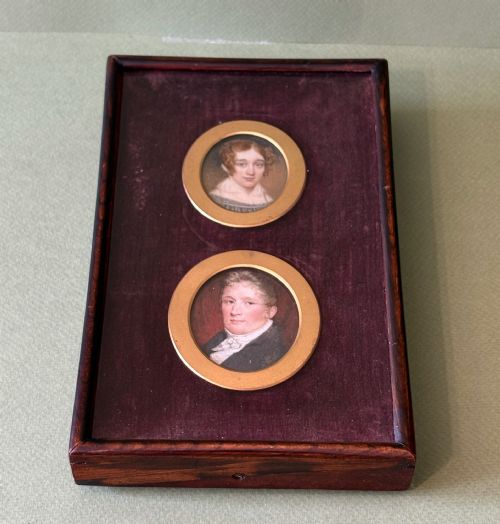
Framed watercolour portrait art captures individual likenesses on paper and glass across centuries of shifting styles.
Framed Watercolour Portrait Art
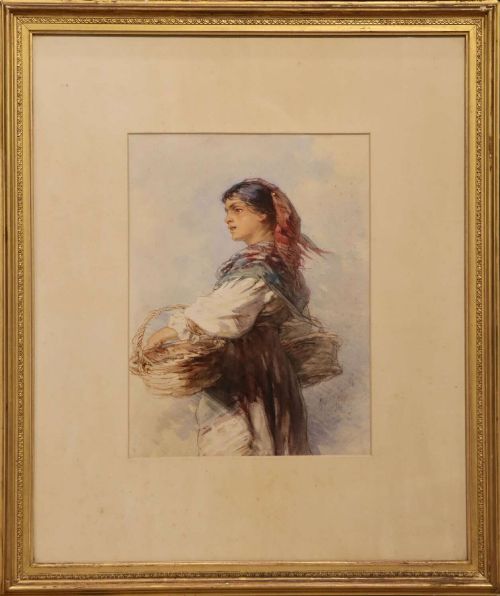
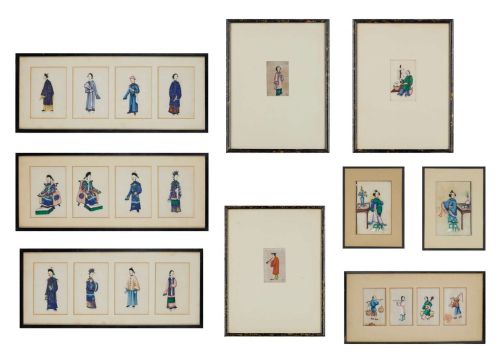
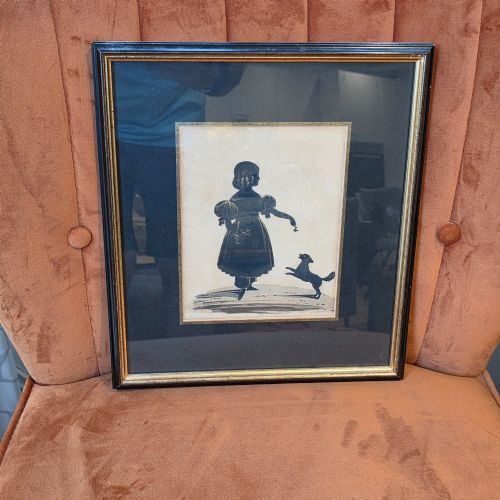
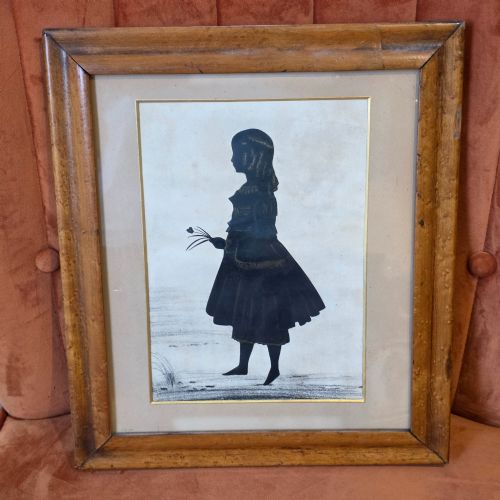
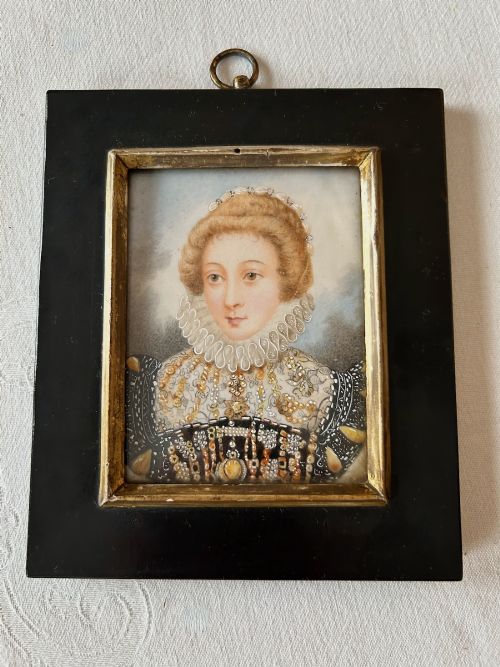
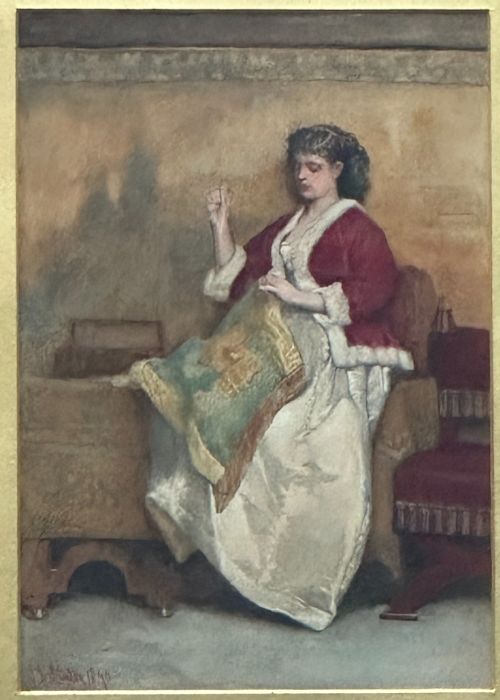
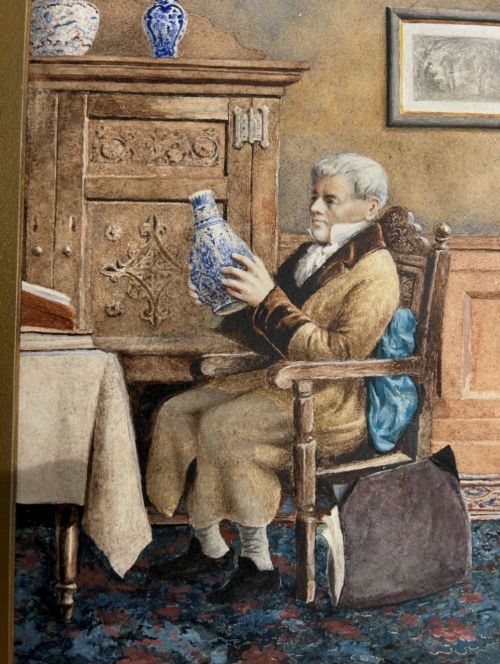
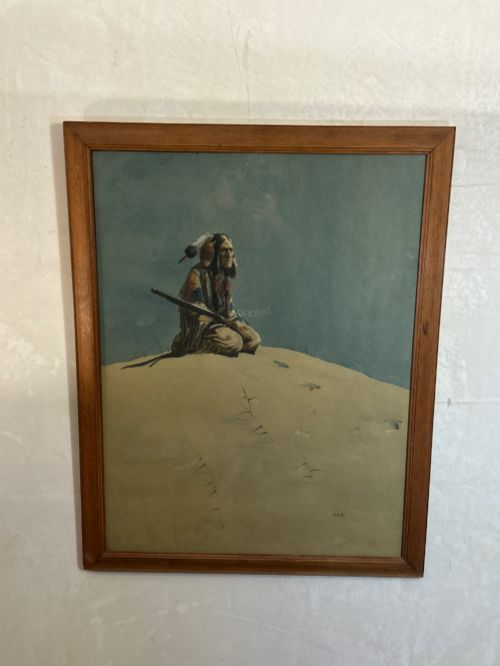
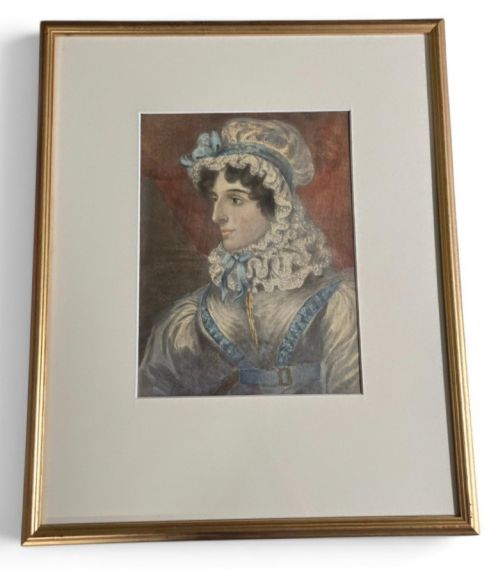
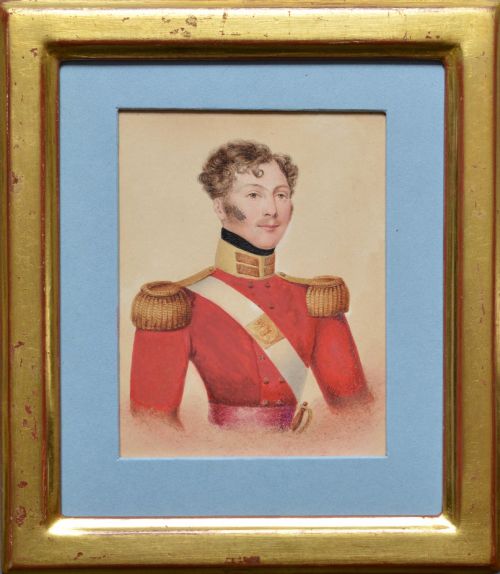
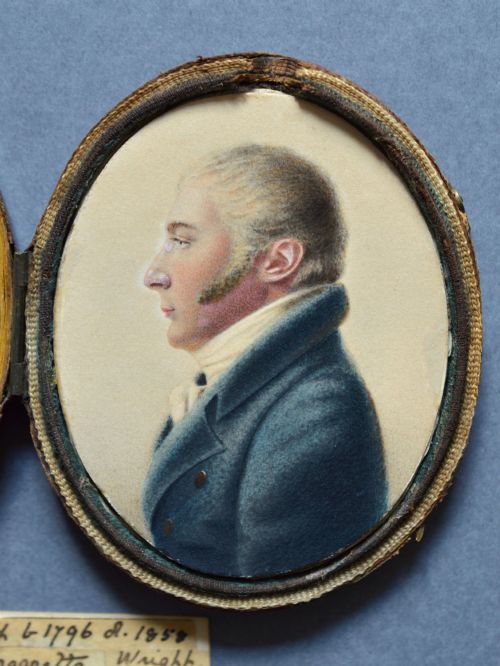
When searching for framed watercolour portrait art, you encounter diverse likenesses spanning the eighteenth, nineteenth, and early twentieth centuries. These range from intimate miniature paintings to full-length silhouette portraits and military depictions.
The versions most frequently met on this page include nineteenth-century British school watercolours, portrait miniatures in antique frames, and character studies from the Georgian and Victorian eras.
How they were made
Artists painted primarily with watercolour and gouache upon paper or directly onto glass, often applying wash techniques for subtle shading and depth. Cut paper silhouettes combined precise scissor work with delicate ink or watercolour highlights.
Finished works found protection beneath glass within wood frames, many ornamented with gold leaf or gilt metal to enhance the visual presentation of the subject.
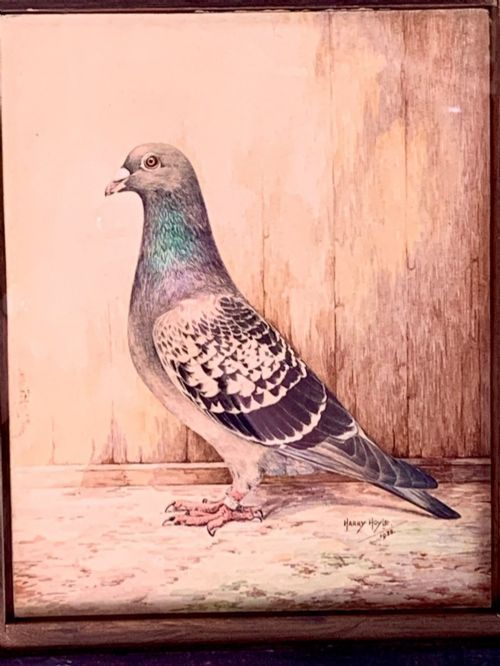
A racing pigeon won a silver jubilee.
What varies in quality
Original framing adds distinction. Period frames utilising gold leaf and glass appropriate to the era maintain the integrity and visual balance of the artwork.
William James Hubard·Henri Fradelle·Sir James Dromgole Linton·Henry Stacy Marks·John Hassall·King George V·Edward Bradford·Thomas John Horsley·Charles Shirreff·Sir Thomas Lawrence·Richard Cosway·Henry Travis·Frederick Tatham·Percy Lancaster·Alexander Harwood·Frederick Buck·Charles Henry Slater
The Framed Watercolour Portrait Art Glossary
- Watercolour
- A paint consisting of pigment suspended in a water-soluble binder, applied to paper to create translucent washes of colour.
- Gouache
- An opaque water-based medium that includes a white pigment filler, allowing for solid highlights and dense colour application.
- Portrait Miniature
- A small, highly detailed painting designed for intimate viewing, often housed in a pendant or protective case.
- Silhouette
- A portrait profile cut from dark paper or painted in solid black, sometimes embellished with fine ink or watercolour details.
- Gilt Metal
- A base metal treated with a thin layer of gold or gold-coloured finish to simulate solid gold framing.
Framed Watercolour Portrait Art: Frequently Asked Questions
How should I hang watercolour art?
Protect watercolours from direct sunlight by positioning them away from bright windows to prevent the pigments and paper from fading over time.
Maintain stable indoor humidity levels in the room to protect the paper support and original gilt framing from environmental degradation.
What periods do these portraits represent?
The selection spans multiple eras, prominently featuring Georgian, Regency, and Victorian aesthetics alongside early twentieth-century examples.
Stylistic shifts appear between the formal portrait miniatures of the eighteenth century and the looser impressionist watercolours of the mid-twentieth century.
Are portrait miniatures always painted on paper?
Miniatures frequently appear on paper, but some examples utilise alternative surfaces such as glass or prepared backing materials.
Artists selected these smooth grounds to achieve the extreme detail characteristic of miniature painting.
What is a silhouette portrait?
Silhouettes are profile likenesses, often cut from black paper or drawn directly onto a light background to record a sitter's facial outline.
Many nineteenth-century examples combine cut paper techniques with delicate watercolour washes to define clothing and accessories.