
Paper Watercolour Portrait Artwork
These paper watercolour portrait artworks span centuries of delicate hand-painted character studies.
Paper Watercolour Portrait Artwork
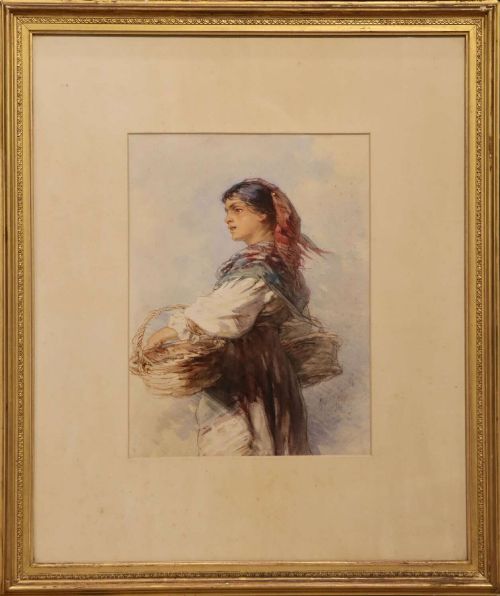
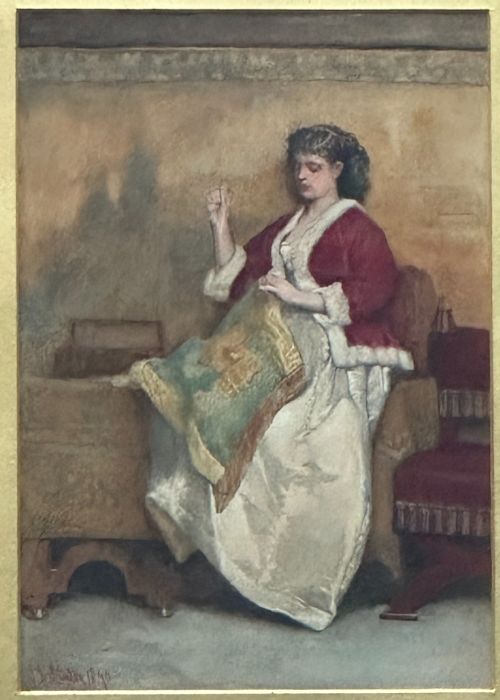
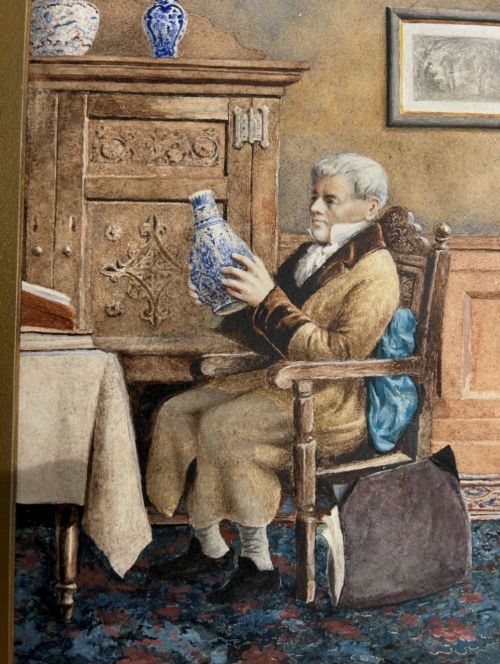
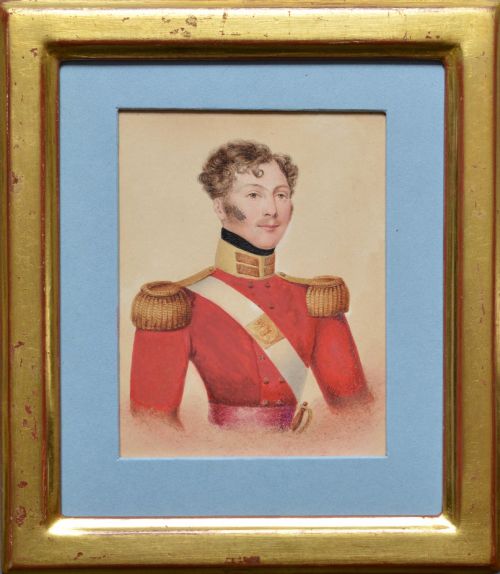
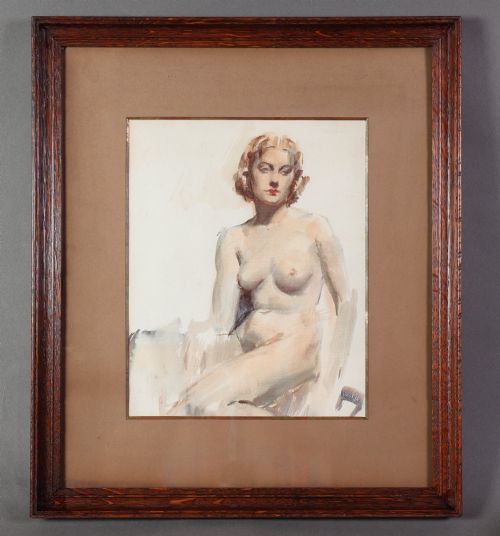
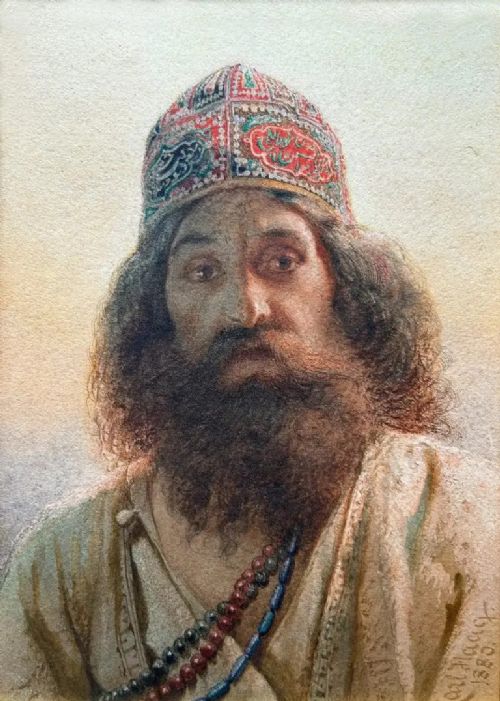
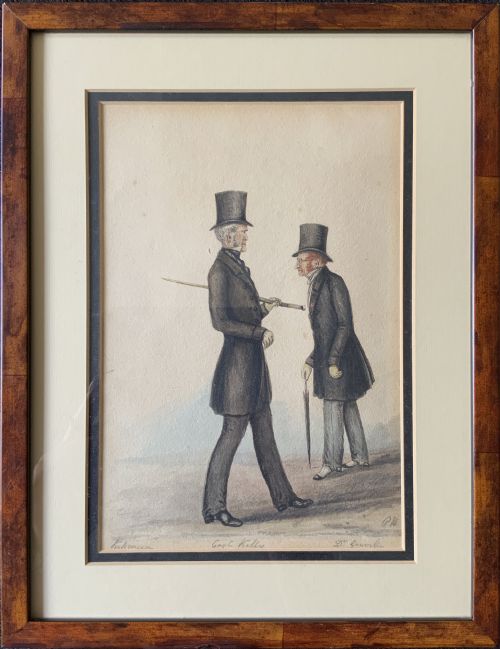
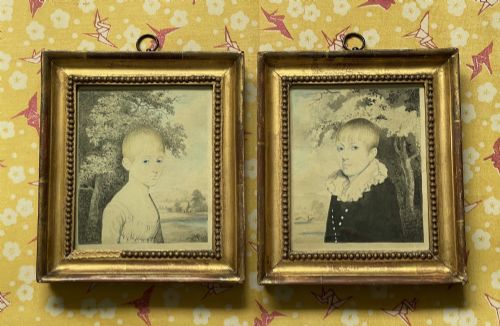
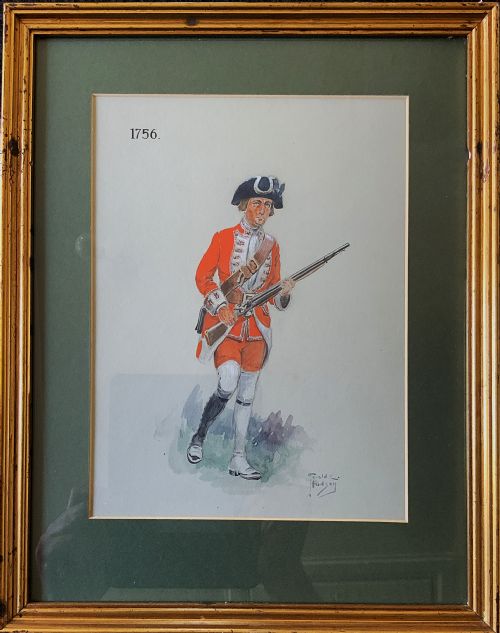
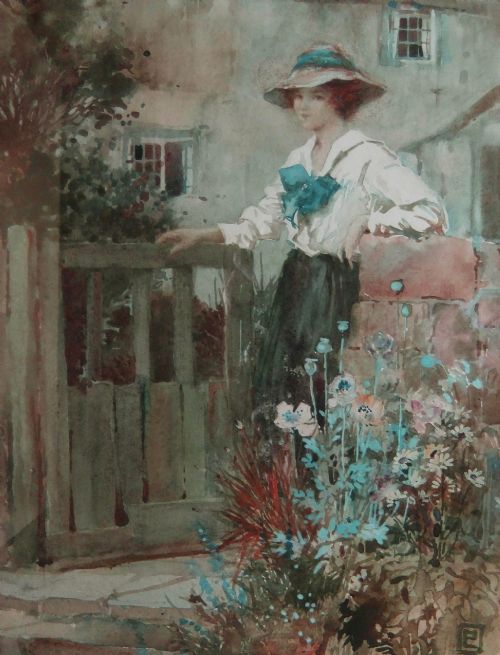
When searching for paper watercolour portrait artwork, buyers encounter painted depictions of individuals created across the nineteenth and twentieth centuries. These works range from informal sketches of children and soldiers to formal studies of Victorian subjects and foreign figures.
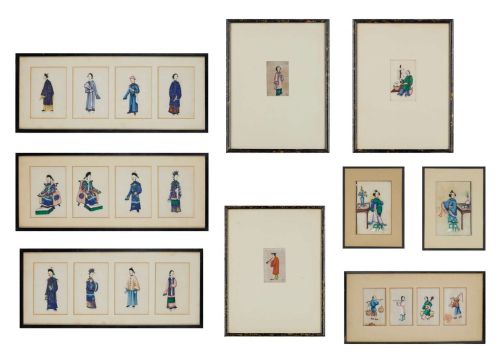
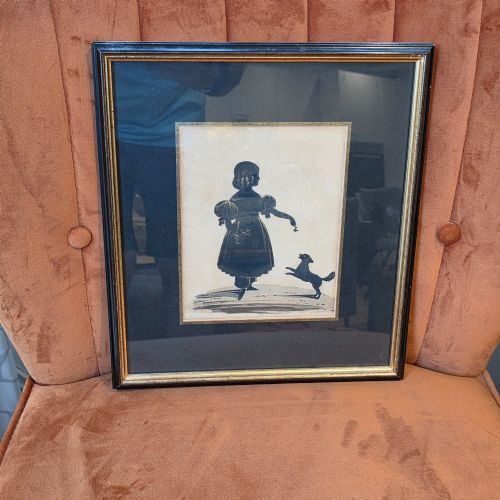
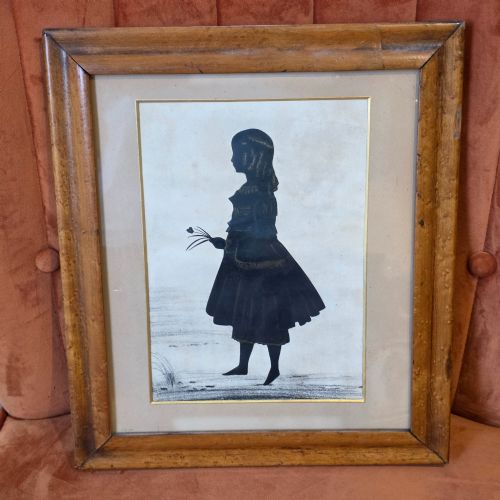
The selections on this page heavily feature Victorian and Regency pieces alongside early twentieth-century examples. Pith paper paintings and cut-paper silhouettes also appear, showing how artists combined paper manipulation with watercolour pigment.
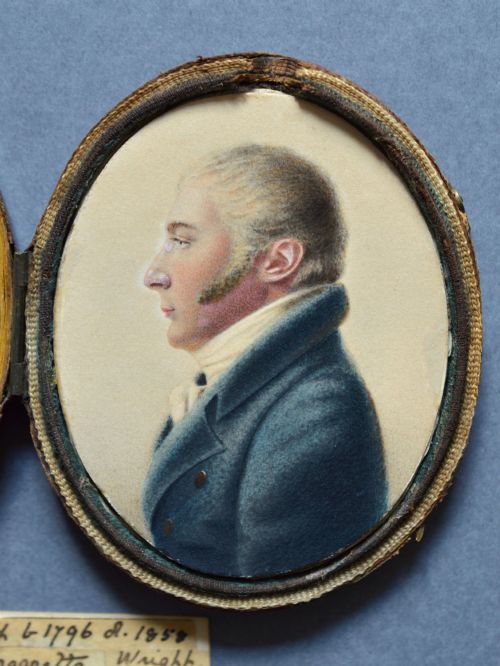
Origins stretch from British schools to continental Europe and China, capturing distinct regional approaches to portraiture. Buyers frequently find framed paintings and portrait miniatures executed on paper using ink and wash as well as gouache.
Materials and technique
Pith paper, prepared from plant pith, provided a fragile yet absorbent surface for Chinese figural paintings during the nineteenth century. Cut-paper silhouettes utilised precise scissor work mounted onto backing sheets before receiving watercolour detailing.
Makers framed their finished watercolours behind glass within wood or gilt wood frames to protect the delicate pigments from moisture and handling. These traditional mountings preserve the paper supports against environmental degradation.
Materials documented across the pieces include paper, watercolour, gouache, ink, glass, wood, and gilt wood.
Distinctions in execution
The finesse of brushwork and the precision of facial rendering separate standard decorative paintings from masterly character studies. Superior artists captured lifelike expression and anatomical accuracy with minimal, confident strokes of pigment.
The preservation of the paper support and the vibrancy of the original watercolour pigment heavily influence the standing of a piece. Works retaining their initial colour saturation without excessive fading or foxing represent the upper echelon of the range.
The sophistication of the associated framing, whether original gilt wood or period timber, adds contextual integrity to the artwork. Signed pieces or those attributed to recorded practitioners demonstrate higher documentary worth than anonymous school outputs.
Guido Bach·William James Hubard·Sir James Dromgole Linton·Henry Stacy Marks·Carl Haag·Percy Lancaster·Michael Healy·Olga Choumansky·Philip Richard Morris·Alice Anne Renshaw·Filipo Indoni·J Bizo·Albin R Burt·Francis Wheatley·Helena Maguire·Arthur Todd·Thomas Woolnoth·Augustus Jules Bouvier
The Paper Watercolour Portrait Artwork Glossary
- Watercolour pigment
- Finely ground colour particles mixed with a water-soluble binder. This medium allows artists to layer translucent washes across a paper surface.
- Gouache
- An opaque watercolour paint containing added white pigment. It provides dense, solid colour areas that contrast with transparent watercolour washes.
- Pith paper
- A delicate organic material derived from plant stems, used in nineteenth-century Chinese export art. It absorbs watercolour readily to produce velvety painted surfaces.
- Silhouette
- A portrait profile cut from dark paper or painted in solid dark tones. Regency artists often enhanced these stark outlines with delicate watercolour details.
- Wash
- A thin, fluid layer of diluted watercolour spread across paper. Masters used washes to build atmospheric backgrounds and soft facial shadows.
Paper Watercolour Portrait Artwork: Frequently Asked Questions
How should I display paper watercolour portraits?
Keep these artworks away from direct sunlight to prevent the watercolour pigments from fading over time. Maintaining stable indoor humidity levels protects the fragile paper support from warping.
Ensure each piece remains sealed behind glass within its frame to guard against dust and atmospheric pollutants. Professional framing using acid-free mounts preserves the integrity of antique paper works.
What periods do these portraits represent?
The available selection spans from the eighteenth century through the Victorian and Regency eras into the early twentieth century. Regency examples often feature crisp silhouettes and delicate ink work.
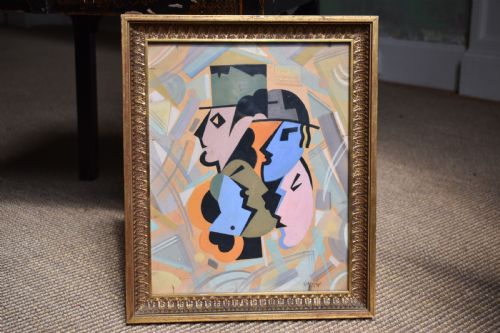
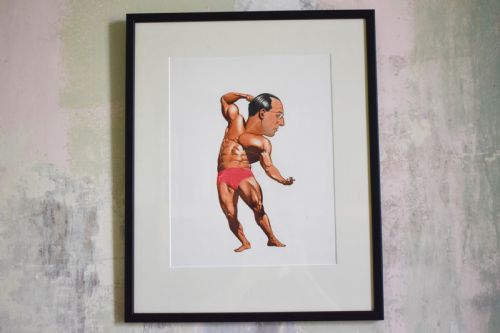
Later Victorian and Edwardian pieces showcase richer palettes incorporating gouache and varied paper types. Twentieth-century works introduce avant-garde movements and surrealist interpretations.
What is pith paper?
Pith paper is a fragile organic material made from the cellular pith of the Tetrapanax papyrifer plant. Nineteenth-century Chinese artists utilised this velvety surface for vibrant figural paintings.
The unique cellular structure absorbs watercolour pigments deeply, giving these orientalist works a distinctive tactile quality. Because the material is exceptionally delicate, these paintings require careful preservation behind glass.
How do I identify the sitter?
Many antique portraits include inscriptions on the reverse of the paper or along the original mount detailing the subject's name and date. Military uniforms and period costume styles offer further clues for dating and identification.
Signed works by listed artists occasionally correspond with historical exhibition records or biographical archives. Anonymous portraits rely on stylistic markers and costume details to suggest an approximate period.