

Vintage Portrait Paper Painting
A vintage portrait paper painting brings personal history and immediacy to a room through delicate pigment held on a fragile surface.
Vintage Portrait Paper Painting
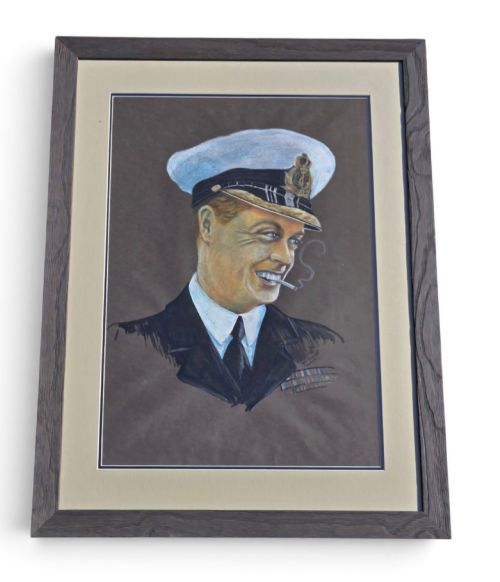
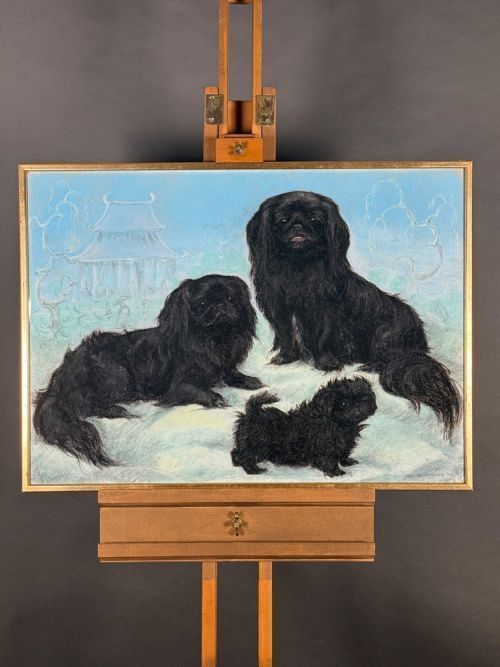
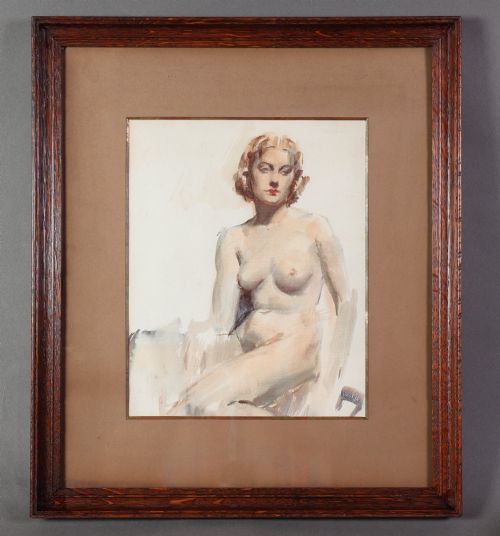
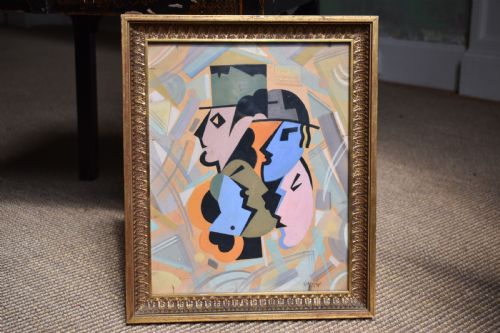
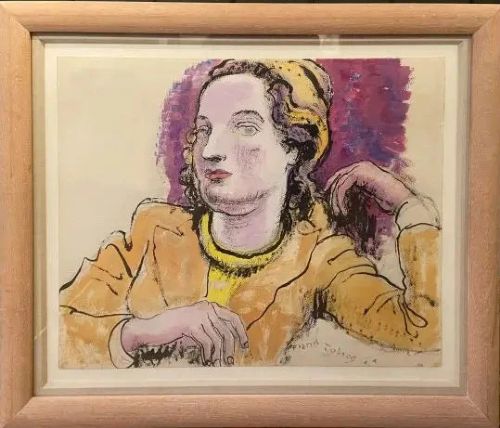
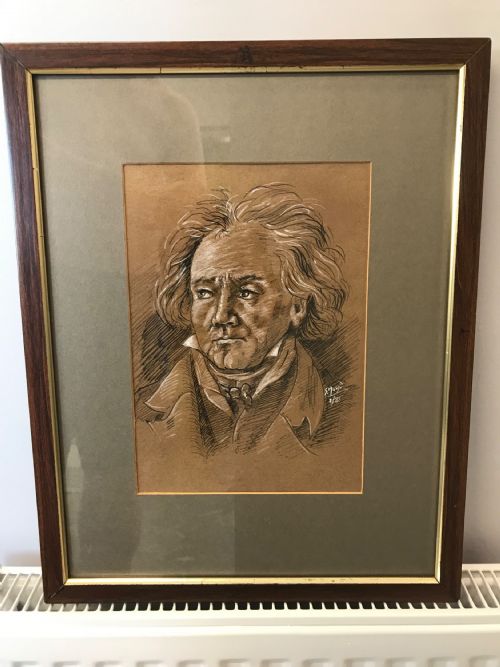
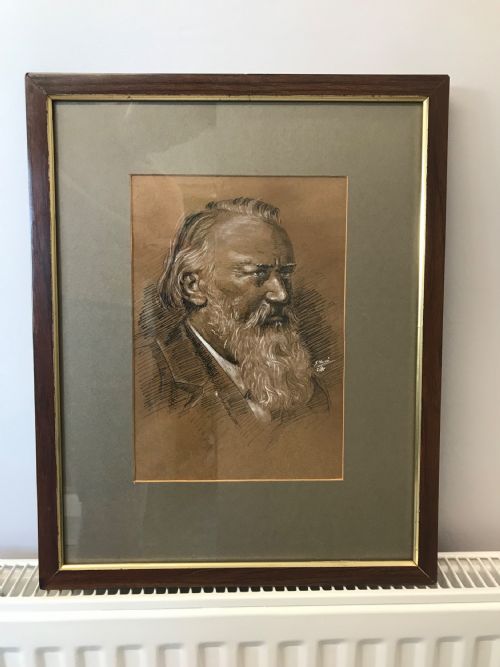
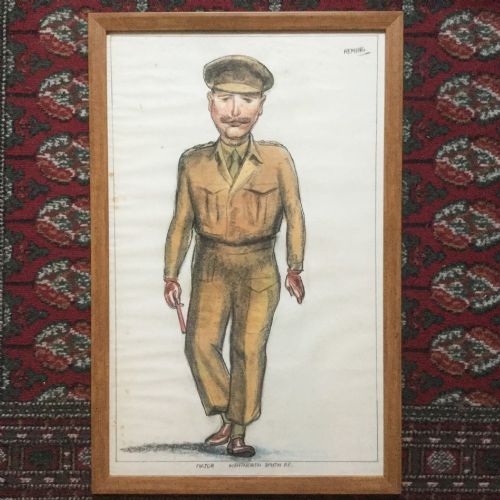
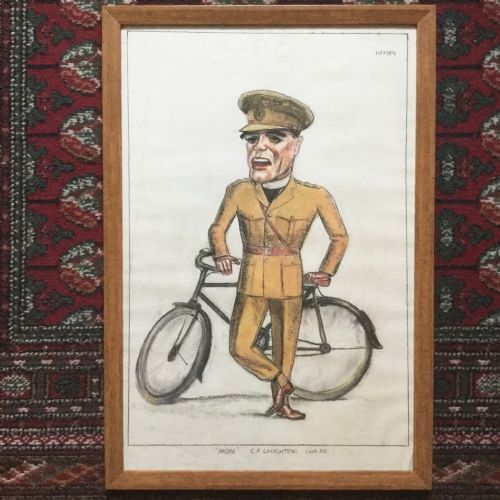
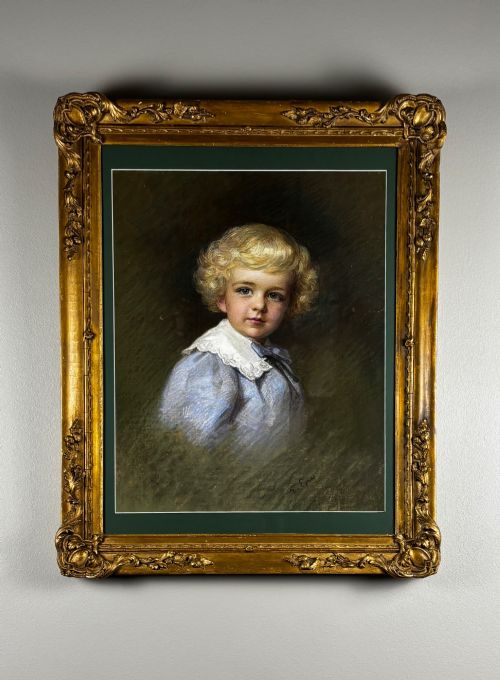
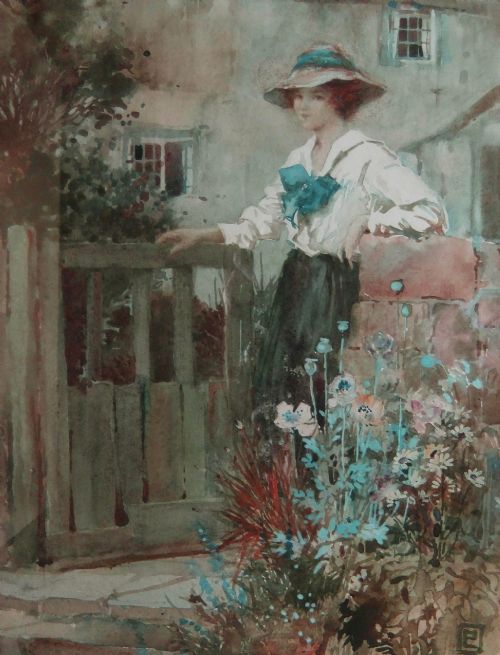
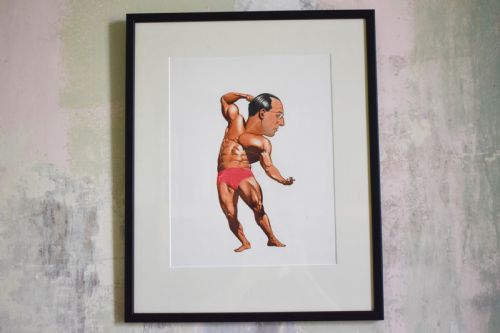
A vintage portrait paper painting captures individual likenesses and character studies across diverse periods, including Victorian, Edwardian, Art Deco, and Mid-Century Modern eras. These works range from intimate sketches of children and domestic animals to formal military depictions and theatrical studies.
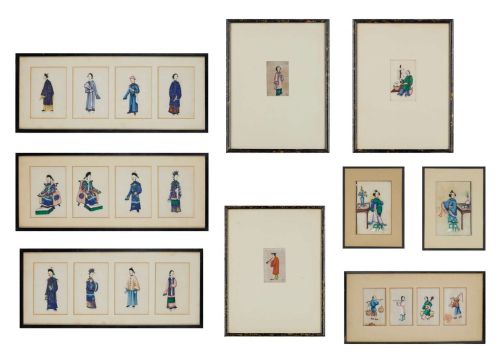
Buyers encounter framed drawings, watercolours, silhouettes, and gouache studies produced by named artists and regional British schools. The selection spans domestic character pieces alongside international works such as Chinese pith paintings and Japanese triptych portraits.
Materials and technique
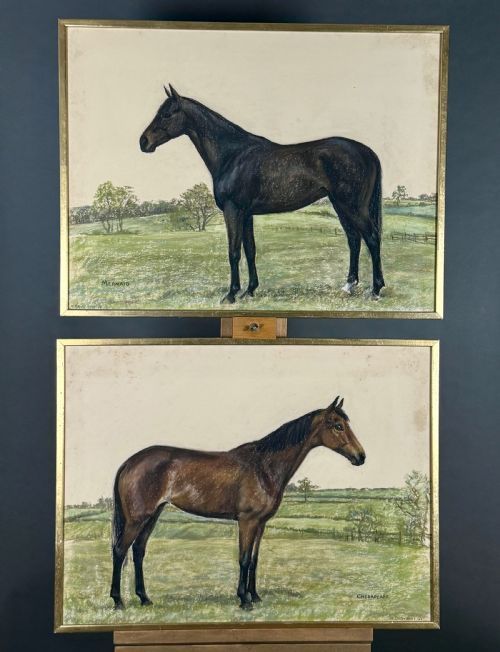
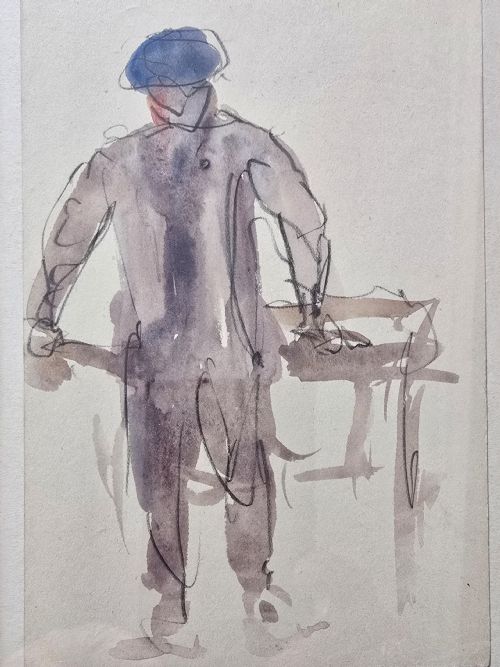
Artists relied primarily on watercolour pigment, gouache, ink, and pastel applied directly onto paper supports, often mounted beneath glass in wood frames. Many works incorporate pencil or charcoal underdrawing to define structure before the application of wash or opaque colour.
Pith paintings utilise prepared plant membranes as a delicate base for bright mineral pigments, while traditional British and European works employ heavyweight woven paper sheets that preserve the subtle gradations of pastel and watercolour.
Listings feature paper paintings spanning the nineteenth century through the 1960s, employing watercolour, gouache, ink, and pastel.
Markers of distinction
Quality rests upon the sureness of the draughtsmanship and the artist's ability to capture expression and form without unnecessary correction. Confident brushwork in watercolour or precise control of pastel pigment distinguishes master execution from routine studio output.
The preservation of the paper surface and the integrity of the original framing elements influence the desirability of a piece. Works that retain their original maple or glazed wooden mounts offer greater historical cohesion.
Herskind·Frank Dobson·Emily Eyres·Percy Lancaster·Michael Healy·Arthur Todd·Augustus Jules Bouvier·John Smith·Ya Ming·Takashi Nakayama·Aubrey Sykes·Montagu Barstow·Dame Laura Knight·Eveline Lance
The Vintage Portrait Paper Painting Glossary
- Gouache
- An opaque watercolour paint made from pigment mixed with a water-binding agent and a inert white filler, creating a heavier matte finish than standard watercolour.
- Pith painting
- Works created on the spongy cellular interior of the Tetrapanax papyrifer plant, common in nineteenth-century export art.
- Silhouette
- A portrait profile cut from dark paper or painted in monochrome against a pale background, popular in Georgian and Victorian parlours.
- Pastel
- A dry painting medium consisting of powdered pigment and a binder, yielding velvety textures that require protection beneath glass.
Vintage Portrait Paper Painting: Frequently Asked Questions
How should I frame a paper painting?
Works on paper require conservation mounting with acid-free backing boards to prevent discoloration over time. Keeping the surface elevated away from direct contact with the glass preserves the delicate pigments.
Traditional wooden frames, particularly period maple or moulded sections, complement the age of the artwork. Ensure the hanging location avoids direct sunlight to protect watercolours and pastels from fading.
How do I identify a Victorian portrait?
Victorian examples frequently feature dense subject matter, such as detailed family silhouettes, domestic scenes, or formal studies of children and pets. The attire, hairstyles, and framing materials provide immediate clues to the nineteenth-century origin.
Signatures or handwritten inscriptions on the reverse often record the sitter's identity and the date of creation. The use of muted watercolour washes and sepia tones is also typical of this period.
Are pastels fragile to hang?
Pastels consist of loose pigment particles held lightly on the paper, making them sensitive to vibration and physical impact. Secure framing behind glass is essential to prevent dusting and loss of material.
Position these pieces on interior walls where temperature and humidity fluctuations remain minimal. Routine inspections ensure the seal behind the frame remains intact.
What is a pith painting?
Pith paintings are historical works created on thin sheets sliced from plant stems, originating mainly in nineteenth-century China. They display vibrant gouache colours with a distinct luminous quality due to the unique texture of the organic ground.
These delicate items are almost exclusively found framed under glass to protect the fragile support from tearing. They document trade and cultural exchange during the Qing dynasty.