


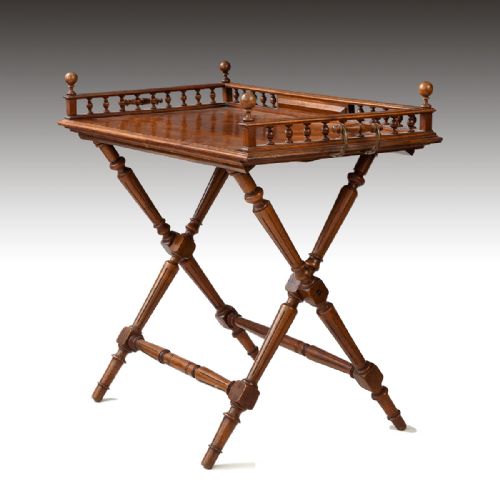
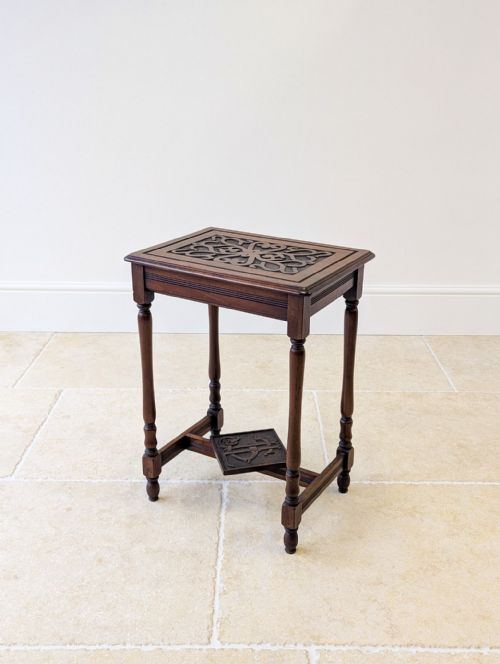
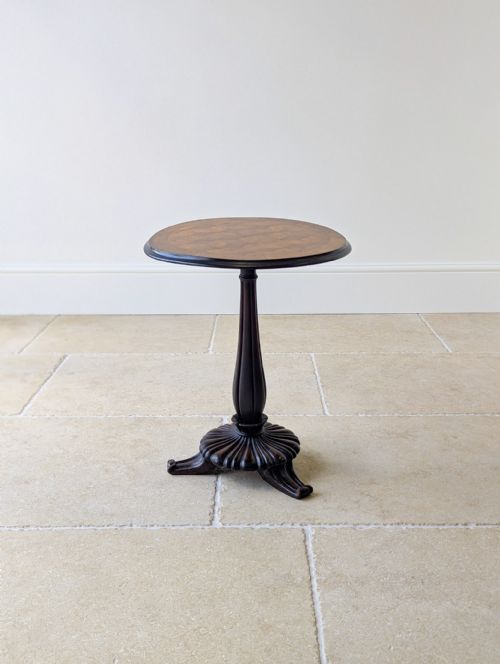
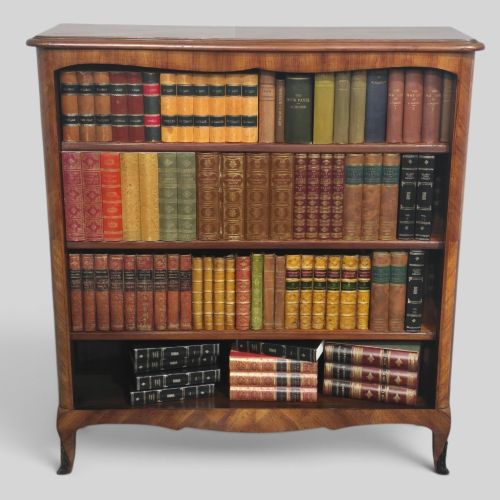
19th Century Walnut Stand
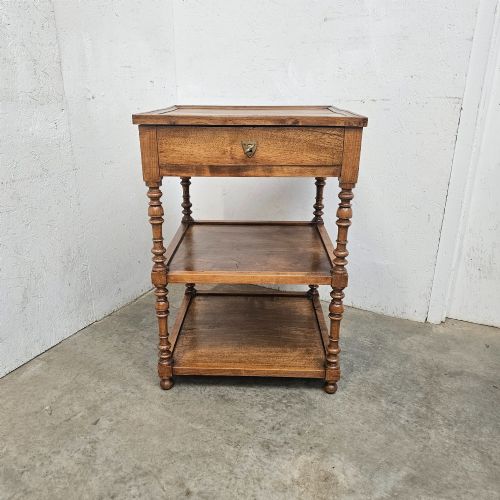
A 19th century walnut stand brings rich timber grain and practical height to a corner, hallway or bedside.
19th Century Walnut Stand
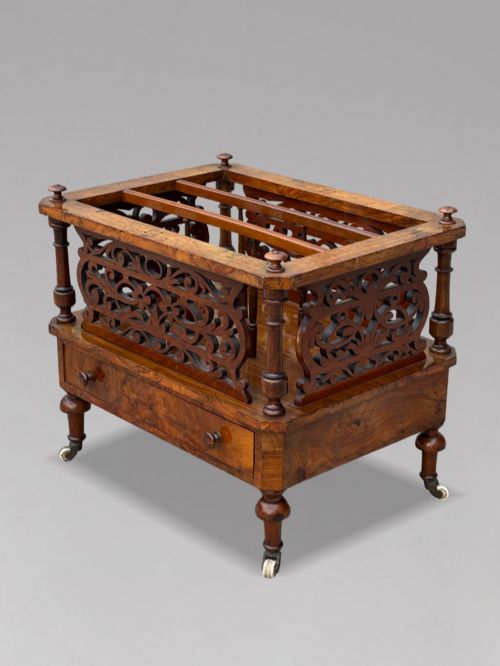
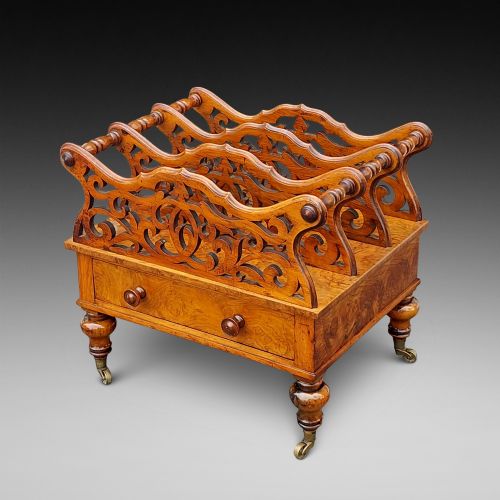
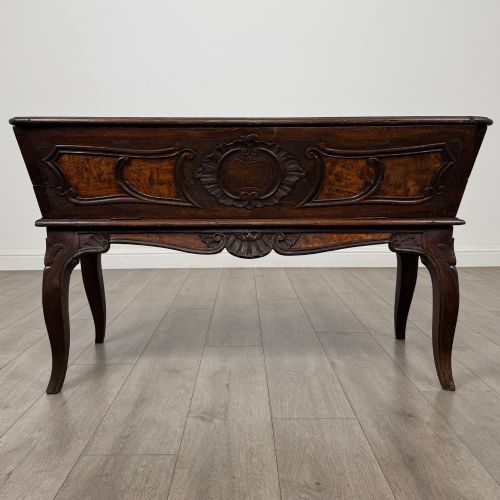
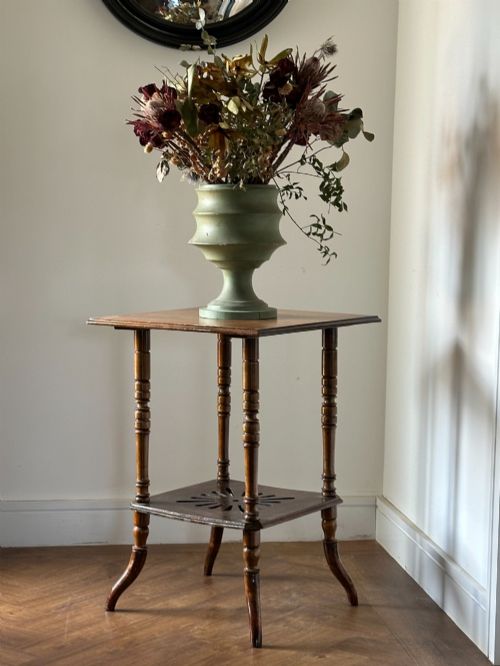
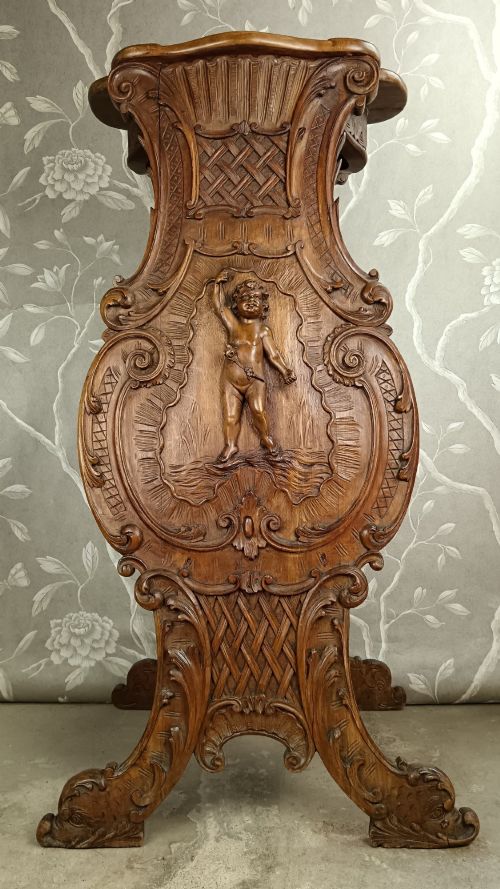
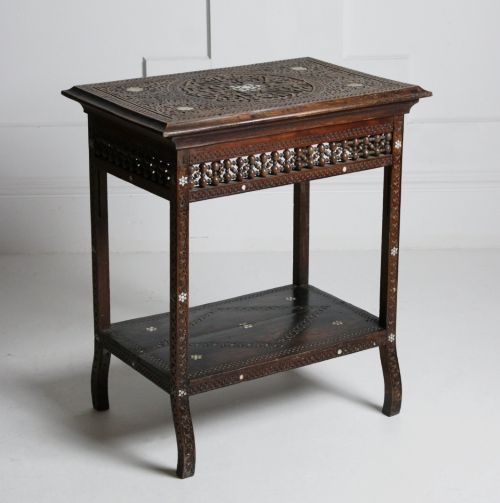
When searching for a 19th century walnut stand, buyers encounter a diverse selection of occasional tables, music cabinets, canterburys, tier shelves, and specialised display items. The pieces date primarily from the Victorian era and the broader nineteenth century, originating from British, French, and Italian makers.
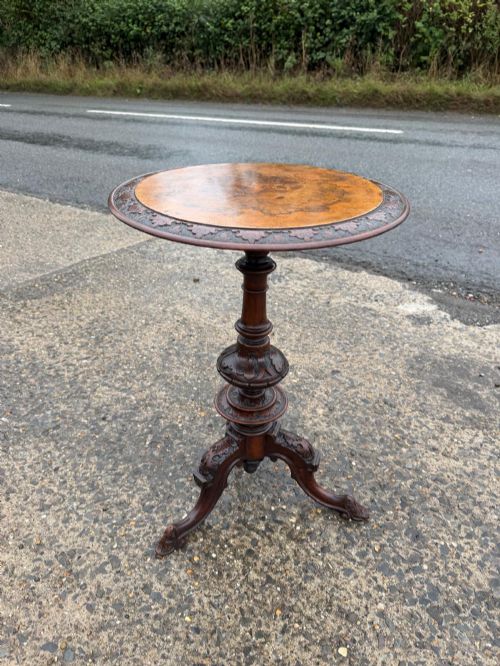
Forms range from compact wine tables and torchères to multi-tiered whatnots and hall stands designed for everyday utility or ornamental display. Burr walnut variations supply distinct figured grain patterns across top surfaces and cabinet doors.
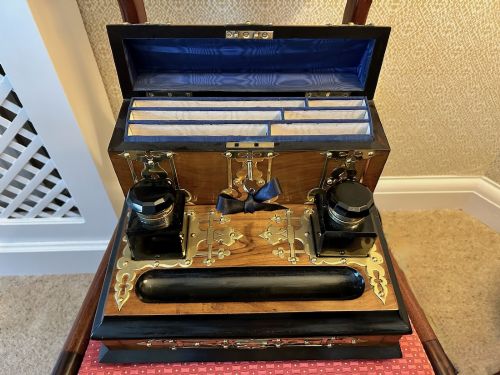
Many items incorporate functional compartments such as open shelves, writing surfaces, or pivoting book sections tailored to domestic life in the eighteen-hundreds.
How they were made
Cabinet makers utilised solid walnut frameworks combined with burr walnut veneers applied to primary display surfaces to achieve decorative contrast. These timbers were frequently paired with secondary woods like mahogany or pine for internal structure.
Metal components including brass handles, ormolu mounts, and gilt hardware provide structural accents and decorative borders on French and Victorian examples. Glass panels and ceramic inserts appear in specific tables, music cabinets, and jardinières.
A revolving bookstand allows a reader to spin an entire library while sitting in one comfortable Victorian armchair.
What varies in quality
The refinement of the carved details and the symmetry of the wood grain selection dictate the standing of individual pieces. Master workshops employed deep, crisp hand-carving and matched veneer panels across drawer fronts and table tops.
Integration of secondary materials such as fine brass mounts, inlaid marquetry, and original turning on legs or columns distinguishes workshop standards. Robust joinery and intact structural fittings maintain stability across multi-tiered whatnots and revolving bookstands.
Gabriel Viardot·Shoolbred
The 19th Century Walnut Stand Glossary
- Canterbury
- A low multi-partition stand originally designed to hold sheet music or folios, often featuring carrying handles and a drawer below.
- Burr walnut
- A figured veneer sliced from the knotty growth of a walnut tree, prized for its swirling grain patterns.
- Étagère
- A piece of furniture consisting of a set of open shelves for displaying small objects or ornaments.
- Torchère
- A tall, slender stand or pedestal designed to support a lamp, candle, or decorative urn.
- Whatnot
- An open set of standing shelves used for general display, developed during the Victorian period.
19th Century Walnut Stand: Frequently Asked Questions
What is a walnut stand used for?
These pieces served varied domestic functions, from holding books and music sheets to displaying decorative items like lamps and plants.
Specific forms like hall stands and canterburys provided dedicated spots for umbrellas, coats, or folios in period interiors.
How do I identify a Victorian stand?
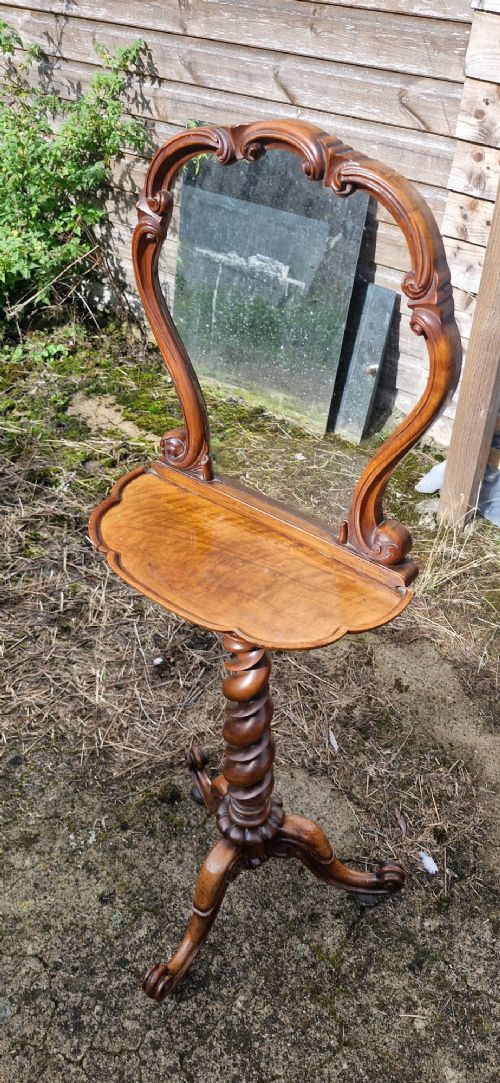
Victorian examples often display darker walnut timber, turned barley-twist supports, or decorative carving associated with mid to late nineteenth-century aesthetics.
Many incorporate multiple tiers or brass hardware typical of domestic furniture production between eighteen-fifty and nineteen-hundred.
Where were these stands made?
Production centred across Britain, France, and Italy, with regional workshops applying distinct stylistic details such as French ormolu mounts or Italian carved motifs.
Local cabinet makers adapted global influences, including Aesthetic Movement and Japonisme designs, into standard domestic furniture.
Are burr walnut surfaces original?
Burr walnut was utilised extensively by nineteenth-century makers to create highly figured decorative panels on table tops and cabinet doors.
Cabinet makers matched these decorative veneers over solid timber carcases to enhance the visual appeal of occasional tables and whatnots.