

19th Century Wall Panel
When you search for a 19th century wall panel, you are looking at diverse wooden, textile, and painted pieces designed to furnish interiors.
19th Century Wall Panel
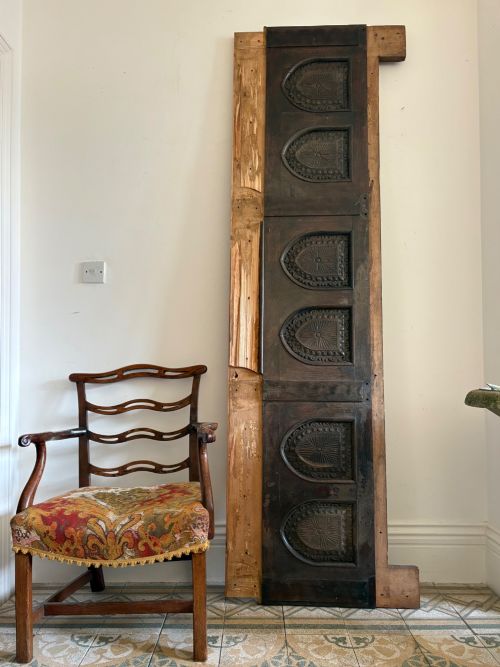
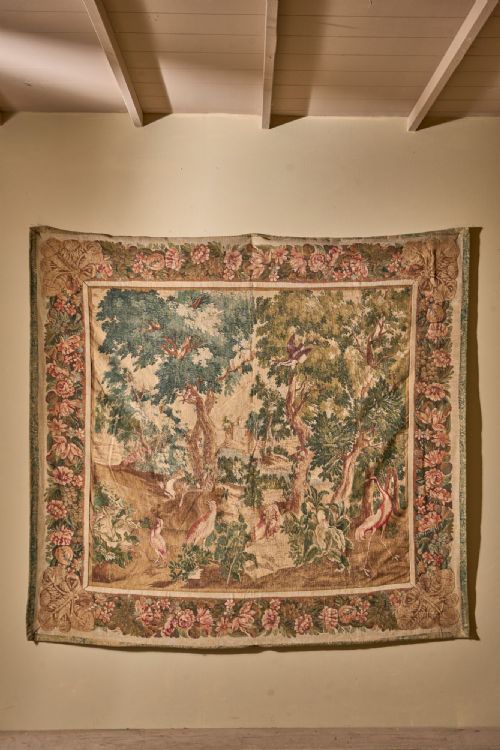
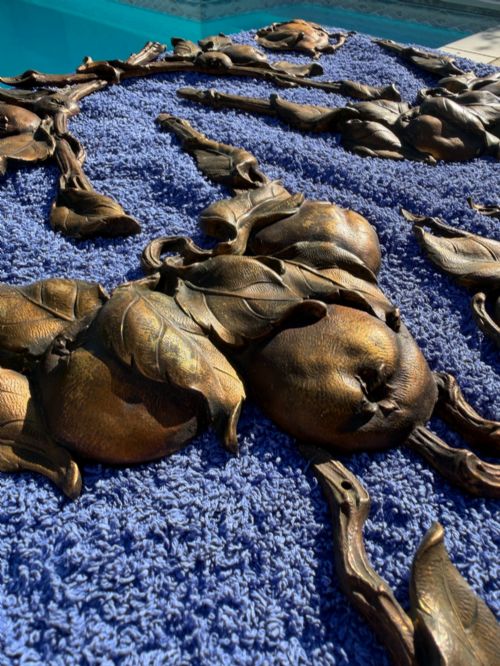
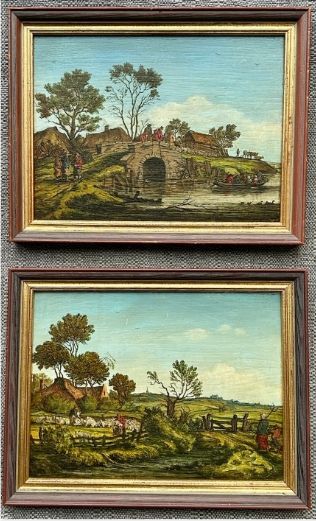
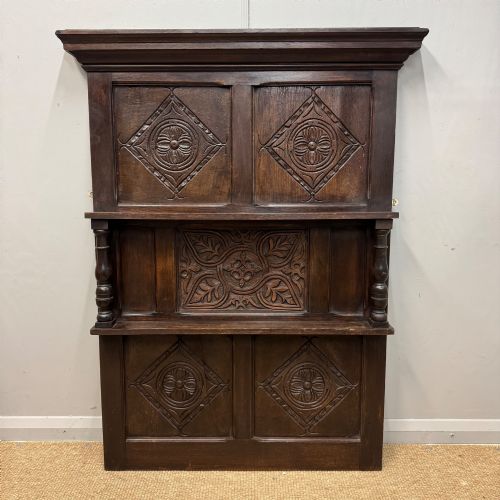
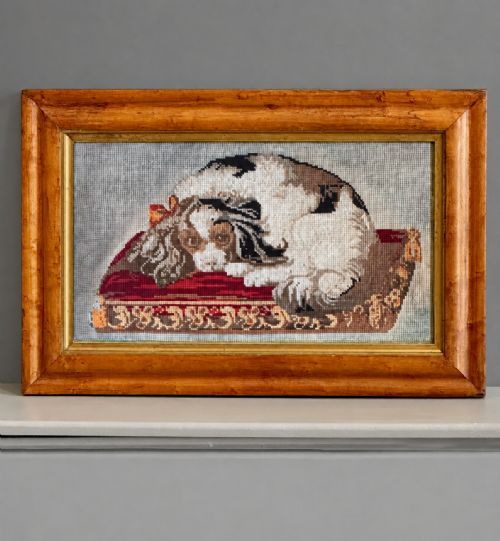
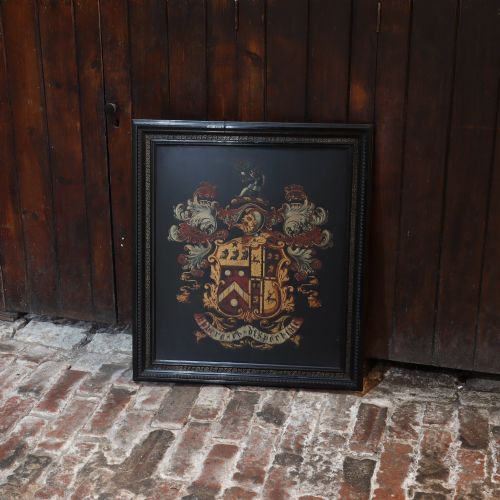
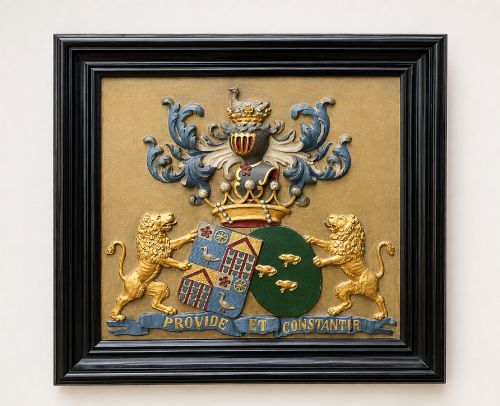
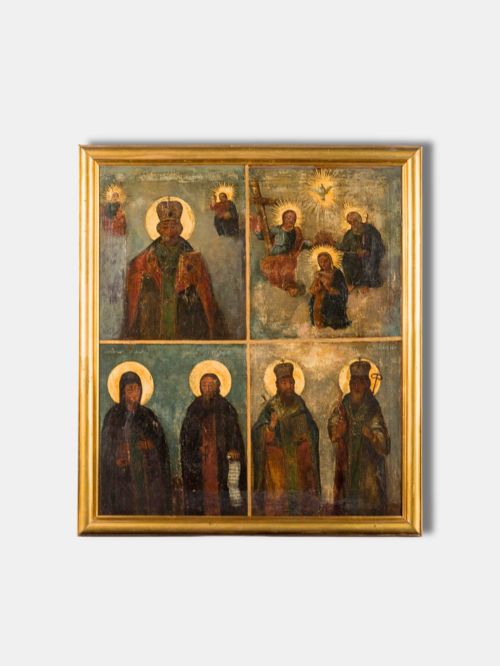
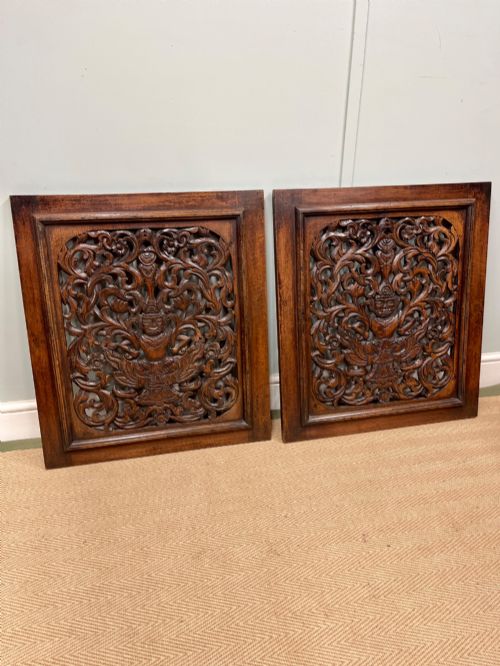
A 19th century wall panel encompasses a broad array of decorative objects including carved wooden architectural elements, oil paintings on wood boards, and framed textiles. Buyers searching this phrase encounter everything from solid oak overmantel pieces and carved walnut cupboard doors to large heraldic panels and framed silk needlework.
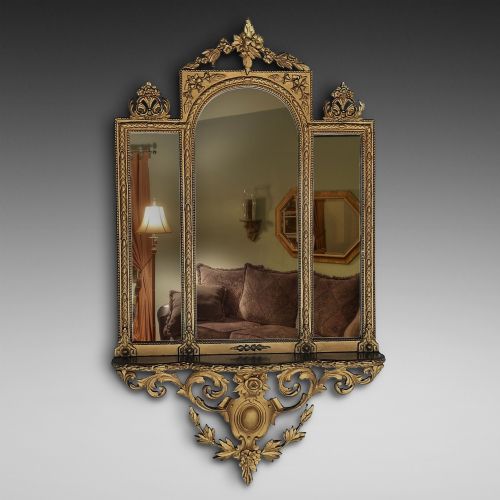
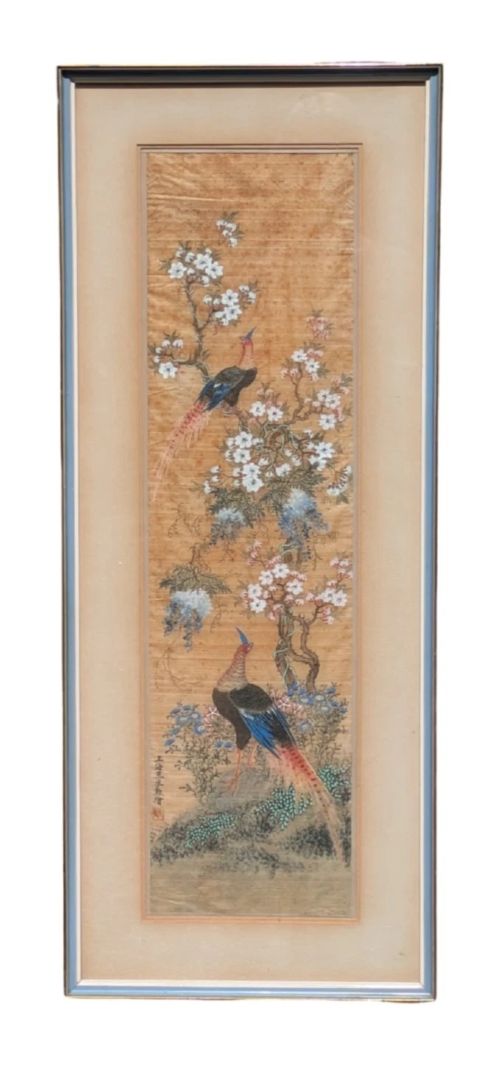
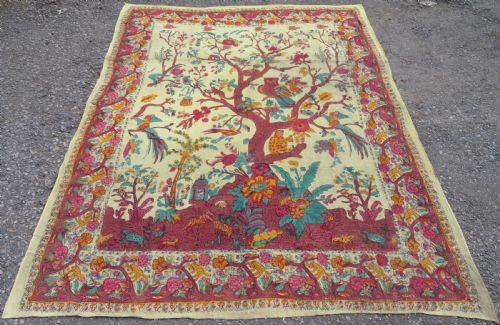
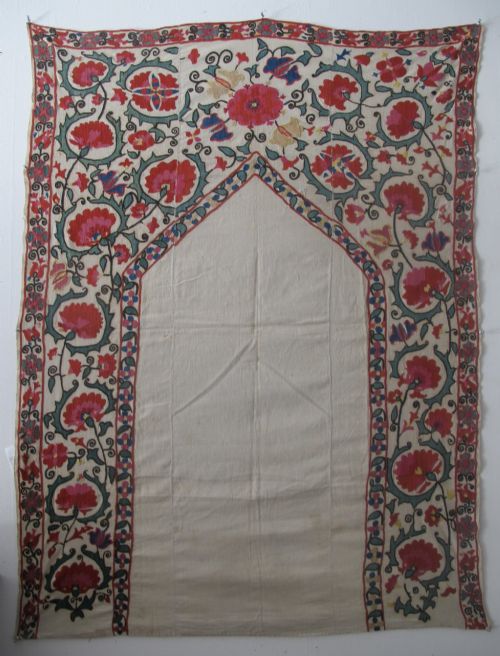
The selections span various global traditions, featuring English and European landscapes alongside Asian wall hangings, Central Asian suzanis, and French trumeau mirrors with integrated painted panels. Wooden elements often derive from architectural salvage, while fabric panels range from Berlin work needlepoints to blockprinted designs.
Most pieces date directly from the nineteenth century, reflecting Victorian, Regency, and Georgian aesthetics, though some pieces bridge late eighteenth or early twentieth century styles. The form serves primarily to decorate vertical surfaces, functioning either as standalone artwork or architectural woodwork.
Materials and construction methods
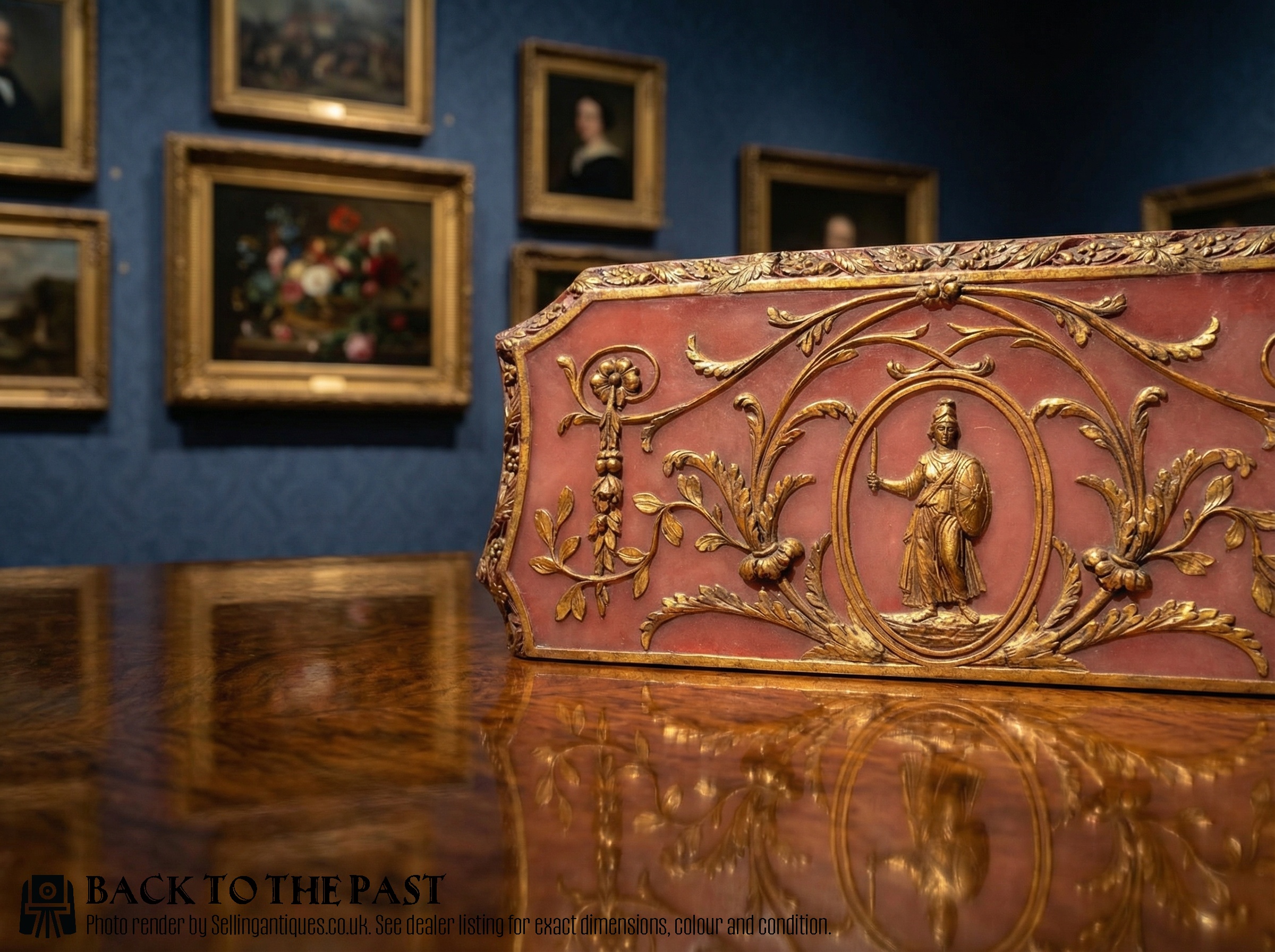
Wood serves as a primary substrate, utilising solid oak, walnut, mahogany, and padouk, often shaped through detailed carving or utilised as backing for oil paintings and boards. Artisans also employed giltwood, gold leaf, and gesso to frame mirrors and decorative panels.
Textile panels rely heavily on silk, cotton, wool, and canvas, incorporating intricate hand embroidery, needlework, and blockprinting techniques. Additional media such as oil paint, tempera, watercolour, and porcelain provide surface decoration across specific framed plaques and canvases.
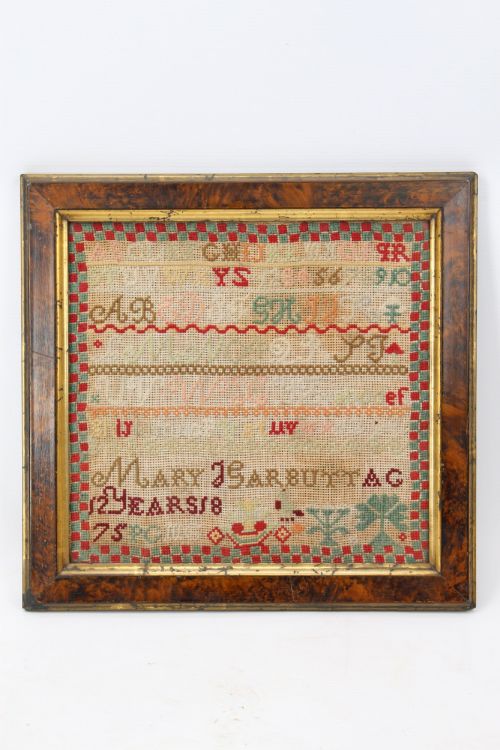
Needlework enthusiasts can admire a young maker's patience recorded in a framed sampler stitched by Mary J Garbutt at age twelve.
Evaluating craftsmanship and condition
Quality separates through the precision of the hand carving in wooden elements and the complexity of the needlework in textile pieces. Finer examples display meticulous detail in painted portraits and heraldic coats of arms, whereas simpler items show more utilitarian production.
The preservation of original surface finishes, such as giltwood frames, gold leaf, and original backing materials, heavily influences the standing of a piece. Authenticity of period materials like hand-spun silks and seasoned hardwoods distinguishes superior decorative panels from later reproductions.
Joseph Clover RA·Poix Blin·W Klombeck·Benjamin Eugene Fichel·Maud Raphael Jones
The 19th Century Wall Panel Glossary
- Trumeau
- A decorative wall mirror or panel featuring an oil painting or carved motif incorporated into the upper section. These typically mounted above mantelpieces in French interiors.
- Suzani
- A type of embroidered and decorative tribal textile from Central Asia, often created in Uzbekistan using silk thread on a cotton ground. These large panels frequently feature floral and architectural motifs.
- Intaglio
- An engraved or incised design carved into a hard stone or gypsum panel. Grand Tour examples often replicate classical antiquities.
- Pietra dura
- An artistic technique using cut and fitted polished coloured stones to create geometric or figurative mosaic panels. These hardstone inlays frequently appear in Italian decorative panels.
- Needlework sampler
- A piece of fabric embroidered with various stitches, alphabets, or pictorial motifs by a maker to demonstrate skill. Nineteenth-century examples often record the maker's age and date.
19th Century Wall Panel: Frequently Asked Questions
How were textile panels used?
Textile panels such as suzanis, needlework samplers, and silk embroideries were typically displayed on walls or used as decorative covers. They added colour, texture, and warmth to domestic spaces.
Many of these fabric works were framed behind glass or mounted on stretchers to preserve the delicate threads and historical embroidery.
How do I identify wooden wall panels?
Wooden wall panels are identified by their timber species, such as oak, walnut, or mahogany, and their carving style. Pieces often reflect Victorian, Regency, or Georgian design aesthetics.
Examination of the reverse side, tool marks, and joinery helps determine the period and whether the panel was originally part of a larger piece of furniture or architecture.
Where should I hang a panel?
These panels suit prominent interior walls where their specific medium, whether carved wood, oil paint, or embroidery, can serve as a focal point. Overmantels and main reception rooms are traditional placements.
Care should be taken to avoid placing delicate silk textiles or oil paintings in direct sunlight to protect the historical pigments and natural fibres.