

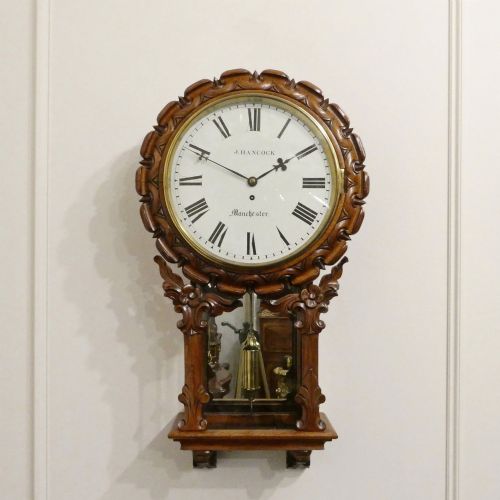
19th Century Wall Glass
When you search for 19th century wall glass, you enter a domain of opulent giltwood, architectural overmantels, and reflective depth.
19th Century Wall Glass
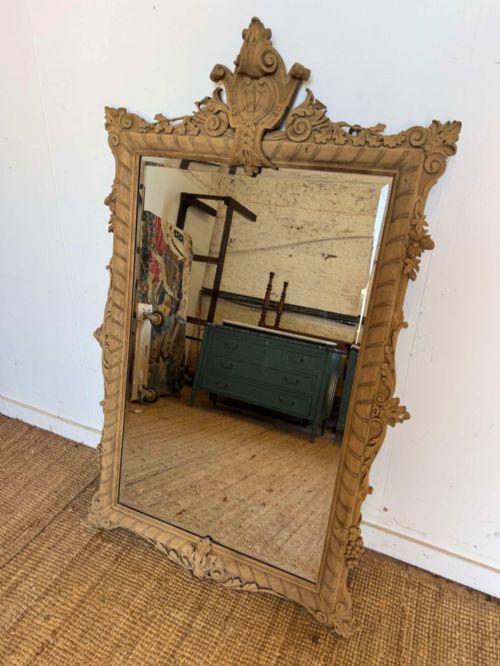
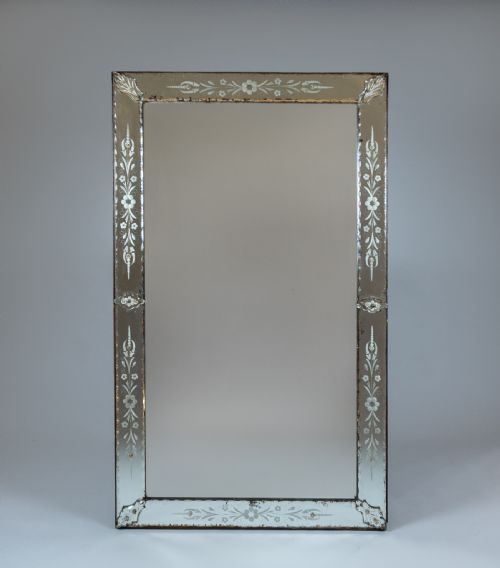
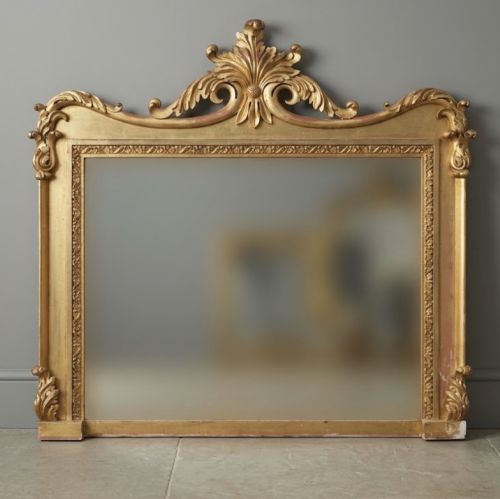
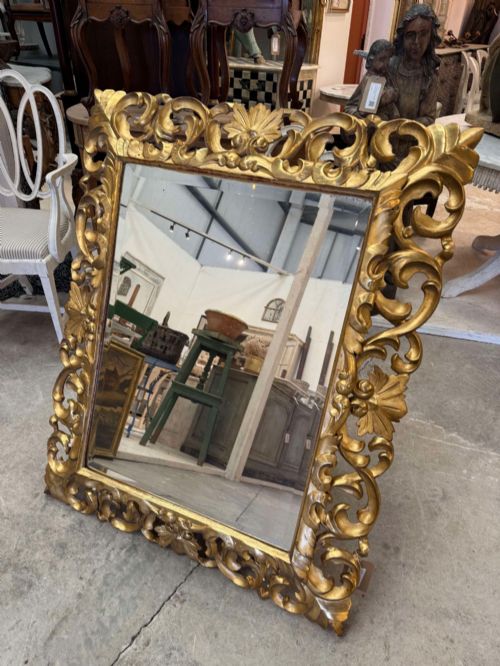
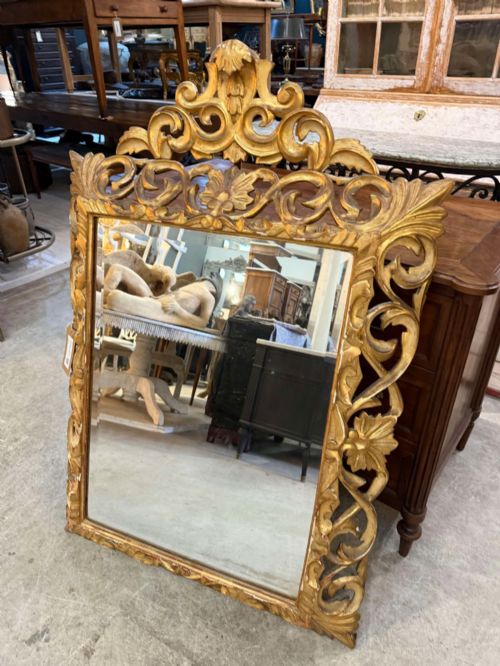
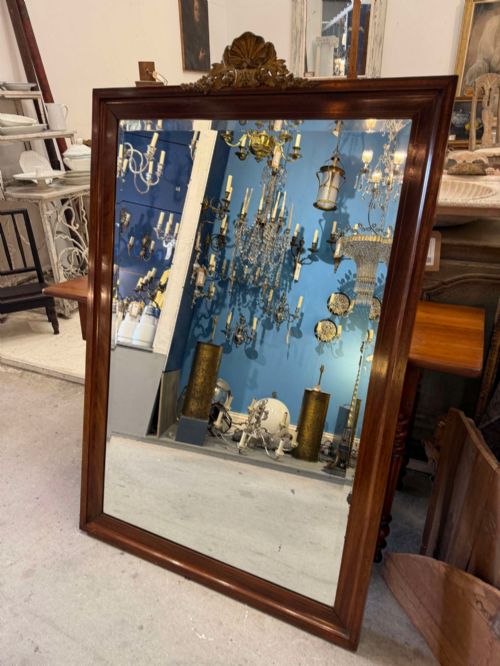
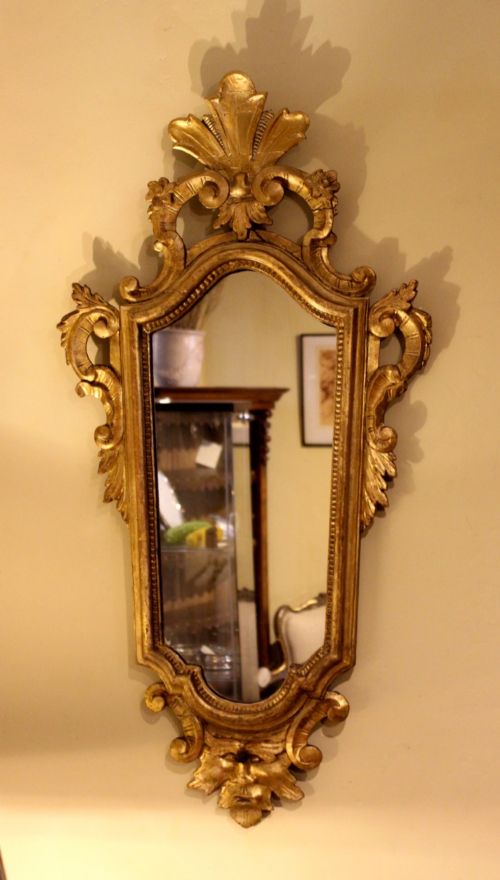
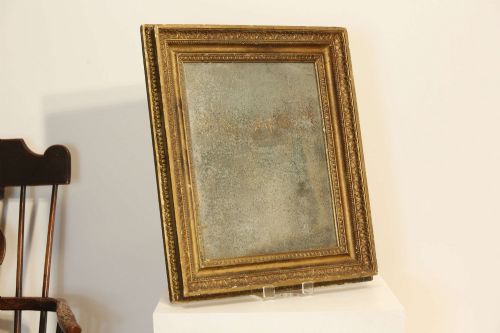
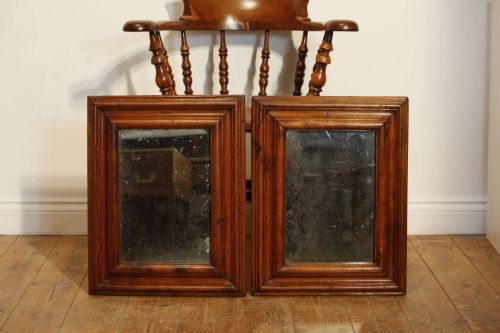
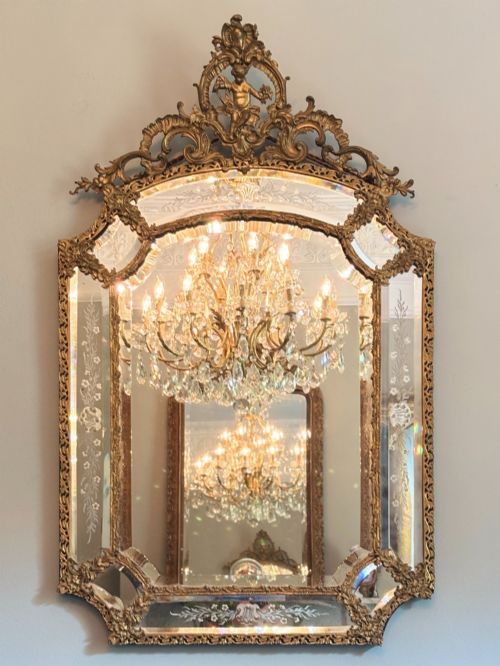
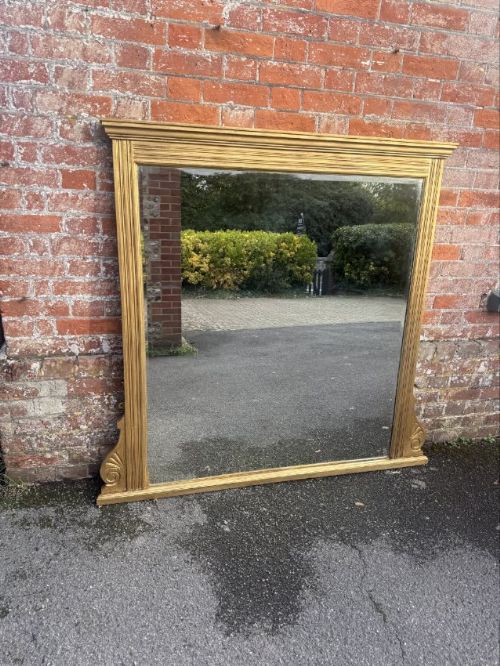
A search for 19th century wall glass reveals an array of decorative objects designed to reflect light and expand domestic interiors. These items primarily manifest as large overmantel mirrors, pier glasses positioned between windows, and tall console-associated frames.
The objects frequently display regional stylistic traits from English, French, and Italian workshops. Surviving examples encompass Victorian, Regency, and diverse revival aesthetics ranging from Rococo to Renaissance.
While mirrors dominate the classification, the category occasionally includes related reflective items such as oil paintings on glass, gilt wall sconces, and framed prints. Pieces typically date across the eighteen-hundreds, with specific iterations appearing from the eighteen-twenties through the eighteen-nineties.
Materials and Construction
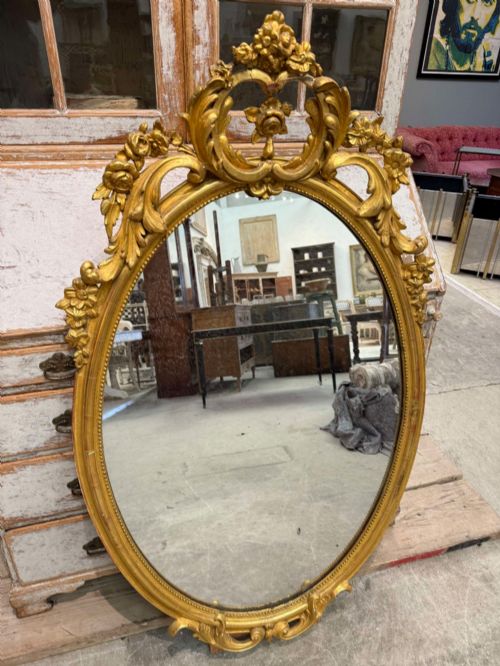
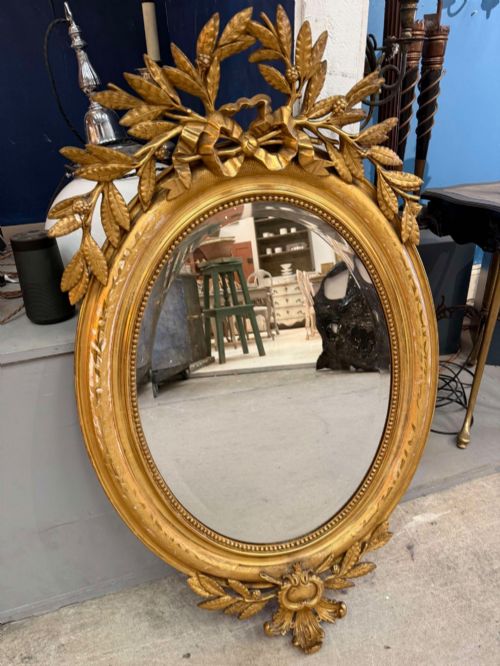
Construction relies heavily on carved timber frames fashioned from oak, walnut, or pine, which serve as the foundation for intricate ornamentation. Artisans applied layers of gesso - a chalk and glue mixture - over the wood to build up relief details before applying gold leaf or paint.
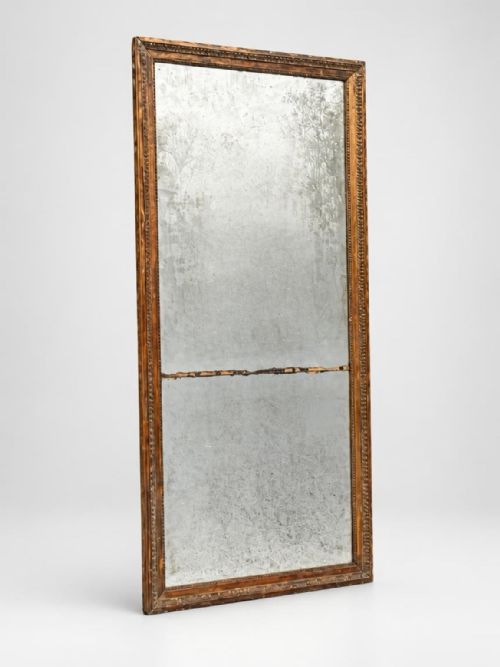
Giltwood frames frequently utilised water gilding or oil gilding techniques to achieve a brilliant metallic sheen. The reflective components themselves comprise mirror glass plates, occasionally featuring original mercury backing, foxed ageing spots, or bevelled edges.
19th Century Wall Glass Retail Price Guide 2026
Typical asking prices for 19th century wall glass among the pieces listed under this phrase on Sellingantiques today, from the lower quarter to the upper quarter. They describe what is for sale here now, not the wider market.
Freemasons evidently checked their regalia carefully, judging by the specialised Masonic mirrors tucked among the domestic overmantels.
Evaluating Quality and Craftsmanship
Distinction in these pieces rests upon the depth and crispness of the hand-carved wood and moulded gesso ornamentation. Superior examples display sharply defined relief work on foliage, rope twists, and crestings without the softening of details seen in lower-tier composition mouldings.
The integrity of the reflective surface further separates standard items from exceptional ones. Retaining original mercury plates, authentic foxing, or hand-bevelled glass indicates a high degree of preservation that enhances historical value.
Gillows Of Lancaster·Konstantin Stoitzner
The 19th Century Wall Glass Glossary
- Overmantel mirror
- A large horizontal mirror designed specifically to hang on the wall above a fireplace mantelpiece. These pieces often feature arched tops or elaborate crestings to command the chimney breast.
- Pier glass
- A tall, narrow mirror created to occupy the wall space between two windows. They frequently paired with matching console tables beneath them.
- Gesso
- A plaster-like preparation applied to wood frames to create a smooth surface for gilding and relief moulding. Artisans could carve and stamp this material once dry.
- Foxing
- The speckled brown age spots and oxidation appearing within the silver or mercury backing of older mirror glass. Collectors often prize this trait as proof of original nineteenth-century manufacture.
- Water gilding
- A traditional technique applying gold leaf over wet gesso and bole, allowing the metal to be burnished to a high gloss. This method distinguishes superior nineteenth-century frames.
19th Century Wall Glass: Frequently Asked Questions
What is 19th century wall glass?
These pieces consist primarily of decorative mirrors, overmantels, and glass-fronted furnishings produced during the eighteen-hundreds. They served both functional reflective purposes and grand aesthetic roles in period interiors.
Craftsmen utilised materials like carved wood, gesso, and gold leaf to create elaborate frames reflecting prevailing Victorian and Regency styles.
How were overmantel mirrors used?
Overmantel mirrors were mounted directly above domestic fireplaces to capture and multiply the flickering light of fires and candles. Their substantial scale helped to visually expand the proportions of principal reception rooms.
In many interiors, they anchored the decorative scheme of the room, often coordinating with pier glasses placed between windows.
How do I live with antique mirrors?
Integrating these heavy wall pieces requires secure structural fixings due to the substantial weight of carved wood and thick glass plates. Position them opposite windows or light sources to maximise illumination in modern living spaces.
Avoid placing them in direct, harsh sunlight to preserve the delicate gold leaf and historical gesso finishes over time.
How can I tell periods apart?
Regency pieces often display classical restraint, incorporating giltwood, verre eglomise panels, and architectural symmetry dating from the early decades of the century. Victorian and later revival items embrace heavier, more ornate carving, exuberant foliage, and deep gesso moulding.
Examining the frame construction, backing boards, and the chemical ageing of the mirror plate itself helps establish an accurate date of origin.