


French Trumeau Glass
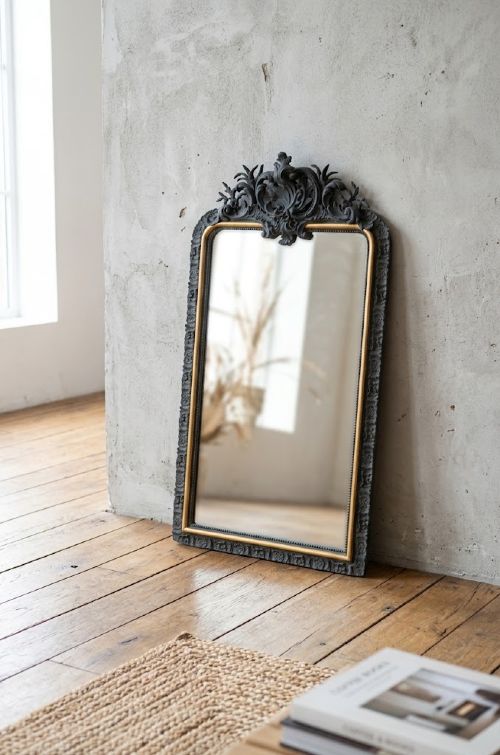
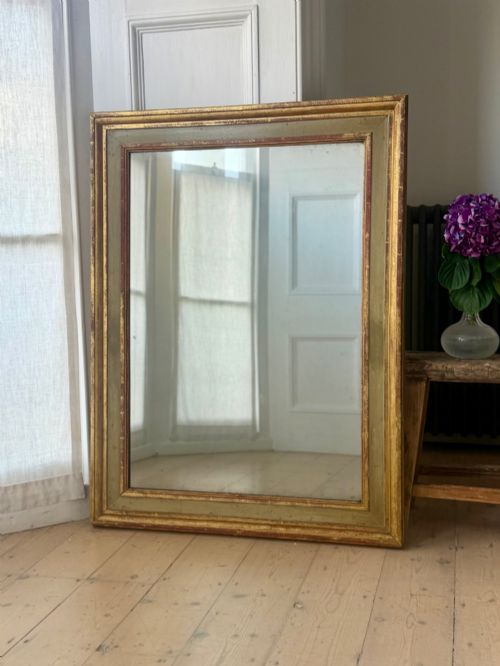
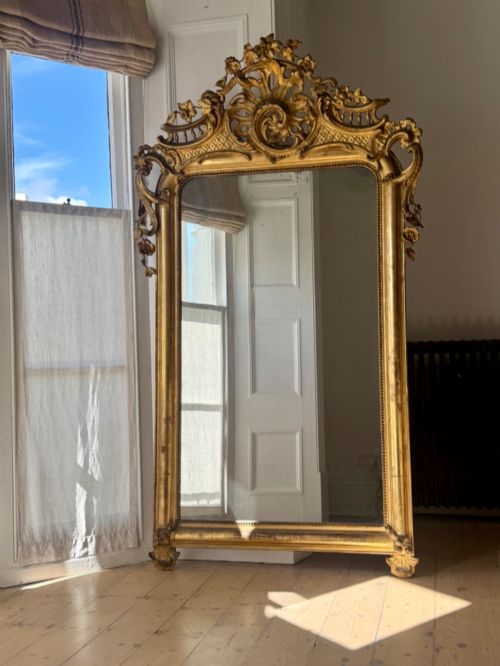
These french trumeau glass pieces bring architectural dignity and painted charm to a room, offering historic wall mirrors and console combinations.
French Trumeau Glass
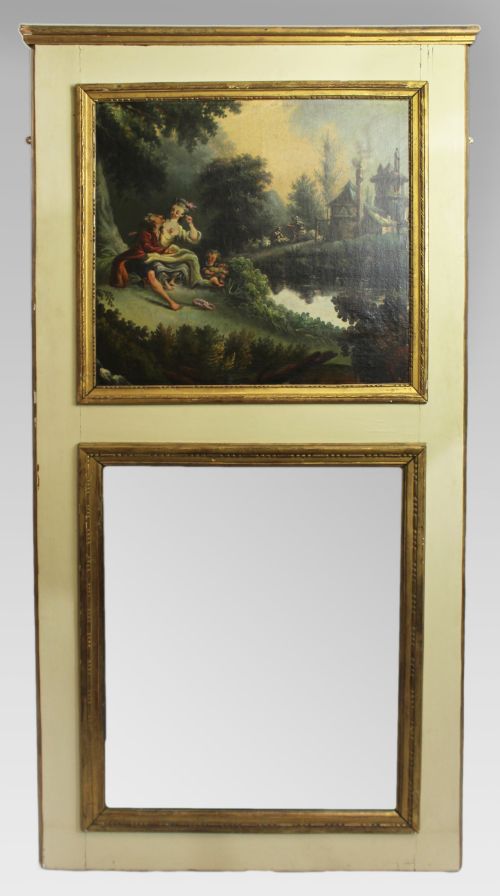
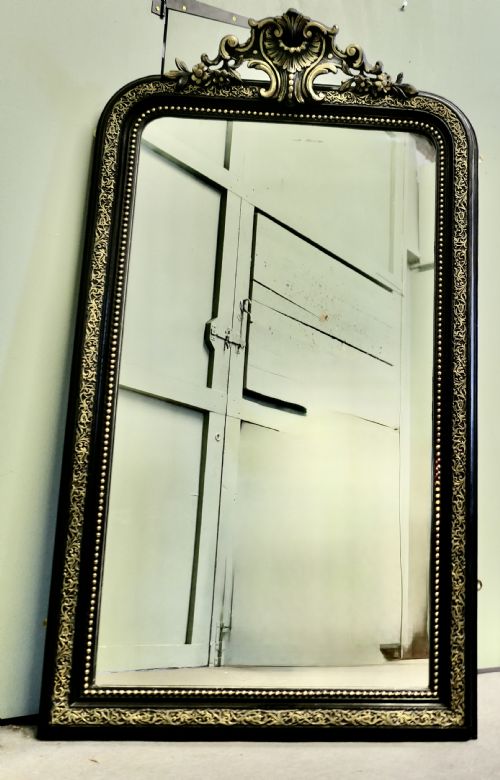
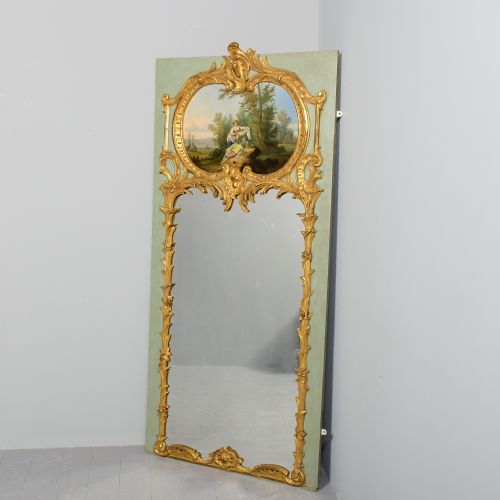
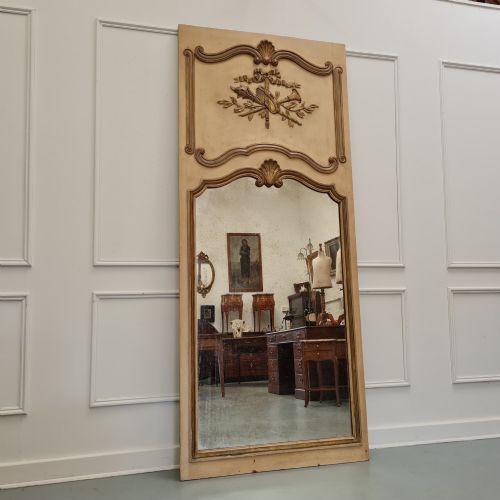
When searching for french trumeau glass, you are looking at antique wall mirrors, pier mirrors, and overmantle glasses often integrated with painted panels or pastoral oil paintings. The versions you are most likely to meet on this page hail primarily from the nineteenth century, alongside select eighteenth-century examples.
These items frequently combine a vertical mirror plate with decorative woodwork, sometimes paired directly with console tables. Styles range from French Empire and Neoclassical to Louis XVI and rustic provincial interpretations.
Originating predominantly from France, these decorative fixtures served to bounce light around grand chateaux and townhouses alike. Today they function as statement wall focal points in contemporary and traditional interiors.
How They Were Made
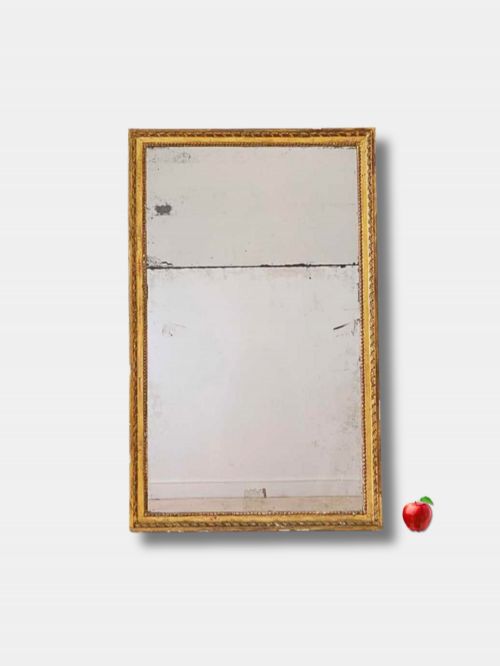
Craftsmen utilised carved wood and gesso as the foundational base for these frames, applying layers of paint, parcel gilt, or gold leaf to achieve rich decorative surfaces. Many examples incorporate original mercury glass plates, prized for their distinct mottled reflection.
The construction of a french trumeau glass often integrated architectural mouldings with upper panels containing oil paintings or eglomise glass work. Carvers worked wood by hand, producing elaborate floral motifs, classical columns, or restrained neoclassical borders depending on the period.
Listings span from the 18th century through the early 20th century, showcasing materials like mercury glass, giltwood, and gesso.
What Varies In Quality
The standard of carving and the preservation of original paint or gilding dictate the standing of a piece within the market. Finer examples display crisp hand-carved gesso details and deeply layered patination on the wooden frames rather than flat, uniform surfaces.
The integrity of the glass plate itself plays a major role in establishing the character of the object, with surviving original mercury plates carrying greater historic authenticity. Furthermore, the presence of intact pastoral oil paintings or integrated console tables elevates the complexity and ambition of the furniture.
The French Trumeau Glass Glossary
- Trumeau
- A decorative wall mirror featuring an upper panel of wood, paint, or oil painting above the glass plate. This architectural form originated in interior panelling designed for grand French residences.
- Mercury glass
- A silvered mirror glass produced by pouring a mercury amalgam behind the glass pane before sealing. It creates a dark, uneven reflection with characteristic age spots.
- Giltwood
- Timber coated with gold leaf or gold paint over a prepared gesso ground. This finish catches candlelight and natural illumination in formal rooms.
- Eglomise
- A technique where design elements are gilded and painted onto the reverse side of glass panels. It produces a glossy, reflective surface often seen in upper mirror sections.
- Pier mirror
- A tall vertical mirror designed specifically to hang on the wall space between two windows. They frequently sat above matching console tables in nineteenth-century drawing rooms.
French Trumeau Glass: Frequently Asked Questions
Where should I hang a trumeau mirror?
These tall mirrors fit naturally above a drawing room fireplace as an overmantle or positioned on a narrow wall between windows where they reflect natural light.
They also pair effectively above console tables in an entrance hall to create an immediate architectural statement upon entry.
Are the mirror plates original?
Many older pieces retain their original mercury glass plates, which display dark oxidation spots and a softer reflection than modern float glass.
Some examples have received replacement glass plates over the decades to maintain a clearer reflection for daily use.
How do I clean the painted frames?
Dust the carved gesso and painted wooden surfaces gently with a dry, soft brush to protect the historic finishes from moisture damage.
Avoid commercial chemical sprays, as older gold leaf and water-gilded surfaces are delicate and easily stripped by harsh solvents.
What is the difference between Empire and Louis XVI styles?
Louis XVI pieces typically display restrained neoclassical symmetry, delicate floral carvings, and lighter painted or parcel-gilt treatments.
Empire style items embrace heavier classical monumentality, featuring dark mahogany, bold ormolu mounts, and architectural columns.