
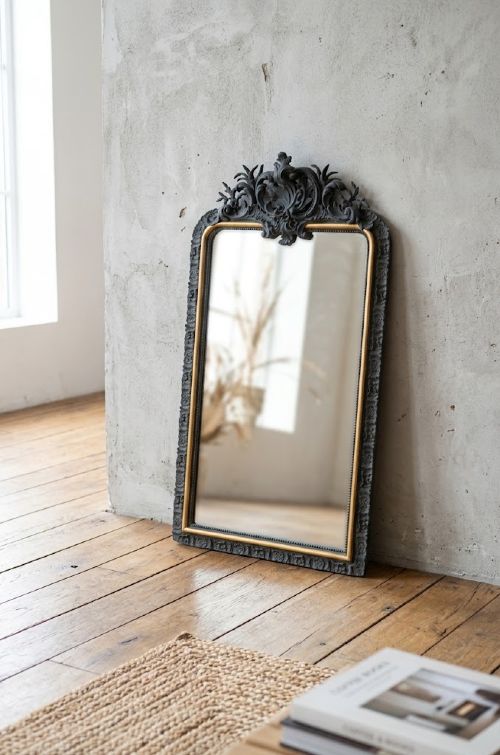
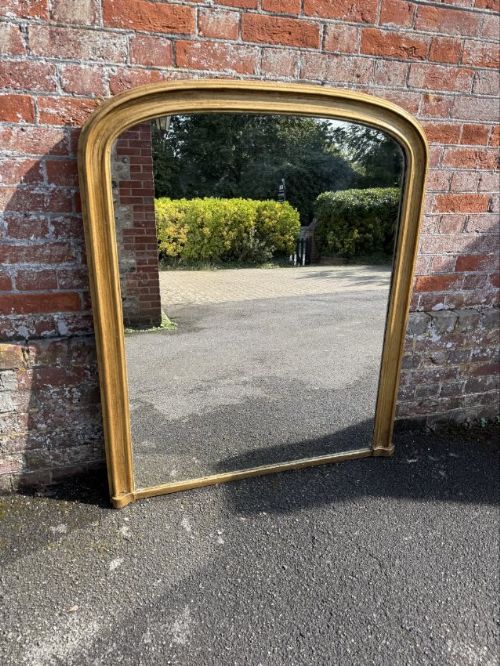
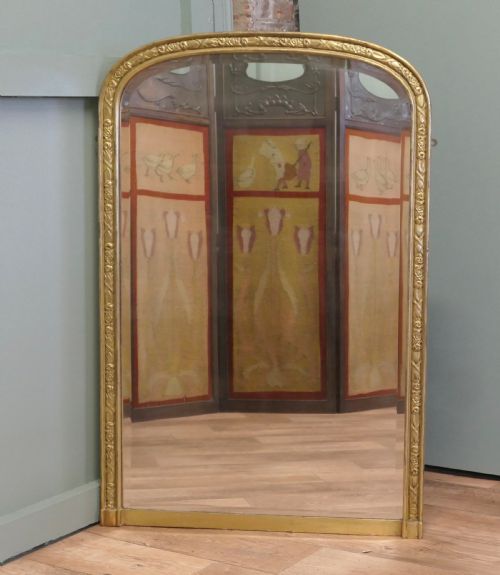


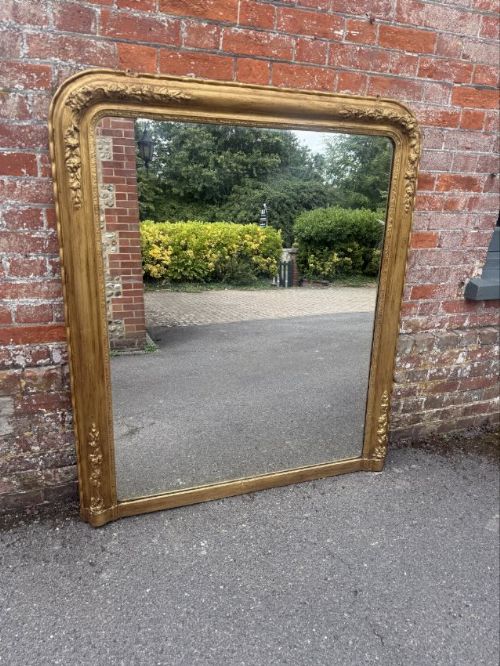
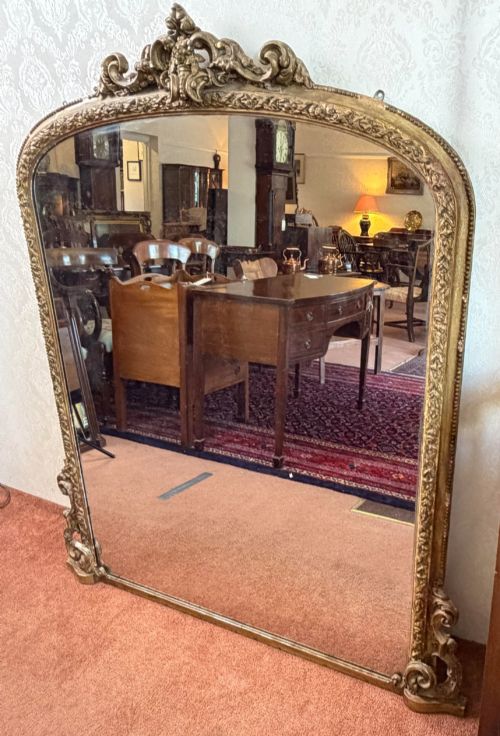
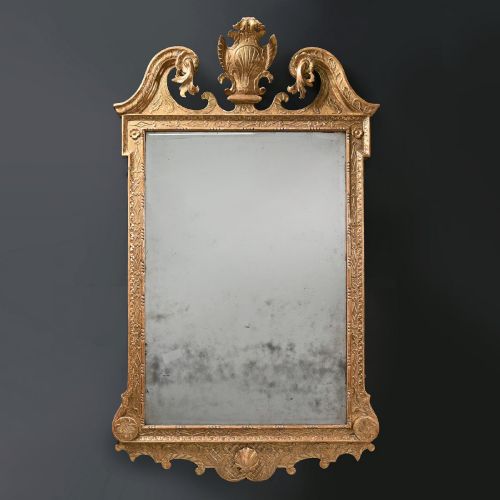
Carved Arched Wall Mirror
A carved arched wall mirror brings architectural weight and reflected light to a room, drawing the eye upwards with its curved summit.
Carved Arched Wall Mirror
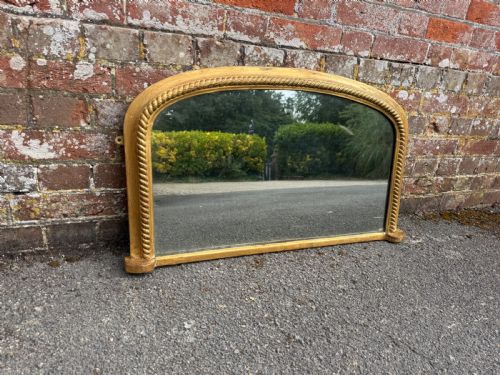
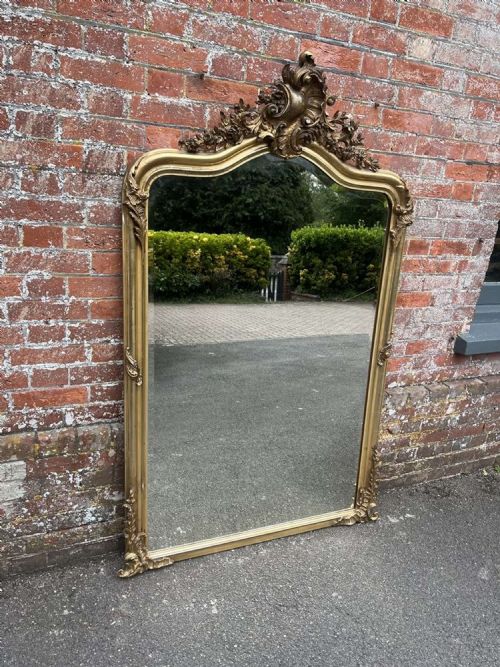
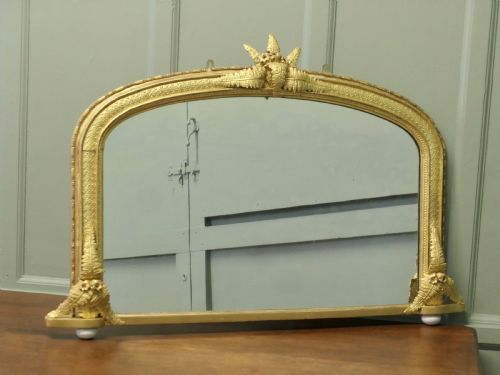
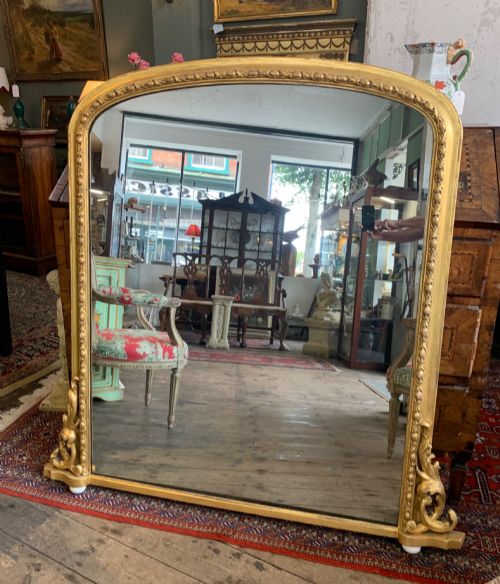
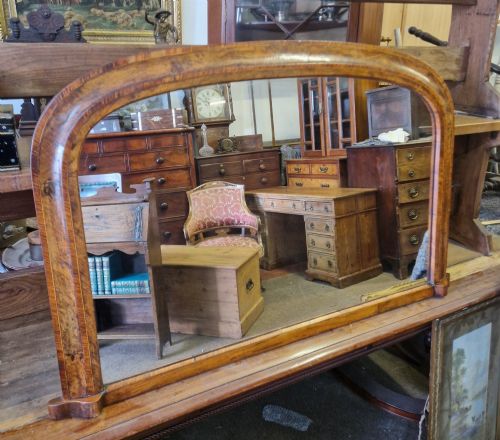
A carved arched wall mirror combines wooden frames with curved upper profiles, originating mainly in nineteenth-century English and French workshops. These pieces appear frequently as large overmantel mirrors designed to sit above fireplace surrounds, alongside tall pier mirrors and domestic wall hangings.
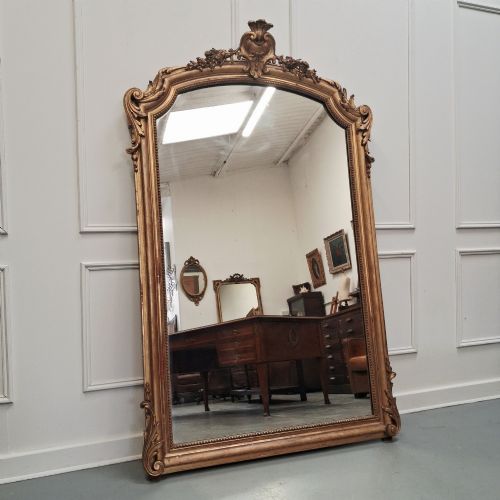
The inventory demonstrates a strong representation of Victorian and nineteenth-century examples alongside earlier eighteenth-century George II and William IV periods. Makers utilised styles ranging from Rococo Revival and French Chateau to Gothic oak and French Philippe designs, creating both restrained domestic items and monumental statement pieces.
How they were made
Craftsmen shaped the structural frames primarily from timber such as oak, walnut, and general wood substrates before applying layers of gesso. This fine plaster mixture provided a smooth ground for carving decorative elements like rope twists, ribbons, and floral motifs.
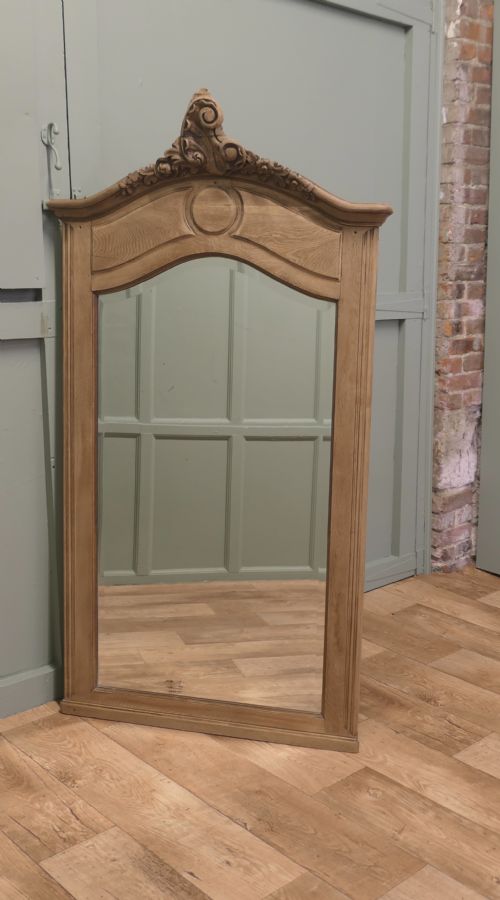
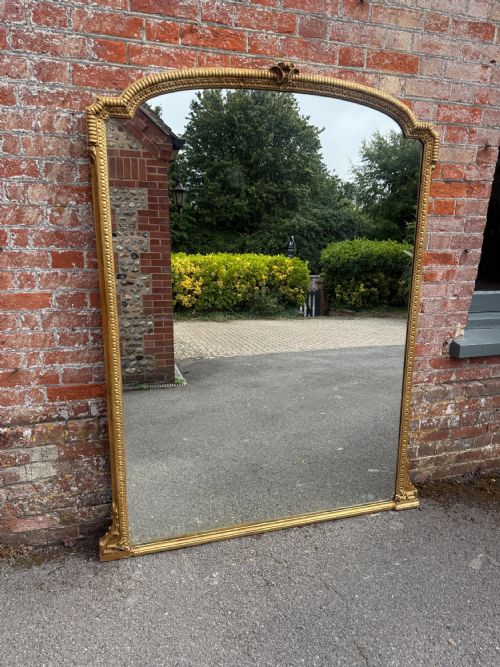
Makers finished many of these frames with gold leaf or compositional gilding, while others received painted treatments including layered lilac, ink blue, or bleached oak finishes. The reflective panels utilise traditional mirror glass set securely within these heavy, arched wooden armatures.
Materials recorded across the inventory include glass, gesso, giltwood, wood, gold leaf, mirror glass, gilt wood, and composition.
What varies in quality
The standard of a carved arched wall mirror rests on the depth and crispness of the hand-carved wooden ornament beneath the gesso layer. Superior examples retain deeply undercut mouldings, sharp ribbing, and original gilding that has aged with an even, warm metallic lustre.
Proportion and scale dictate the visual success of the piece, with finer items demonstrating balanced architectural symmetry and substantial framing that supports the height of the glass. The integrity of the original mirror plate and the soundness of the heavy wooden carcase further separate standard domestic items from monumental statement pieces.
The Carved Arched Wall Mirror Glossary
- Gesso
- A fine plaster mixture applied to wooden frames to create a smooth surface for carving and gilding. This material allows artisans to mould intricate decorative details before applying gold leaf.
- Giltwood
- Timber that has been coated with gold leaf or gilt finish. It forms the lustrous metallic surface seen on many nineteenth-century frames.
- Overmantel mirror
- A large horizontal or vertical glass designed specifically to hang on the wall directly above a fireplace mantel. These pieces frequently feature shaped or arched tops to match interior architectural lines.
- Pier mirror
- A tall, narrow glass historically placed on the wall pier between two windows. They often share the grand scale and arched profiles of large mantel pieces.
- Composition
- A moulded mixture of whiting, resin, oil and glue pressed into decorative ornaments for frames. It provided a cost-effective alternative to deep hand carving on secondary enrichment.
Carved Arched Wall Mirror: Frequently Asked Questions
Where should an arched mirror go?
These mirrors traditionally hang above fireplace mantels where their curved tops echo domestic architectural lines. They also function effectively as principal wall statements in hallways or living spaces.
Their substantial height helps draw light deep into a room while filling vertical wall space above low furniture.
How do I date an antique mirror?
Dating relies on examining the construction of the wooden frame, the composition of the gesso, and the style of the carving. Nineteenth-century pieces often display distinct Victorian or French Rococo revival motifs.
Earlier eighteenth-century examples exhibit different joinery techniques and heavier timber preparation methods compared to later Victorian production.
Are these mirrors heavy to hang?
These frames combine dense woods, thick gesso layers, and heavy glass plates, resulting in considerable overall weight. Proper wall fixings into structural masonry or studwork are essential for safe installation.
Professional hanging hardware suited to the specific weight of the mirror must be utilised to secure the heavy frame safely.
What is the difference between French and English styles?
English nineteenth-century examples frequently manifest as substantial overmantel mirrors with ribbed, rope-twist, or tulip frames designed for domestic hearths. French pieces often showcase Louis Philippe or Rococo Revival influences with taller proportions and painted or bleached oak finishes.
Both traditions utilise carved wood and gesso, but their decorative vocabularies reflect distinct regional cabinet-making preferences.