
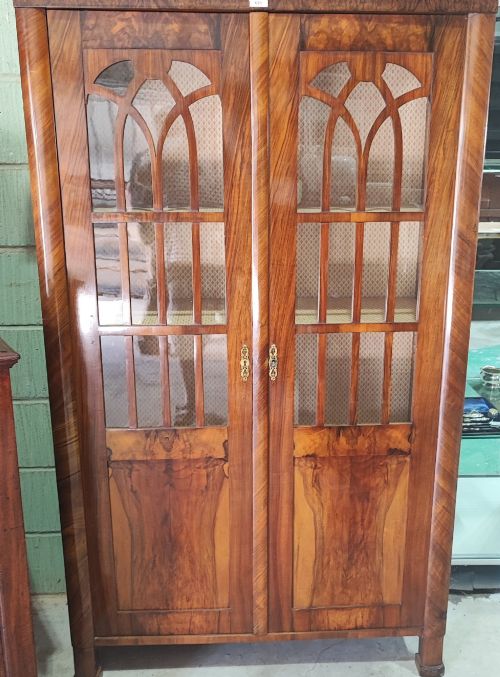
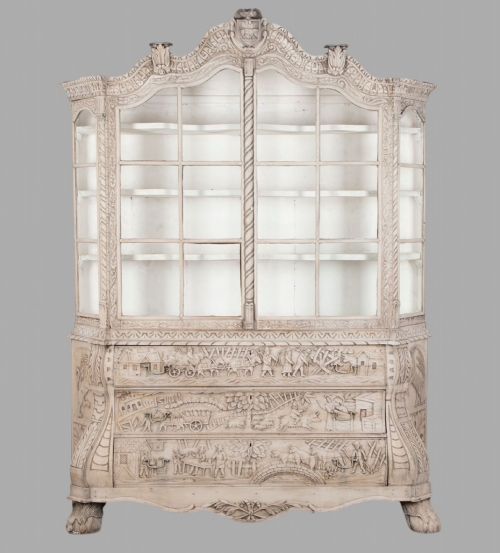
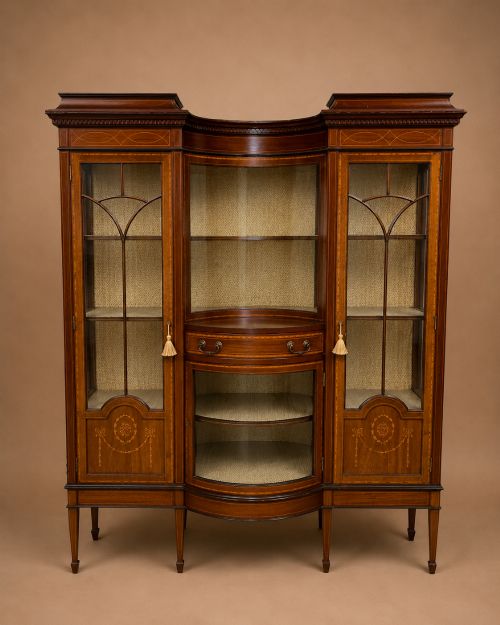
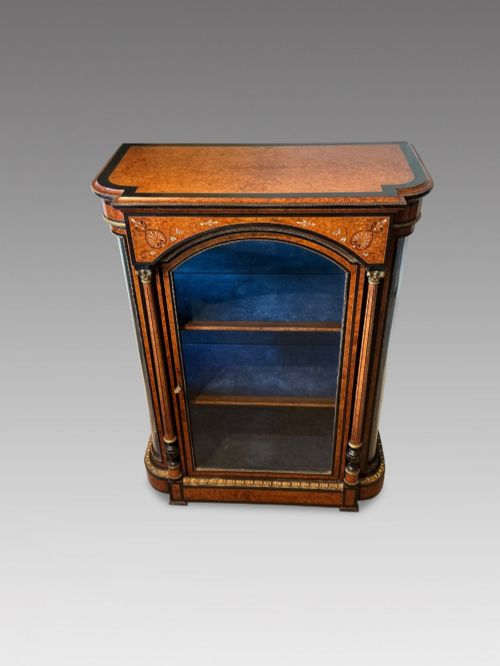

19th Century Vitrine Cabinet
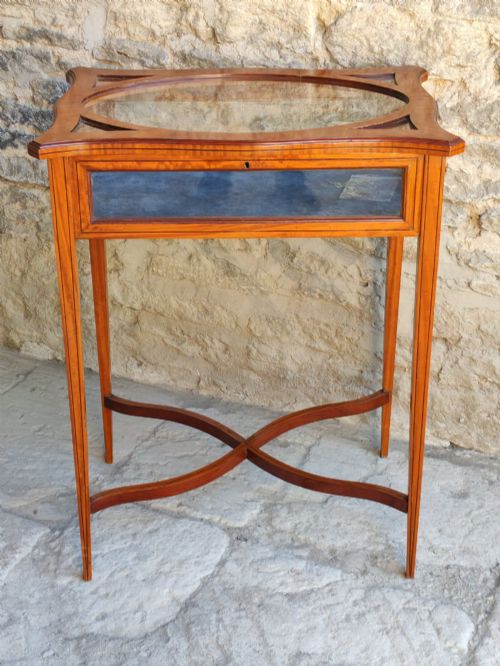
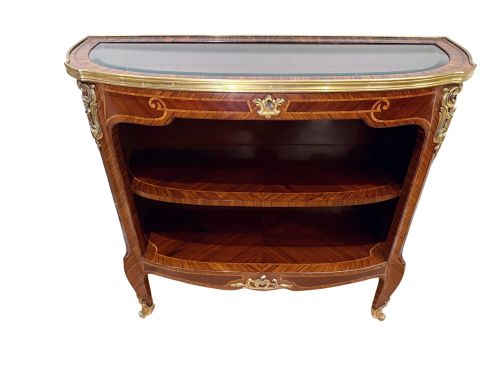
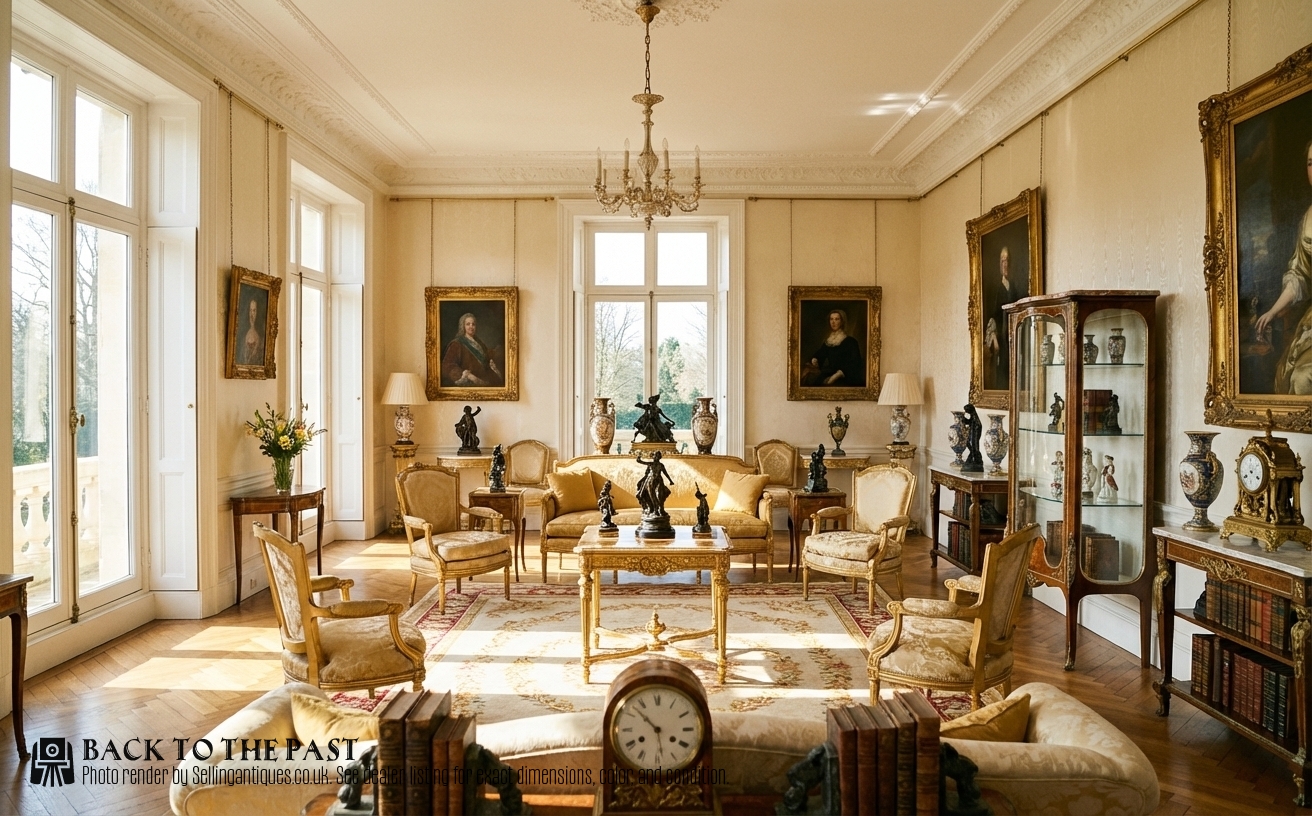
A 19th century vitrine cabinet offers glazed display space for treasured objects, bringing period elegance and craftsmanship to a room.
19th Century Vitrine Cabinet
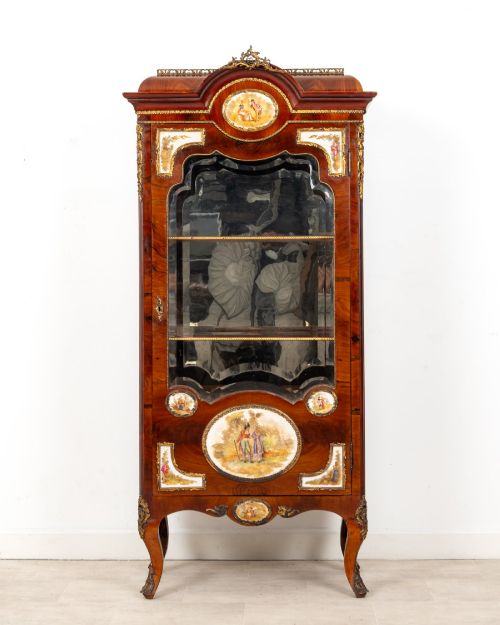
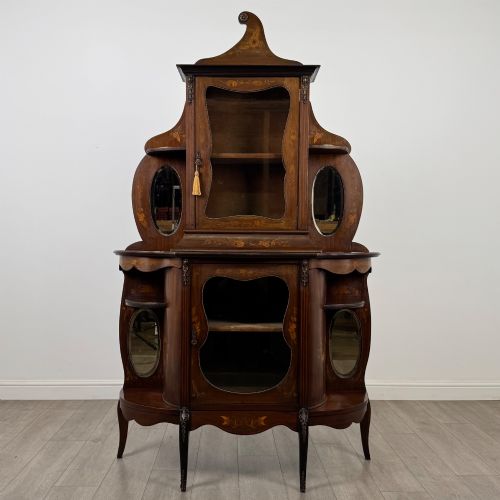
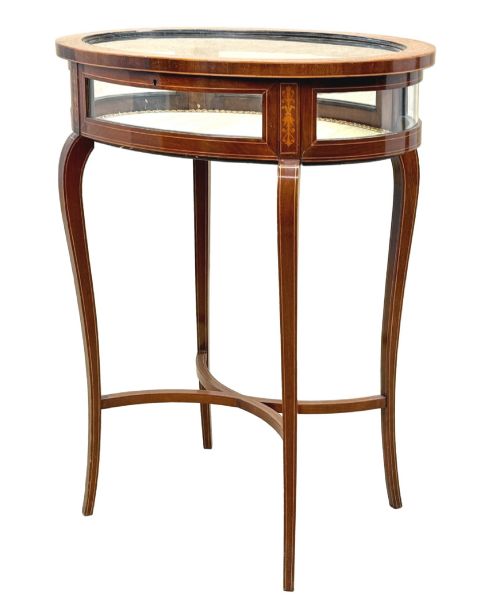
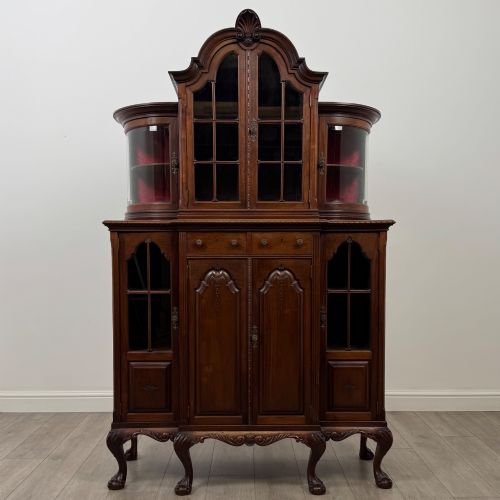
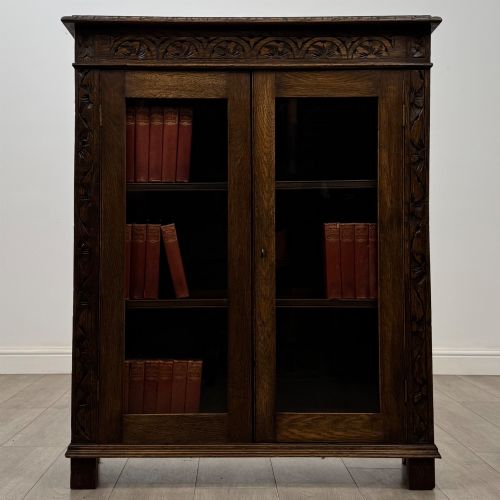
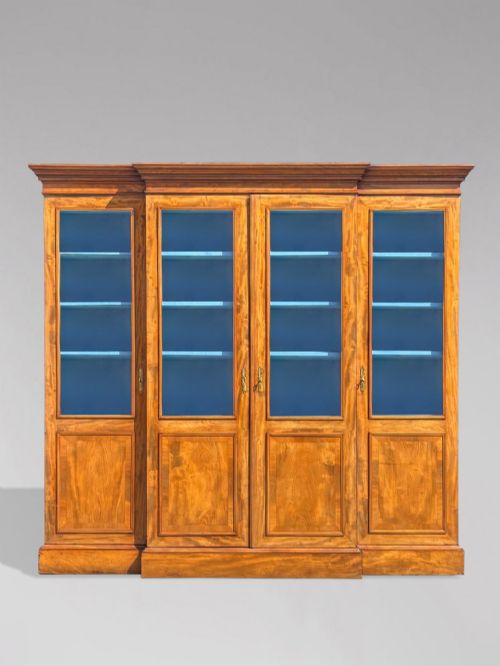
A 19th century vitrine cabinet serves primarily to display porcelain, glass or small collections behind glass doors or panels. The pieces on this page span Victorian English workshops and elaborate continental traditions, most notably French designs.
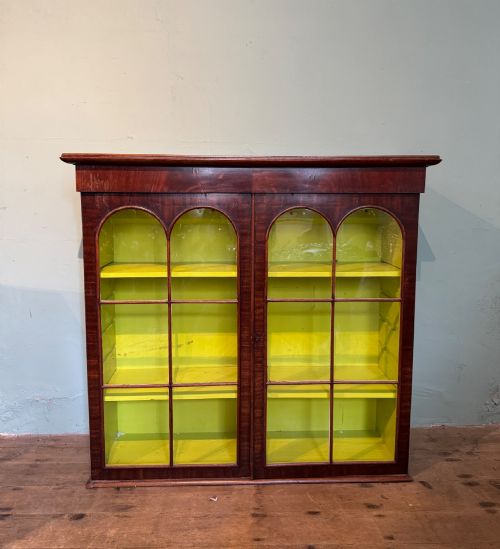
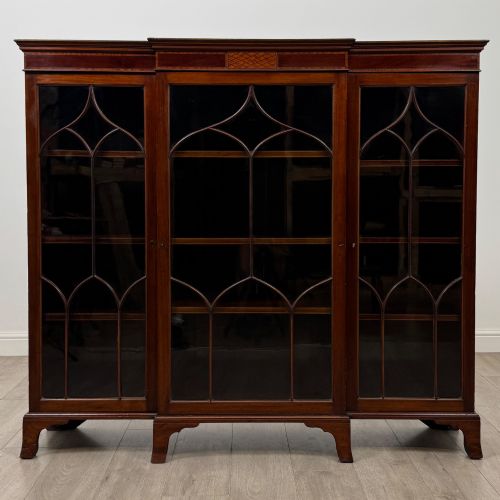
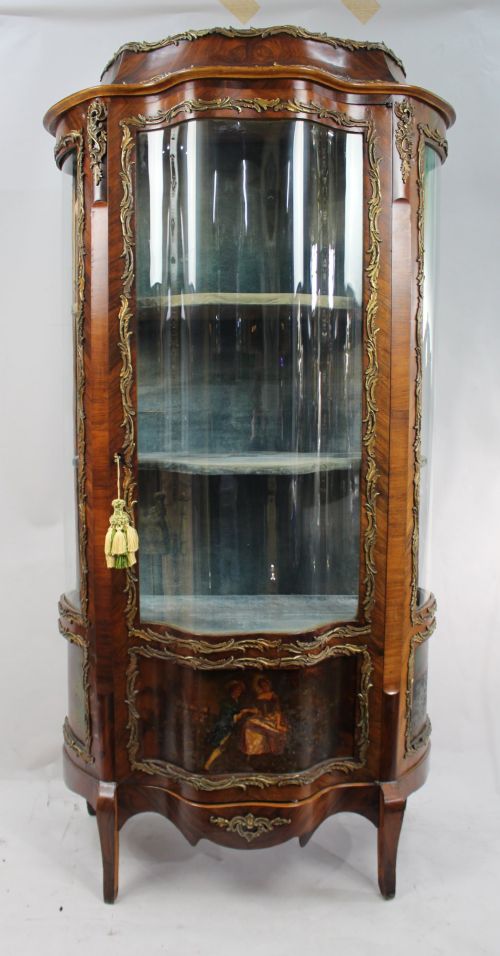
Makers utilised various formats, from upright pier cabinets and narrow wall pieces to larger freestanding bookcases and curved bowfront vitrines. Many examples incorporate glass on the sides as well as the front to allow light to reach the interior shelves.
Revival styles dominate the selection, referencing earlier periods such as Louis XV, Louis XVI, and Queen Anne. English Victorian walnut and mahogany pieces sit alongside French kingwood and marquetry vitrines fitted with marble tops.
Materials and Construction
Cabinet makers built the carcases from dense timbers like mahogany, walnut, and kingwood, frequently applying decorative veneers, satinwood banding, and intricate marquetry inlays. Secondary woods provide structural stability behind these polished exterior surfaces.
Ormolu mounts, cast in brass and gilded, accent corners, cornices, and door frames, particularly on French pieces. Vernis Martin painted panels decorate the lower sections of specific cabinets, emulating eighteenth-century lacquer techniques.
19th Century Vitrine Cabinet Retail Price Guide 2026
Typical asking prices for 19th century vitrine cabinet among the pieces listed under this phrase on Sellingantiques today, from the lower quarter to the upper quarter. They describe what is for sale here now, not the wider market.
Listings feature mahogany, walnut, kingwood, and satinwood, combined with glass, ormolu, and velvet.
Markers of Distinction
Quality shows in the selection of cabinet timbers and the precision of the parquetry or marquetry patterns. Finer pieces employ figured veneers and dense burr walnut or kingwood that wrap seamlessly around the curves of the carcase.
The weight and detail of the ormolu mounts dictate the tier of the piece. Hand-chased gilt bronze and heavy cast brass mounts indicate a workshop of higher standing than stamped or lightweight alternatives.
Glass selection influences character, with original curved or serpentine panes requiring advanced glass-blowing and cutting skills. Interior details, such as velvet-lined shelves and adjustable wooden supports, reflect the original commissioner's budget.
Jas Shoolbred·François Linke·Paul Sormani
The 19th Century Vitrine Cabinet Glossary
- Vitrine
- A glass-fronted display cabinet designed to exhibit ceramics, glass, or curiosities. The term derives from the French word for glass.
- Ormolu
- Gilded bronze mounts applied to furniture for decoration. Artisans cast and chased these metal elements to accent the corners and borders.
- Vernis Martin
- A simulated Japanese lacquer technique developed in France. It uses resin-based varnishes over painted scenes to create a glossy, decorative surface.
- Marquetry
- The art of applying small pieces of veneer to a structure to form decorative patterns. Craftsmen use contrasting timbers like satinwood and walnut to achieve pictorial designs.
- Pier Cabinet
- A low or upright cabinet designed to stand against the wall space between windows. These pieces are often narrow to fit tight architectural spaces.
19th Century Vitrine Cabinet: Frequently Asked Questions
How do I care for antique ormolu mounts?
Ormolu mounts require gentle dusting with a soft, dry brush to prevent the accumulation of dirt in recessed areas. Avoid chemical polishes, which strip the original gilding from the bronze base.
Touching the metal with bare hands leaves oils that can tarnish the surface over time. Professional conservation is necessary if deep cleaning becomes essential.
Can shelf heights be adjusted in these cabinets?
Many nineteenth-century cabinets utilise fixed wooden supports cut into the interior carcase sides. This design restricts shelf movement unless modern brackets are discreetly introduced.
Some larger bookcases and modular vitrines do incorporate rack-and-pinion or traditional wooden peg systems for adjustable shelf heights. Checking the interior construction reveals which system the maker employed.
Where should I place a vitrine cabinet at home?
Position the cabinet away from direct sunlight to protect interior fabrics and prevent timber veneers from fading or drying out. Stable room temperatures prevent the wood and glue joints from shifting.
A spot with indirect natural light highlights the glass panels and ormolu mounts without risking heat damage to the structure.