


19th Century Transferware Dish
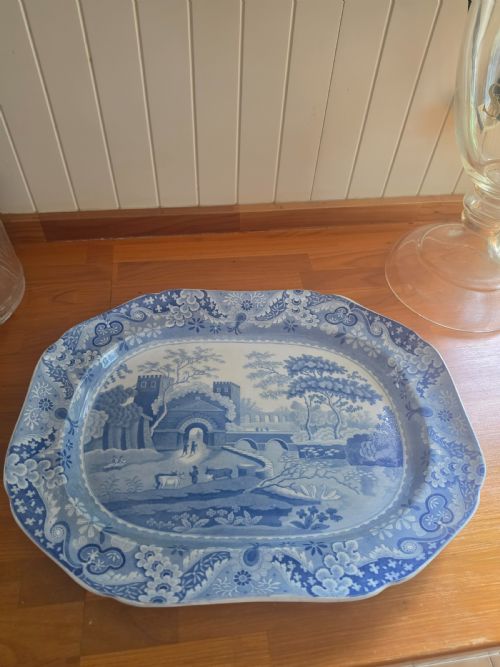
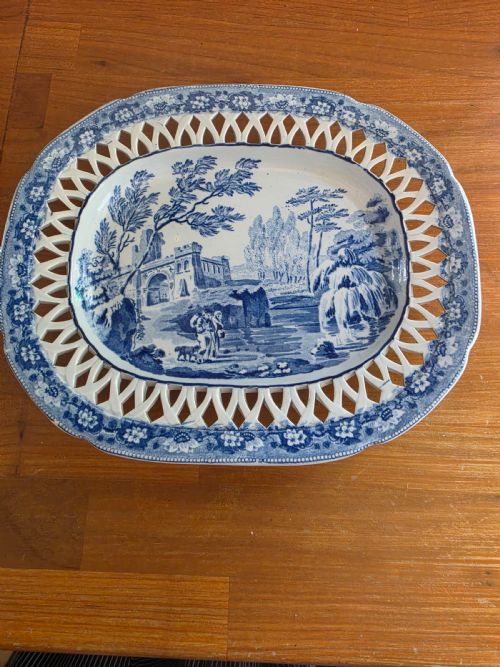
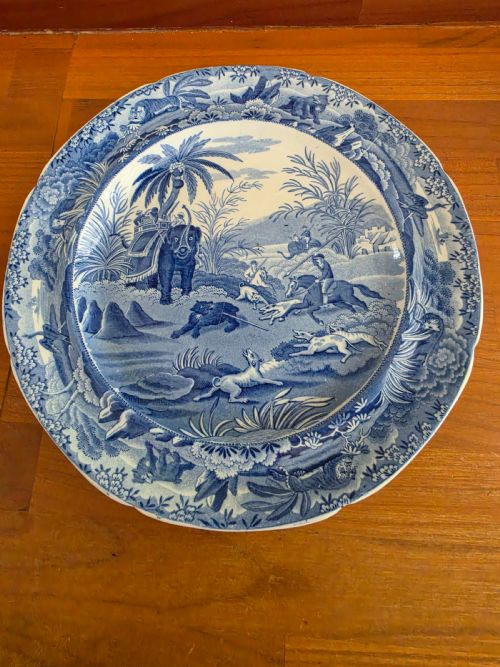
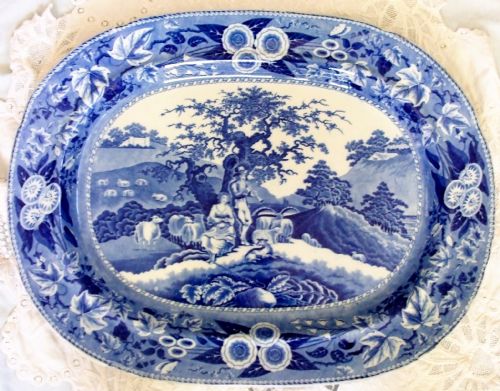
When you search for a 19th century transferware dish, you enter a world of blue and white ceramics bearing pastoral scenes, literary subjects and historical events printed from copper plates.
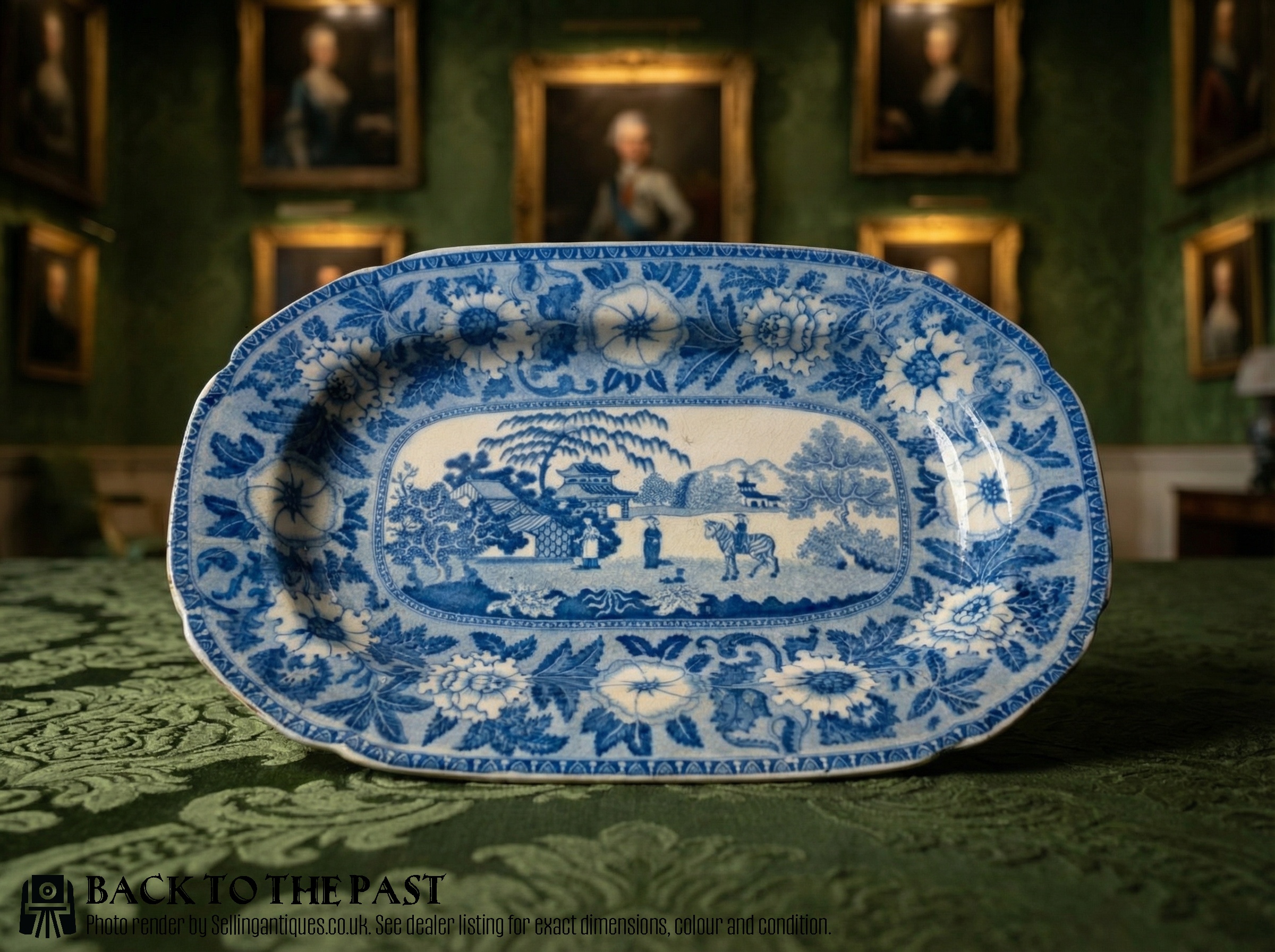
19th Century Transferware Dish
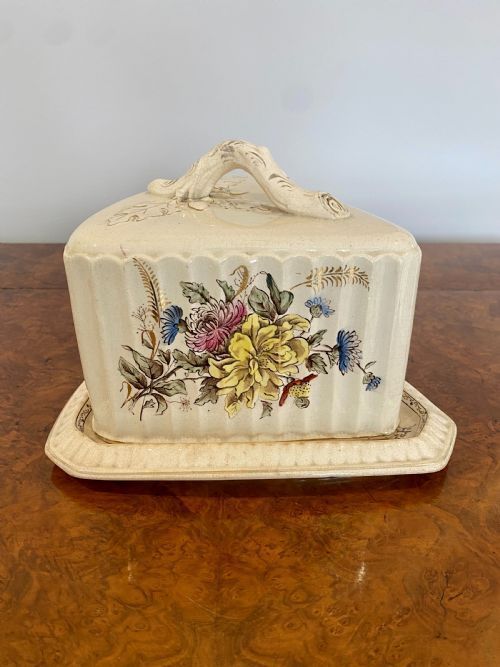
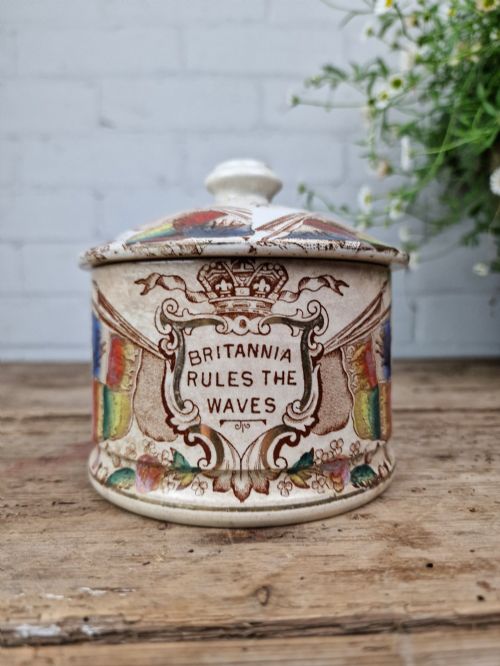
A 19th century transferware dish encompasses a broad variety of tableware including serving platters, meat plates, decorative plates, cheese dishes, and covered vessels created across the Georgian, Regency, and Victorian periods. You will frequently encounter large blue and white meat platters and dinner plates stamped with named topographical views, oriental motifs, and narrative patterns.
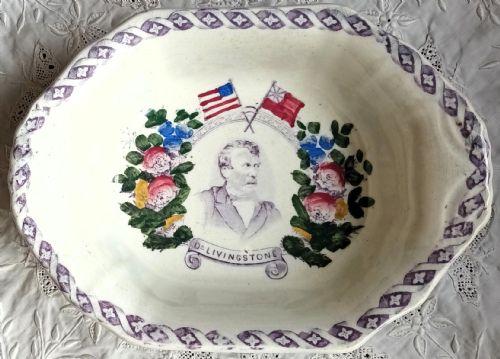
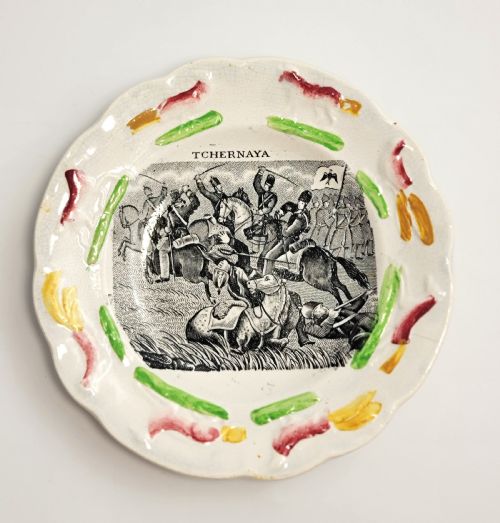
The objects originate primarily from English potteries in Staffordshire and surrounding regions, spanning the years from 1800 to the late Victorian era. Forms range from utilitarian meat plates with built-in drainers to commemorative pieces celebrating historical figures and military campaigns of the nineteenth century.
Materials and Technique
Potters shaped earthenware, pearlware, and ceramic bodies before applying cobalt pigment transfers derived from engraved copper plates onto the biscuit or glazed surface. This transfer printing technique allowed factories to produce intricate pictorial designs with a consistency that hand-painting could not match on mass-produced tableware.
Articles underwent high-temperature kiln firing beneath a clear glaze, occasionally receiving secondary enhancements of gold leaf or enamel highlights. The interaction between the fluid glaze and the cobalt pigment created the characteristic depth and tonal variations visible across the blue and white patterns.
19th Century Transferware Dish Retail Price Guide 2026
Typical asking prices for 19th century transferware dish among the pieces listed under this phrase on Sellingantiques today, from the lower quarter to the upper quarter. They describe what is for sale here now, not the wider market.
Listings feature earthenware bodies decorated with cobalt pigment and enamel highlights across the Georgian, Regency, and Victorian periods.
Standards of Production
Quality in a 19th century transferware dish rests upon the crispness of the engraved transfer print and the alignment of the pattern across complex ceramic contours. Finer examples display sharp lines without blurred pigment blur or pooling in the glaze, while lesser pieces suffer from smudged transfers and uneven kiln surfaces.
The artistic ambition of the series and the reputation of the pottery significantly influence the standing of an individual piece. Elaborate multi-figural scenes and named historical patterns executed by prominent makers command greater attention than generic floral borders applied to simple earthenware blanks.
Spode·Davenport·Minton·Copeland and Garrett·Don Pottery·Brameld and Co·John Rogers and Son
The 19th Century Transferware Dish Glossary
- Transferware
- Pottery decorated by transferring a printed design from an engraved copper plate onto the ceramic body via tissue paper. This method revolutionized ceramic decoration during the industrial era.
- Pearlware
- A refined earthenware developed in the late eighteenth century featuring a subtle bluish glaze that pooled slightly in crevices to mimic the appearance of Chinese porcelain.
- Earthenware
- Porous pottery fired at lower temperatures than stoneware or porcelain, requiring an impermeable glaze to hold liquids. It served as the primary body for nineteenth-century domestic table wares.
- Cobalt Pigment
- A metallic oxide used to achieve the deep blue coloration characteristic of traditional transfer-printed ceramics. It remained stable under the high temperatures required for glazing.
- Platter
- A large flat serving dish designed for presenting meat or joints at the dining table. Nineteenth-century versions frequently included recessed channels or separate drainers to catch juices.
19th Century Transferware Dish: Frequently Asked Questions
How do I clean a transferware dish?
Wash these ceramics gently by hand using warm water and a mild detergent, avoiding abrasive scouring pads that can damage the historical glaze. Dishwashers subject antique earthenware to thermal shock and harsh chemicals that will dull the transfer print over time.
Dry the pieces thoroughly with a soft cloth before storing them on edge in a plate rack or with felt separators between stacked items. Proper handling preserves the fragile edges and prevents unnecessary chipping on the earthenware body.
Can I use these dishes for serving food?
Many collectors continue to use nineteenth-century tableware for special dining occasions, as the fired glaze creates a functional surface for serving dry foods and cooked meats. Consider the condition of the glaze and any historical hairline cracks before exposing older earthenware to hot liquids or acidic foods.
Modern culinary practices involve thermal changes that can stress nineteenth-century ceramic bodies that survived over a century of careful stewardship. Displaying them on walls or using them primarily for decorative storage offers a safer alternative for delicate pieces.
How are different periods identified?
Distinguishing between Georgian, Regency, and Victorian pieces relies upon stylistic cues within the transfer border, the composition of the ceramic body, and impressed factory marks. Earlier wares often utilise pearlware bodies with rich cobalt prints, whereas late Victorian examples incorporate broader colour palettes and denser decorative schemes.
Examining the foot ring and the back of the dish frequently reveals registry diamonds or maker ciphers that date the exact year of production. Cross-referencing named pattern titles with known factory production periods helps narrow down the decade of manufacture.
What caused the blue colour variation?
The shade of blue on transfer-printed ceramics varied according to the chemical composition of the cobalt oxide, the thickness of the glaze, and the temperature inside the kiln. Potters experimented constantly with flux mixtures to achieve darker cobalt tones or softer powder-blue effects across different production batches.
Hand-mixing the pigment and variations in the paper transfer process meant that no two firings yielded identical colour saturation. These subtle tonal shifts contribute to the individual character found within matching sets of nineteenth-century tableware.