
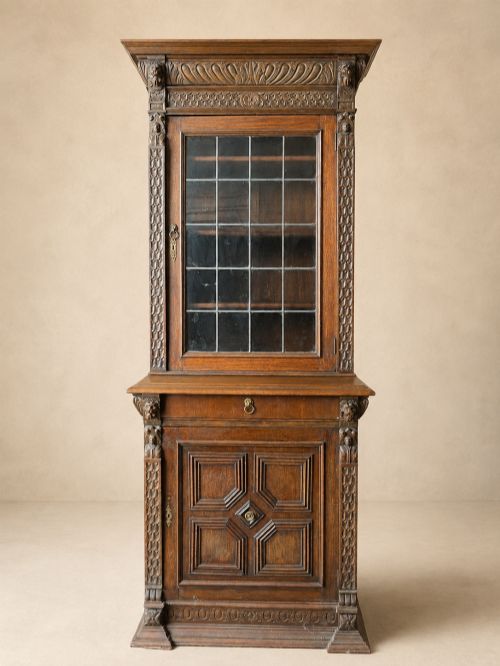
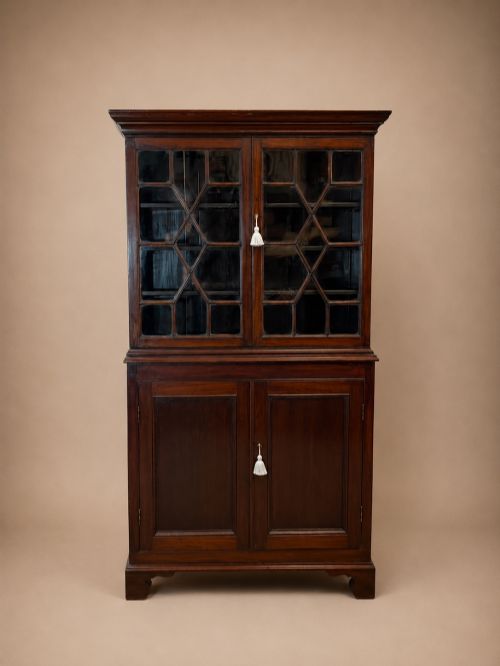
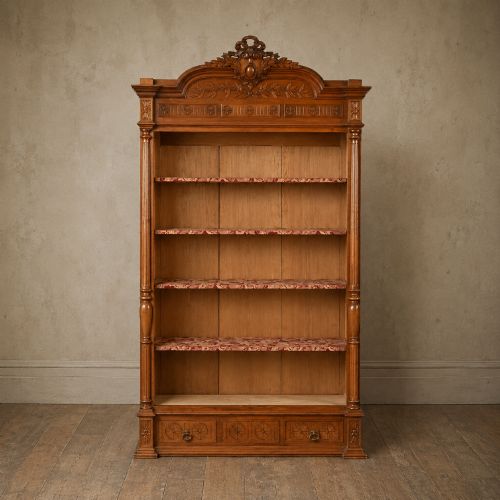
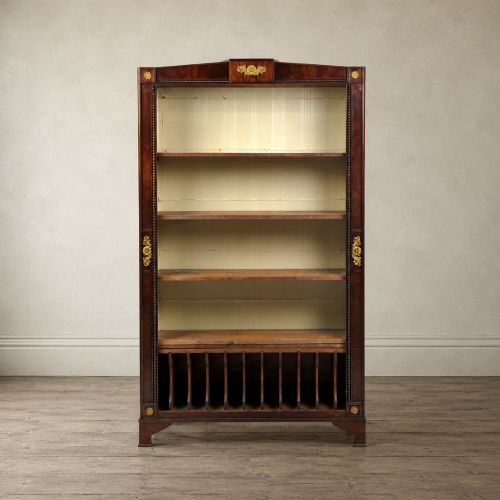

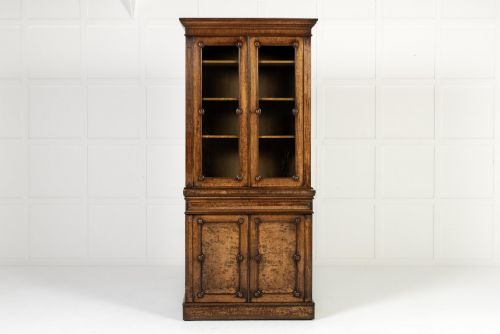

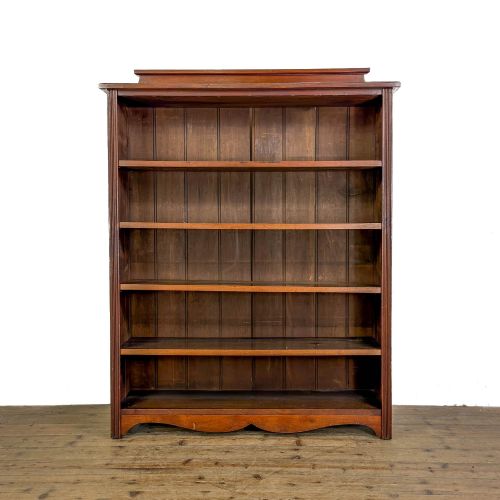
19th Century Tall Bookcase
A 19th century tall bookcase brings architectural presence and vertical storage to a room, offering sturdy housing for a substantial library.
19th Century Tall Bookcase
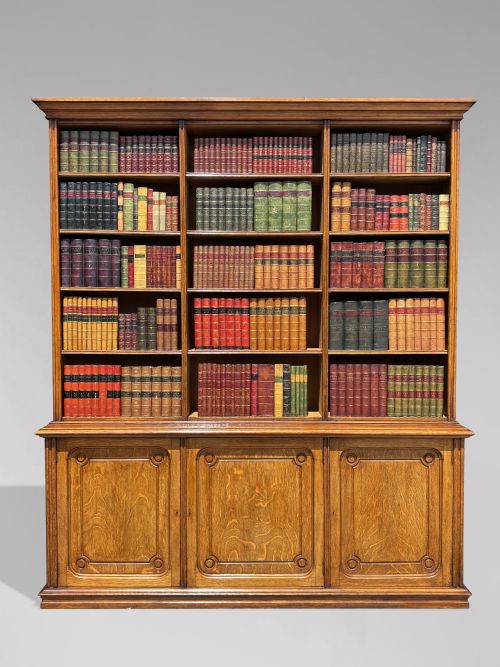
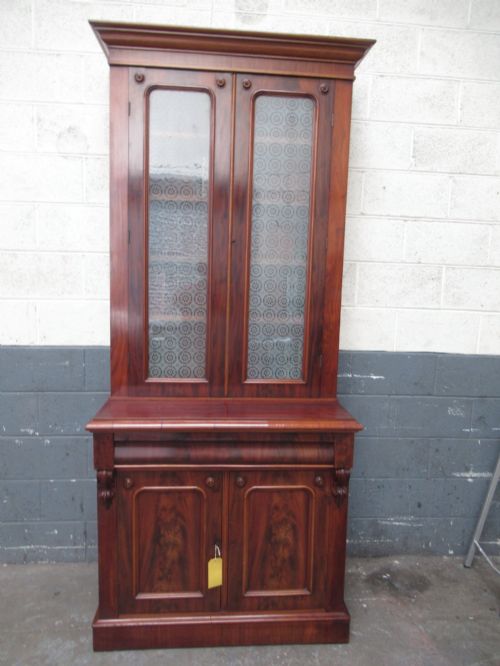
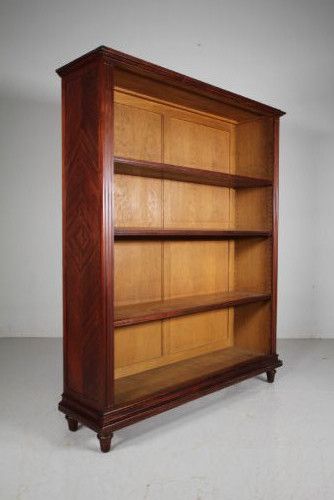
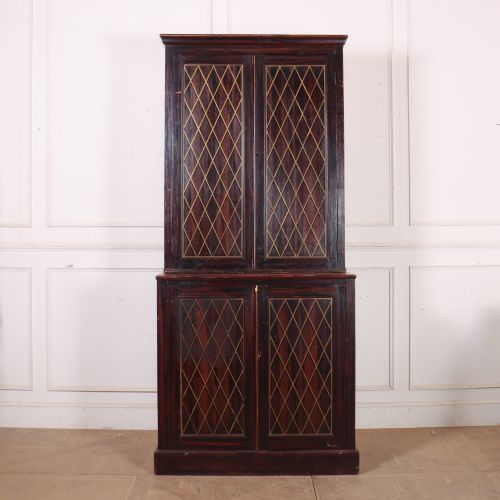
A 19th century tall bookcase is a substantial piece of furniture designed to utilise vertical wall space for storing books and displaying collections. The selections available encompass open shelf designs, glazed cabinets, and fitted secretaire bureaus from various decades of the 19th century.
Most examples you encounter stem from the Victorian and Regency periods, utilising timber frames built to house expanding home libraries. Forms range from narrow slimline bookcases to large library units, incorporating continental and English regional styles.
The layout often combines lower closed cupboards with upper open shelving or glass-fronted doors, offering both concealed storage and visible display space. Woods span from traditional mahogany and oak to decorative rosewood, walnut, and pine.
How They Were Made
Cabinet makers built these pieces using solid timbers and decorative veneers like mahogany, oak, walnut, and rosewood over sturdy pine or oak carcases. Construction relied on traditional joinery methods, with dovetailed drawer boxes and mortise and tenon joints ensuring long-term structural stability.
Glazed doors utilised individual timber glazing bars to hold glass panes securely, while brass hardware, ormolu mounts, and fabric linings provided interior and exterior decorative detail. Surfaces were typically polished, waxed, or carved with styles ranging from plain Regency lines to elaborate Renaissance Revival motifs.
The listings span the 19th century, featuring woods like mahogany, oak, walnut, rosewood, and pine alongside glazed and open configurations.
What Varies in Quality
The hierarchy of quality rests on the choice of timber and the precision of the cabinetmaker's joinery. Superior examples employ finely figured veneers or dense solid hardwoods with hand-cut dovetails, whereas lesser pieces use simpler pine carcases and standard mechanical assembly.
Refinement in carving, the presence of original brass or ormolu hardware, and the integration of adjustable shelving distinguish high workshop production. The balance of proportions and the crispness of applied mouldings separate standard utilitarian furniture from exceptional library pieces.
Howard & Sons·Marsh & Tatham
The 19th Century Tall Bookcase Glossary
- Secretaire bookcase
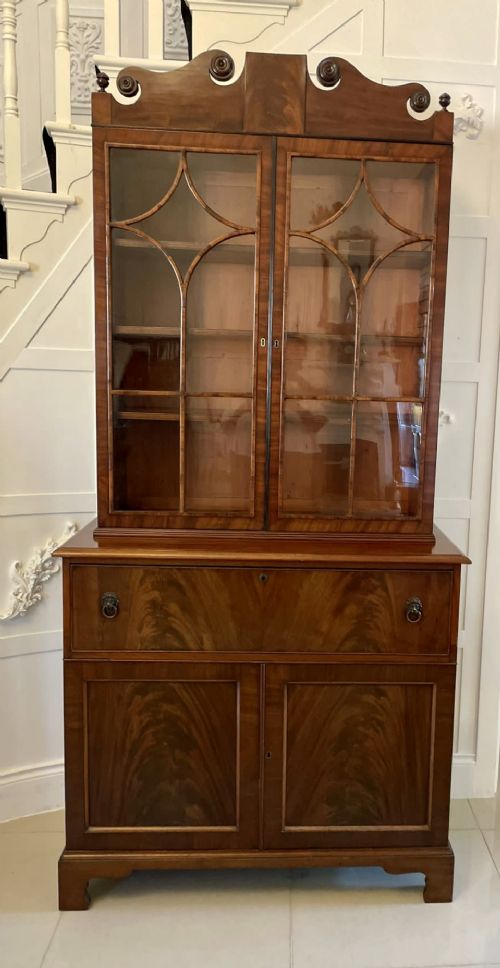
- A cabinet featuring a pull-out writing drawer with a drop-front desk surface, concealed pigeonholes, and small drawers, positioned beneath upper bookshelves.
- Glazed bookcase
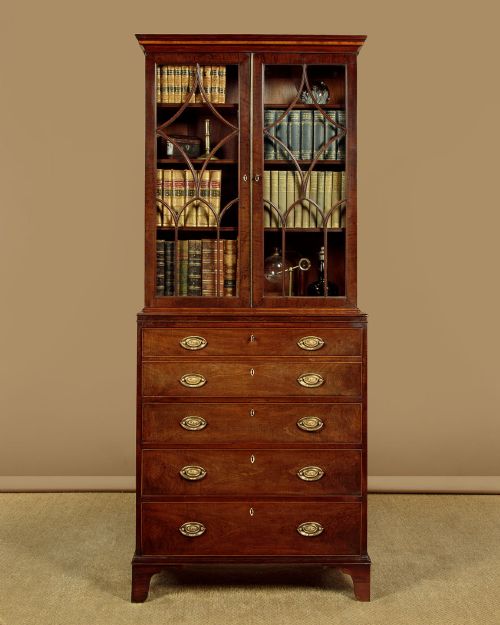
- A storage unit with glass-paned doors that protect books from dust while allowing them to remain visible for display.
- Open bookcase
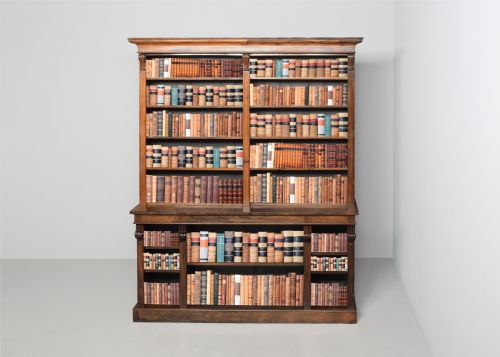
- A shelving unit without doors, designed for immediate access to books and frequently utilised in large libraries.
- Ormolu
- Gilded bronze mounts and decorative trimmings applied to the exterior of furniture frames.
- Pollard oak
- Timber taken from the top growth of pollarded oak trees, displaying distinctive cluster grain patterns used for decorative veneering.
19th Century Tall Bookcase: Frequently Asked Questions
What is a secretaire bookcase?
A secretaire bookcase combines a traditional bookshelf top with a pull-out desk drawer containing small compartments and a writing surface. This dual purpose made them popular for studies and parlours where space was limited.
The drop-front drawer conceals the writing stationery when not in use, maintaining the clean lines of a standard cabinet while offering practical workspace.
How do I tell Victorian from Regency bookcases?
Regency pieces, dating from the early decades of the 19th century, typically display classical influences with restrained lines, brass inlay, and dark mahogany. Victorian examples tend to be heavier, incorporating richer carved details and varied woods like walnut and oak as industrial production expanded.
Looking at the construction methods, door styles, and secondary timbers helps determine whether a piece belongs to the earlier Regency era or the later Victorian decades.
Are shelves adjustable in antique bookcases?
Many taller 19th century bookcases feature adjustable shelving systems utilising wooden ratchets, metal pins, or sliding grooves. This flexibility allowed owners to accommodate books of varying heights within the same cabinet.
Checking the interior walls reveals the mechanism used, which can range from simple traditional wooden notches to later metal track systems.
Where were tall bookcases used?
Tall bookcases were designed primarily for libraries, studies, and drawing rooms in large townhouses and country homes. Their height maximised the vertical wall space available for growing personal book collections.
In modern homes, they serve a similar function in living spaces or home offices, anchoring the room while providing substantial storage capacity.