

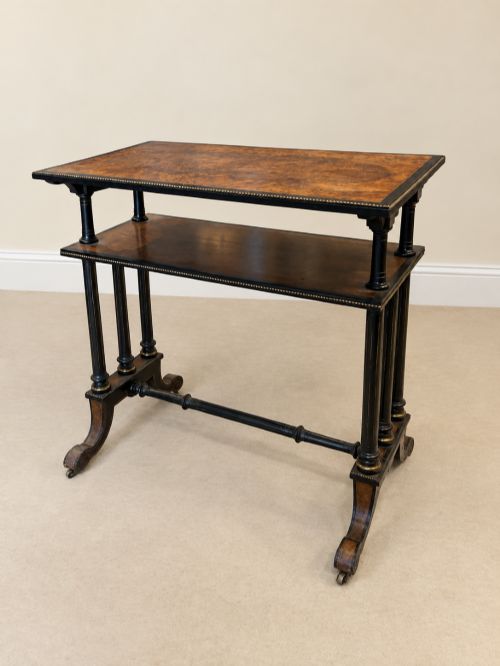
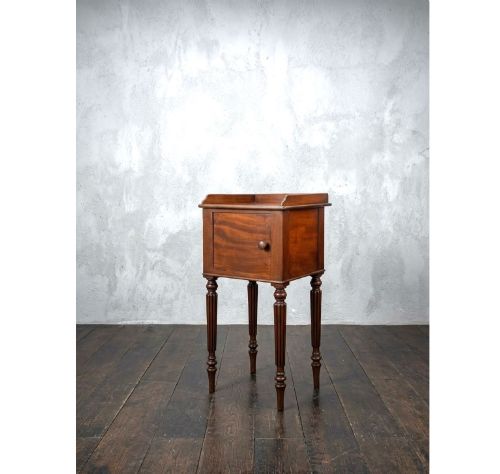

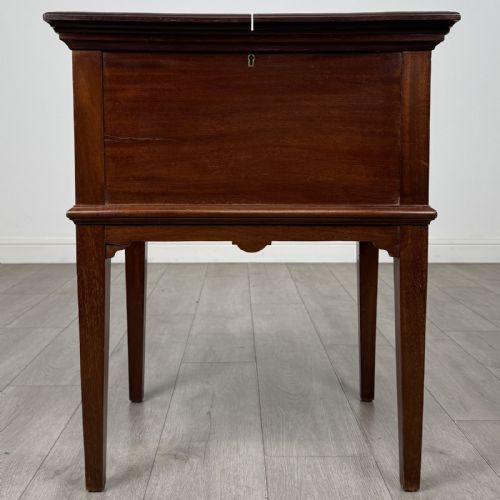
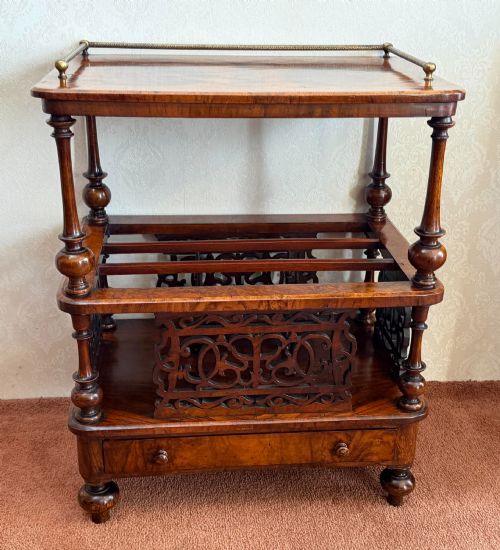
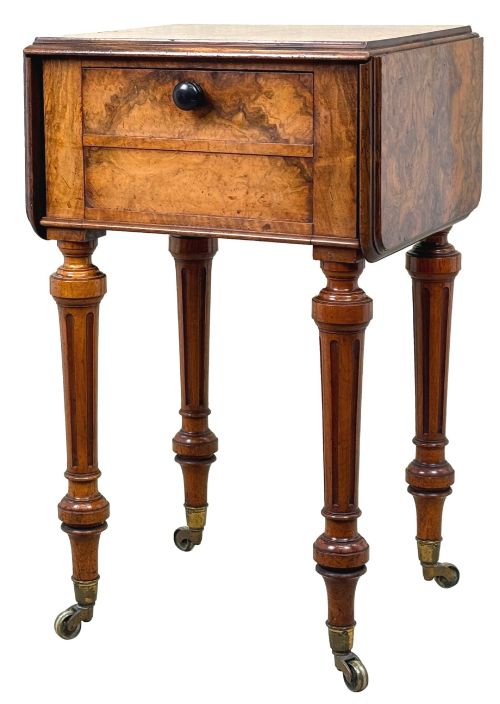
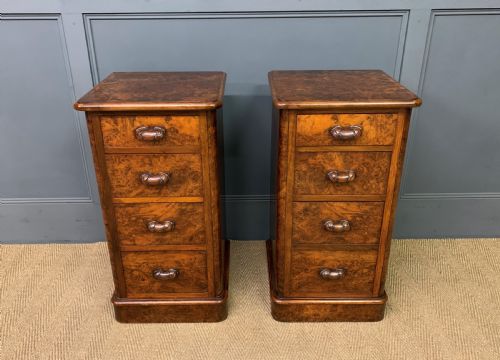
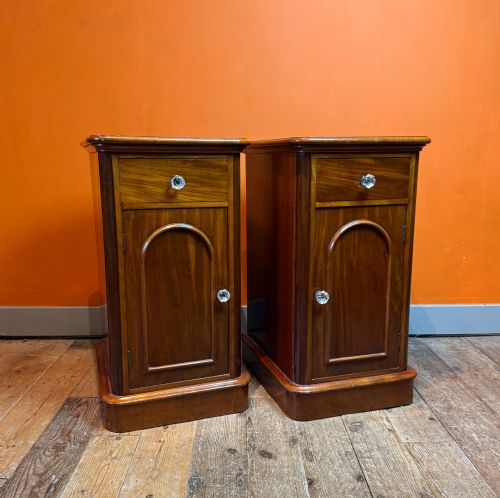
19th Century Table Cabinet
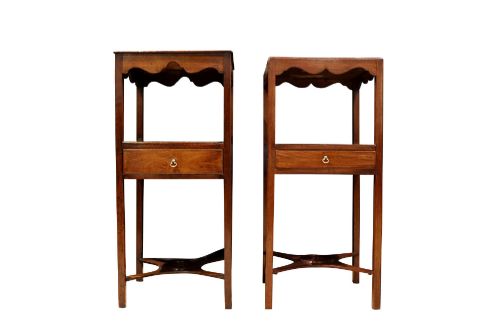
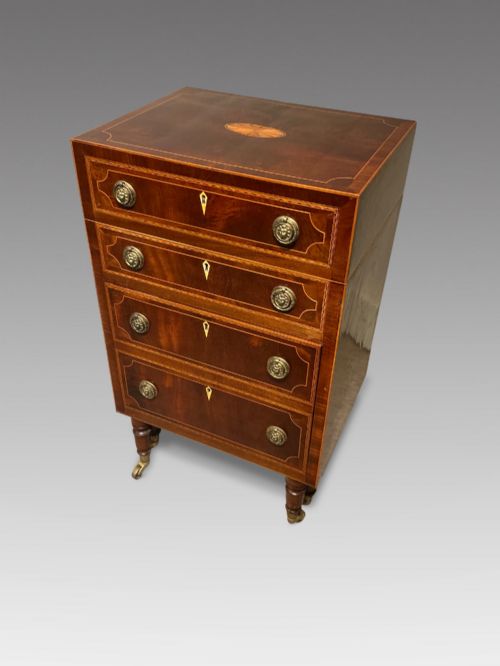
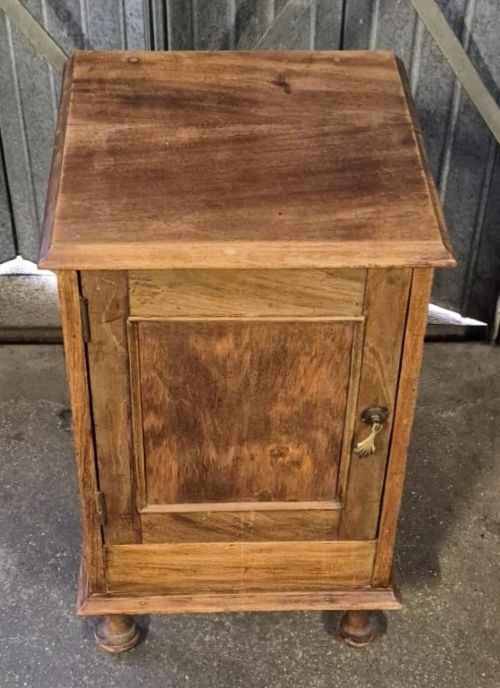
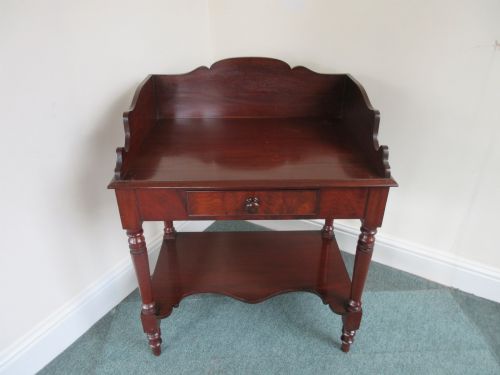
A 19th century table cabinet provides compact desktop storage for documents, letters or small curiosities while anchoring a room with period proportion.
19th Century Table Cabinet
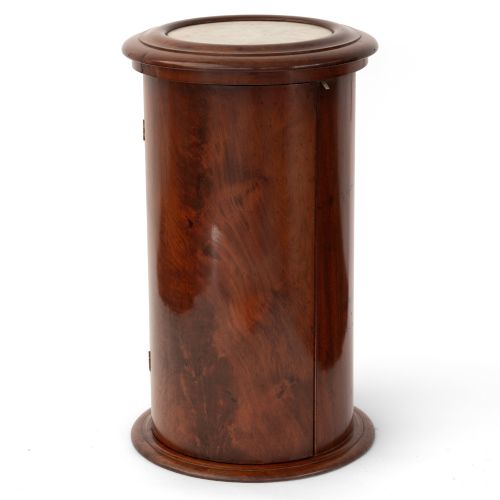
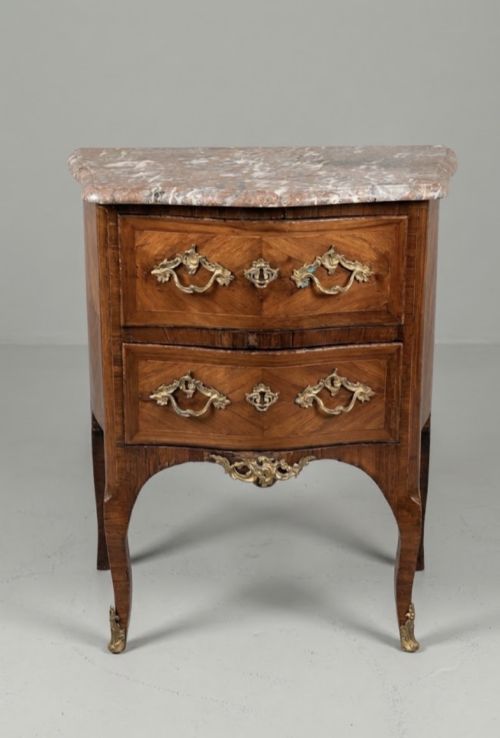
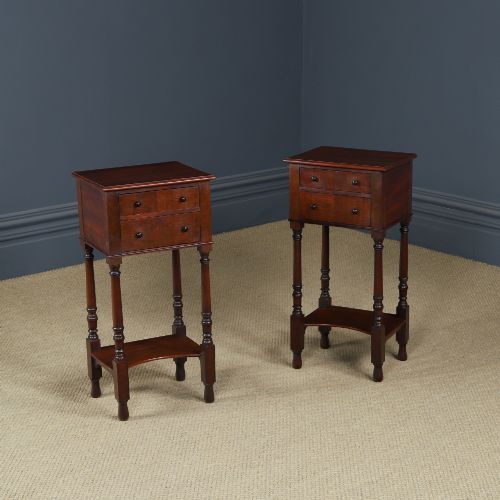
A 19th century table cabinet encompasses small-scale desktop repositories, miniature chests, stationery boxes and collectors' cabinets designed to sit upon desks, tables or sideboards. These pieces serve to store precious items, correspondence or specimens close at hand in domestic or study settings.
The versions most frequently met on this page span the Victorian era and the broader 19th century, drawing upon woods such as mahogany, walnut and oak. Alongside British vernacular examples, the selection includes imported Japanese lacquer and Chinese export pieces utilising exotic hardwoods.
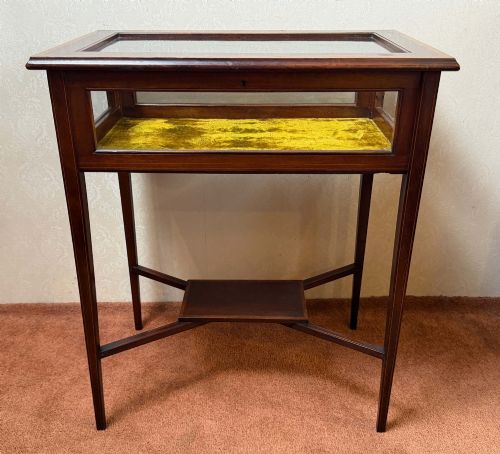
Cabinet forms vary from simple fall-front boxes and lidded chests to glazed display vitrines and multi-drawer stationery organisers. Many exhibit regional vernacular traits, including French walnut construction, Gothic Revival carved oak or intricate parquetry decoration.
What Varies in Quality
The standard of a 19th century table cabinet depends upon the selection and matching of timber veneers, the crispness of hand-carved ornamentation and the precision of the dovetail joinery. Superior examples maintain intact original hardware, tightly fitted internal drawers and well-aligned doors that shut flush.
Maker attribution elevates certain pieces, particularly signed works from known workshops or detailed Japanese Meiji parquetry cabinets showcasing complex geometric marquetry. Poorer quality instances reveal shrinkage cracks, replaced handles, crude secondary timbers or unsympathetic later surface refinishing.
19th Century Table Cabinet Retail Price Guide 2026
Typical asking prices for 19th century table cabinet among the pieces listed under this phrase on Sellingantiques today, from the lower quarter to the upper quarter. They describe what is for sale here now, not the wider market.
Listings feature woods spanning mahogany, walnut, oak, amboyna, and pine alongside Japanese lacquer.
William Norrie·E Goodchild
The 19th Century Table Cabinet Glossary
- Parquetry
- Geometric wood inlay forming patterned surfaces. Craftsmen arrange contrasting timber veneers in repeating tile-like arrays across the exterior.
- Vitrine
- A glass-fronted display cabinet. These pieces allow visible storage for porcelain, curiosities and fine tableware.
- Fall-front
- A hinged panel that drops down to form a writing surface or access internal compartments. This mechanism frequently conceals small pigeonholes and secret drawers.
- Bijouterie
- Glass-topped display furniture designed for small precious objects and jewellery. The glazed top permits inspection of contents from above.
- Carcass
- The primary structural framework of a cabinet before drawers and doors are fitted. It provides the foundational support for external veneers and internal shelving.
19th Century Table Cabinet: Frequently Asked Questions
What were table cabinets used for?
These compact pieces held stationery, letters, receipts, small valuables or natural history specimens safely away from dust. They kept desks organised before modern filing systems existed.
In studies or drawing rooms, they sat upon larger tables or sideboards to provide secure, accessible storage for daily necessities.
How do I clean wooden surfaces safely?
Dust regularly with a soft, dry lint-free cloth to prevent particle buildup. Avoid modern silicone sprays or harsh chemical polishes that degrade historic finishes.
Apply a traditional beeswax sparingly once or twice a year to nourish dry timber and preserve the historic patina.
Are interior drawers usually original?
Most surviving pieces retain their fitted internal compartments, though secondary linings or baize felt may show replacement. Examining the timber grain and wood ageing inside drawers helps confirm original manufacture.
Secret compartments and miniature drawers remain a hallmark of intact higher-quality stationery cabinets from this period.
How do I distinguish regional styles?
British pieces often employ solid mahogany or oak with restrained mouldings, reflecting Regency or Victorian sensibilities. French examples frequently feature walnut, shaped panels, and lighter decorative carving.
Asian export cabinets utilise lacquer, intricate parquetry, or brass mounts characteristic of Meiji period craftsmanship or Chinese workshop traditions.