



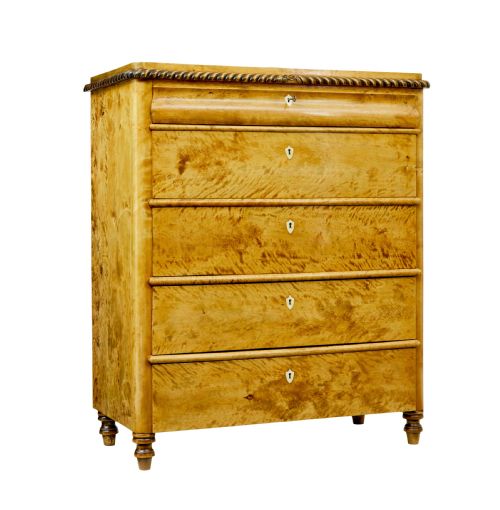


19th Century Swedish Commode
A 19th century swedish commode brings sculptural wood grains and calm painted finishes to a room, offering practical storage with restrained continental elegance.
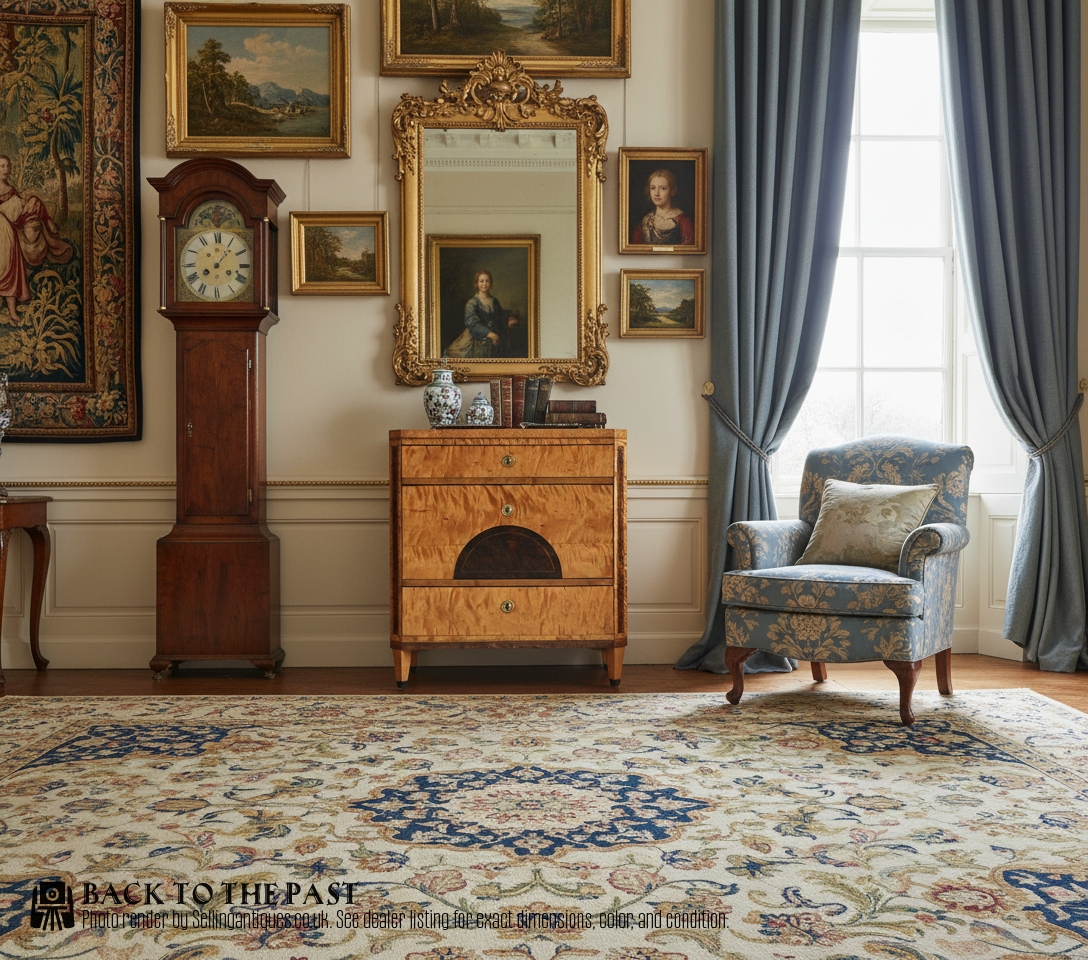
19th Century Swedish Commode
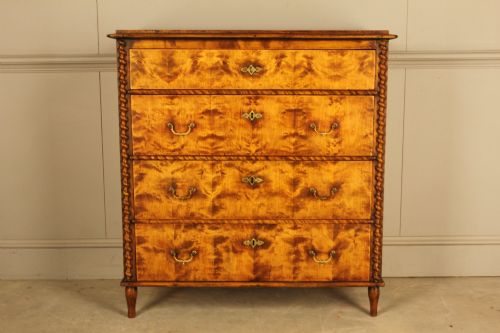
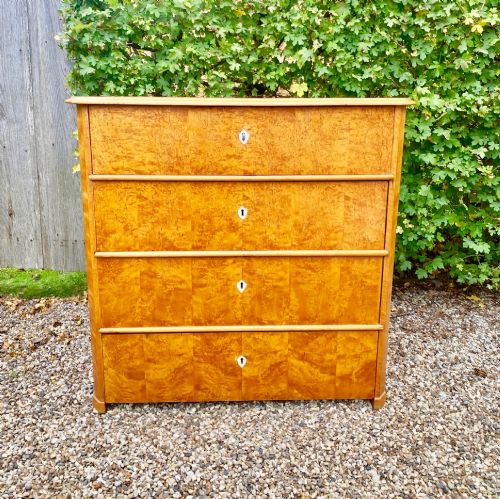
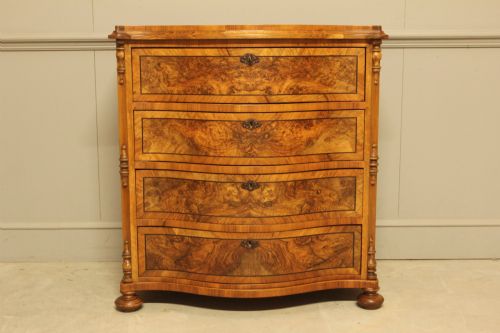
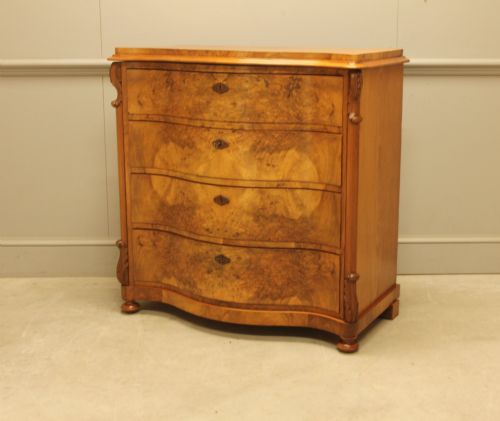
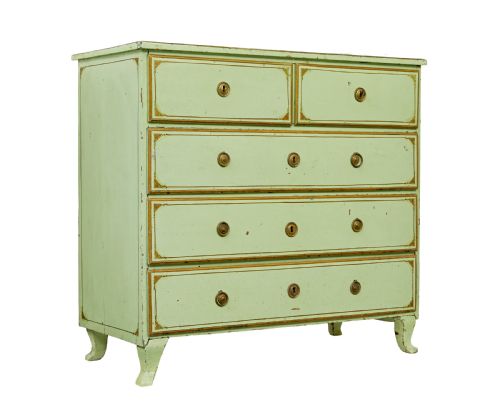
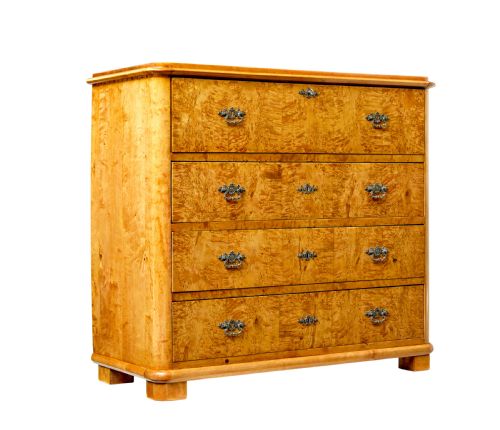
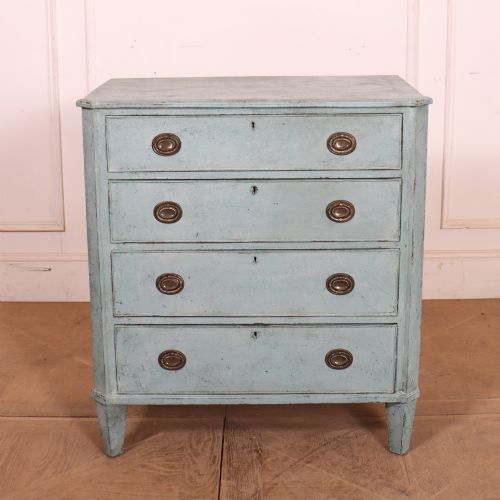
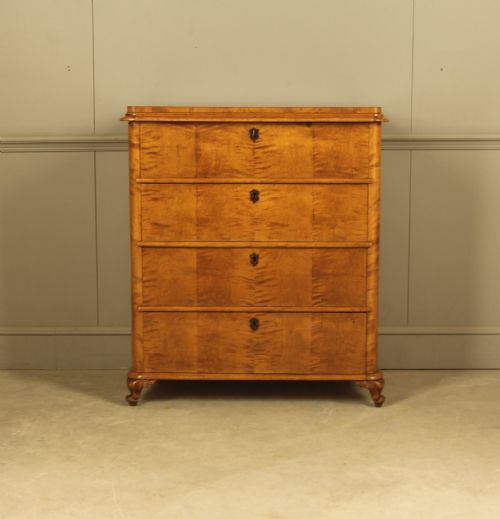
A 19th century swedish commode generally takes the form of a substantial chest of drawers or a secretaire chest, designed with generous proportions for domestic use. The pieces appearing here span straightforward pine constructions to more formal interpretations influenced by Biedermeier, Gustavian, and Empire styles.
Most examples rely on straight or serpentine drawer configurations, occasionally housing a fitted writing desk section within the upper drawer. Buyers encounter both painted surfaces and exposed timber veneers, reflecting the diverse domestic tastes of Scandinavian interiors during this era.
Evaluating quality and execution
The distinction between tiers rests upon the choice of timber and the ambition of the surface decoration, where carefully matched burr or flame birch veneers elevate a piece above standard utility furniture. The handling of carved details and the retention of original painted surfaces significantly influence the character of the object.
Proportion and restraint define the finer examples, distinguishing simple regional pieces from grander revival models influenced by Biedermeier or Empire aesthetics. Structural integrity in the drawer construction and the preservation of period hardware complete the hierarchy.
19th Century Swedish Commode Retail Price Guide 2026
Typical asking prices for 19th century swedish commode among the pieces listed under this phrase on Sellingantiques today, from the lower quarter to the upper quarter. They describe what is for sale here now, not the wider market.
Several pieces arrive with faux marble tops, proving that nineteenth-century Scandinavian households enjoyed a clever trompe-l'œil just as much as we do.
The 19th Century Swedish Commode Glossary
- Biedermeier
- A Central European style characterised by utilitarian comfort and clean lines, heavily influencing Scandinavian furniture through restrained neoclassical forms and figured veneers.
- Gustavian
- The Swedish interpretation of neoclassical design, known for pale painted surfaces, fluted columns, and symmetrical, light-reflecting proportions.
- Secretaire chest
- A chest of drawers featuring a pull-out writing drawer that drops down to reveal small compartments, pigeonholes, and a fitted writing surface.
- Scraped paint
- A conservation or historical finish technique where later overcoats of paint are carefully removed to expose the original underlying colour and patina.
- Masur birch
- A decorative timber variety featuring characteristic swirling patterns and dark organic inclusions within the grain, valued for high-end cabinet fronts.
19th Century Swedish Commode: Frequently Asked Questions
Where were these chests placed?
These storage pieces functioned primarily in bedrooms and hallways to hold linens, clothing, and household documents. Their decorative exteriors allowed them to sit in formal entertaining rooms as well.
Today, they adapt easily to modern living spaces as bedroom storage or as statement credenzas in hallways and living areas.
How do I care for the wood?
Keep wooden surfaces away from direct heat sources and strong sunlight to prevent the timber veneers from drying out or splitting over time. Dust gently with a dry or slightly damp cloth without applying modern chemical polishes.
Maintaining a stable room temperature and humidity level preserves the original paintwork and prevents the natural wood movement from stressing the joints.
What is a secretaire drawer?
A secretaire drawer conceals a fitted desk interior behind a drop-front or pull-out drawer facade. It provides small compartments and a writing surface without requiring a separate bureau.
This clever multi-functional design allowed homeowners to manage correspondence in the main living areas of the house.
Are painted finishes original?
Many pieces retain their historic painted schemes, sometimes revealed through scraped paint techniques that expose the earliest layers of colour. These finishes often present a matte texture rather than a glossy modern sheen.
Examining the paint surface under natural light helps reveal the subtle wear patterns and patination expected from nineteenth-century domestic use.