


19th Century Storage Trunk
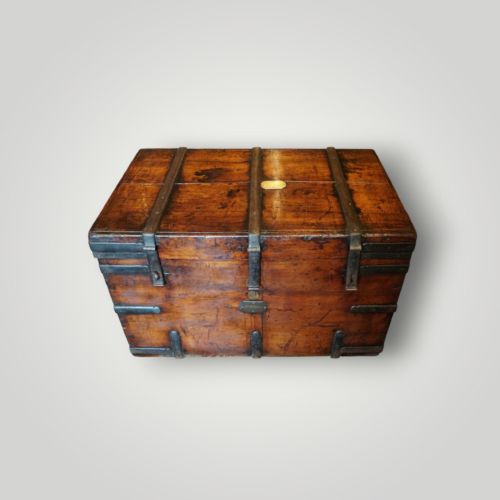
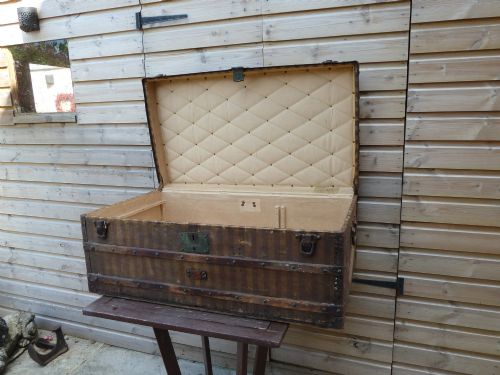
These 19th century storage trunk pieces are timber chests built for travel and household storage, offering robust utility and period character.
What 19th century storage trunk pieces are
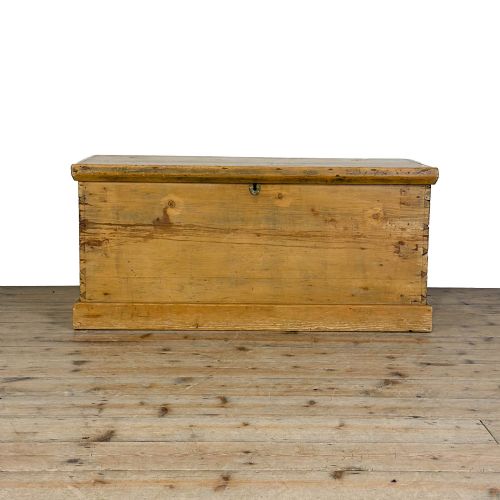
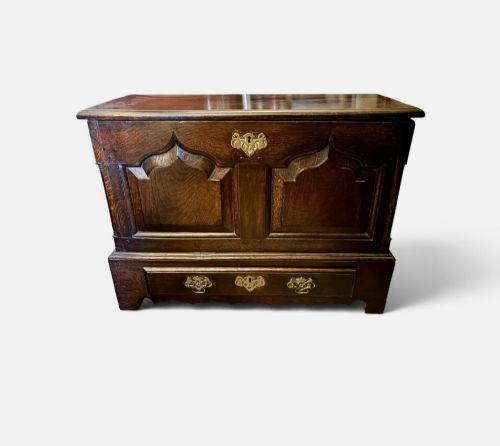
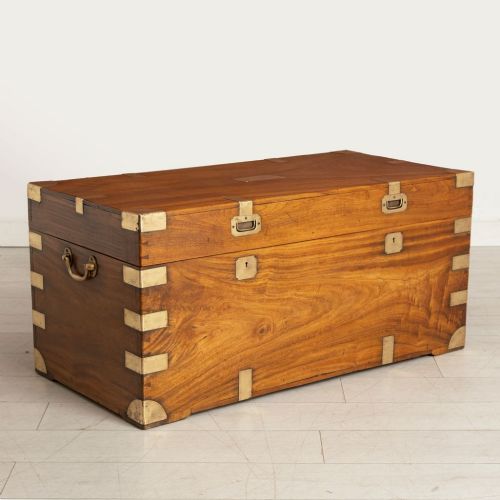
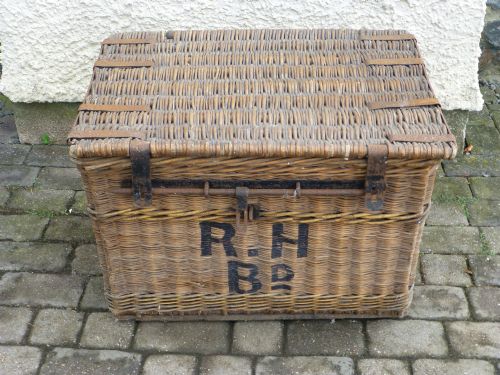
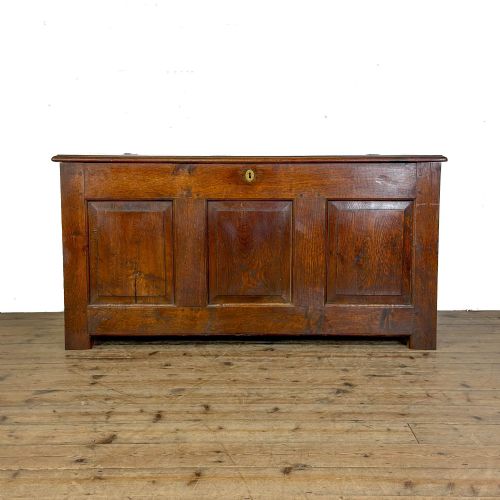
A 19th century storage trunk provides heavy-duty containment through hinged lids and deep box forms, historically serving travellers, merchants, and households. The selection includes domestic blanket boxes alongside specialised luggage designed for relocation.
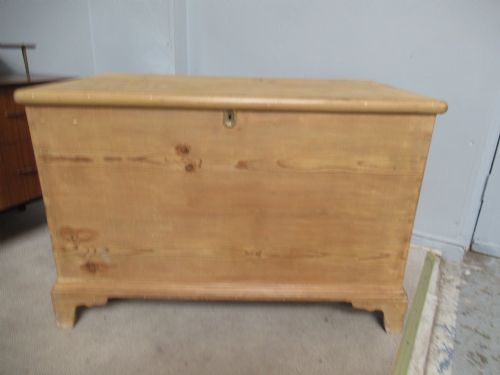
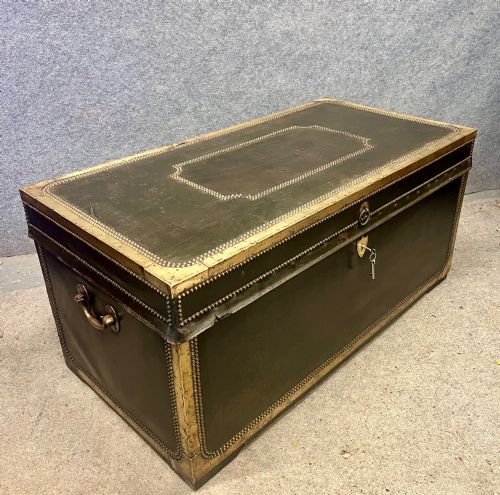
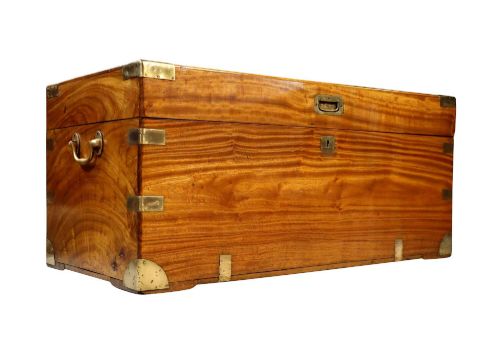
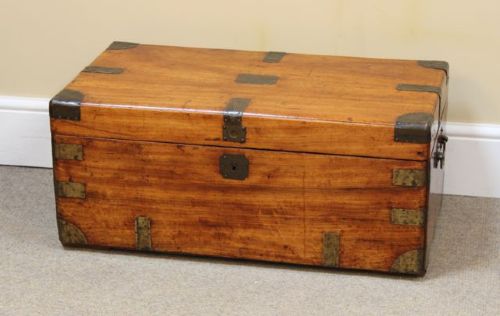
Camphor wood chests dominate the examples originating from military campaigns and trade routes, while painted pine and hardwood items represent domestic use. Styles range from Regency China Trade and Zanzibar traders chests to regional folk art pieces.
Buyers will encounter items categorized under trunks, chests, coffers, and blanket boxes spanning the Victorian era and earlier Regency periods. Dimensions vary from small artisan boxes to substantial carriage trunks.

How they were made
Construction relies primarily on solid timbers such as camphor wood, pine, oak, teak, and assorted hardwoods joined to withstand transport. Surfaces frequently feature applied paint finishes, scumble effects, or bare timber grains.
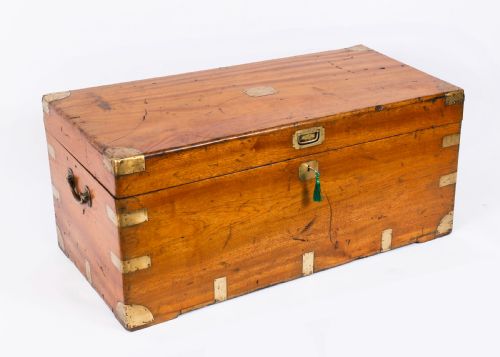
Metal reinforcement is common, utilising brass stud decoration, iron brackets, and leather bindings to protect corners and edges. Hinged lids secure the main compartment across both campaign and domestic formats.
Retail Price Guide 2026
Typical UK retail prices for 19th century storage trunk, calculated from the Sellingantiques database of over a million retail prices indexed since 2003. This retail price guide relies exclusively on Sellingantiques data; no external sources or auction records are used, so the figures do not describe the wider market.
Camphor wood trunks retain their distinct medicinal scent after two centuries, acting as built-in mothballs for your blankets.
What varies in quality
Quality separates through the integrity of original materials and the sophistication of decorative detailing, such as intricate brass studwork on Zanzibar chests or skilled scumble paint effects on pine. Finer pieces retain their original surface treatments and structural hardware without extensive timber replacement.
Provenance and regional style distinguish standard utility boxes from highly decorative trade pieces like China Trade camphor wood trunks. The preservation of interior compartments and original carrying handles marks the upper tier of surviving examples.
The 19th Century Storage Trunk Glossary
- Campaign trunk
- A portable chest built for military officers or travellers, featuring recessed handles and protective metal corners.
- Camphor wood
- An aromatic hardwood utilised for furniture and trunks to deter insects and protect textiles.
- Scumble pine
- A soft timber treated with a translucent glaze or paint technique to simulate richer wood grains or create decorative patterns.
- Zanzibar chest
- A heavily decorated merchant chest featuring brass studding and strapwork, associated with East African trade routes.
- Cofer
- A traditional heavy chest used historically for storing valuables, possessions, or documents.
Frequently Asked Questions
What were 19th century storage trunks used for?
These chests served primarily for transporting personal belongings, military equipment, or merchant goods during travel. In domestic settings, they functioned as blanket boxes and general storage containers for household textiles.
Their robust construction allowed them to endure long journeys by sea and carriage while keeping contents secure. Today, they continue to serve as practical storage furniture within modern living spaces.
How do I care for a camphor wood trunk?
Camphor wood requires minimal maintenance due to the natural oils present within the timber. Dust the exterior regularly with a dry cloth and avoid placing the trunk near direct heat sources to prevent wood splitting.
Keep the interior clean and dry to preserve the natural aroma of the wood. Avoid applying heavy modern polishes that might seal the grain or alter the untreated timber surface.
How do I identify a military campaign trunk?
Campaign trunks typically feature flush brass carrying handles and reinforced corners designed to withstand frequent transit. They are frequently constructed from durable timbers like camphor wood or teak to resist changing climates.
Many examples separate into modular sections or include internal compartments for organising travel goods. Their utilitarian construction emphasises portability and structural resilience over delicate domestic ornamentation.
What is a Zanzibar chest?
A Zanzibar chest is a distinctive merchant trunk characterised by elaborate brass studding, geometric patterns, and metal strapwork. These pieces originated through maritime trade routes intersecting East Africa and the Middle East.
They were built from dense hardwoods to withstand long sea voyages. The decorative brass work often indicates the wealth and status of the original owner.
How can I tell pine trunks apart?
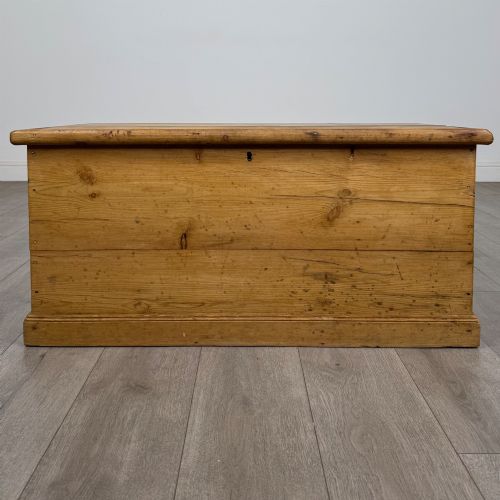
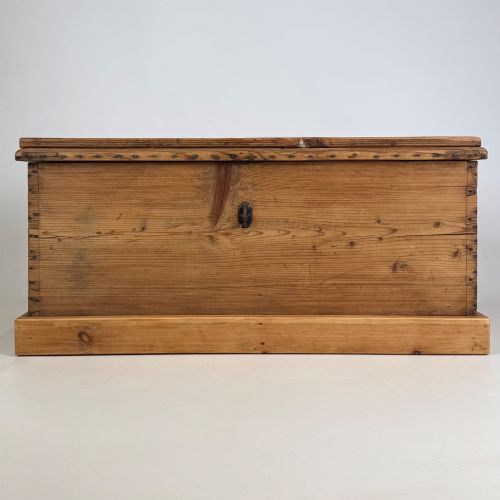
Pine trunks are differentiated by their construction methods, painted finishes, and regional origins. Some feature simple folk art paint applications or scumble glazes, while others display plain natural timber.
Domestic pine boxes often served as blanket chests or artisan storage containers in British and European households. Variations in hardware and date inscriptions help determine their specific period and usage.