


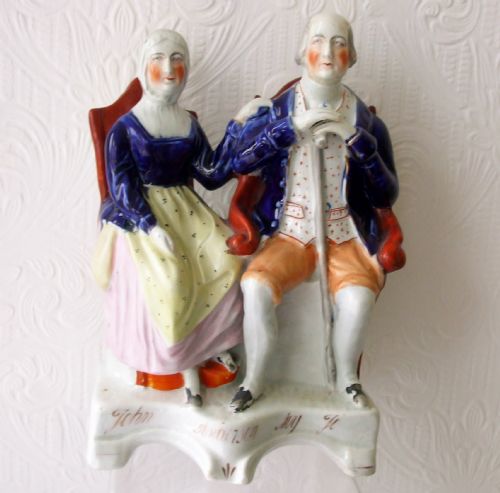
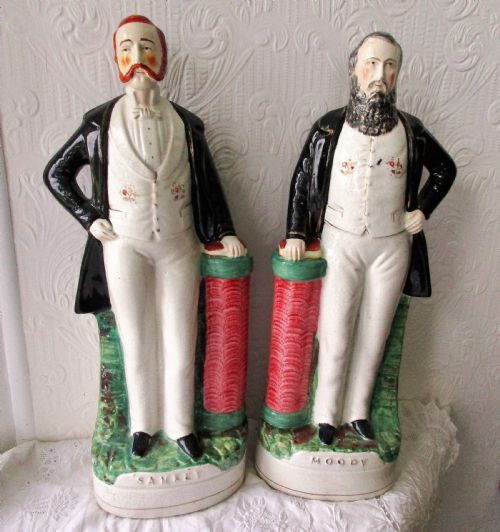
19th Century Staffordshire Ornament
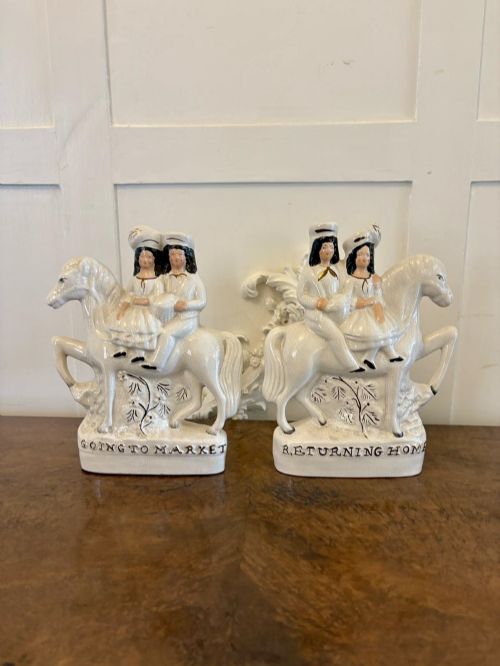
A 19th century staffordshire ornament brings the character of the Victorian parlour straight to a mantelpiece through charming figures and animals.
19th Century Staffordshire Ornament
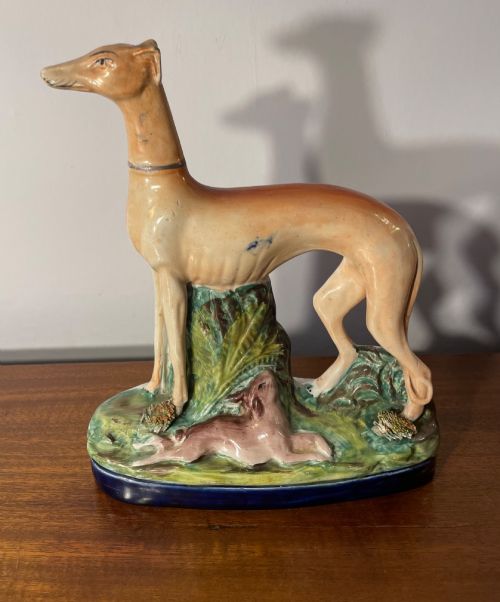
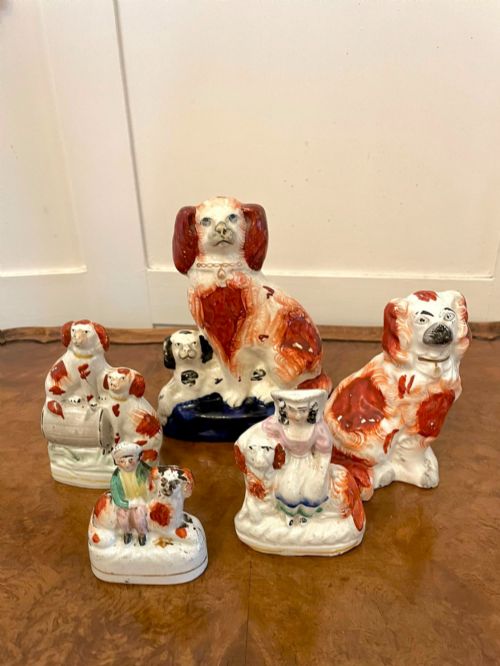
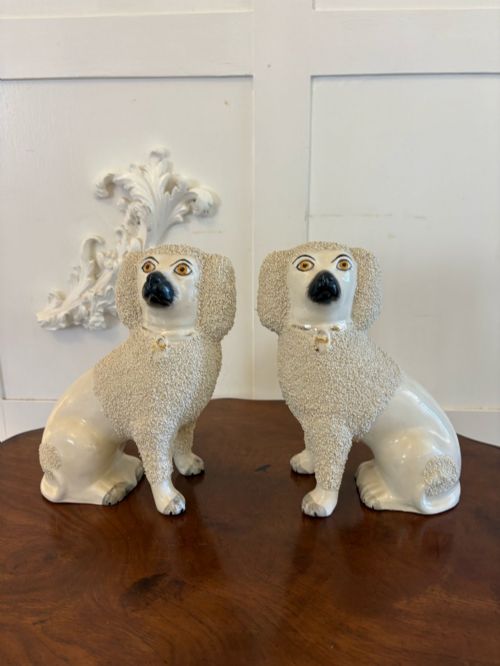
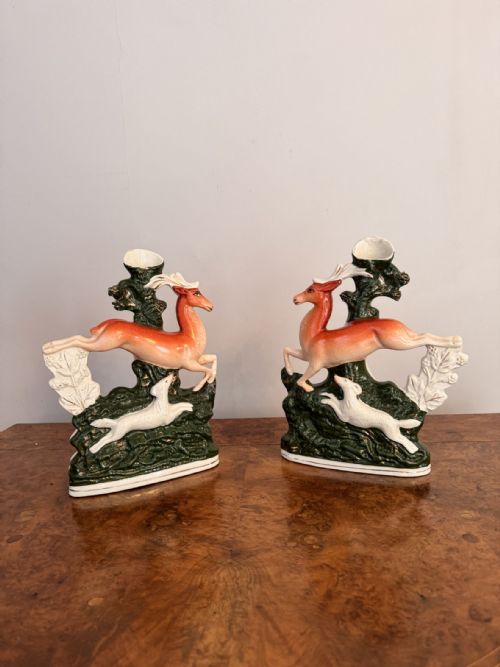
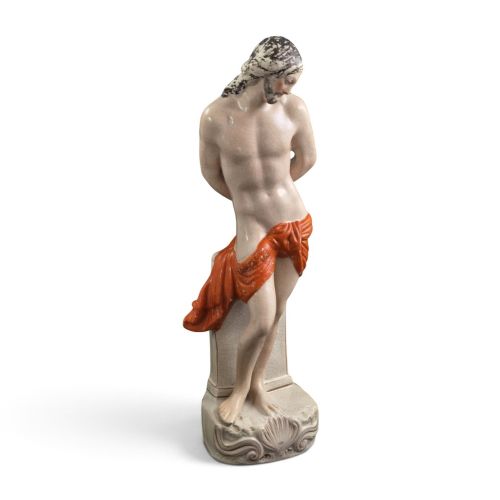
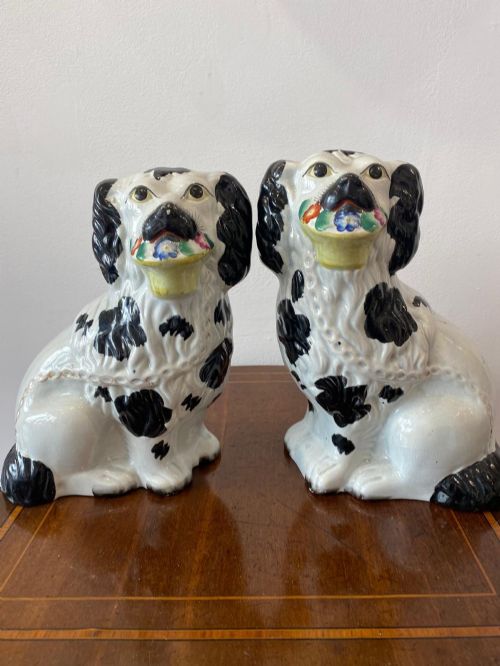
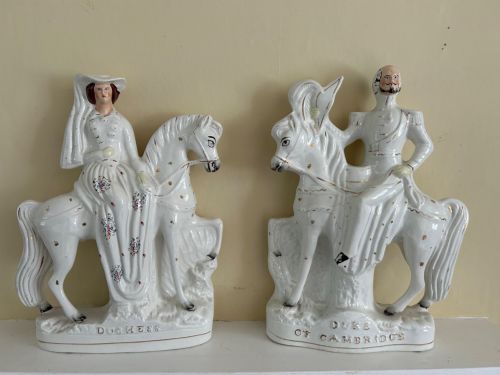
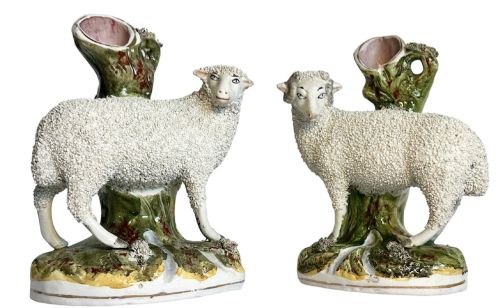
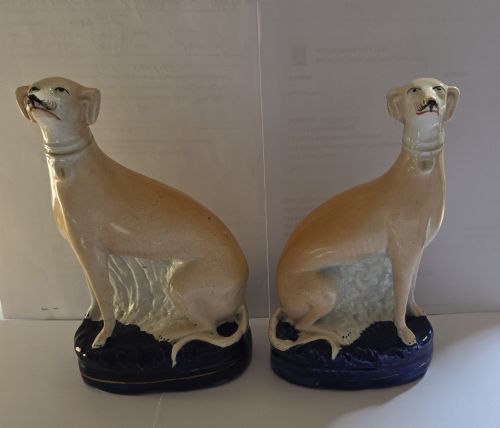
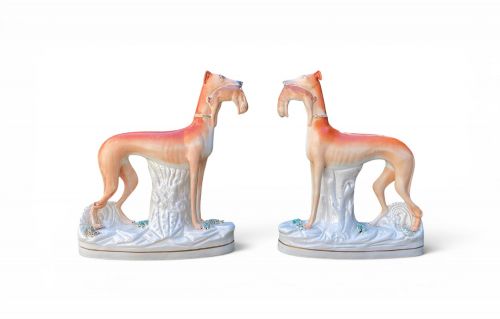
A 19th century staffordshire ornament captures the Victorians' fondness for domestic animals, historical subjects and theatrical portrait figures displayed in the home. Buyers encounter numerous pairs of seated spaniels, pugs, greyhounds and poodles alongside spill vases modelled as deer, lions or swans.
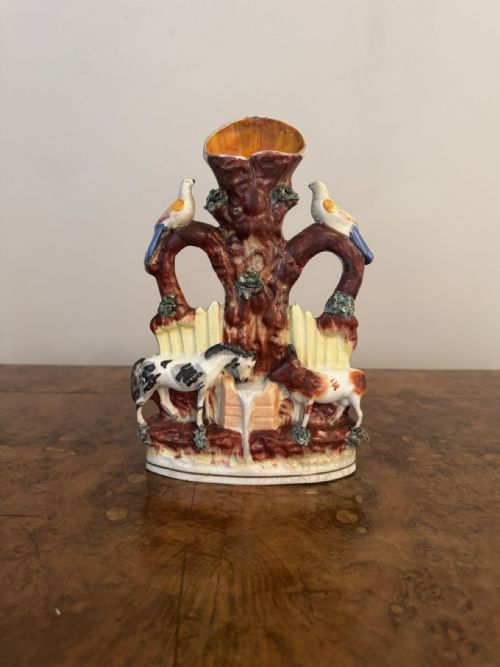
The selection ranges from simple earthenware cottage models and flatback figures depicting royalty or literary characters to elaborate spill vases used for holding wooden matches. Most pieces belong to the Victorian era, spanning decades from the mid to late nineteenth century under various regional folk art and country pottery traditions.
How They Were Made
Specialist factories also utilised porcelain for finer decorative figurines, adding rich cobalt blue underglazes and treacle glazes to achieve deep, glossy surface finishes on figures and animal models.
Listings feature earthenware, porcelain, and pearlware alongside lead glazes, enamel paint, and gold leaf.
What Varies in Quality
Quality rests upon the crispness of the mould and the skill of the hand-painting, separating hastily produced market pieces from finely detailed portrait figures. Better examples retain sharp facial expressions, clean enamel colours and careful gilding that does not bleed into the surrounding glaze.
The handling of the clay body also dictates the refinement of the object, where smoother earthenware surfaces and well-defined flatback modelling elevate a standard cottage or animal pair into a superior decorative piece.
John Bevington·Thomas Parr·Mexborough
The 19th Century Staffordshire Ornament Glossary
- Flatback
- A pottery figure designed with an unglazed or simply finished flat rear side meant to stand flush against a wall or mantelpiece.
- Spill Vases
- Hollow ceramic vessels incorporating a small vase alongside a figure, originally intended to hold thin wood spills used for lighting fires or pipes.
- Pearlware
- A fine-grained earthenware developed in the late eighteenth and nineteenth century featuring a pale bluish glaze that mimics Chinese porcelain.
- Treacle Glaze
- A dark, translucent brown lead glaze that gives pottery a rich, glossy appearance resembling molasses or syrup.
- Enamel Paint
- Vitreous pigments applied over a fired glaze surface and subjected to a second, lower-temperature firing to fuse the colours permanently.
19th Century Staffordshire Ornament: Frequently Asked Questions
What are 19th century staffordshire ornaments?
These pieces are ceramic figures and animals produced in pottery workshops during the Victorian period for domestic decoration.
Collectors find everything from portrait figures of historical personages to symmetrical pairs of dogs placed on mantelpieces.
How were spill vases used?
Spill vases combined a decorative pottery figure with an integrated hollow cylinder designed to hold wooden matches.
Victorian households used these matches, known as spills, to transfer flames from the fireplace hearth to candles and lamps.
How do I identify flatback figures?
Flatback figures feature detailed modelling on the front while the reverse side remains largely unpainted and flat.
This construction allowed the ornaments to sit securely on narrow fireplace mantels where full round sculpture would take up too much space.
What animals appear most often?
Dogs represent the most common animal form, particularly seated spaniels, poodles, greyhounds, pugs and whippets.
Potters also produced lions, deer, sheep, swans and the occasional cat or exotic beast.