



Victorian Glazed Earthenware Figure
A victorian glazed earthenware figure brings domestic portraiture, literary heroes and spirited animals right onto the mantelpiece.
Victorian Glazed Earthenware Figure
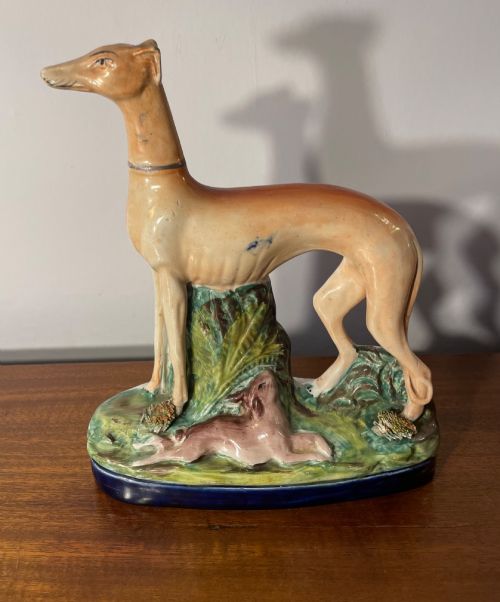
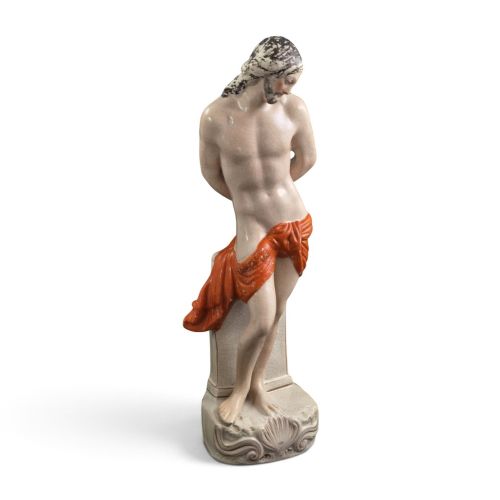
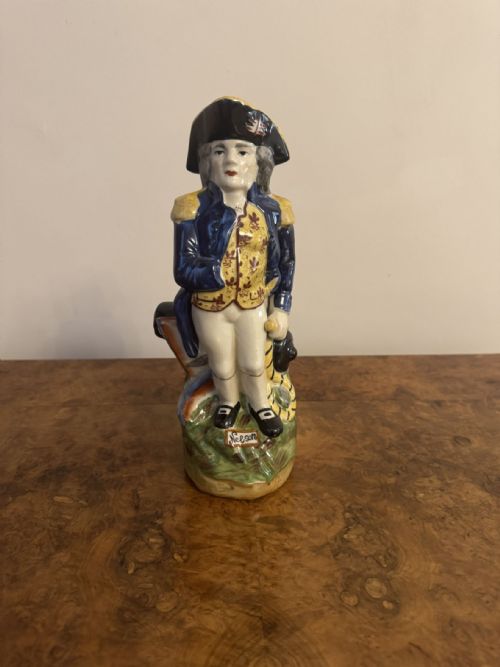
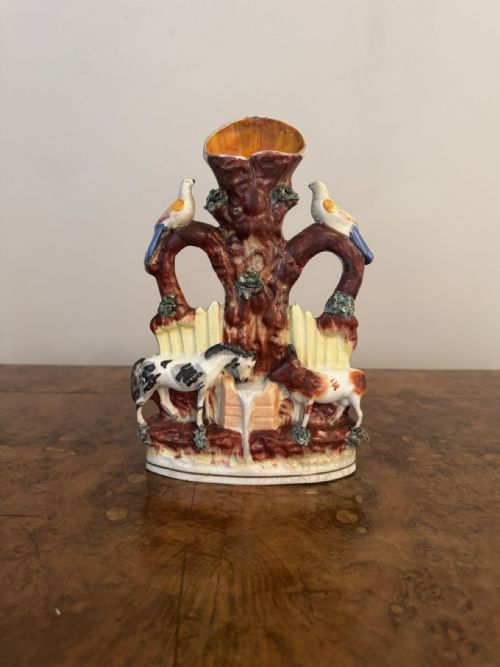
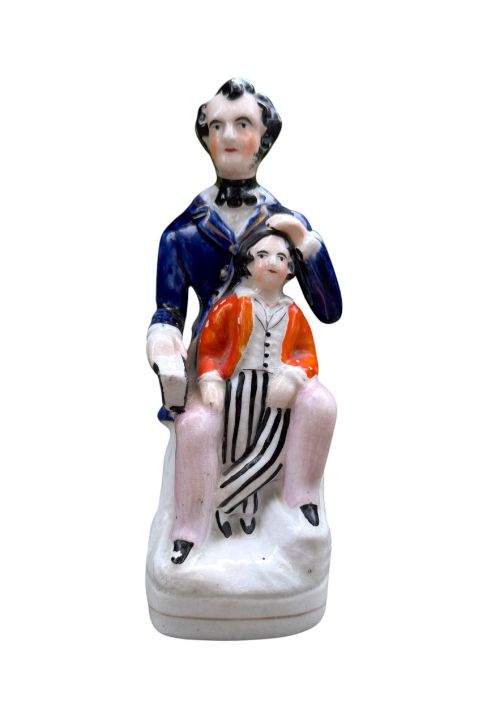
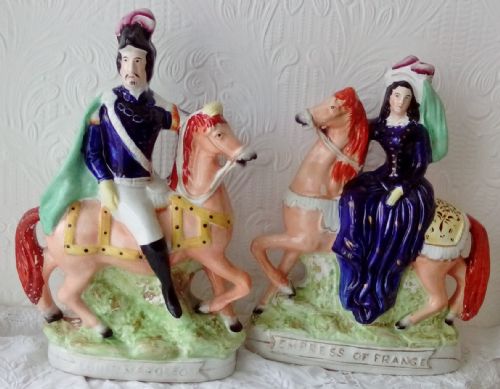
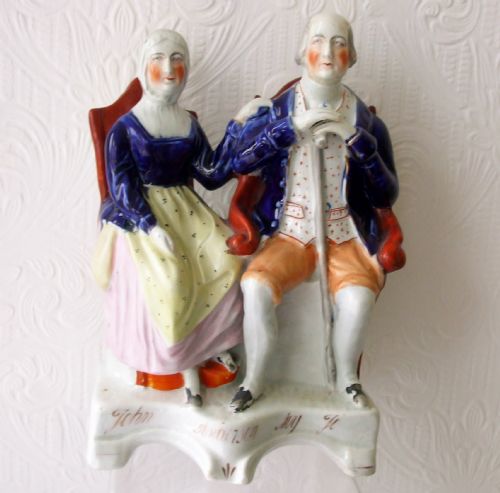
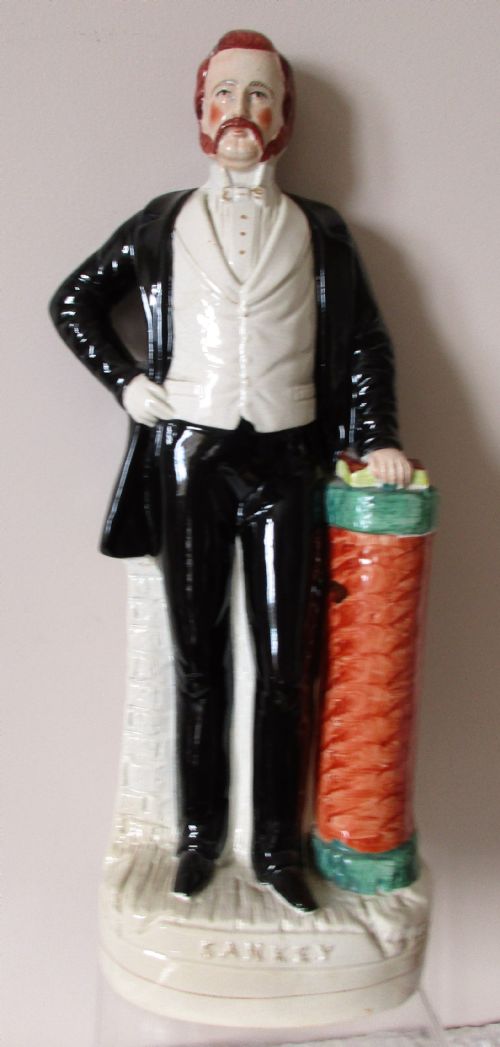
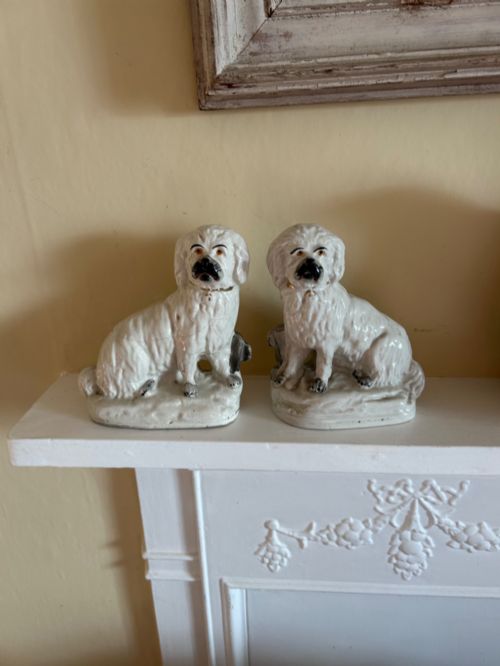
When searching for a victorian glazed earthenware figure, the buyer encounters a diverse world of Staffordshire pottery, flatbacks, spill vases and portrait groups spanning the nineteenth century. These ornaments range from theatrical figures and royal pairs to domestic animals like greyhounds, spaniels and lions made for everyday domestic display.
The version most frequently met on this page is the Victorian Staffordshire flatback figure, designed specifically to stand against a wall on a shelf or mantel. Subjects span historical events, literary characters, military heroes and domestic pets, often produced in pairs to balance a fireplace.
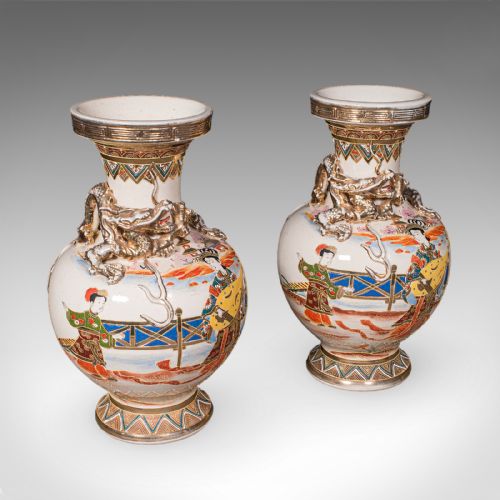
Beyond standard Staffordshire productions, the category extends to majolica pieces, treacle glazed ornaments and continental earthenware items sharing the same ceramic medium. These objects record the public obsessions and domestic comforts of the nineteenth century through accessible sculptural form.
How They Were Made
Specialised surface treatments distinguished different workshops, utilising treacle glaze for deep brown monochrome finishes or rich cobalt blue highlights on flatback details. Gold leaf occasionally accented royal portraits and theatrical subjects, while ceramic bodies were fired before enamel decoration underwent a secondary low-temperature fix.
Victorian households loved pug dogs, parrots on hoops and grumpy gnomes just as much as solemn portraits of Queen Victoria.
What Varies in Quality
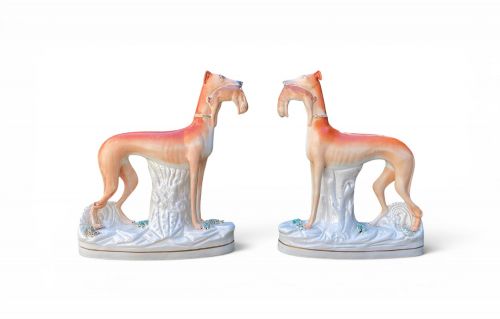
Proportion and stance dictate the visual success of animal figures and pairs, where finely modelled greyhounds or lions display naturalistic posture rather than stiff symmetry. The depth and clarity of the lead glaze further separate utilitarian earthenware from exhibition-grade display pieces.
Thomas Parr·Rockingham Pottery·Gien Faience
The Victorian Glazed Earthenware Figure Glossary
- Flatback
- A figure moulded with a detailed front and a flat, unglazed or minimally finished back intended to stand directly against a wall. This construction saved clay and production time during the nineteenth century.
- Spill Vase
- A hollow ceramic figure incorporating a cylindrical holder designed to store wooden tapers used for lighting candles or pipes. These dual-purpose items combined domestic utility with decorative sculpture.
- Treacle Glaze
- A thick, dark brown lead glaze producing a lustrous, glossy finish resembling molasses. Potters applied this over earthenware to create uniform monochromatic surfaces on lions and hound models.
- Majolica
- A type of earthenware coated with an opaque tin-lead glaze and brightly coloured enamel pigments. This technique produced vivid, saturated surfaces on nineteenth-century animal and figural ornaments.
- Toby Jug
- A ceramic jug modelled in the form of a stout, jovial person holding a mug of beer or a pipe. These traditional vessels combined portraiture with functional tableware.
Victorian Glazed Earthenware Figure: Frequently Asked Questions
What is a Staffordshire flatback?
A Staffordshire flatback is an earthenware figure modelled primarily for display on mantels or shelves against a wall. The back of the piece is typically flat and unadorned to save materials and kiln space.
These figures depicted royalty, military heroes, literary characters and animals. They served as popular household ornaments throughout the Victorian period.
Were these figures made in pairs?
Many animal models, literary characters and royal portraits were produced as symmetrical pairs to flank a fireplace or centrepiece. Greyhounds, spaniels and lions frequently appear facing one another.
Single figures were equally common, particularly for historical portraiture or specific theatrical subjects. Pairs represent a matched set intended for balanced domestic display.
What is a spill vase figure?
A spill vase figure is a ceramic ornament that incorporates an integrated cylindrical socket beside the main sculptural subject. This holder stored wooden spills used for transferring flames from the hearth to candles or pipes.
These pieces combined practical household utility with decorative storytelling. Subjects often included human figures or animals interacting with natural settings.
How do you date a Victorian earthenware figure?
Dating relies on costume details, historical events commemorated in the title, and specific glaze characteristics associated with nineteenth-century production. Queen Victoria portrait groups and Crimean War subjects provide clear historical terminus points.
Changes in ceramic bodies and palette choices also help distinguish mid-nineteenth-century Staffordshire work from later Victorian iterations. Unmarked pieces are usually attributed through stylistic comparison with documented workshop output.