


19th Century Silver Spoon
These 19th century silver spoon pieces offer remarkable variety across styles and forms, giving collectors access to distinctive regional designs from the period.
What 19th century silver spoon pieces are
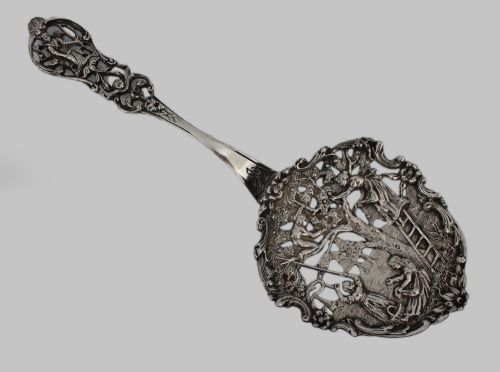
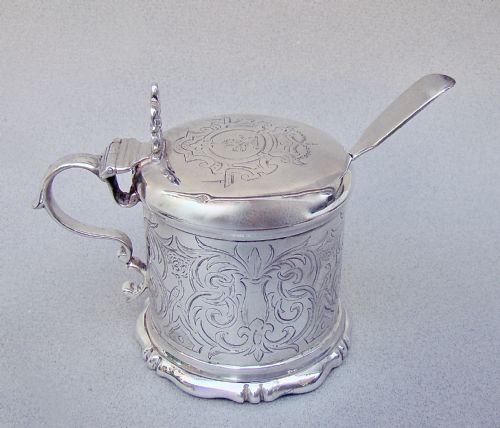
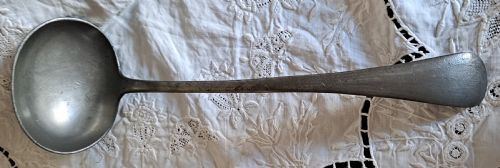
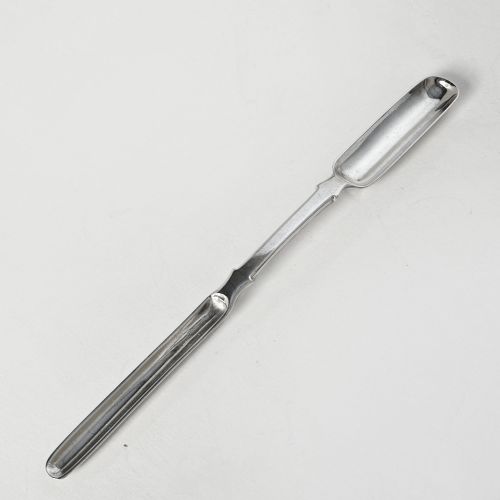
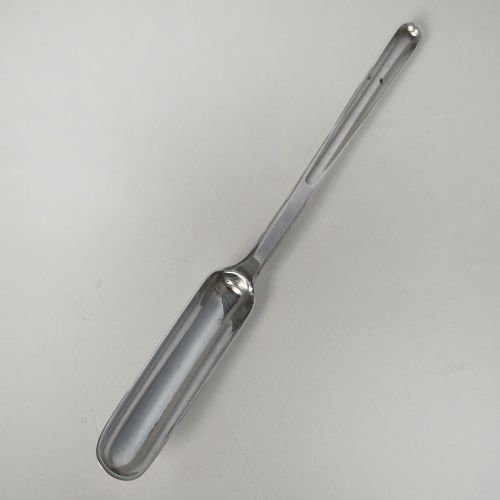
A 19th century silver spoon encompasses a wide range of forms from condiment and caddy spoons to large serving pieces and souvenir items. These utensils reflect diverse domestic habits of the period across British, European, and American makers.
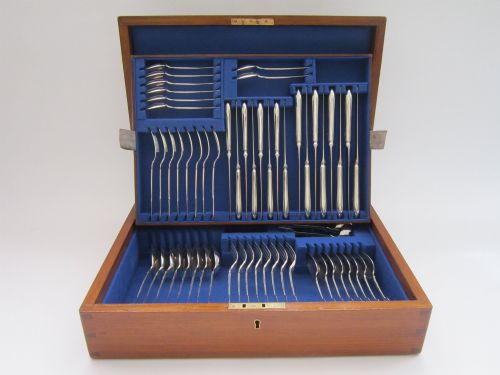
The pieces appearing on this page span the 19th century, with many examples originating from the later decades around 1890. Surviving objects include individual table implements as well as matched boxed sets.
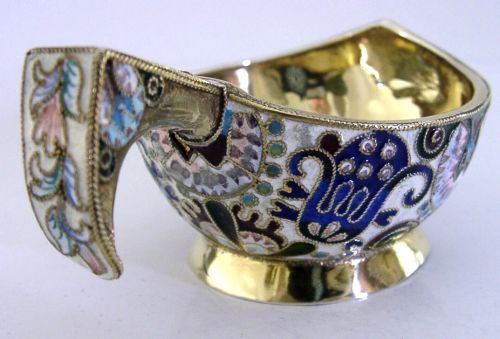
Continental, Russian, and domestic origins shape the visual character of these pieces. Styles range from Victorian bright cut designs to Dutch Revival and Imperial Russian niello work.
Materials and techniques
Makers utilised sterling silver, solid silver, and silver-gilt, alongside silver plate for larger service sets and warmers. Specific regional pieces incorporate specialised decorative methods such as niello work on silver surfaces.
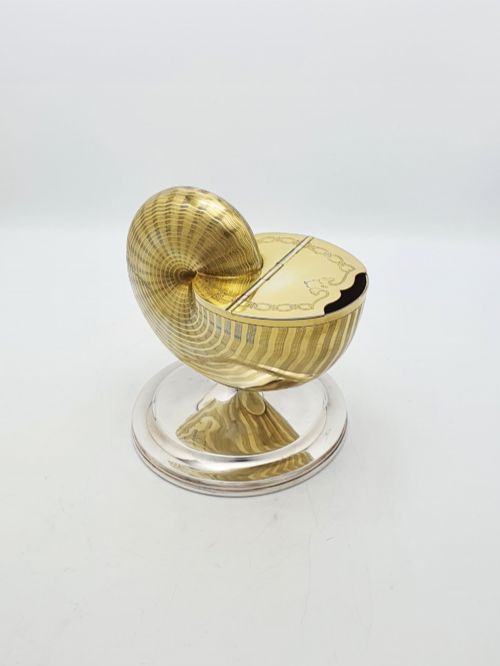
Manufacturing methods combine standard silversmithing with casting, bright cut engraving, and gilding. More elaborate examples take unusual figurative forms like serpents or nautilus shells.
Some nineteenth century silversmiths shaped condiment spoons like writhing serpents.
Assessing quality in 19th century spoons
Quality rests upon the crispness of the initial casting or hammering and the precision of any applied decoration, such as bright cutting or niello inlay. Finer examples retain sharp detail in high-relief ornament without softening from wear or over-cleaning.
The integrity of original gilding on silver-gilt items and the durability of silver plating on base metal wares distinguish higher tier pieces. Provenance and maker attribution through legible hallmarks add further distinction.
Tiffany & Co.·Martin Hall·Atkin Bros·H. Power
The 19th Century Silver Spoon Glossary
- Niello
- A black metallic alloy used as an inlay on engraved silver, creating dark contrasting designs. This technique appears frequently on Russian pieces from the period.
- Silver-Gilt
- Silver that has been coated with a thin layer of gold on its surface. It provides the rich appearance of solid gold while utilising a silver base.
- Bright Cut
- An engraving technique utilising faceted cuts to create brilliant reflective patterns. It is commonly found on teaspoons and flatware from the era.
- Condiment Spoon
- A small spoon designed for serving mustard, salt, or other table condiments. These often feature distinctive short handles or unusual bowl shapes.
- Caddy Spoon
- A short-handled spoon specifically created for measuring loose tea leaves from a caddy. They frequently display decorative bowls and patterned handles.
Frequently Asked Questions
How do I clean a silver spoon?
Clean sterling pieces gently using a dedicated silver cloth or mild soapy water to preserve the surface finish and hallmarks. Avoid harsh abrasive cleaners that can remove fine engraving or thin plating.
For silver-gilt or niello items, take extra care to protect the gold wash and dark inlay work from aggressive scrubbing.
Are these spoons safe to use?
Most solid silver and silver-gilt spoons remain entirely functional for everyday dining or special occasions. Plated items and delicate antique forms are often better suited to light use or display.
Check the overall condition of the bowl and handle before using older pieces with intricate casting or delicate engraving.
What is a silver gilt spoon?
A silver gilt spoon is a solid silver utensil that has been coated with a thin layer of gold. This treatment was frequently applied to dessert and serving spoons to enhance their visual appeal.
The underlying metal remains silver, while the gold surface offers a warm tone and resistance to tarnishing.
How do I identify a 19th century spoon?
Look for hallmarks stamped into the metal, which often indicate the assay office, standard of silver, and date letter for the year of manufacture. Stylistic clues such as Victorian bright cut engraving or Dutch Revival motifs also point to the period.
Maker marks and registration numbers provide further evidence for dating individual pieces accurately.