


Sterling Silver Collector Spoon
A sterling silver collector spoon holds centuries of British metalwork in the palm of your hand, offering small-scale mastery for the focused enthusiast.
Sterling Silver Collector Spoon
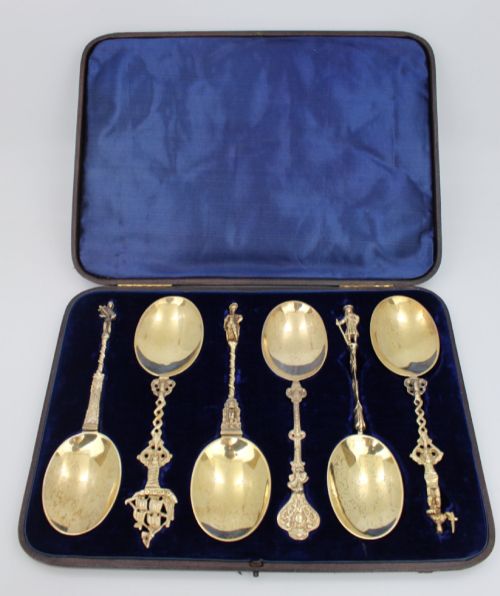
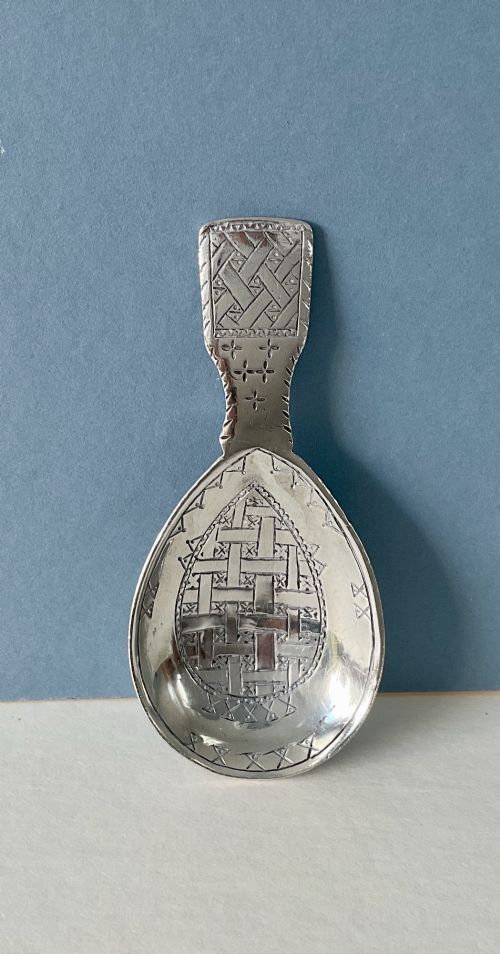
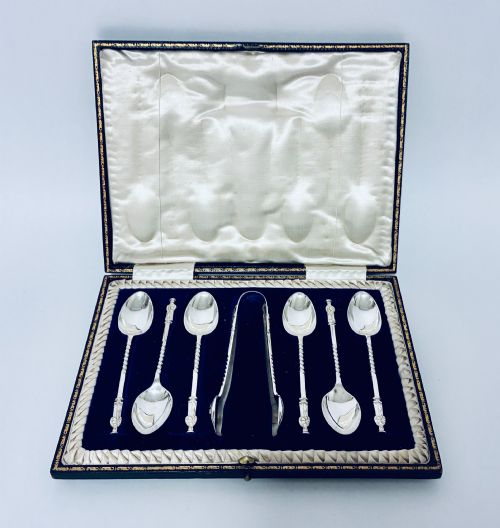
The assortment on this page leans heavily into early English silver, including sixteenth-century London items alongside seventeenth-century Commonwealth and Restoration pieces, complemented by later Arts and Crafts silver gilt work and nineteenth-century caddy spoons. Formats range from individual seal top and apostle spoons to matched sets and novelty items shaped like jockey caps.
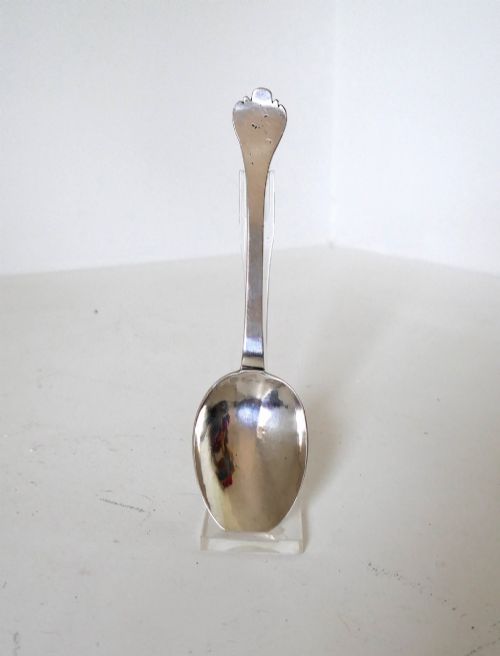
Navigating this selection requires an eye for the specific period characteristics, whether you examine the hand-beaten surfaces of Elizabethan metalwork or the crisp hallmarks of a Queen Anne dognose spoon. Each variant represents a distinct chapter in British silversmithing, making these small implements fascinating touchstones for historical study.
Materials and construction
The primary material across these listings is sterling silver, frequently accompanied by silver gilt where a rich gold wash enhances the decorative texture of the bowl or finial. Early pieces rely on heavy-gauge wrought silver shaped by hand, showing the subtle irregularities and tool marks characteristic of sixteenth and seventeenth-century workshop production.
Later Victorian and Edwardian examples utilise refined casting and hammering techniques, sometimes presented alongside fitted cases lined with velvet, silk, or leatherette. The application of gilt and the precision of the engraved detailing define the physical construction of the more ornate sifter and caddy spoons in the collection.
Materials represented in the current selection include sterling silver, silver gilt, and protective storage linings of velvet, silk, and leatherette.
Distinguishing quality
The highest tier of these spoons is defined by the clarity and completeness of the maker marks and town hallmarks, which anchor the piece securely in its century of origin. Legible stamps allow a proper reading of the smith's capability and the official standard of the metal.
Quality also rests in the crispness of surviving cast details, such as the figures on apostle finials or the delicate proportions of a seal top. Pieces that retain their original weight, structural integrity, and unrubbed engraving stand apart from those worn thin by centuries of handling and cleaning.
Jerimiah Johnson·John Smith·John Fox
The Sterling Silver Collector Spoon Glossary
- Seal Top Spoon
- An early spoon featuring a flat, seal-like terminal at the end of the handle, often engraved with initials or a crest. These date predominantly from the sixteenth and seventeenth centuries.
- Dognose Spoon
- An early form evolving from the trefid, featuring a rounded, tongue-like terminal rather than lobes. This shape dominated British flatware around the turn of the eighteenth century.
- Caddy Spoon
- A short-handled spoon specifically created for measuring dry tea leaves from a caddy into a pot. Many Georgian examples take whimsical shapes, such as jockey caps.
- Silver Gilt
- Sterling silver that has been coated with a thin layer of gold through a chemical or electrochemical process. This treatment adds a warm, lustrous finish to decorative spoons and sifter bowls.
Sterling Silver Collector Spoon: Frequently Asked Questions
What is a seal top spoon?
A seal top spoon is an early form of British cutlery featuring a solid stem ending in a flat, circular or multi-sided seal finial. These pieces date back to the Tudor and Stuart periods and were often given as christening gifts.
The flat top was frequently engraved with the owner's initials or coat of arms, serving a practical purpose for sealing correspondence in an era before widespread personal signet rings.
How do I identify a caddy spoon?
A caddy spoon is a small, specialised implement designed specifically to scoop loose tea leaves from a storage container. They typically feature short stems and wide, shallow bowls to fit inside traditional tea caddies.
Many Georgian and later examples adopt decorative or novelty forms, such as leaves, shells, or jockey caps, reflecting the high status of tea as a luxury commodity in period households.
How do I care for antique silver spoons?
Antique silver spoons require gentle handling and minimal cleaning to preserve their historic surfaces and collector value. Frequent aggressive polishing removes the original patination built up over centuries of existence.
Store them away from acidic materials and high humidity, using fitted cases lined with silk, velvet, or leatherette if available, to protect the soft metal from unnecessary scratching.