


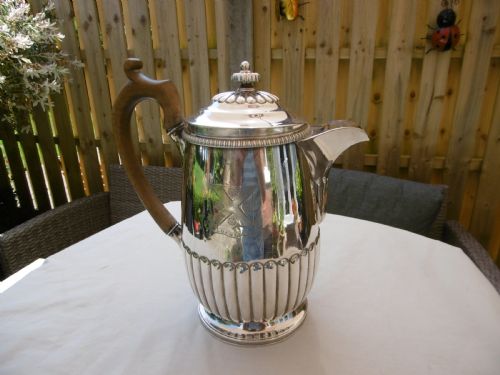


19th Century Silver Jug
A 19th century silver jug brings tactile weight and period presence to a table, offering both decorative elegance and functional service.
19th Century Silver Jug
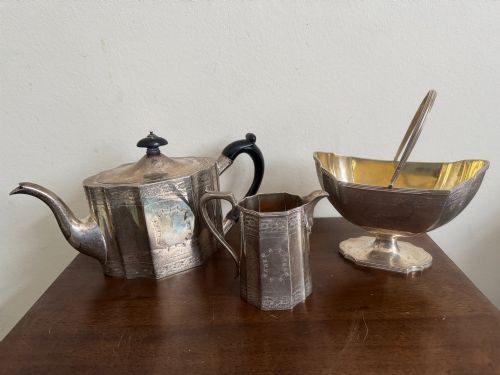
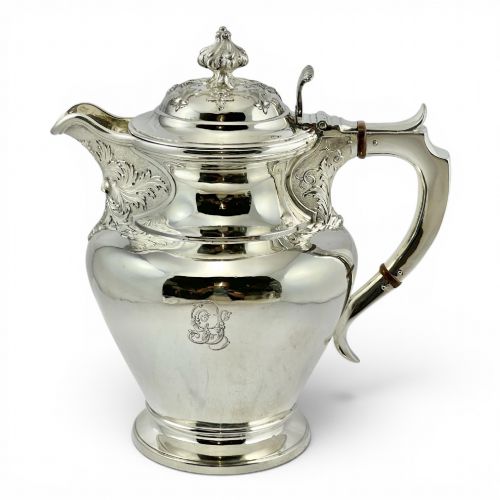
When you search for a 19th century silver jug, you encounter an array of functional vessels spanning tea services, claret decanters, and water pitchers. The selection draws heavily from the Victorian era and the Georgian period, featuring solid sterling silver alongside silver plate and Old Sheffield plate.
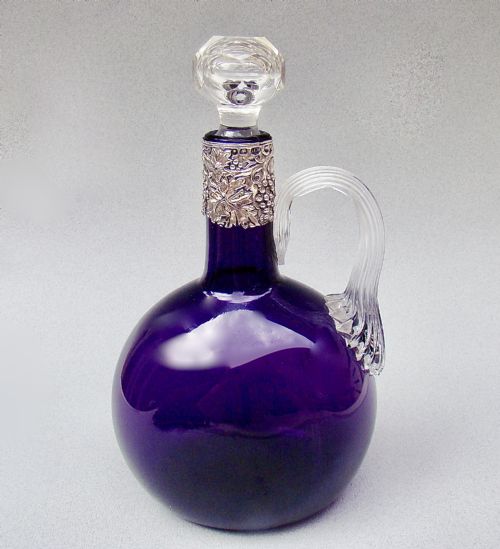
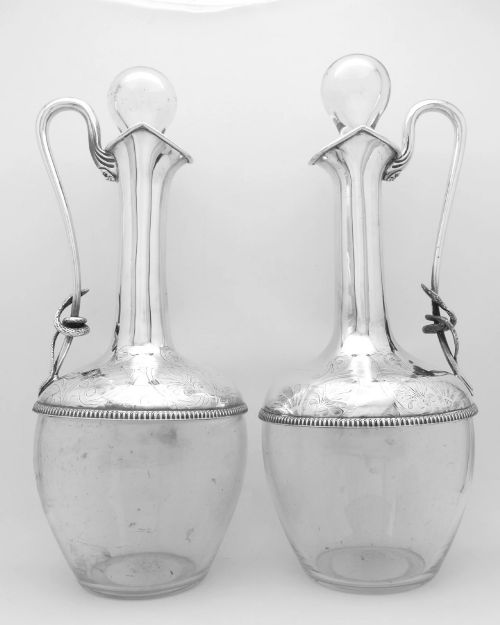
The forms vary from grand wine ewers and heavy harvest cups to delicate cream jugs and engraved coffee pots. Glass bodies mounted with silver or silver plate appear frequently, particularly in the form of cut crystal and etched claret jugs.
How They Were Made
Silversmiths utilised sterling silver and silver plate over base metals, often combining metal mounts with hand-blown glass, cut crystal, ceramic, and wood components like ebony handles. Craftsmanship involved intricate chasing, engraving, and casting, producing naturalistic details such as acorn motifs and serpent handles.
Techniques like silver plating on copper, seen in Old Sheffield plate, alongside silver resist decoration on pottery, defined much of the production. Glass bodies were frequently etched or cut with stars and ferns to complement the bright metal mounts.
A monkey claret jug sits ready to pour wine while contemplating its own Victorian mischievousness.
What Varies in Quality
Quality rests upon the crispness of the chasing and engraving, the weight of the metal, and the harmony between the silver mounts and the glass or ceramic bodies. Superior examples display balanced proportions, deeply detailed cast elements like novelty handles, and clear hallmarks or maker marks.
Pieces from renowned makers or specific regional assay offices command attention through robust construction and refined finishing. Lesser pieces show worn plating or simpler, unadorned surfaces with minimal decorative depth.
HENRY MATTHEWS·Glasgow Rait·Matthew Boulton·Padley Parkin and Staniforth·Joseph Craddock·Benjamin Smith·Boardman Glossop and Co·ROBERT HENNEL·Henry Bourne·Elkington
The 19th Century Silver Jug Glossary
- Sterling silver
- A silver alloy containing 92.5 percent pure silver and 7.5 percent other metals, typically copper, ensuring durability for functional tableware.
- Old Sheffield plate
- A composite material made by fusing a thin sheet of silver to a thicker copper base, common in early items before electroplating.
- Claret jug
- A pouring vessel designed specifically for wine, usually comprising a glass body with a silver or silver-plated mount, spout, and hinged lid.
- Chasing
- A metalsmithing technique where the metal is hammered from the exterior to sink the surface and create raised decorative relief designs.
- Silver resist
- A pottery decoration method where a pattern is masked with a substance that resists silver lustre application during firing.
19th Century Silver Jug: Frequently Asked Questions
How do I clean a silver jug?
Clean sterling silver items with a soft cloth and a specialised silver polish, taking care around engraved or chased recesses. Avoid abrasive pads that wear away thin silver plate or Old Sheffield plate.
For pieces with glass or ceramic bodies, wash the non-metal parts separately in warm soapy water. Ensure the vessel is dried thoroughly to prevent tarnishing and moisture damage to internal components.
Can I use these jugs for serving drinks?
Many of these vessels remain entirely functional for serving water, wine, coffee, or milk at the table. Solid silver and silver-plated items handle everyday beverage service well when cleaned properly after use.
Check for glass integrity and secure mounts before filling heavier claret jugs or water pitchers. Novelty pieces or delicate antique glass are better suited for display.
How do I identify the period of a silver jug?
Examine the hallmarks stamped on the metal, which indicate the assay office, the date letter, and the standard of silver. London, Edinburgh, and Birmingham hallmarks provide precise chronological markers for Victorian and Georgian pieces.
Stylistic cues also help determine the period, such as the heavy neoclassical lines of the Georgian era, the ornate floral revival of mid-Victorian design, or the distinct sheen of Old Sheffield plate.
What is the difference between solid silver and silver plate?
Solid silver, or sterling silver, consists of a regulated high purity alloy throughout the entire object, bearing official assay office hallmarks. It holds intrinsic metal value and develops a deep patina over centuries.
Silver plate involves a thin layer of silver bonded to a base metal such as copper or Britannia metal. This technique allowed makers to produce large vessels affordably during the nineteenth century.