


Vintage Silver Water Pitcher
A vintage silver water pitcher brings weight and gleam to a table, combining practical service with solid metal and glass craftsmanship.
Vintage Silver Water Pitcher
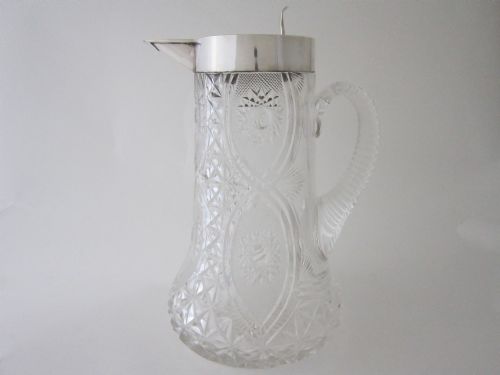
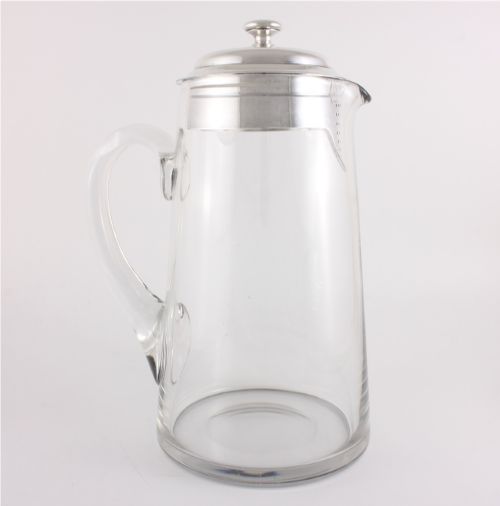
A vintage silver water pitcher encompasses practical vessels designed for serving water, lemonade, and wine across various historical periods. These pieces range from substantial cut glass bodies mounted in silver plate to heavy sterling silver forms and pewter designs.
The selections span styles from the ornate Rococo and Victorian eras to clean-lined Art Deco and Arts and Crafts movements. Buyers encounter Georgian and Edwardian examples alongside French mid-century pieces, showing diverse manufacturing origins.
Vessels take many names in the listings, including claret jugs, lemonade jugs, ale jugs, and coffee pots. Pitchers frequently integrate glass, crystal, wood, and cane to complement the dominant silver or pewter structure.
Materials and construction methods
Silversmiths utilised sterling silver and silver plate over copper, known as Old Sheffield Plate, shaping metal through hammering, casting, and soldering. Pewter also appears in specific Arts and Crafts and early examples, often cast and finished with hand-hammered textures.
Glass bodies were blown, moulded, and frequently cut with geometric or floral patterns before receiving metal mounts, rims, and hinged lids. Handles occasionally incorporate woven elements or cane alongside metal to insulate against temperature.
Materials documented across the inventory include sterling silver, silver plate, pewter, cut glass, crystal, wood, and cane.
Assessing quality in antique and vintage jugs
Quality rests in the weight of the metal, the crispness of the chased or engraved floral designs, and the structural integrity of the handle joints and hinged lids. Thicker gauge silver plate and heavy sterling resist denting and maintain sharper decorative detail.
The clarity and depth of cut glass bodies, alongside the secure fit of silver mounts to the glass, separate standard production from superior examples. Maker marks and hallmarks provide clear indicators of origin and workshop standards.
Christofle·Mappin and Webb·Archibald Knox for Liberty and Co·Elkington and Co·Tiffany·WMF·Valenti·Sue et Mare for Orfeverie Gallia
The Vintage Silver Water Pitcher Glossary
- Silver Plate
- A thin layer of silver bonded to a base metal, usually copper or nickel brass, providing the appearance of solid silver at a lower weight and cost.
- Old Sheffield Plate
- An early form of plated metal created by fusing a sheet of sterling silver to a copper ingot before rolling them into sheets.
- Claret Jug
- A specialised pouring vessel, typically featuring a glass body with a silver mount, handle, and hinged lid, originally intended for serving red wine.
- Tudric
- A brand name used by Liberty and Co for pewter wares, frequently associated with Arts and Crafts designs.
- Sterling Silver
- An alloy comprising silver and other metals, predominantly copper, standardised for purity and marked by official assay offices.
Vintage Silver Water Pitcher: Frequently Asked Questions
How do I clean a vintage silver water pitcher?
Wash the vessel in warm water with mild soap using a soft cloth, avoiding harsh abrasives that scratch the surface or remove plating.
Dry thoroughly with a lint-free cloth and apply a specialised silver polish only when necessary to maintain the shine.
Can I use these pitchers for daily service?
Most solid silver, silver-plated, and glass pitchers remain fully functional for serving water, iced tea, or wine during meals.
Take care with pieces featuring historical glass bodies or delicate cane handles to prevent accidental damage during washing.
How do I date an unmarked pitcher?
Examine the overall style, such as Art Deco geometric lines or Victorian floral engraving, alongside the construction techniques of the handle and mount.
Material choices like Old Sheffield Plate or specific glass cutting patterns also help narrow down the manufacturing decade.