
19th Century Sevres Porcelain
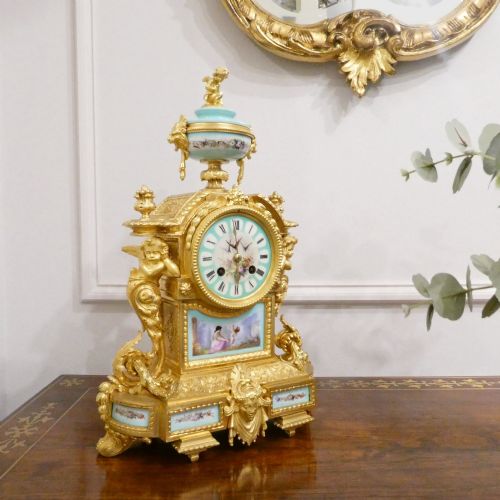
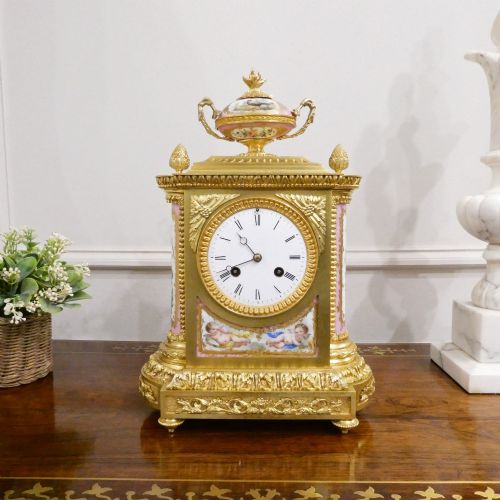
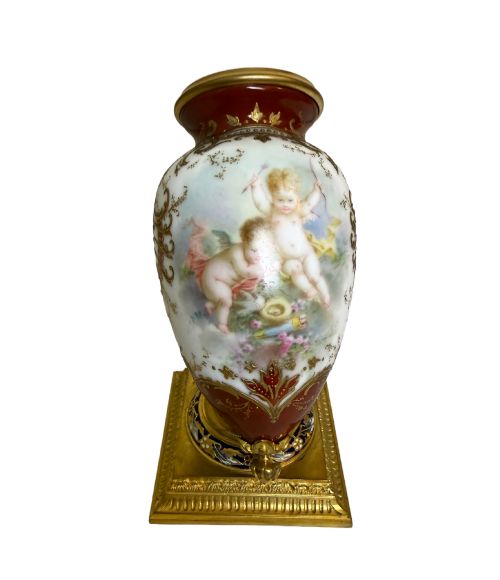
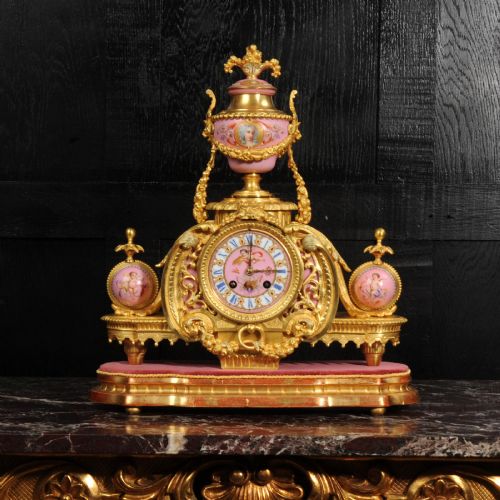
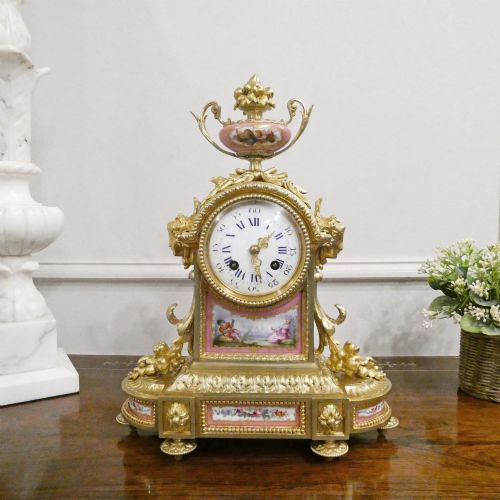
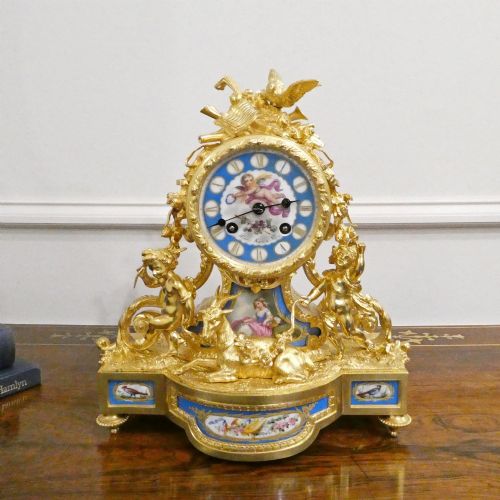
When seeking 19th century sevres porcelain, collectors acquire painted ceramic plaques, ornate mantel clocks and mounted vases shaped by French revival styles.
19th Century Sevres Porcelain
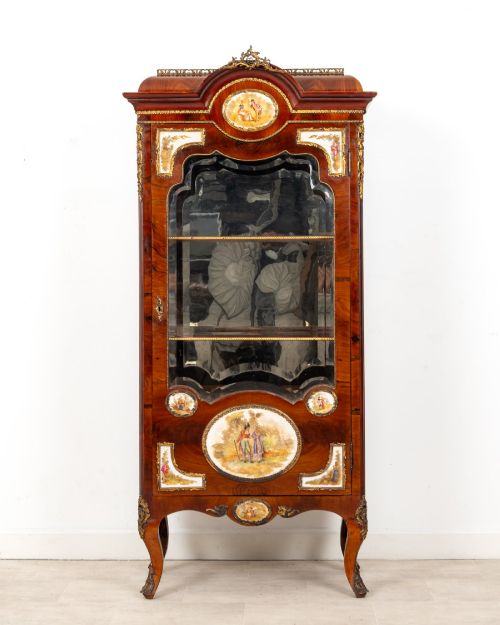
The 19th century sevres porcelain pieces available span functional vessels, decorative mantel clocks, and architectural mounts for furniture. Cabinets, vitrines, and desks frequently incorporate painted porcelain plaques within their wood frames.
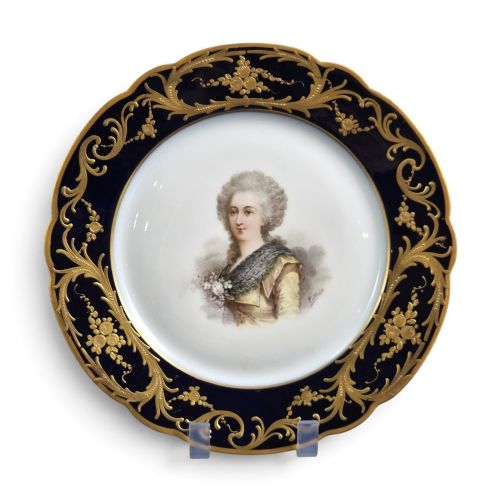
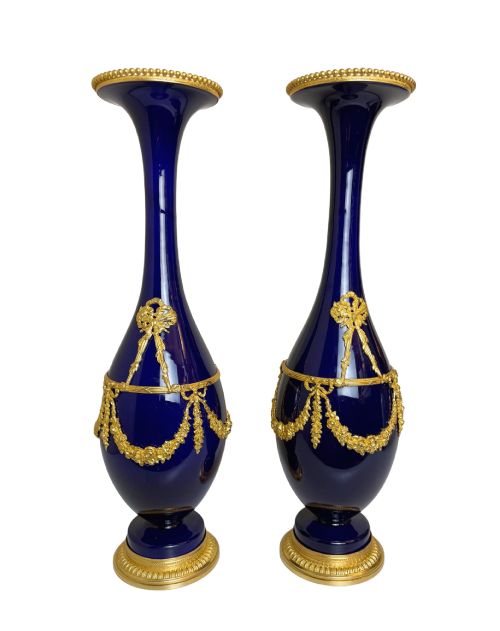
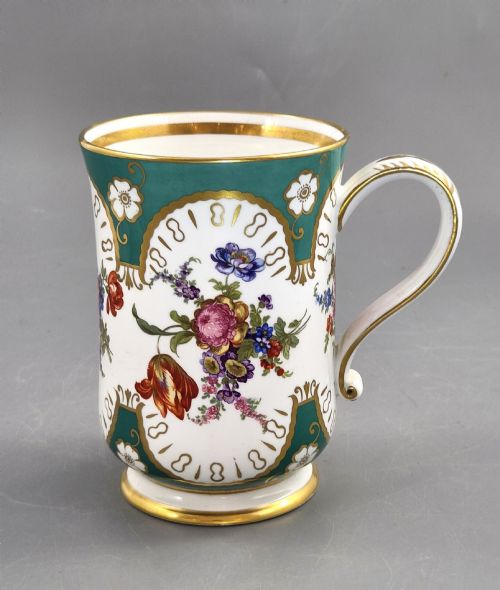
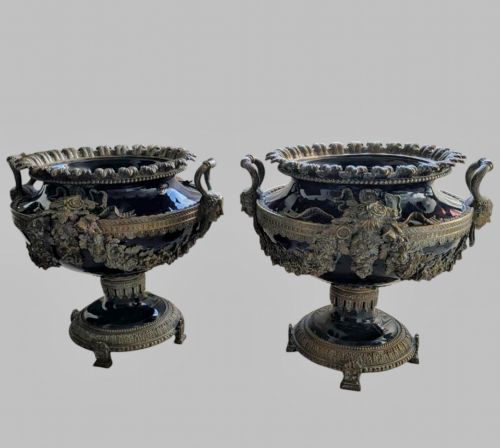
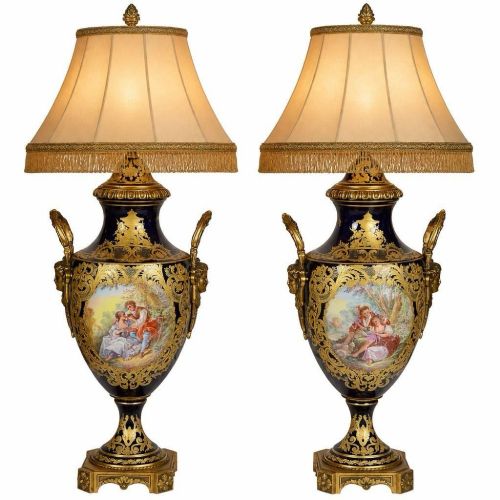
Vases, jardinières, and centrepieces dominate the ceramic forms, often paired with gilt metal or bronze mounts. Portrait plates and cabinet cups reflect the decorative tastes of the period.
Many items originate from French workshops or bear influences of the Sèvres aesthetic rather than direct manufacture at the royal French kiln. These objects bridge decorative art and utilitarian function within nineteenth-century interiors.
Materials and Construction
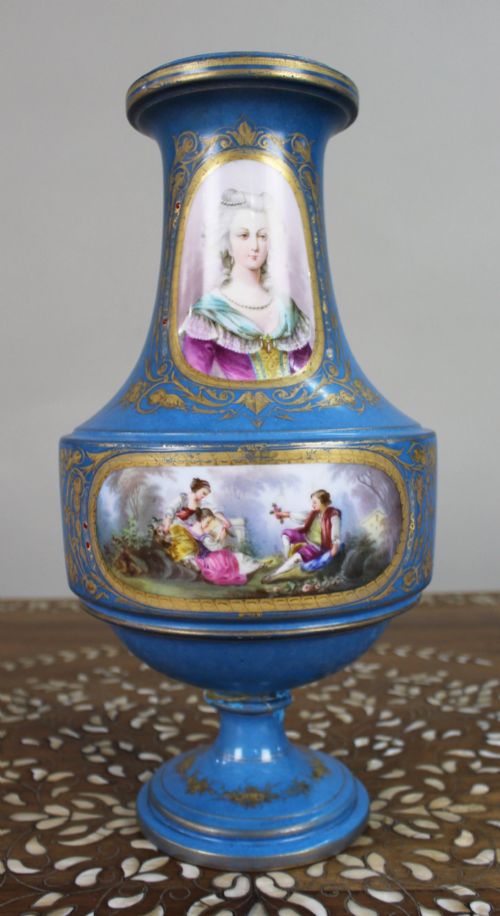
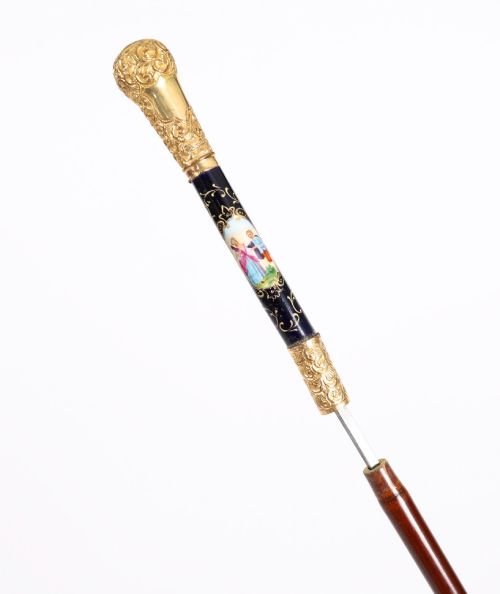
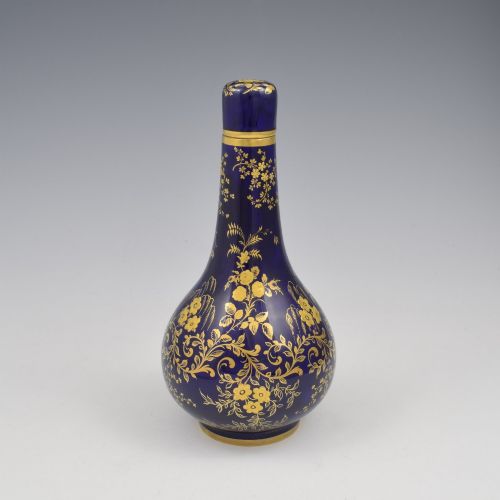
Makers shaped hard-paste and soft-paste porcelain bodies, applying cobalt blue, bleu céleste, and green grounds by hand. Artisans then overlaid intricate gilt detailing, gold leaf, and enamel work onto the ceramic surfaces.
Foundry casters produced ormolu and gilt bronze mounts to frame the porcelain plaques and vessels. Joiners integrated these ceramic elements into walnut, kingwood, rosewood, and satinwood furniture carcasses.
Listings feature porcelain, ormolu, and champlevé enamel applied to mantel clocks, cabinet plates, and furniture mounts across the nineteenth century.
Assessing Quality
The fineness of hand-painted portrait miniatures and floral reserves separates standard factory output from exceptional examples. Crispness in the chasing of the surrounding ormolu mounts indicates superior craftsmanship.
Integration between the ceramic components and the wooden furniture frames demonstrates the skill of the cabinetmaker. Heavily chased gilt bronze and unblemished enamel grounds distinguish high-tier decorative objects.
Jean-Baptiste Delettrez·Achille Brocot·Japy Freres·Henry Marc
The 19th Century Sevres Porcelain Glossary
- Ormolu
- Gilded bronze used for decorative mounts on clocks, furniture, and porcelain vessels. The technique involves applying a mercury-gilding process to cast brass or bronze.
- Bleu Céleste
- A bright sky-blue enamel ground colour developed at the Sèvres factory. It provides a vivid backdrop for hand-painted bird and floral subjects.
- Vitrine
- A glass-fronted display cabinet designed to showcase porcelain plates, cups, and small objects. These pieces often feature marquetry and gilt metal mounts.
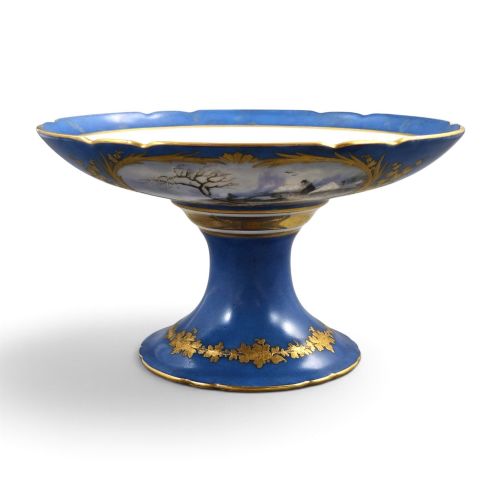
- Tazza
- A shallow ornamental cup or saucer raised on a stem and foot. They frequently appear in cobalt grounds with landscape or architectural scenes.
- Cartonnier
- A decorative desk-top cabinet with multiple compartments for papers. Examples often incorporate porcelain plaques and ormolu framing.
19th Century Sevres Porcelain: Frequently Asked Questions
How to identify true Sèvres?
Authentic factory pieces often bear specific interlaced monogram marks on the underside or reverse of the ceramic body. Many nineteenth-century items instead follow the Sèvres style and originate from other European kilns.
Examining the depth of the hand-painting and the weight of the bronze mounts helps clarify the production origin. Factory records and specialised ceramic guides provide further verification for marked examples.
Where were these pieces used?
Nineteenth-century households displayed mantel clocks and garniture vases on drawing room chimney pieces. Cabinet plates and vitrines populated formal entertaining spaces.
Smaller items like jewellery caskets and writing desks served personal functions in boudoirs and libraries. Larger furniture pieces with ceramic inserts anchored reception rooms.
How to care for porcelain?
Dust ceramic surfaces gently with a soft dry brush to prevent accumulation on gilt detailing. Avoid liquid cleaners that might degrade hand-painted enamels and gold leaf.
Keep ormolu mounts free of moisture to prevent tarnishing of the metal finish. Secure delicate lids and removable parts when relocating mounted vessels.
What styles are common?
French Rococo Revival and Louis XVI Revival dominate the aesthetic vocabulary of these decorative objects. Makers also drew upon Napoleon III designs and general Victorian preferences.
Scrollwork, naturalistic foliage, and classical architectural motifs appear across both clocks and furniture mounts. These historicist revivals defined nineteenth-century interior decoration.