

19th Century Salts
These 19th century salts are small table vessels shaped from sterling silver, cut glass, and porcelain, sought after for their precise period craftsmanship and formal variety.
19th Century Salts
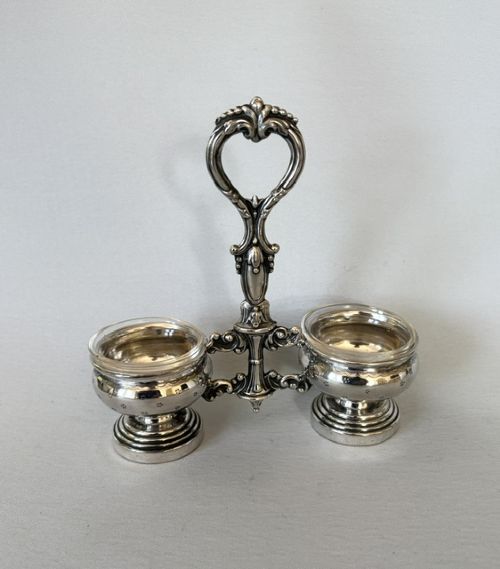
19th century salts include open master cellars, individual shakers, and figural vessels designed to hold seasoning at the dining table. The pieces appearing here span the Victorian, Georgian, and wider nineteenth century eras, encompassing diverse domestic forms.
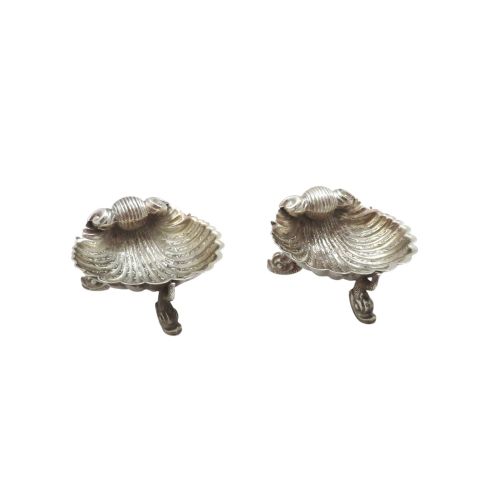
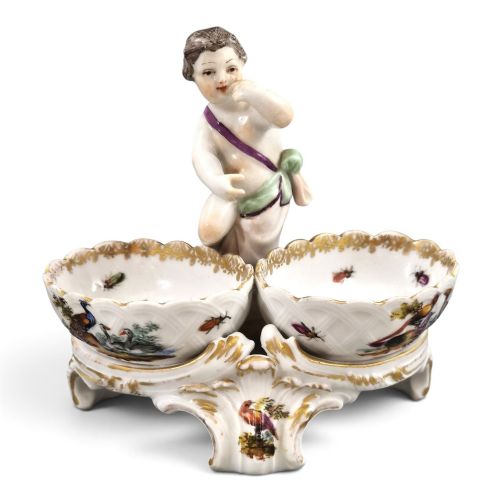
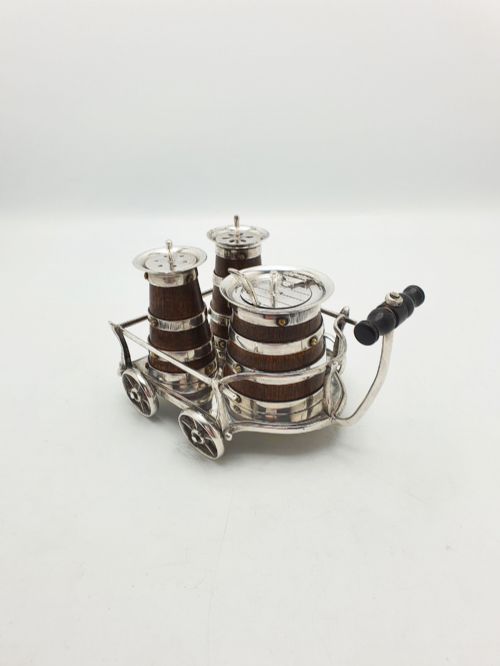
Most entries divide between sterling silver frames, coloured glass liners, and moulded ceramic bodies. Many take the form of scallop shells, barrels, or figural groups originating from English, French, and German workshops.
Collectors encounter both matched sets and single master pieces intended for communal service. The selection reflects the varied dining customs and material preferences of the period.
How They Were Made
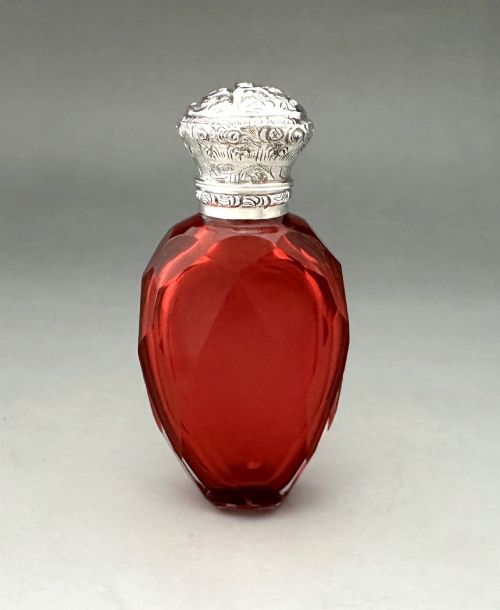
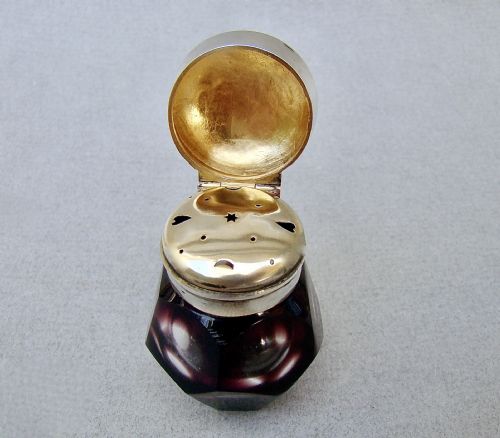
Silversmiths formed metal bodies through casting, stamping, and pierced work, often incorporating blue, cranberry, or ruby glass inserts. Ceramic and porcelain salts relied on moulded stoneware and hand-painted glaze applications.
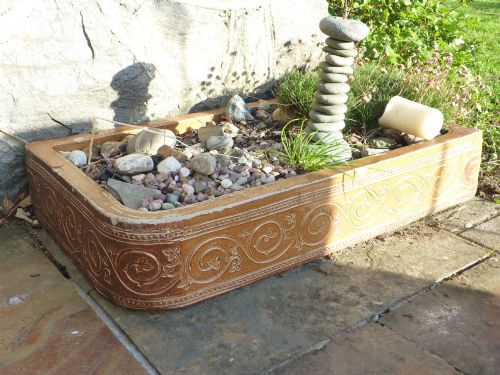
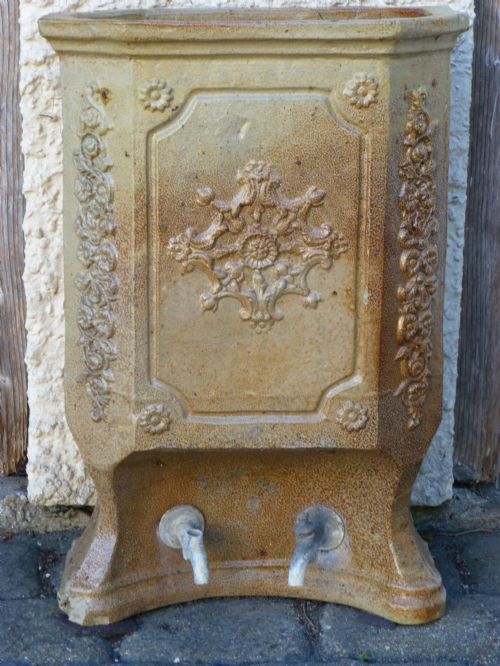
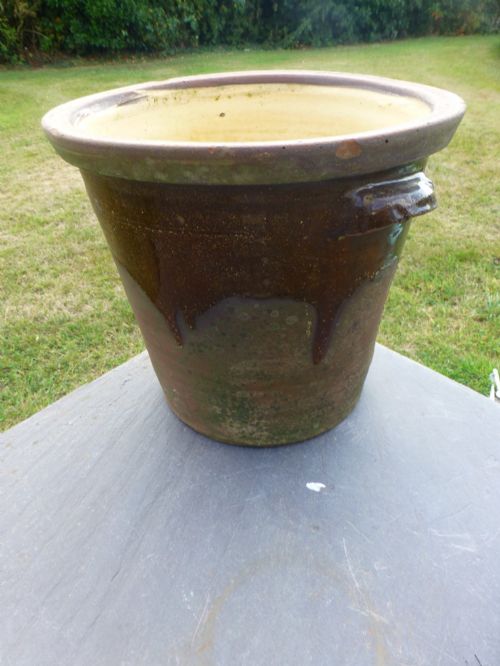
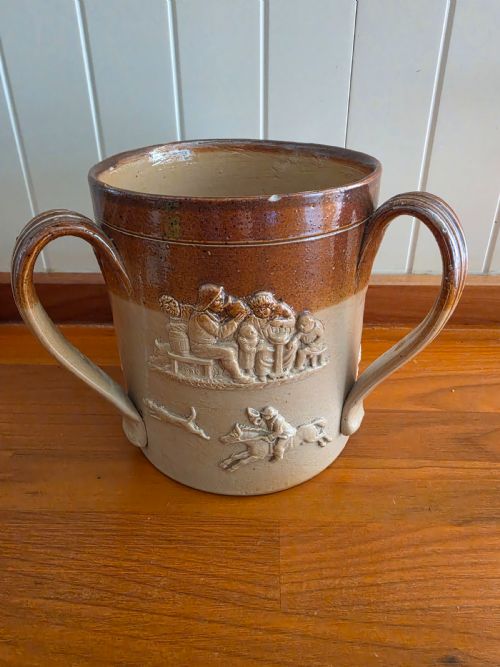
Glass examples utilised heavy cutting and etching techniques to catch the light on facets and rims. Stoneware items gained durability through salt glazing methods applied during high-temperature kiln firings.
Listings feature silver, stoneware, and cut glass across Victorian and Georgian periods.
What Varies in Quality
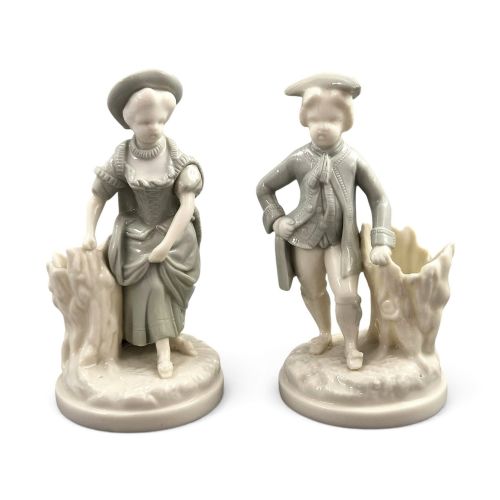
Quality rests upon the crispness of cast detail in silver mounts and the precision of hand-painting on porcelain figural pieces. Clean, unblemished glass liners and intact original gilding elevate the standing of a salt cellars pairing.
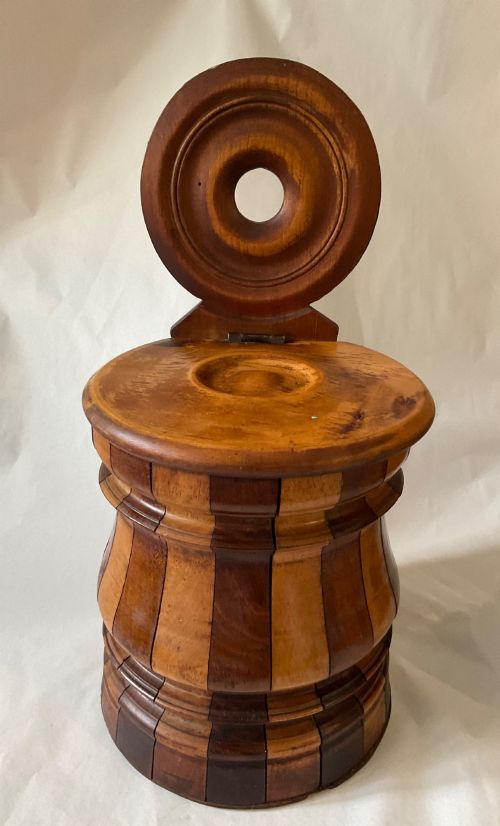
Maker marks, distinct hallmarks, and documented provenance distinguish standard workshop production from exceptional studio outputs. The integrity of the material structure, whether oak, sterling silver, or hard-paste porcelain, governs longevity.
Guichard Carriès·KPM Berlin·Edward Smith·Michael Alexandrovich Romanov·Paul Storr·Martin Hall
The 19th Century Salts Glossary
- Master salt
- A larger open vessel placed centrally on the dining table from which guests served themselves. These often match smaller individual cellars in a set.
- Salt glaze
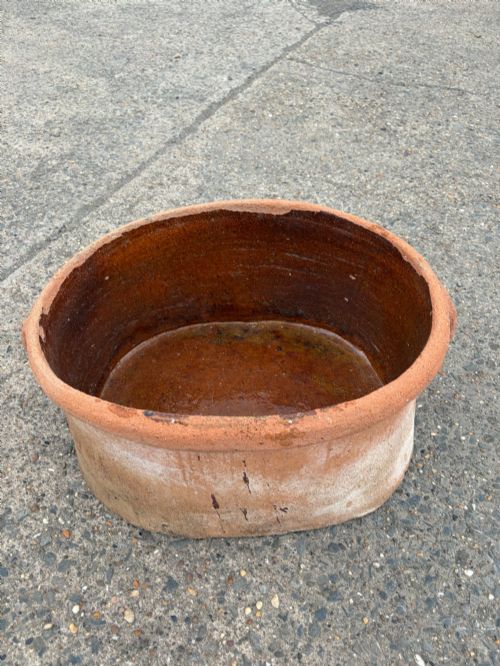
- A decorative and protective finish achieved by throwing common salt into the kiln during high-temperature firing, creating a pebbled texture.
- Vinaigrette
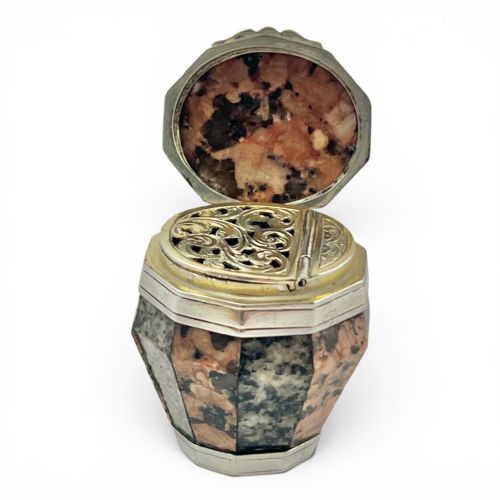
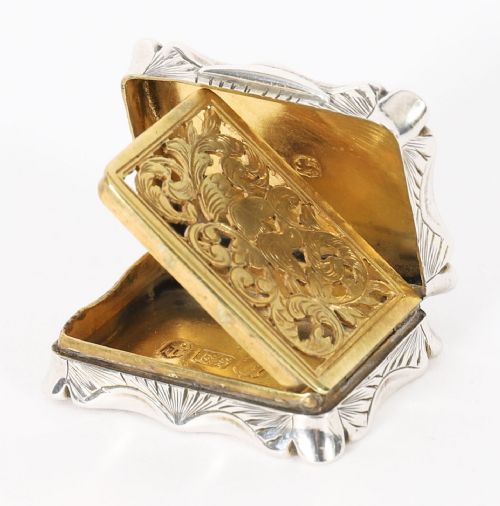
- A small ornamental box containing a perforated grill over a sponge soaked in aromatic vinegar. These share construction traits with miniature silver salt containers.
- Opaline glass
- An opaque or translucent art glass popular during the nineteenth century, frequently moulded into shell shapes for table wares.
- Figural salt
- A table vessel sculpted into the shape of a human figure, animal, or mythological subject rather than a standard geometric bowl.
19th Century Salts: Frequently Asked Questions
What is the difference between master and individual salts?
Master salts are larger vessels designed to sit in the middle of the table for communal use. Individual salts are smaller open cellars or shakers intended for each place setting.
Matching sets often include one master salt alongside several smaller companion pieces for the dining guests.
How were glass inserts used in silver salts?
Silver salt cellars frequently incorporated removable glass liners to protect the metal from the corrosive properties of salt. These liners came in clear, ruby, cranberry, or opaline glass.
Collectors look for these glass inserts to match the silver frame in age and colour origin.
What materials predominate in nineteenth century salts?
Sterling silver and silver plate form the majority of metal frames, often paired with cut or moulded glass. Ceramic and porcelain bodies also appear in figural and glazed stoneware designs.
Regional preferences influenced whether a workshop utilised local terracotta, German porcelain, or English silver.
How can I tell a Victorian salt from a Georgian one?
Georgian pieces often display neoclassical symmetry and restrained silversmithing techniques. Victorian examples frequently embrace rococo revival flourishes, novelty shapes, and coloured opaline glass.
Date letters on silver hallmarks provide the most reliable method for precise chronological attribution.