



19th Century Porcelain Sculpture
These 19th century porcelain sculpture pieces capture the ambition of European and Asian kilns through enduring figures and classical forms.
19th Century Porcelain Sculpture
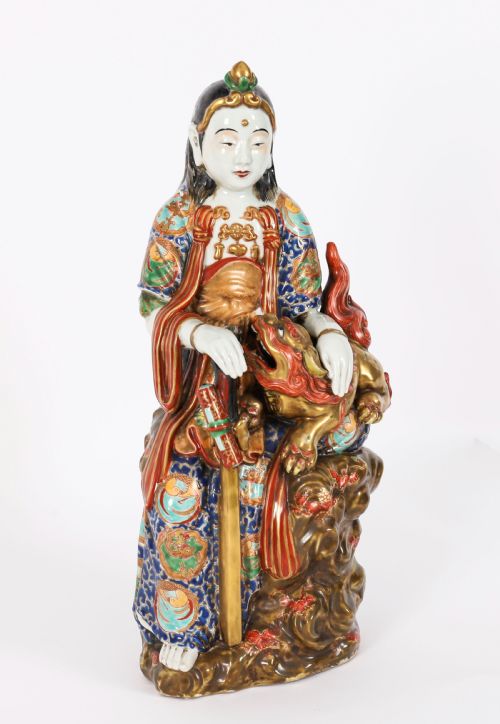
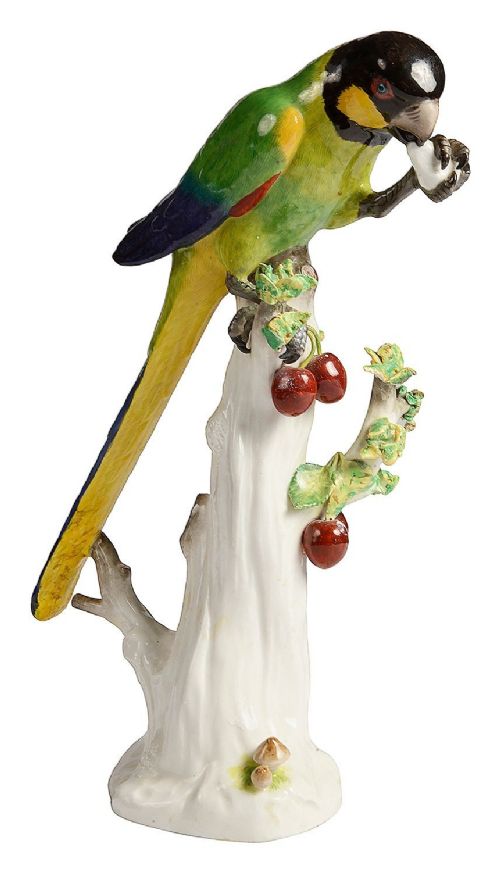
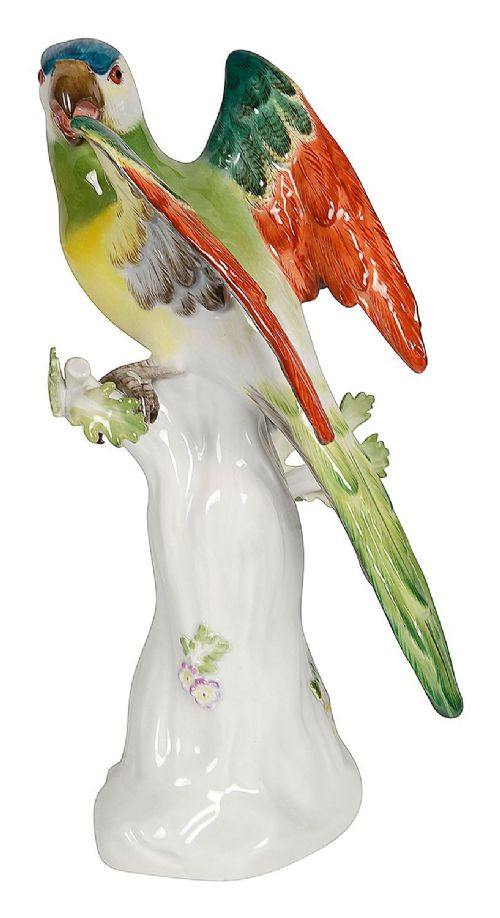
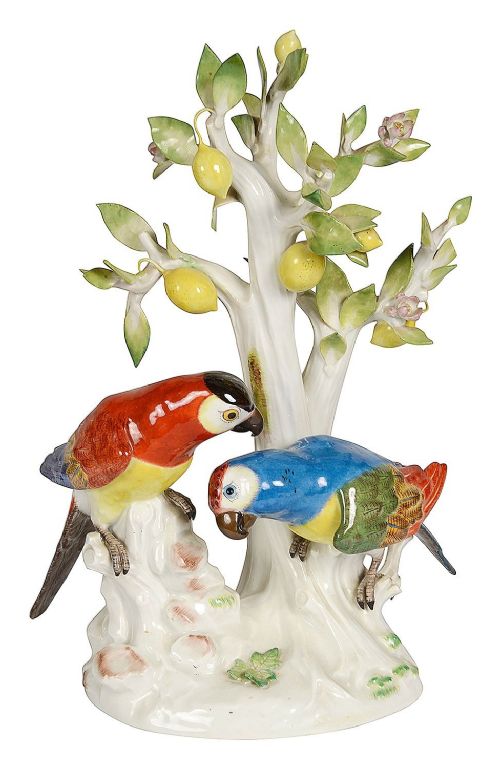
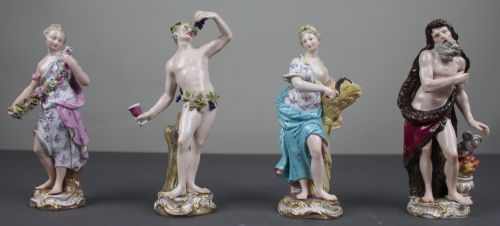
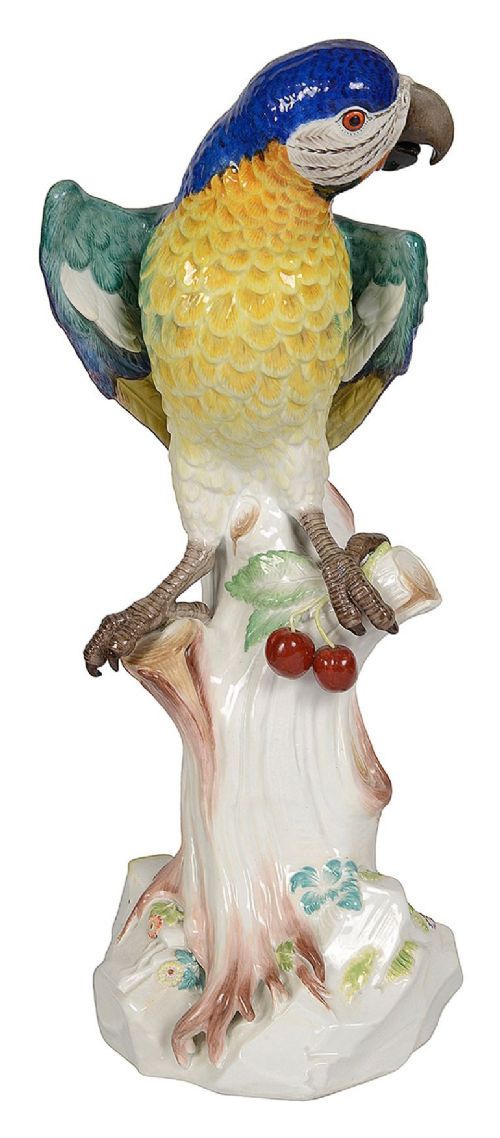
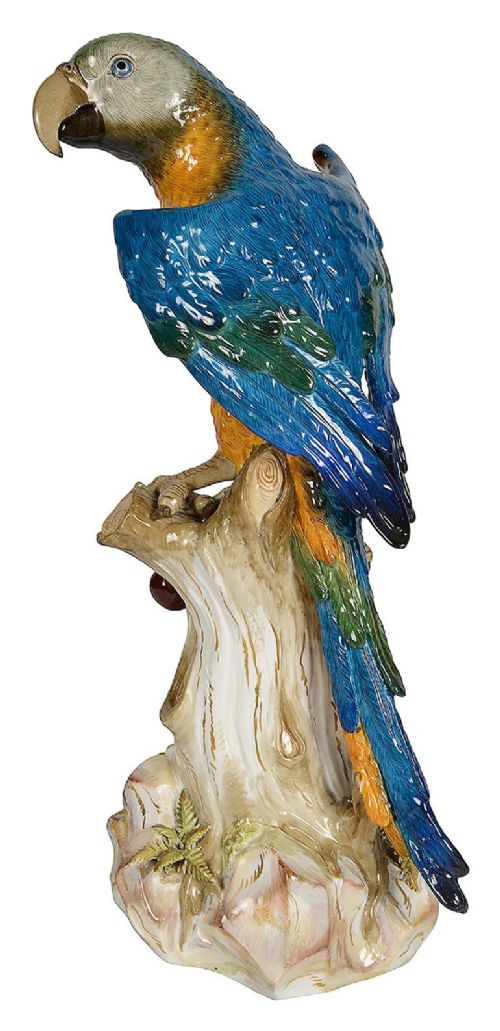
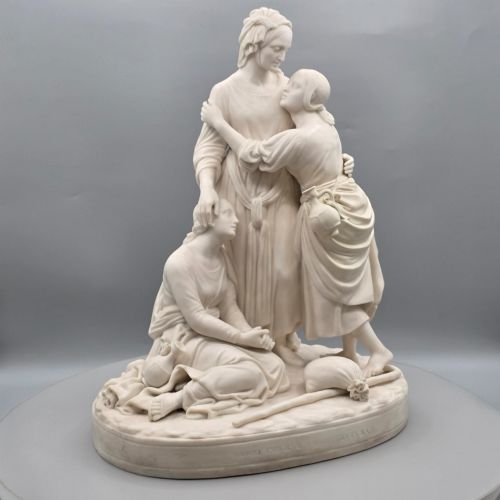
A 19th century porcelain sculpture brings together diverse international kiln traditions, spanning continental factories, English potteries, and Japanese workshops. Buyers encounter everything from large Meissen animal studies and allegorical groups to classical parian figures and delicate biscuit porcelain busts.
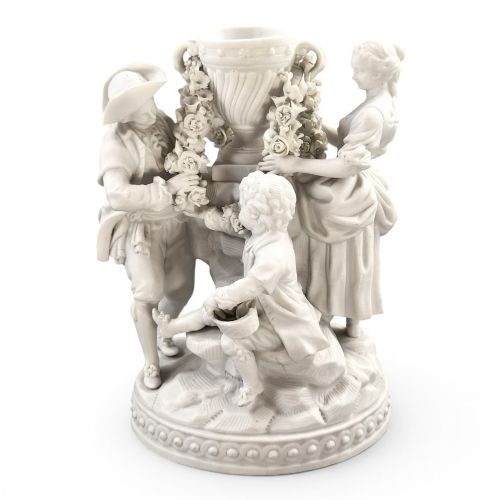
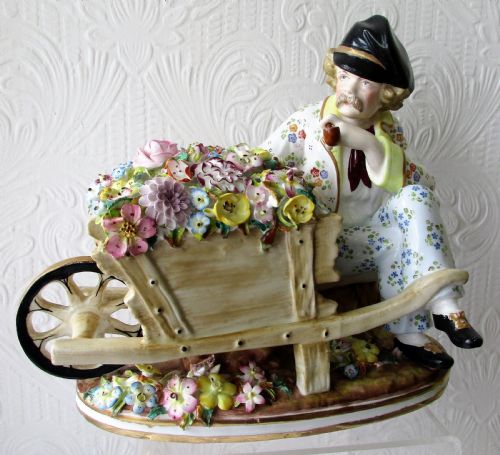
The prevalent forms include detailed figures of animals, mythological groups, and pastoral characters produced across the Victorian era. Many carry influences of Rococo Revival and Neoclassical styles, reflecting the eclectic tastes of the period.
These works function primarily as decorative cabinet pieces or centrepieces, displaying the technical mastery achieved by historic manufacturers during the 19th century.
Materials and production methods
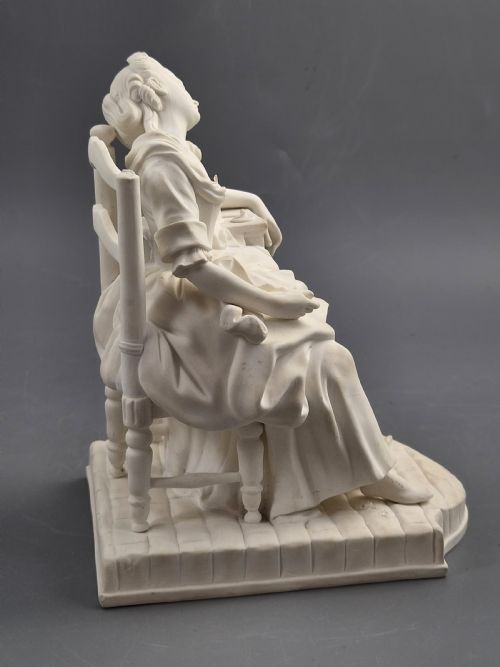
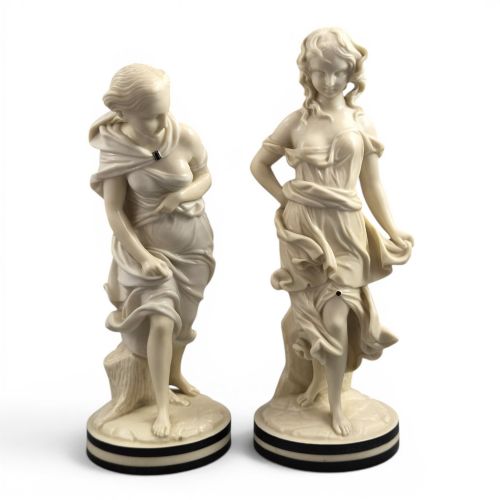
Makers utilised hard-paste porcelain, soft-paste porcelain, and specialised parian body types to achieve different surface textures and levels of translucency. Parian porcelain became particularly popular for replicating the finish of carved marble without requiring post-firing glazing.
Modelters applied delicate touches of enamel paint, gilding with gold leaf, or left the ceramic in a matte bisque state to highlight anatomical details and drapery. Complex sculptural groups were cast in multiple mould parts before being assembled and hand-finished prior to kiln firing.
Materials span hard-paste porcelain, parian ware, enamel, and gold leaf.
Distinctions in quality
Quality rests upon the crispness of the original modelling and the precision of the post-casting cleanup work. Superior examples retain fine facial expressions, sharp fingers, and intricate botanical elements without the blurring often seen in secondary production runs.
The application of hand-painted enamel and gold leaf distinguishes master-level factory output from commercial grade pieces. Heavier, well-balanced proportions and careful placement of firing supports underneath large forms indicate superior kiln management.
Meissen·Minton·Royal Worcester·Royal Dux·Copeland
The 19th Century Porcelain Sculpture Glossary
- Parian porcelain
- A fine-grained, unglazed porcelain developed in the 19th century to imitate white marble. It contains a high proportion of feldspar, which vitrifies during firing to produce a smooth, slightly translucent finish.
- Biscuit porcelain
- Ceramic ware that has been fired once without glaze, resulting in a matte, porous surface resembling marble. It is also frequently referred to as bisque.
- Hard-paste porcelain
- A durable ceramic composition fired at very high temperatures using kaolin and petuntse. This material yields a bright white body that resists scratching and accepts transparent glazes evenly.
- Enamel
- Opaque glass-based colours applied over or under the glaze to decorate porcelain surfaces. These pigments require secondary low-temperature firings to fuse permanently with the ceramic body.
- Glaze
- A glassy coating fused to the surface of ceramic bodies through heat. It seals the porous clay underneath and provides a glossy, protective finish.
19th Century Porcelain Sculpture: Frequently Asked Questions
How do I clean 19th century porcelain sculptures?
Use a soft, dry brush to gently remove dust from crevices and delicate extremities. Avoid soaking unglazed parian or bisque pieces in water, as moisture can permanently stain the porous ceramic body.
For glazed surfaces, a damp cloth with mild soap suffices, provided the piece has no historic cracks or previous restorations that water might weaken.
What is the difference between parian and bisque?
Parian porcelain contains a high feldspar content designed to vitrify slightly in the kiln, creating a dense, heavy material with a warm, marble-like sheen. Bisque porcelain remains completely unglazed and porous with a chalky, matte texture.
Both were utilised for classical figures throughout the 19th century, but parian offers greater durability and a smoother tactile quality.
Where were parian figures displayed in homes?
Victorians placed these sculptures on mantelpieces, credenzas, and dedicated pedestal tables in drawing rooms to signal cultural literacy and refined taste. Their bright white finish stood out well against richly coloured Victorian interior walls and heavy drapery.
Smaller groups served as table centrepieces during formal dining occasions before returning to display cabinets.