





19th Century Porcelain Jar
When you search for a 19th century porcelain jar, you enter a diverse field spanning European factories and Asian export studios.
19th Century Porcelain Jar
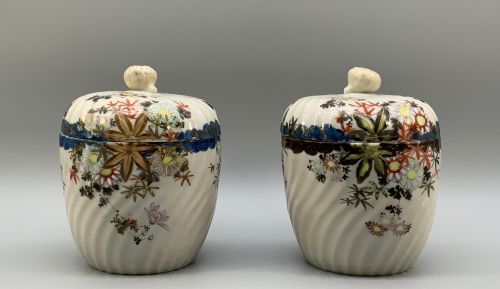
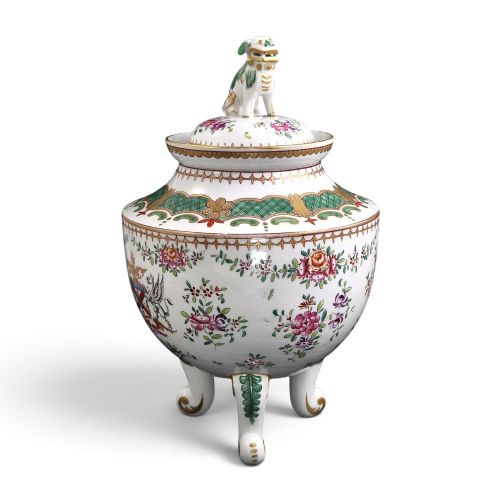
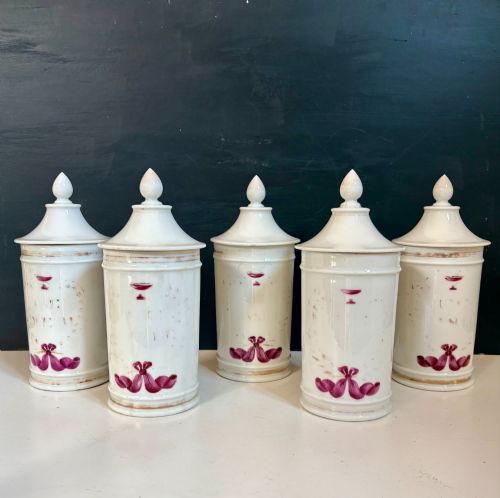
A 19th century porcelain jar encompasses a wide variety of domestic vessels, from ginger jars and lidded pots to urns and apothecary containers.
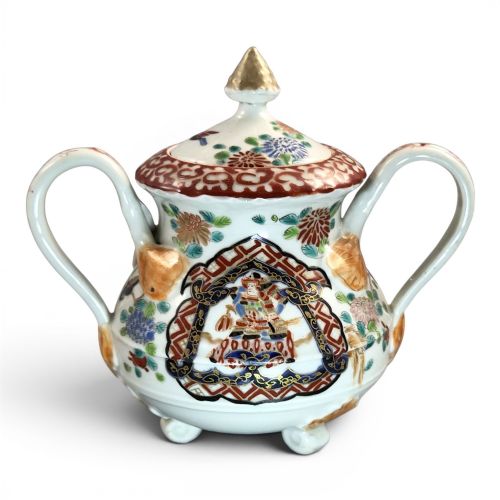
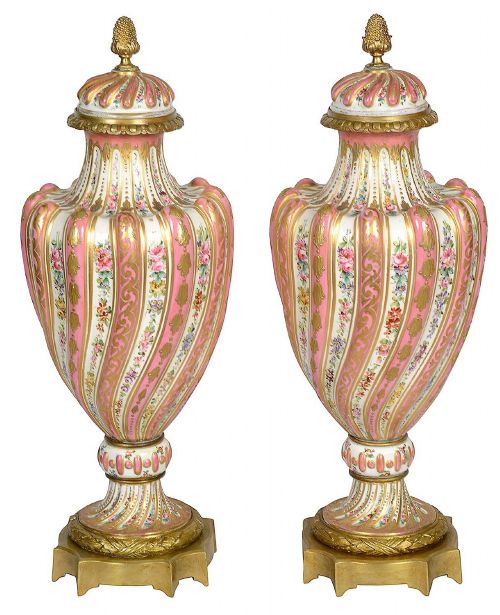
The objects listed on this page bridge European revival styles, such as French Rococo and Sèvres style pieces, alongside traditional Chinese and Japanese Imari export porcelain.
Buyers encounter both functional vessels like tobacco and apothecary jars and purely decorative lidded vases produced across the Victorian era and the Meiji period.
Materials and technique
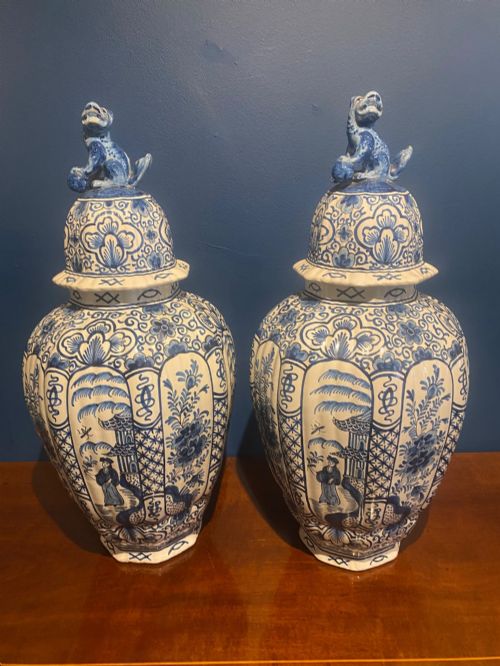
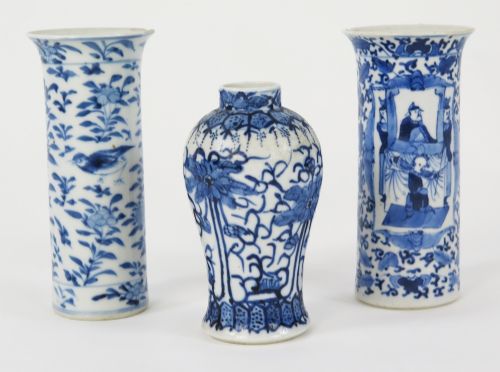
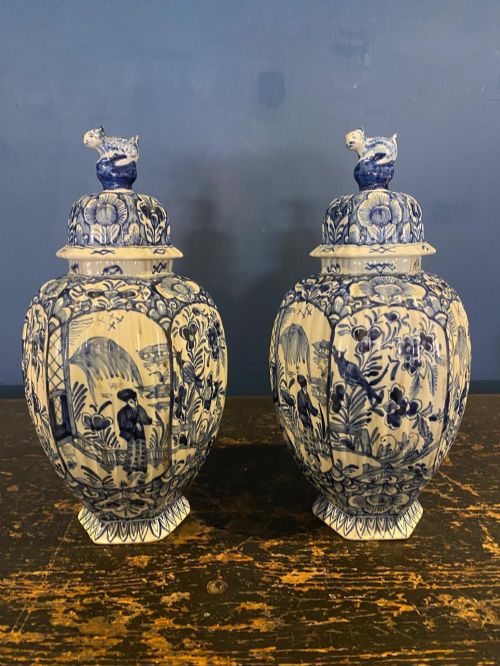
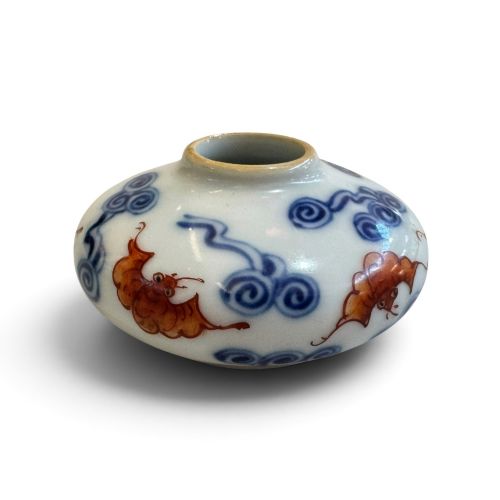
Makers utilised high-fired porcelain bodies decorated with hand-painted floral motifs, underglaze blue, and polychrome enamel palettes.
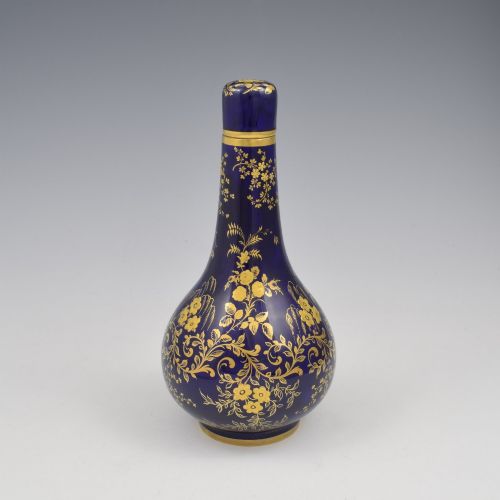
Many European and Asian pieces incorporate additional decorative layers, including gold leaf, gilding, and intricate brass or ormolu mounts.
Techniques range from precise transfer printing and hand-painting to specialised potting methods seen in Arita kilns and European factories.
19th Century Porcelain Jar Retail Price Guide 2026
Typical asking prices for 19th century porcelain jar among the pieces listed under this phrase on Sellingantiques today, from the lower quarter to the upper quarter. They describe what is for sale here now, not the wider market.
Listings feature porcelain forms spanning the Victorian era, the Meiji period, and the Qing dynasty.
Measures of quality
The standard of a piece depends on the precision of the hand-painted decoration, particularly in detailed figural scenes and floral work.
Quality also rests in the weight and proportion of the porcelain body and the integration of metal mounts such as ormolu or brass.
Attribution to documented factories or workshops elevates certain items above standard commercial production of the period.
Samson Paris·Sitzendorf·Derby Porcelain·Limoges·Samuel Alcock and Co·Spode·Fukagawa·Dresden·Helena Wolfsohn·Berlin·Forester and Son
The 19th Century Porcelain Jar Glossary
- Imari
- A style of Japanese export porcelain decorated in underglaze blue, iron red, and gold, named after the port of shipment. It gained immense popularity in Europe during the nineteenth century.
- Ginger jar
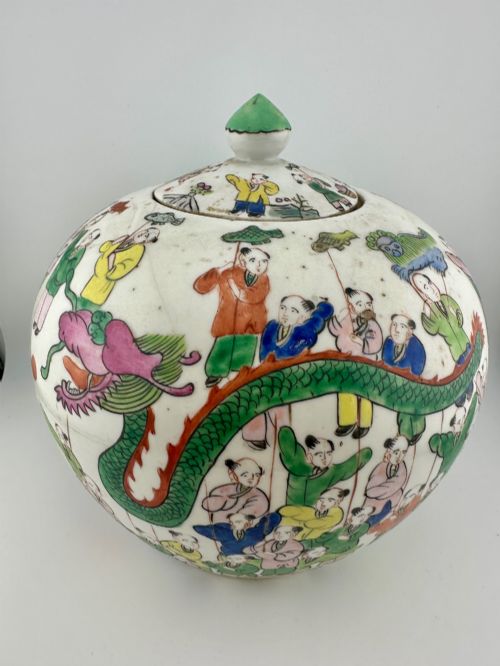
- A ceramic vessel characterised by a wide body and high shoulders, originally designed for storing spices and herbs before becoming purely decorative.
- Ormolu
- Gilded bronze mounts applied to nineteenth-century porcelain bodies and urns to enhance their decorative appeal. This technique was favoured by French makers.
- Garniture
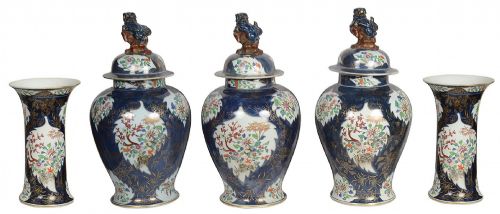
- A set of matching vases or jars designed to be displayed together on a mantelpiece or sideboard. They typically feature graduated or matching forms.
- Apothecary jar
- A vessel utilised by chemists for holding medicinal ingredients, often identified by painted labels or specific lidded forms.
19th Century Porcelain Jar: Frequently Asked Questions
Were these jars used for display?
Many nineteenth-century lidded jars and garnitures were created specifically for ornamental display on mantelpieces or within cabinets rather than utilitarian storage.
Their hand-painted floral panels and gilt bronze mounts indicate an interior status role.
How can I tell European from Asian porcelain?
European factories like Sèvres, Berlin, and Dresden often applied distinct factory marks, ormolu mounts, and specific revival styles such as Rococo.
In contrast, Japanese Meiji period and Chinese Qing dynasty pieces utilise traditional export motifs like Famille Rose and Imari designs.
What is an apothecary jar?
An apothecary jar is a lidded container originally used in nineteenth-century dispensaries and pharmacies to hold dry or liquid medicines.
These pieces often feature clear labelling or distinct forms tailored to hold specific substances.