



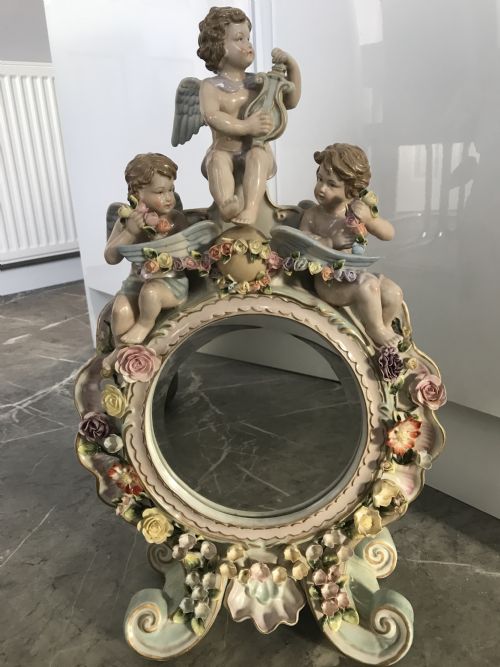


Victorian Dresden Porcelain
Victorian dresden porcelain brings flamboyant continental ornamentation into the room through heavily decorated mirrors, lamps, and figurative groups.
Victorian Dresden Porcelain
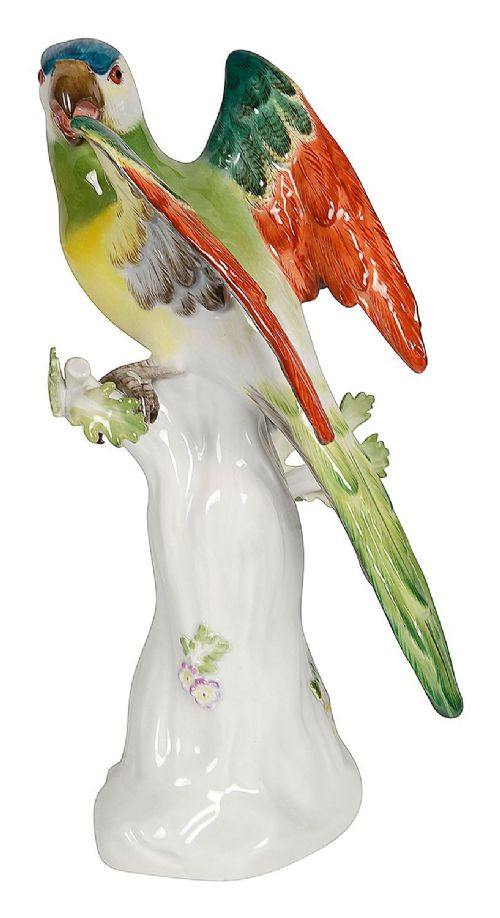
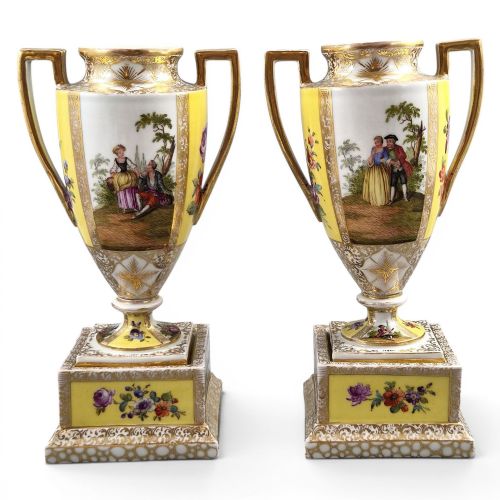
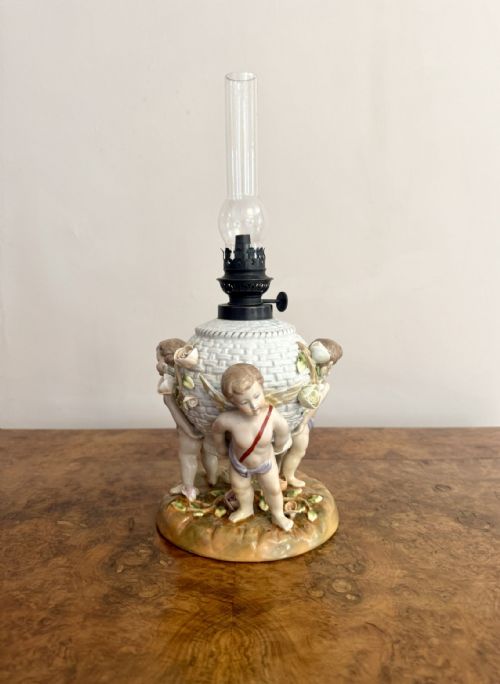
Victorian dresden porcelain encompasses elaborate decorative items made in central European factories during the nineteenth century. These objects include oil lamps, dressing table mirrors, figurative groups, and lidded urns created in revival styles.
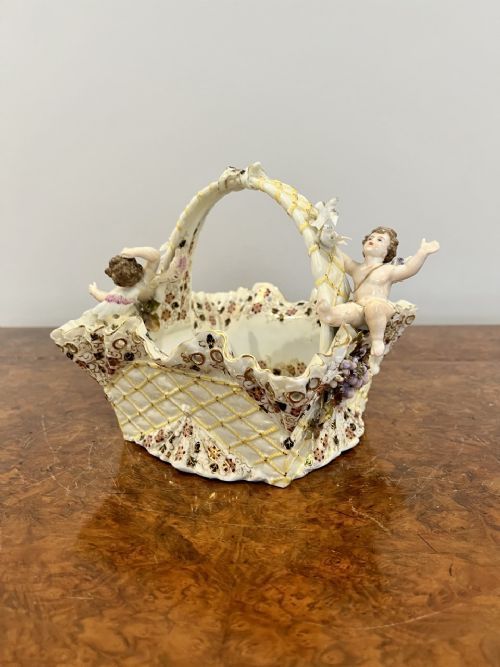
Buyers frequently encounter pieces shaped by the Rococo Revival, featuring scrolled bases and applied floral elements. Candlesticks, centrepieces, and vases dominate the selection alongside pastoral figures.
The objects stem from various German manufactories working in the nineteenth century, including Sitzendorf, Volkstedt, and workshops associated with Helena Wolfsohn. Many items combine utility with ornamental excess, such as lamps fitted with brass or porcelain fonts.
Materials and production methods
Hard-paste porcelain forms the structural body of these items, fired at high temperatures to create a dense white ceramic base. Artisans then applied enamel colours and gold leaf highlights by hand across the surface.
Gilt bronze, brass, and glass frequently accompany the ceramic components in oil lamps and mirrors. Delicate floral encrustations are modelled separately and applied to the porcelain body before the final glaze firing.
Victorian Dresden Porcelain Retail Price Guide 2026
Typical asking prices for victorian dresden porcelain among the pieces listed under this phrase on Sellingantiques today, from the lower quarter to the upper quarter. They describe what is for sale here now, not the wider market.
Listings feature hard-paste porcelain combined with gold leaf, brass, and enamel across the nineteenth century.
Quality variations in nineteenth-century ceramics
The application of gilding separates standard production from superior work. Rich gold leaf detailing and carefully controlled enamel painting distinguish the output of premier continental workshops.
Sitzendorf·Helena Wolfsohn·Meissen·Volkstedt·C.G. Schierholz and Sohn
The Victorian Dresden Porcelain Glossary
- Hard-paste porcelain
- A vitrified ceramic composed of kaolin and petuntse, fired at high temperatures. This material creates a hard, impermeable white body used across nineteenth-century German factories.
- Rococo Revival
- A nineteenth-century design movement mimicking the asymmetrical scrolls, C-curves, and naturalistic motifs of the eighteenth century. This style dictates the sweeping forms of many mirrors and candelabra.
- Gilding
- The application of gold leaf or powdered gold to the surface of porcelain or metal mounts. It provides metallic enrichment to borders and handles.
- Centrepiece
- A large decorative table ornament placed in the middle of a dining setting. These often take the form of encrusted baskets or multi-tiered figural groups.
- Potpourri
- A perforated lidded vessel designed to hold dried scented plant material. These containers feature pierced ceramic work to release fragrance.
Victorian Dresden Porcelain: Frequently Asked Questions
How do I clean antique porcelain?
Dust surfaces gently with a soft brush to protect delicate applied flowers and gold leaf details.
Avoid immersing pieces in water, particularly those with brass mounts or painted enamel decorations that may suffer damage.
Are these lamps safe to use?
Most antique oil lamps retain their original brass or porcelain reservoirs but require rewiring by a professional before modern domestic use.
Collectors often display them as decorative objects rather than functional lighting fixtures to preserve their original condition.
What does the AR mark mean?
The monogram AR typically appears on pieces associated with Augustus Rex and denotes eighteenth-century royal porcelain styles.
Nineteenth-century decorators frequently utilised this mark to reference earlier Meissen aesthetics on their own decorative wares.
How are figures attributed without marks?
Stylistic indicators such as facial modelling, specific pastel enamel palettes, and characteristic floral encrustations help link unmarked items to known factories.
Comparing base construction and glaze textures with documented examples from Sitzendorf or Volkstedt aids proper identification.