




Antique Dresden Vase
An antique dresden vase brings decorative porcelain, painted scenes, and gilded detail into a room.
Antique Dresden Vase
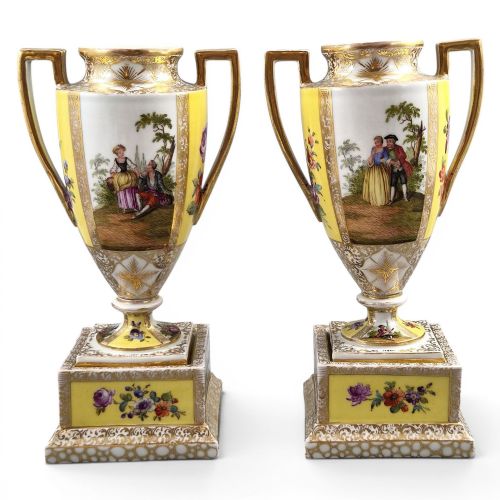
When you search for an antique dresden vase, you are looking at nineteenth century decorative vessels, lidded urns, and ginger jars produced in the tradition of German porcelain. The pieces you are most likely to meet on this page date from the late nineteenth century, specifically around eighteen eighty and the eighteen nineties, capturing Victorian continental tastes.
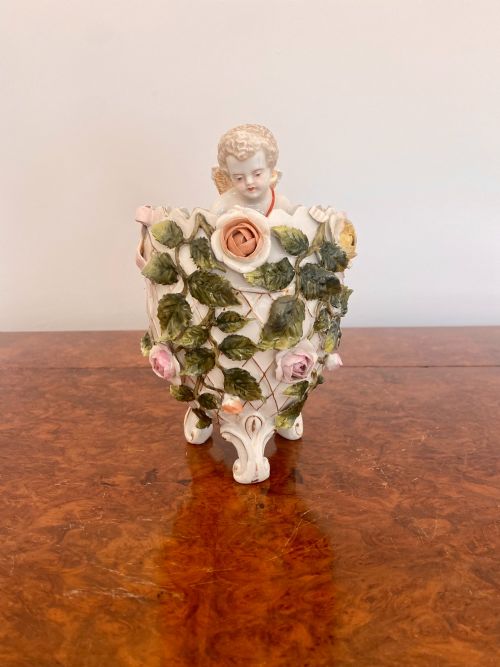
Forms range from simple twin-handled vessels to elaborate lidded vases and potpourri jars adorned with cherubs. Many examples reflect historical revivals, incorporating rococo ornamentation alongside cobalt blue grounds and painted figures.
Makers working within this sphere produced items that served as centrepieces for formal rooms. Collectors encounter both matched pairs and individual statement pieces bearing various marks associated with the region.
What varies in quality
The finesse of the hand-painted enamel work separates standard production from superior pieces. Fine examples display crisp detail in figural scenes and delicate brushwork on floral panels.
The application of gold leaf and gilding dictates the overall visual impact of a piece. Rich, heavy gilding applied to crisp mouldings indicates a higher standard of manufacture compared to rubbed or flat decoration.
Antique Dresden Vase Retail Price Guide 2026
Typical asking prices for dresden vase among the pieces listed under this phrase on Sellingantiques today, from the lower quarter to the upper quarter. They describe what is for sale here now, not the wider market.
A persistent cherub manages to look thoroughly unimpressed while clinging to the side of a nineteenth century porcelain vessel.
Helena Wolfsohn·Augustas Rex·Sitzendorf·Donath and Co·Richard Eckert
The Antique Dresden Vase Glossary
- Hard-paste porcelain
- A dense ceramic material composed of kaolin and petuntse, fired at high temperatures. It forms the durable white body typical of nineteenth century continental European vessels.
- Gilding
- The application of gold leaf or gold paint to ceramic surfaces. It provides the metallic highlights seen on handles, rims, and moulded details.
- Potpourri jar
- A lidded vessel perforated to allow scented dried plant materials to fragrance a room. These often feature decorative piercing on the cover or shoulder.
- Enamel
- Opaque glass fused to porcelain during firing to create coloured decoration. It provides the palette for painted scenes and floral panels.
Antique Dresden Vase: Frequently Asked Questions
What is a dresden vase?
An antique dresden vase is a nineteenth century porcelain vessel originating from Germany, often featuring hand-painted scenes and gilded ornamentation. These decorative objects range from lidded ginger jars to twin-handled urns.
Many pieces reflect Victorian continental styles and historical revivals. They were intended primarily for display in formal drawing rooms.
How do I identify a dresden vase?
Identification relies on examining the porcelain body, hand-painted enamel decoration, and identifying marks on the base. Pieces from this tradition frequently incorporate blue underglaze monograms or factory ciphers.
Stylistic indicators include rococo revival moulding, figural scenes, and applied floral elements. Comparing the piece to recorded nineteenth century examples helps clarify its origin.
Where were these vases made?
These decorative items were produced in and around Dresden, Germany, by various independent decorating studios and porcelain factories. While Dresden served as the primary trading and decorating hub, specific blanks often originated from nearby manufacturing centres.
Studios such as those run by Helena Wolfsohn utilised white porcelain from established makers to create their finished pieces.
How should I clean porcelain?
Dusting with a soft, dry cloth is the safest method for maintaining nineteenth century porcelain surfaces. Avoid using harsh chemical cleaners or abrasive scourers which can damage delicate enamel and gilding.
If washing is necessary, use lukewarm water with mild soap, supporting the vessel carefully. Ensure the piece is dried thoroughly afterwards.