


19th Century Porcelain Art
These pieces of 19th century porcelain art bring hand-painted plaques, vases and figures into a room.
19th Century Porcelain Art
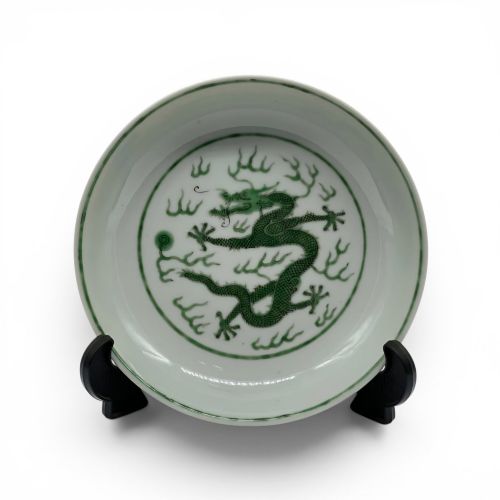
When searching for 19th century porcelain art, collectors encounter a diverse selection of decorative items ranging from large chargers and wall plaques to sculptural figures and vases. These objects cross European and Asian traditions, including French Paris porcelain, German KPM works, Japanese Meiji pieces, and Chinese Qing dynasty styles.
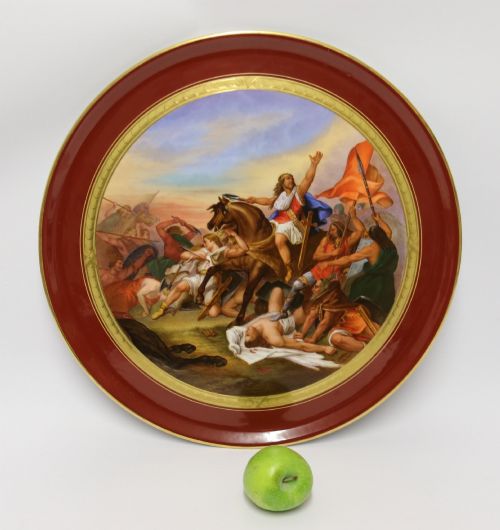
The version most commonly met on this page is the painted porcelain plaque or charger, often depicting historical scenes, portraits, or mythological subjects after master painters. Alongside these flat decorative items stand ceramic busts, vases, and porcelain figurines produced during the Victorian and Art Nouveau periods.
How they were made
Makers utilised fine ceramic and porcelain bodies, shaping them into plaques, vessels, and figures before applying detailed hand-painted enamel decoration. Gold leaf and rich gilding frequently accent the borders and highlights of chargers and vases.
Many works combine porcelain with supplementary materials such as giltwood frames for wall plaques and carved wooden display elements. Bisque porcelain appears in unglazed sculptural figures, offering a matte finish that highlights modelled details.
Materials recorded on this page include enamel, gold leaf, glaze, giltwood, ceramic, and wood alongside porcelain.
What varies in quality
The standard of painting sets the leading examples apart from standard production, particularly in hand-painted portrait and narrative plaques that demand precise brushwork. Fine detail in facial expressions, drapery, and tonal shading distinguishes the work of skilled factory painters and named artists.
The crispness of the porcelain moulding and the richness of the glaze or enamel colours dictate the overall visual depth. Well-preserved gilding and the integrity of any original frames or mounts contribute to the standing of a piece.
Henry Stacy Marks·Luca Madrassi·Ernst Wahliss·Achille Mollica·Moorcroft Macintyre·E. Cremer
The 19th Century Porcelain Art Glossary
- Bisque
- Unvarnished white porcelain that has been fired once, valued for its matte, marble-like surface texture in sculptural figures. This finish allows fine anatomical and textural details to remain sharp.
- Charger
- A large decorative plate intended for display rather than table use. These often feature elaborate historical or mythological painted scenes across the wide central surface.
- Plaque
- A flat porcelain panel painted with a pictorial subject and designed to be hung on a wall. Many are housed within carved wooden frames.
- Imari
- A style of Japanese export ceramics characterised by underglaze blue and iron-red designs with supplementary gilding. It gained wide popularity across Europe during the nineteenth century.
- Parian
- A type of fine biscuit porcelain resembling white marble, developed in England and utilised for classical statuary figures.
19th Century Porcelain Art: Frequently Asked Questions
What subjects appear on porcelain plaques?
Portraits of historical figures, classical mythological scenes, and reproductions of Renaissance paintings form the primary subjects on nineteenth-century porcelain plaques. Artists often painted these intricate compositions by hand on flat porcelain blanks before firing them to set the colours.
Many of these plaques were framed in wood or gilt mounts for wall display in nineteenth-century interiors. They served as durable alternatives to canvas paintings, retaining their vibrant enamel colours over generations.
Where were KPM plaques made?
KPM plaques originate from the Königliche Porzellan-Manufaktur in Berlin, one of Europe's leading royal porcelain factories. Artists working for the manufactory produced highly detailed painted plaques depicting literary scenes, portraits, and landscapes.
Collectors prize these works for the exceptional precision of the enamel painting. The factory mark on the reverse helps confirm the production period.
How should I display porcelain chargers?
Porcelain chargers require sturdy wall brackets or specialised plate stands designed to support their weight safely. Because many feature hand-painted surfaces and gilt rims, placement away from direct sunlight preserves the enamel colours.
Displaying them at eye level allows viewers to appreciate the fine details of the central narrative scenes. Ensuring stable placement prevents accidental displacement from shelves or walls.