
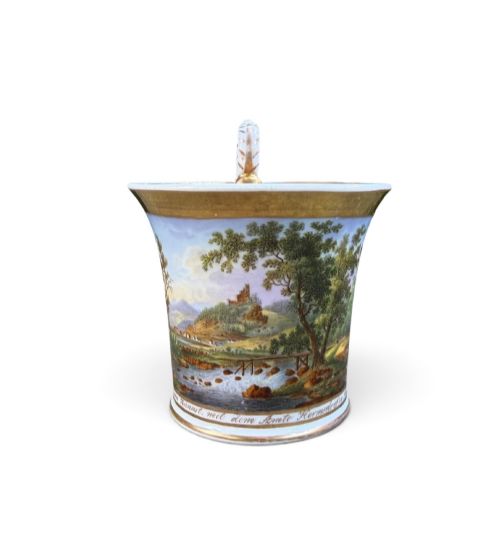


Berlin Porcelain Painting
Berlin porcelain painting offers exquisite miniature scenes and plaques, capturing classical portraits and landscapes for collectors of fine ceramics.
Berlin Porcelain Painting
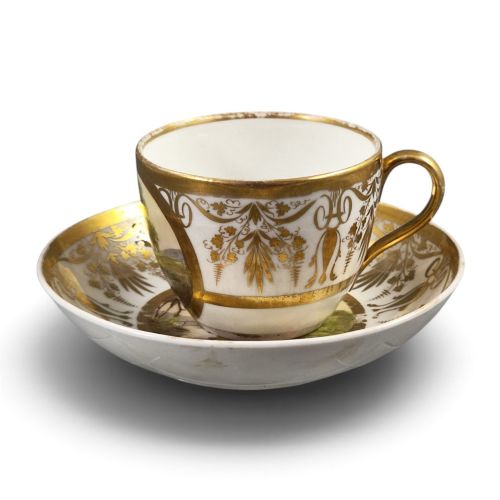
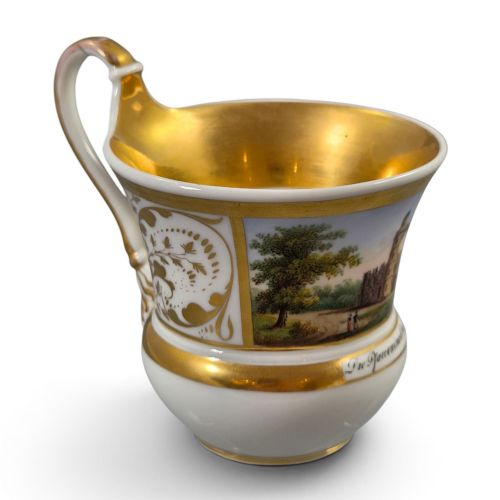
Berlin porcelain painting encompasses delicate cabinet cups, intricate porcelain plaques, and decorative vessels originating from the nineteenth century. Buyers seeking this phrase typically encounter KPM pieces decorated with hand-painted landscapes, portraits, and figural scenes.
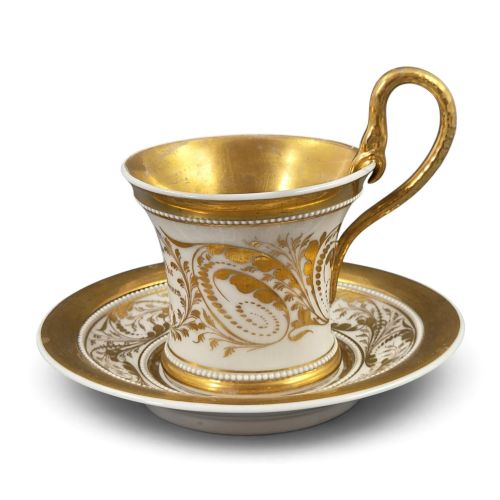
The selection ranges from Georgian and Biedermeier cabinet cups to large Victorian lidded vases and framed plaques. These items reflect prevailing nineteenth-century tastes including Neoclassical and Rococo Revival styles.
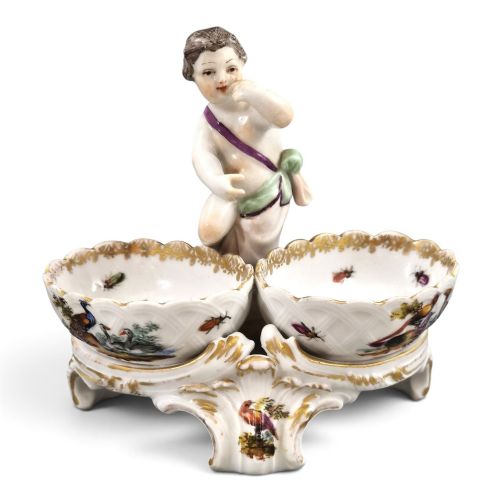
Formats vary from functional tableware such as sugar shakers, coffee pots, and salt cellars to purely decorative wall art and clock sets. Each category showcases meticulous brushwork executed upon hard-paste porcelain.
Materials and Technique
Craftsmen utilised hard-paste porcelain as the primary canvas, applying finely ground enamel pigments by hand to achieve rich chromatic depth. Gold leaf and intricate gilding were frequently added to highlight borders and structural details.
Vessels and plaques were fired at high temperatures to fuse the enamel colours permanently with the glaze. Ormolu frames and gesso or giltwood surrounds were often integrated to house the heavier porcelain plaques.
Site listings demonstrate production spanning the Georgian, Victorian, and Edwardian eras, predominantly featuring hard-paste porcelain and enamel materials.
Judging Quality
Excellence in Berlin porcelain painting rests upon the precision of the brushwork and the complexity of the painted subject. Portraiture and topographical scenes executed with fine detail separate superior items from simpler decorative wares.
The application of gilding and the integration of supporting elements like ormolu frames contribute to the overall refinement of the piece. Preservation of the original enamel colours and the crispness of the porcelain moulding remain central to distinguishing the finest examples.
KPM Berlin·Royal Berlin
The Berlin Porcelain Painting Glossary
- Hard-paste porcelain
- A durable ceramic composition fired at high temperatures, providing a smooth, vitreous surface ideal for detailed miniature painting. It forms the structural base for the majority of these nineteenth-century items.
- Cabinet cup
- A small, highly decorative cup intended for display within a cabinet rather than regular use at the table. These pieces often feature topographical views or hand-painted portraits.
- Porcelain plaque
- A flat or slightly curved ceramic tablet painted with a pictorial subject and frequently mounted in a frame. They function as portable works of fine art.
- Ormolu
- Finely chased and gilt bronze used for mounts, stands, and frames. It provides an ornate architectural border for porcelain plaques and decorative objects.
- Enamel
- Vitreous coloured glass fused to the porcelain surface through kiln firing. This medium allows for permanent, vibrant miniature illustrations.
Berlin Porcelain Painting: Frequently Asked Questions
What is a porcelain plaque?
A porcelain plaque is a rigid ceramic panel painted with a pictorial scene, portrait, or landscape. These items were produced as independent works of art rather than functional vessels.
Many were mounted in ormolu, gesso, or giltwood frames for hanging or display on furniture surfaces during the nineteenth century.
How do I identify a cabinet cup?
A cabinet cup is typically smaller and more ornate than standard teaware, designed specifically for visual appreciation in a display cabinet. They often feature hand-painted topographical landscapes or detailed figural motifs.
These cups usually include a matching saucer and date predominantly from the Georgian, Biedermeier, and Victorian periods.
Were these pieces used daily?
Most items associated with this search phrase served decorative or ceremonial functions rather than routine domestic use. Cabinet cups, presentation pieces, and plaques were created primarily for display.
Tableware items such as salt cellars and coffee pots were functional, though their delicate hand-painted surfaces limited heavy utilitarian service.
How are different periods distinguished?
Periods are identified through stylistic shifts, ranging from the restrained neoclassical lines of the early nineteenth century to the ornate Rococo Revival and Victorian designs of the later decades. Forms, framing materials, and painting techniques evolve across these decades.
Cataloguing relies on documented manufacturing traits and the specific aesthetic movements recorded during production.
What is hard-paste porcelain?
Hard-paste porcelain is a ceramic material composed of kaolin and petuntse, fired at exceptionally high temperatures. This process yields a dense, non-porous body with high durability.
The resulting white surface provides an ideal stable ground for detailed enamel painting and rich gilding.