

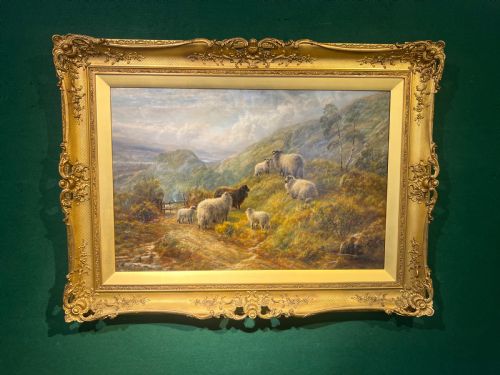
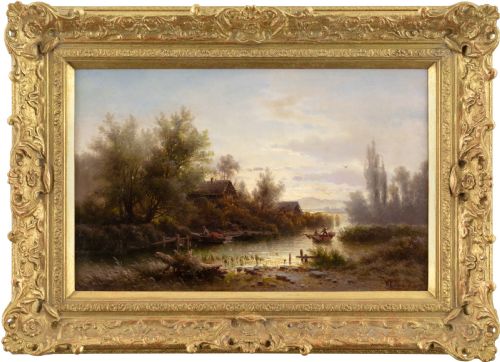
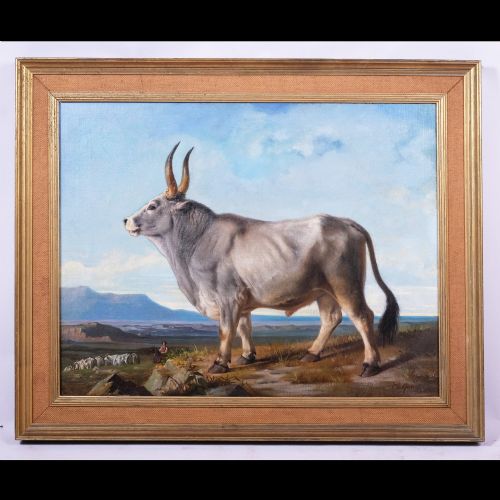
19th Century Pastoral Landscape
When you search for 19th century pastoral landscape, you enter a quiet world of shepherds, riverbanks, and grazing cattle captured on canvas and paper.
19th Century Pastoral Landscape
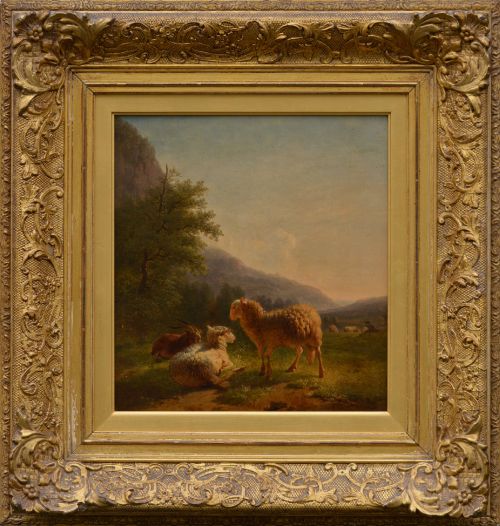
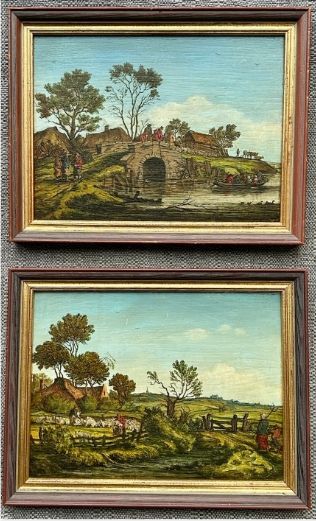
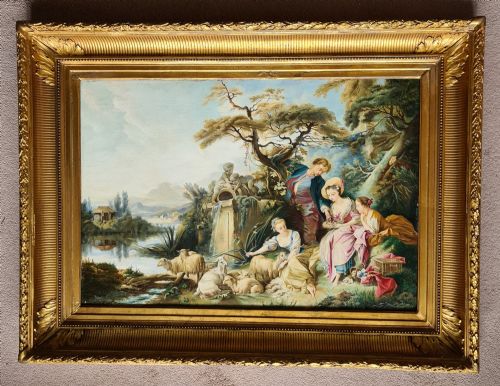
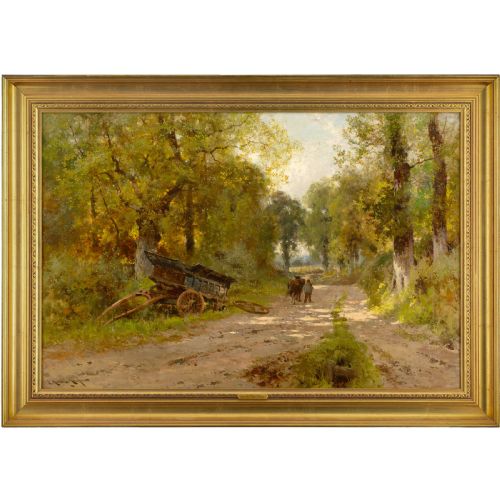
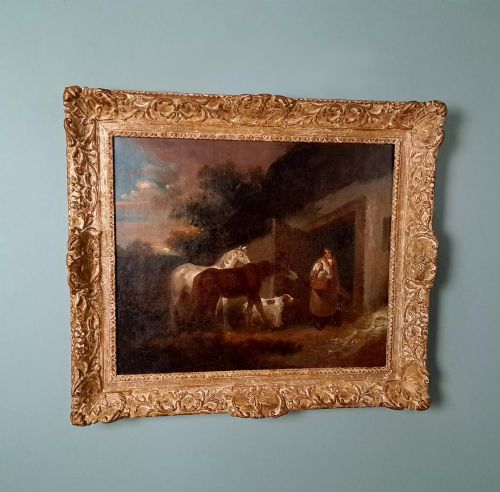
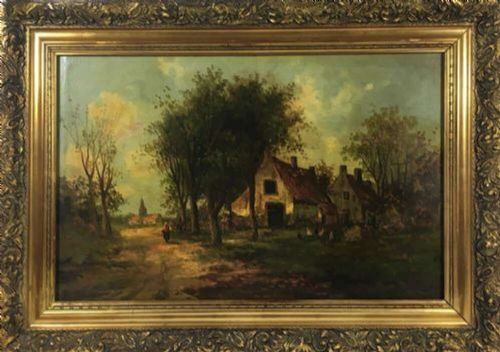
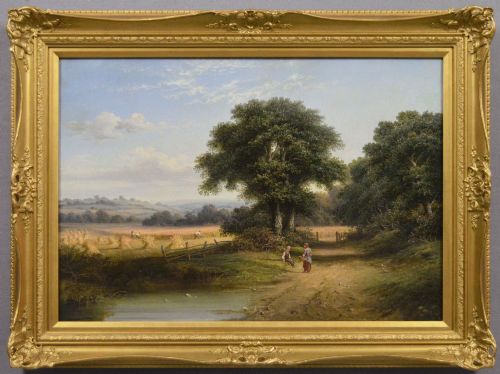
A 19th century pastoral landscape depicts rural scenes involving farmworkers, animals, and natural settings from the Victorian era and adjacent periods. The subjects range from English riverbanks and Scottish hillsides to continental farmyards and Dutch pastures.
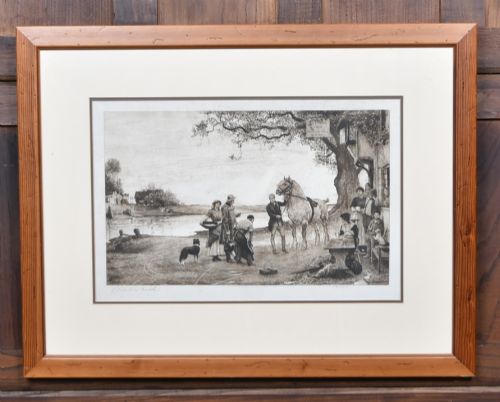
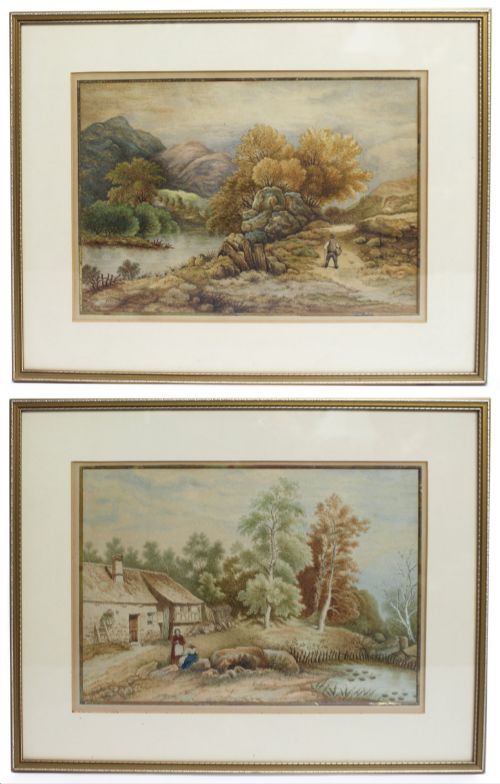
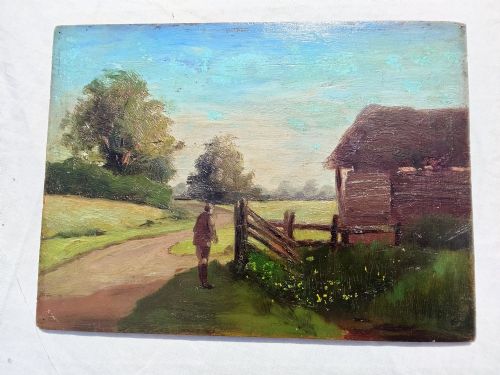
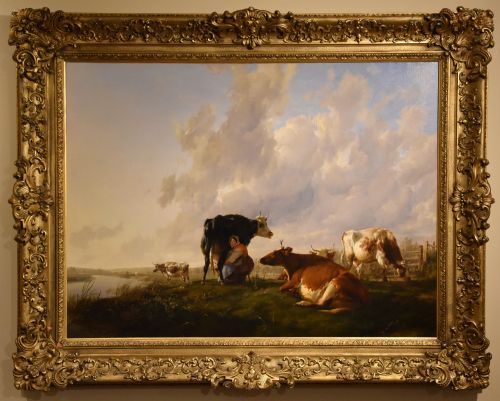
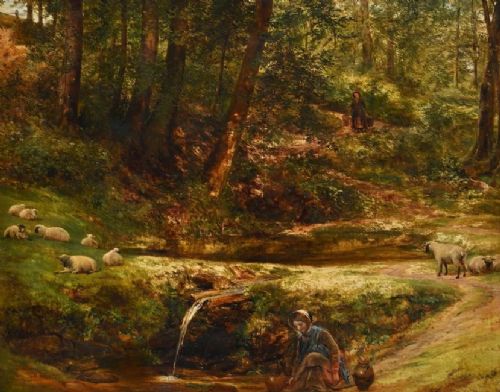
Most pieces encountered on this page take the form of oil paintings on canvas or wood panels, alongside watercolours and etchings. These artworks capture the idealised or realistic rustic life favoured by artists working across Britain, France, Belgium, and the Netherlands.
Materials and Techniques
Artists applied oil paint to prepared canvas, wood panels, or wooden boards, frequently building up texture with gesso beneath giltwood frames. Watercolour paintings on paper also feature prominently, often preserved behind glass within decorative surrounds.
Spot the hidden ducks feeding near the riverbank in several English school watercolours.
Distinctions in Quality
The standard of a pastoral landscape depends on the mastery of light, atmospheric depth, and the naturalistic rendering of figures and animals. Finer works display confident brushwork and precise anatomical detail in livestock and human subjects.
The integrity of the original support, whether canvas or wood panel, combined with the preservation of period giltwood frames, influences the overall standing of the piece. Works by recorded painters with established exhibition histories command stronger interest among collectors.
Eugène Verboeckhoven·Thomas Sidney Cooper·John Emms·Henry Schouten·David Bates
The 19th Century Pastoral Landscape Glossary
- Oil on Canvas
- A painting technique involving pigment suspended in drying oil applied to stretched woven fabric. This medium allowed artists to achieve rich colour depths and textured brushwork across the Victorian period.
- Gesso
- A plaster mixture applied as a base coat on wood or canvas before painting, or moulded to create decorative relief on frames. It provided a smooth, stable surface for gilding and fine detail work.
- Barbizon School
- A French artistic movement dedicated to realism in landscape painting, focusing on direct observation of nature. Painters associated with this group influenced rural art across Europe during the mid-nineteenth century.
- Wood Panel
- A rigid wooden support used by artists in place of canvas for oil paintings. These panels offer a smooth ground that preserves fine brushwork and detailed compositions over centuries.
- Giltwood
- Wood carved and coated with gold leaf or a gold-coloured metallic finish. These ornate surrounds defined the presentation of fine art paintings throughout the nineteenth century.
19th Century Pastoral Landscape: Frequently Asked Questions
What defines a pastoral landscape?
A pastoral landscape portrays rural life, featuring agricultural scenes, farm animals, shepherds, and cottages. These works focus on the harmonious relationship between humans, domesticated animals, and the countryside.
Artists during the nineteenth century drew inspiration from actual rural settings across Britain and Europe, shaping these views with the artistic conventions of their respective schools.
How do I identify the period?
Dating relies on stylistic clues, framing techniques, and signatures or inscriptions left on the reverse of the canvas or panel. Costume details on figures and the specific handling of light also offer strong chronological indicators.
Victorian and nineteenth-century works frequently display specific framing methods, such as heavy giltwood with gesso moulding, which help confirm the era of production.
Where were these paintings displayed?
These artworks hung primarily in domestic drawing rooms and parlours of nineteenth-century homes, reflecting a widespread desire for calming rural views. Wealthy patrons and middle-class collectors alike displayed them to bring the perceived tranquility of the countryside indoors.
Today, they suit traditional interiors, studies, and living spaces where period character and historical artwork are appreciated.
Are watercolours as durable as oils?
Watercolour paintings on paper require careful protection from direct sunlight and moisture to prevent fading and paper degradation. When properly glazed and framed, they remain stable over generations.
Oil paintings on canvas or wood offer greater resilience against environmental factors, though both mediums benefit from stable indoor humidity and filtered light.