
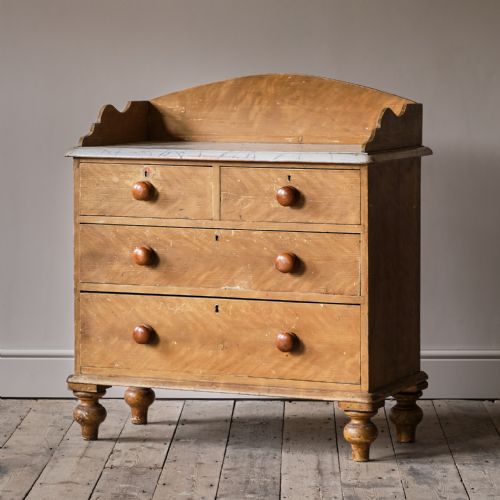
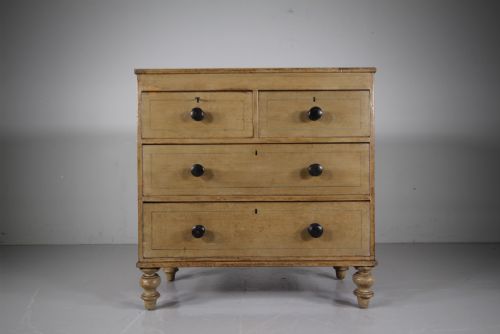
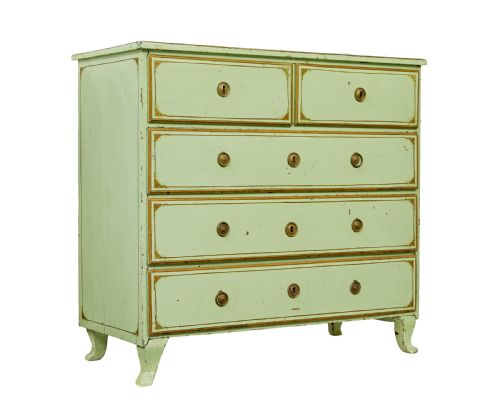
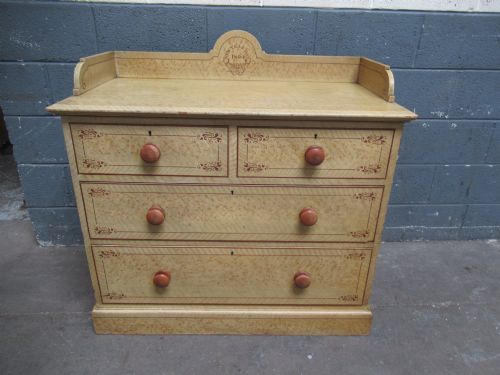
19th Century Painted Commode
A 19th century painted commode brings domestic storage to life with surface colour and regional character.
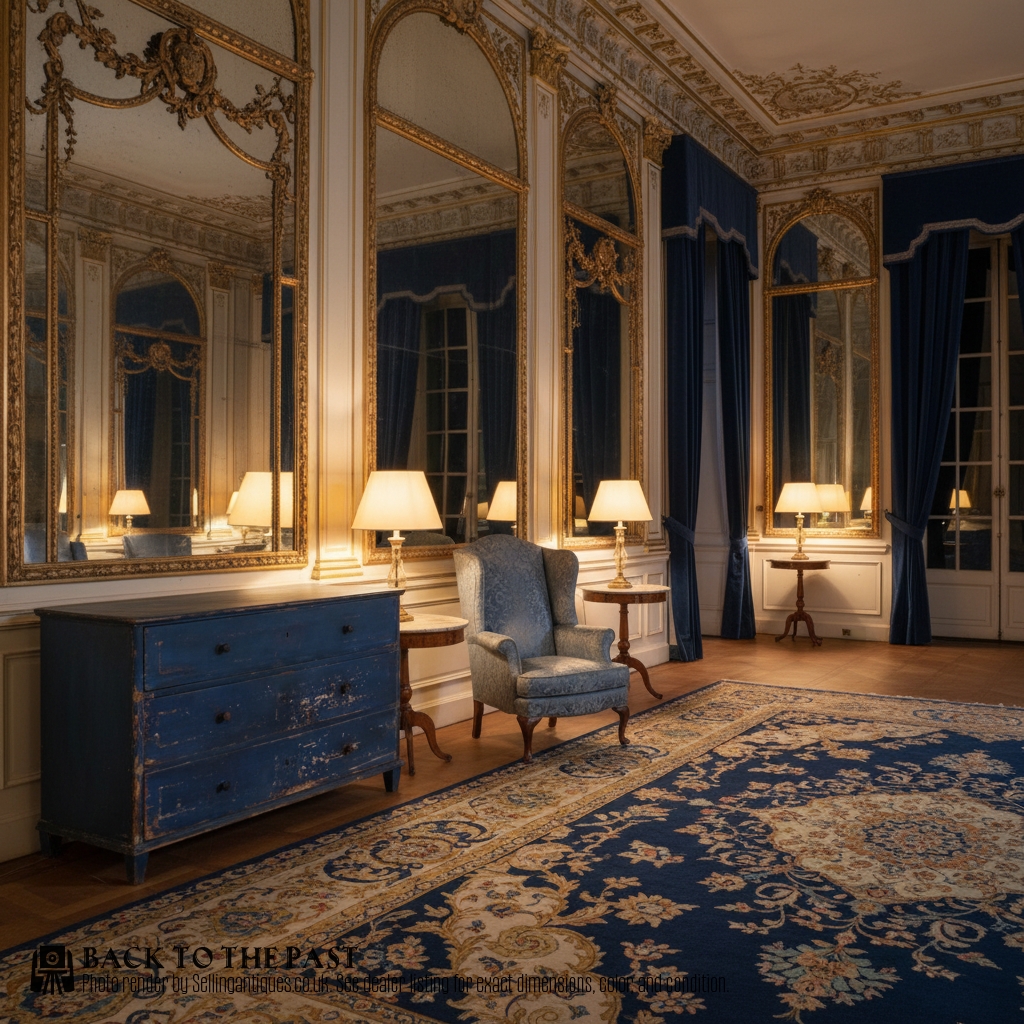
19th Century Painted Commode
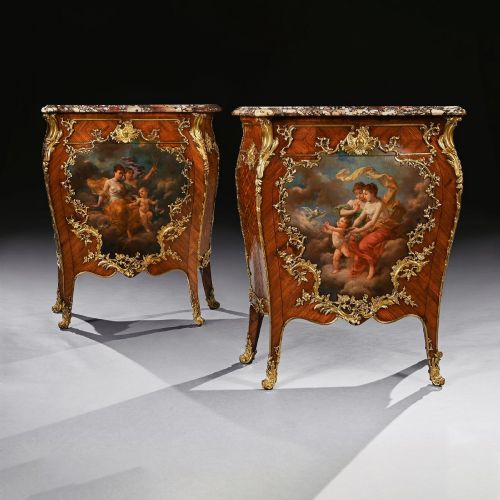
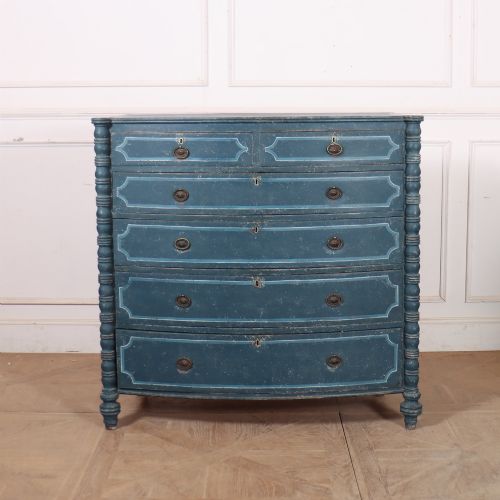
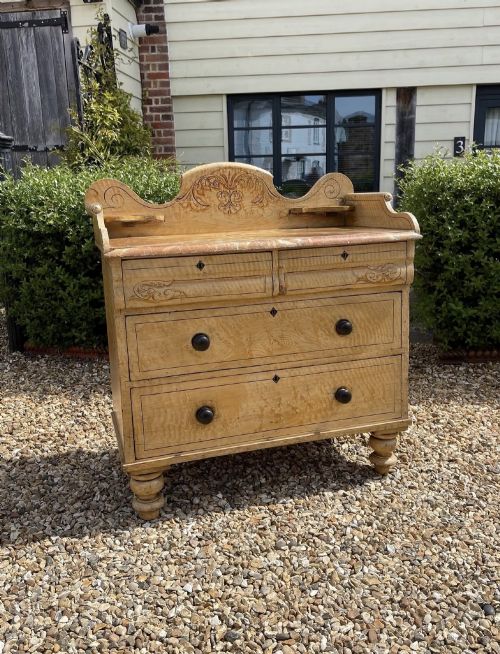
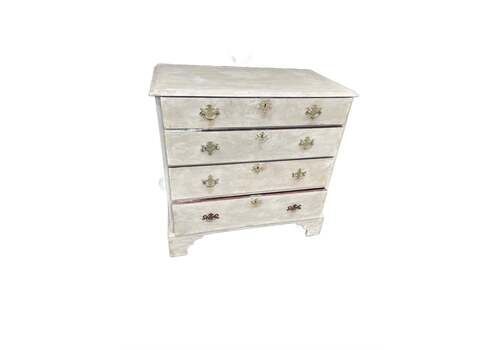
When searching for a 19th century painted commode, collectors encounter a diverse group of case furniture primarily taking the form of chests of drawers, side cabinets, and bombes. These items bridge formal continental cabinetry and rustic country craftsmanship, spanning periods from the Regency era through to Victorian times.
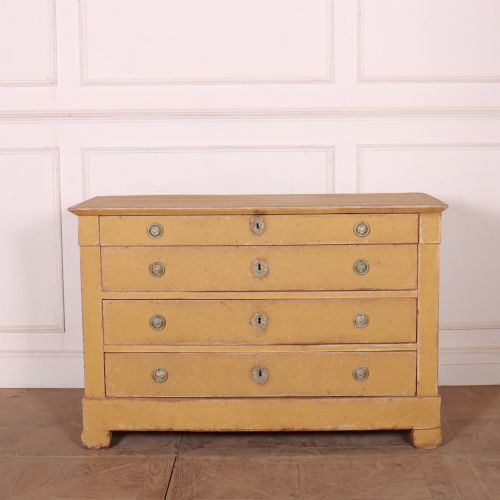
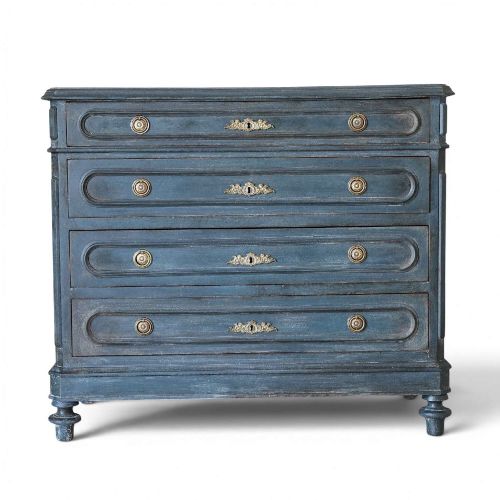
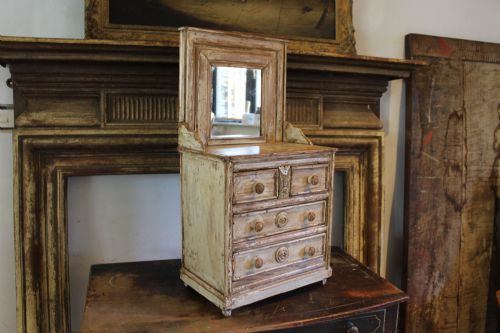
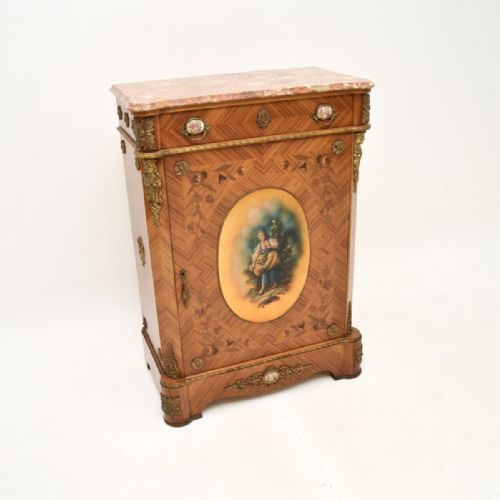
The most frequently met examples on this page are Swedish and French pieces, often executed in pine or softwood and finished with original or later paint layers. Alongside standard chests, buyers find specialised forms such as miniature apprentice pieces, washstands, and marble-topped cabinets reflecting Gustavian or Louis XVI revival styles.

Materials and construction
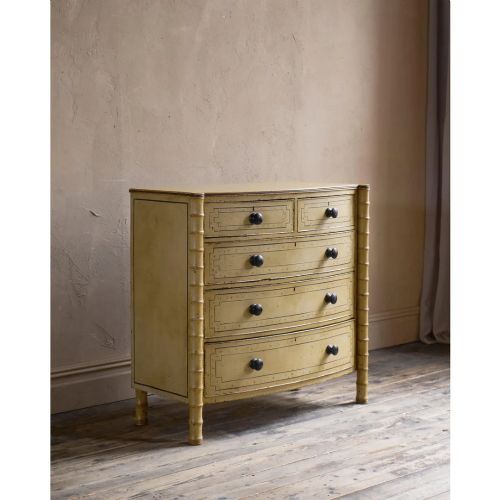
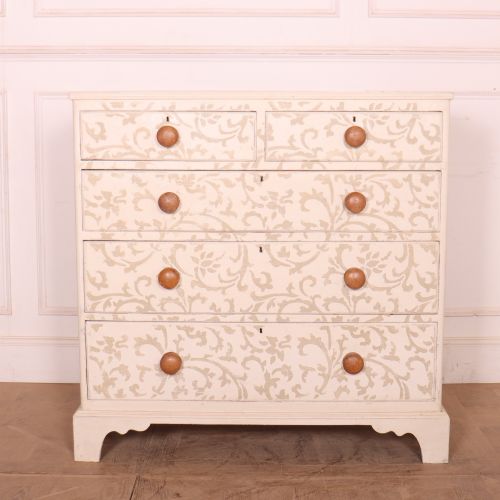
Carpenters built these carcasses predominantly from pine and softwood, occasionally turning to hardwoods like kingwood for formal continental commodes. Surfaces received layers of lead-based or oil paints, sometimes manipulated to create scumbled finishes, faux bamboo effects, or simulated wood grains.
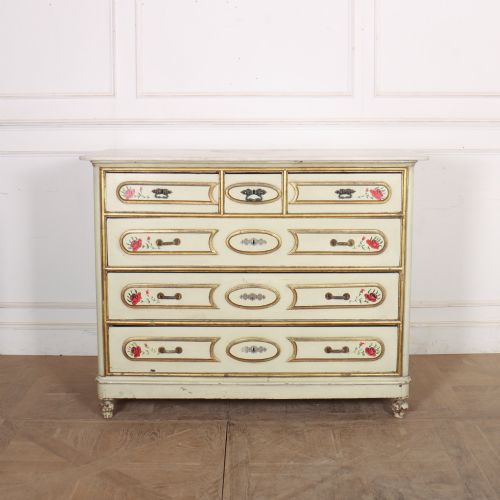
Higher-status French iterations incorporated marble tops and gilt bronze mounts alongside Vernis Martin painted panels. Regional pieces relied on hand-mixed pigments applied directly to timber, leaving brush marks and scraped patinas that document centuries of domestic use.
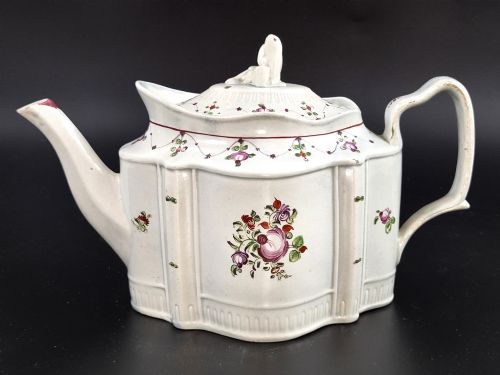
Cabinetmakers occasionally accommodated miniature living by crafting intricate apprentice pieces and teapot-shaped earthenware commodes.
Assessing quality
The distinction between standard domestic storage and exceptional cabinet work rests in the integrity of the painted surface and the precision of the joinery. Original scraped paint surfaces carrying authentic regional palettes command greater interest than later decorative overpainting.
Proportional harmony and hardware choices further differentiate the objects, from simple wooden drawer pulls on country pine chests to finely chased gilt bronze mounts framing French revival commodes.
Edwards and Roberts
The 19th Century Painted Commode Glossary
- Commode
- A low chest of drawers or cabinet designed for domestic storage. Originating in France, the term applies broadly to decorative drawer units across 19th century Europe.
- Gustavian
- The Swedish interpretation of French neoclassical design, characterised by restrained carving, pale paint finishes, and balanced proportions. It emerged during the late 18th century and strongly influenced 19th century Scandinavian furniture.
- Vernis Martin
- A type of simulated Japanese lacquer developed by the Martin brothers in 18th century France and revived during the 19th century. Artisans used it to decorate cabinet panels with pastoral or whimsical scenes.
- Scumble
- A painting technique involving a translucent or semi-opaque layer of glaze dragged over a lighter base colour to simulate wood grain or aged texture. It appears frequently on country pine furniture.
- Bombe
- A swelling, convex furniture shape with curved fronts and sides that became popular in continental European commodes. This demanding form required specialist woodworking skills to shape the timber frames.
19th Century Painted Commode: Frequently Asked Questions
What is a 19th century painted commode?
These items are freestanding storage units featuring multiple drawers or cabinet doors, finished with decorative paint schemes. They range from utilitarian pine chests used in rural homes to ornate French revival pieces featuring marble tops.
Craftsmen across Europe built them to serve bedrooms and reception rooms, combining practical storage capacity with artistic surface decoration.
How do I identify original paint?
Original paint surfaces show natural wear patterns, craquelure, and integration with the underlying timber over generations of use. Examining edges and protected areas reveals early pigment layers beneath later touch-ups.
Later repainting often presents a flat, uniform texture without the subtle tonal variations accumulated through age.
Where were these commodes made?
The listings demonstrate strong manufacturing traditions in Sweden, France, and England, alongside contributions from Spain, Italy, and the Netherlands. Each region utilised local timbers and distinct aesthetic vocabularies.
Scandinavian workshops favored pale Gustavian palettes on pine, while French cabinetmakers produced elaborate kingwood and marble-topped designs.
How do I live with painted furniture?
Living with these pieces requires mindful placement away from direct sunlight and dramatic humidity shifts to protect aged wood and delicate pigments. Regular dusting with a dry cloth preserves the patina without introducing moisture.
Their versatile scale allows them to function as bedside tables, hallway storage, or statement pieces in living spaces.