

19th Century Ottoman Stool
A 19th century ottoman stool brings period warmth and versatile low seating to a room, offering sturdy timber frames and deep upholstery.
19th Century Ottoman Stool
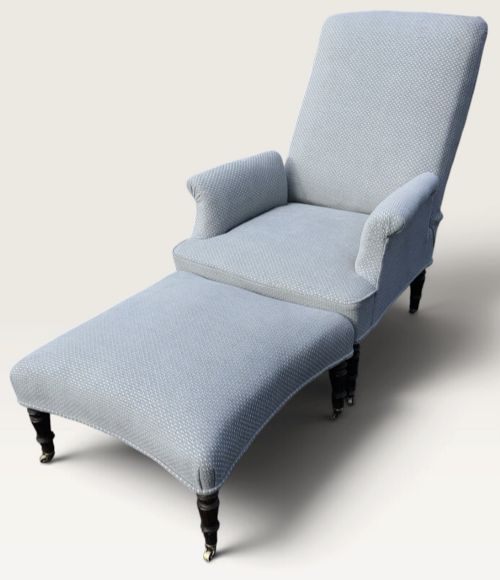
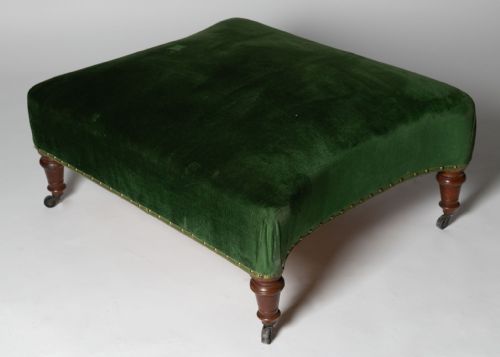
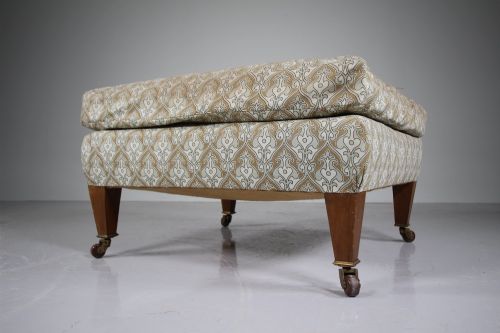
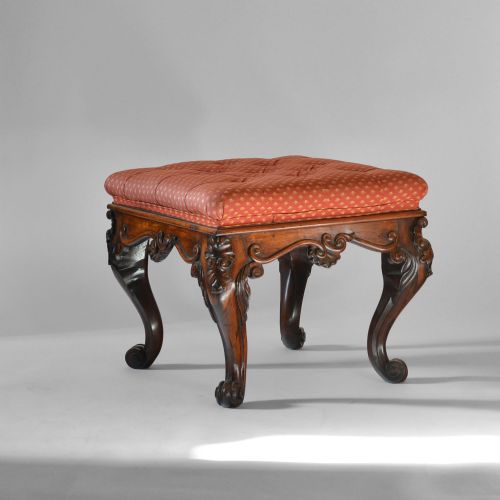
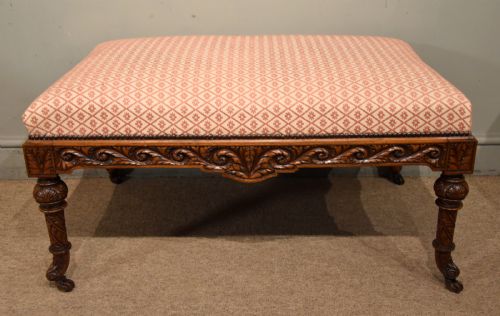
A 19th century ottoman stool encompasses low seats, footstools, piano stools and larger ottomans designed for domestic comfort. These pieces serve as functional footrests, occasional seats or low coffee tables in traditional and contemporary interiors alike.
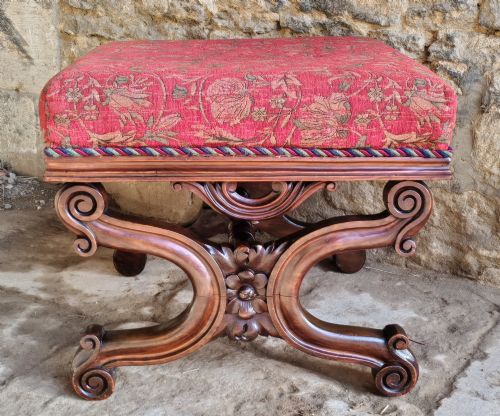
The selection here draws primarily from Victorian, Regency and assorted revival styles spanning the period. Mahogany and walnut frame designs dominate, frequently paired with classic upholstered tops in velvet, fabric, needlepoint or heavy linen.
Materials and construction methods
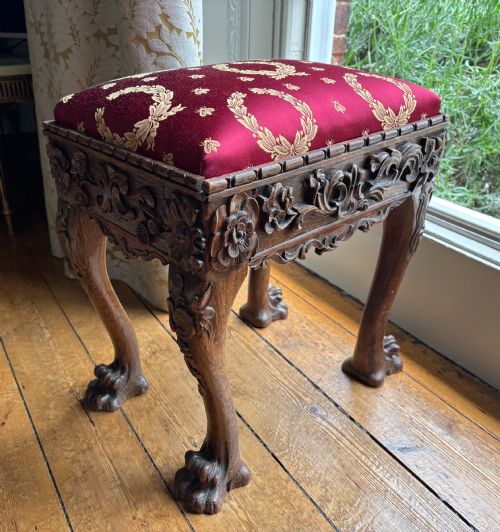
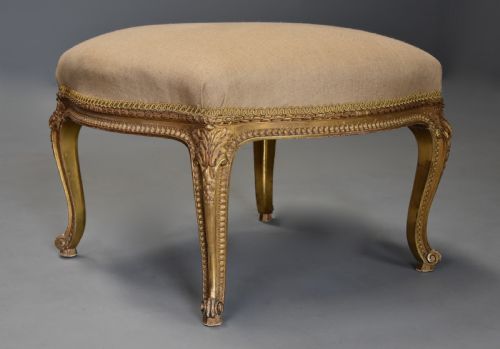
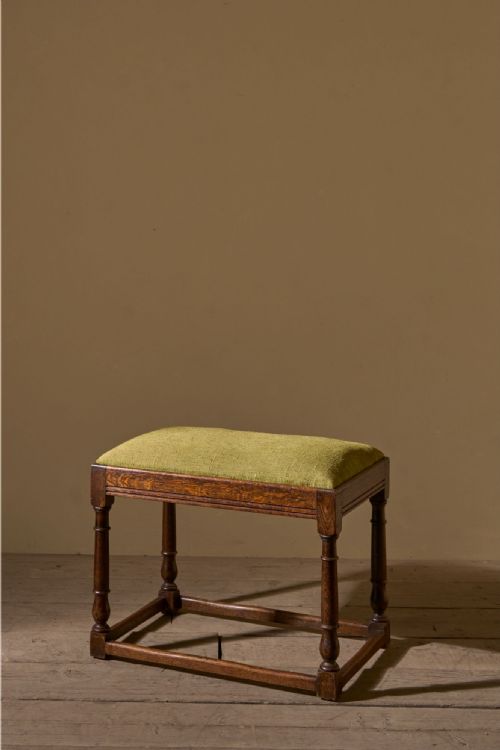
Cabinet makers utilised dense hardwoods such as mahogany, walnut and rosewood to build the structural frames, often applying elaborate carving, turning or gilt finishes. Secondary woods like oak and beech appear in concealed framing elements and specific regional pieces.
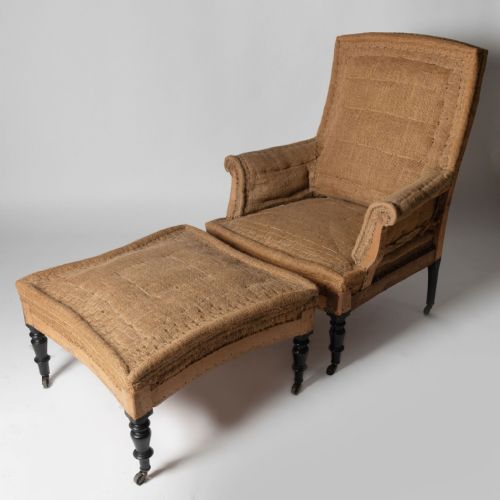
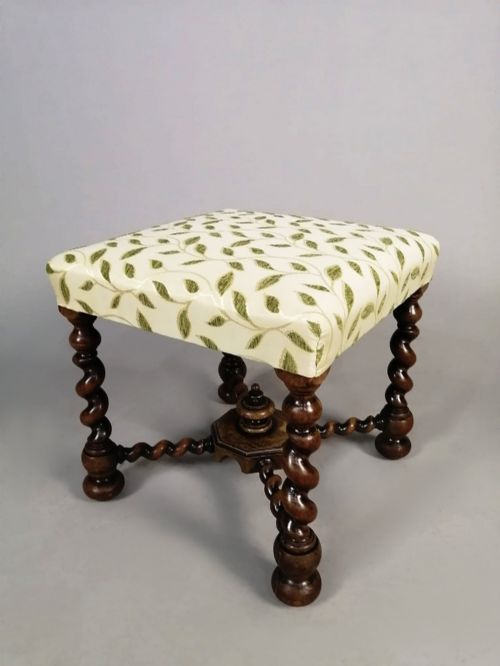
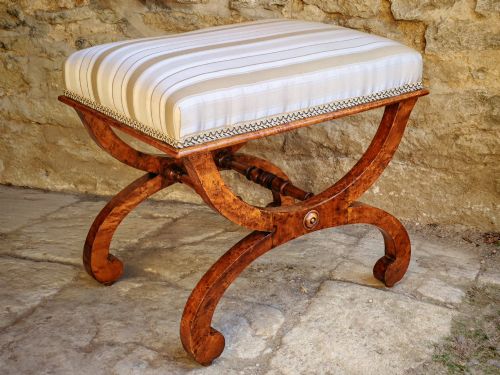
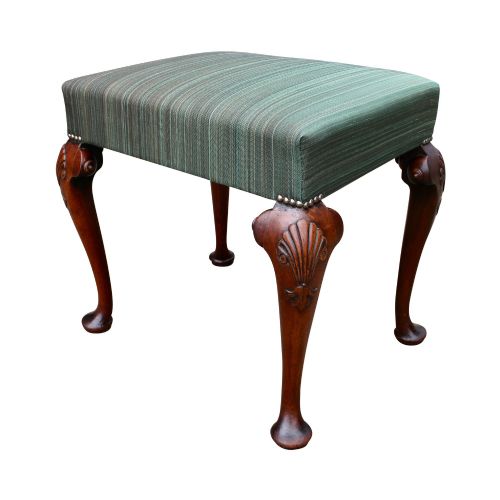
Upholstered surfaces rely on traditional stuffing and textile coverings, ranging from plain buttoned fabrics to intricate needlepoint tapestries. Woodwork methods span everything from simple bobbin turning and cabriole legs to elaborate scroll tops and x-frame configurations.
19th Century Ottoman Stool Retail Price Guide 2026
Typical asking prices for 19th century ottoman stool among the pieces listed under this phrase on Sellingantiques today, from the lower quarter to the upper quarter. They describe what is for sale here now, not the wider market.
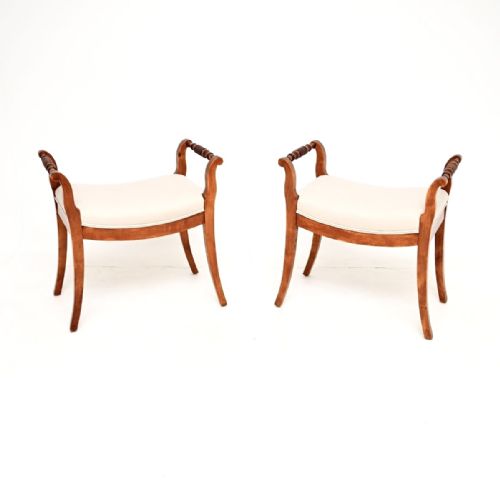
The listings feature diverse timber frames including mahogany, walnut, rosewood, oak and satin birch, alongside revival styles from Queen Anne to Louis XIV.
Distinctions in craftsmanship
Quality rests in the crispness of the timber carving, the structural integrity of the frame joints and the choice of primary cabinet woods. Finer examples display figured veneers, dense rosewood or solid walnut with hand-carved details rather than simple turned mouldings.
The standard of upholstery and the preservation of original textile covers or traditional stuffing methods also separate standard commercial seating from exceptional cabinet-maker pieces. Maker stamps or design book lineages elevate the standing of certain frames.
Loidrault Freres Paris·Mathew Gregson
The 19th Century Ottoman Stool Glossary
- Ottoman
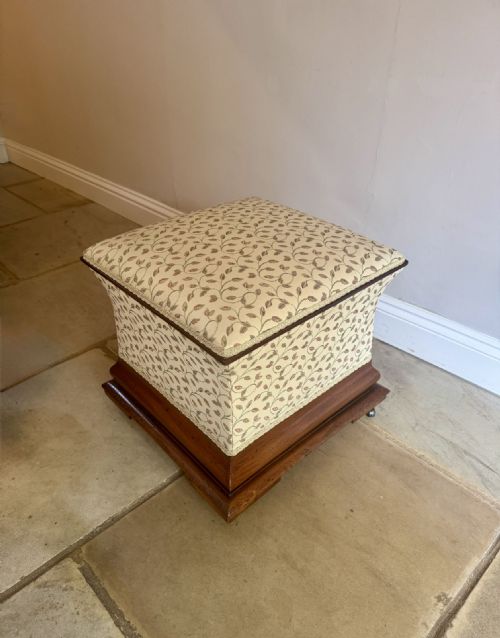
- A low, upholstered seat or footstool without a back or arms, often built with internal storage. These items functioned as multi-purpose furniture in Victorian and Regency drawing rooms.
- Cabriole leg
- A furniture leg that curves out and then in, resembling an animal's leg. This form appears frequently on walnut and mahogany stools from the mid-Victorian era.
- Gout stool
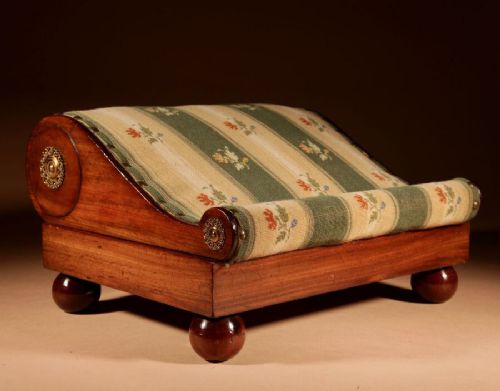
- An adjustable or rocking footstool designed to elevate and support the foot of someone suffering from gout. They often feature pivoting mechanisms or padded platforms.
- Needlepoint
- A type of canvas work embroidery used extensively for durable upholstery on period footstools and dressing stools. The tight stitching creates pictorial or geometric patterns.
- X-frame
- A furniture base constructed from two intersecting members shaped like the letter X. This structural style lends classical symmetry to early nineteenth-century seating.
19th Century Ottoman Stool: Frequently Asked Questions
How were these stools used originally?
Nineteenth-century households placed these low seats in drawing rooms, dressing rooms and parlours for resting feet or providing casual seating near firesides. Larger variants also functioned as central ottomans or improvised coffee tables.
Coverings often matched existing upholstery schemes or featured decorative needlepoint designed to withstand daily wear in formal rooms.
How do I identify a Regency period piece?
Regency examples frequently display classical architectural influences, crisp mahogany timbers and characteristic details like scroll ends or x-frame supports. They tend to exhibit cleaner, restrained lines compared to later heavily carved Victorian iterations.
Checking the secondary woods and construction methods helps confirm the earlier nineteenth-century timeline.
Are these stools suitable for daily modern use?
Sturdy hardwood frames and solid joinery make these antique stools well-suited for everyday living in contemporary spaces. Many owners utilise them as permanent coffee table alternatives or footrests.
Traditional upholstery can be maintained or refreshed while keeping the underlying antique wooden chassis intact.
What is a gout stool?
A gout stool is a specialised medical footrest featuring an adjustable or rocking mechanism to elevate the lower limb comfortably. Victorian examples often incorporate padded platforms that angle to suit the user.
These functional pieces demonstrate the varied domestic innovations of the nineteenth century.