
Victorian Upholstered Footrest
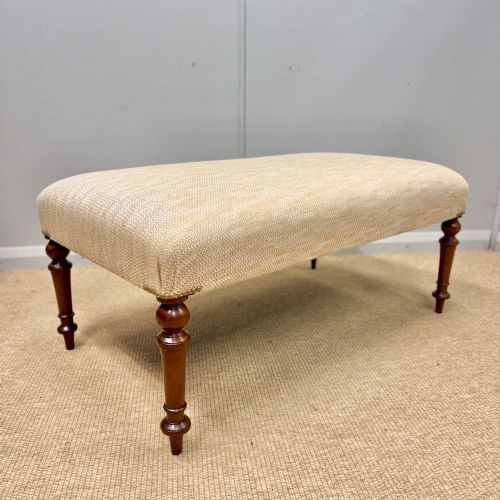
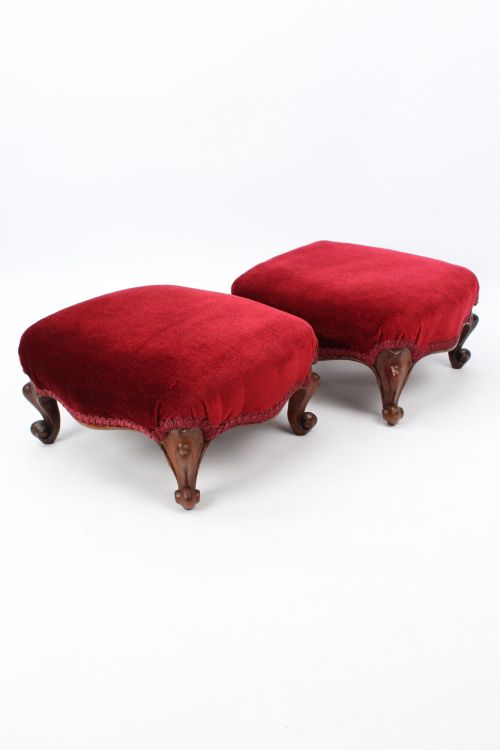
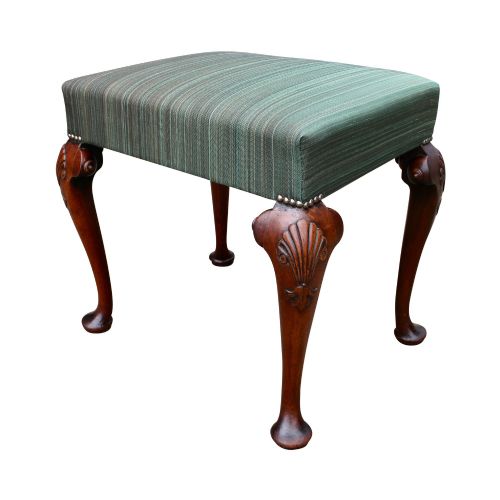
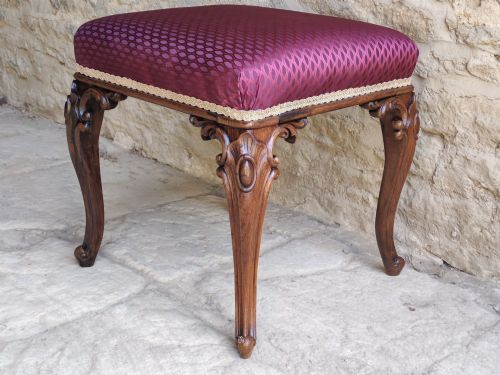
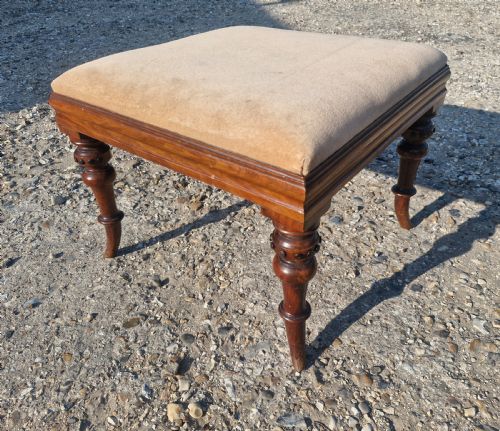
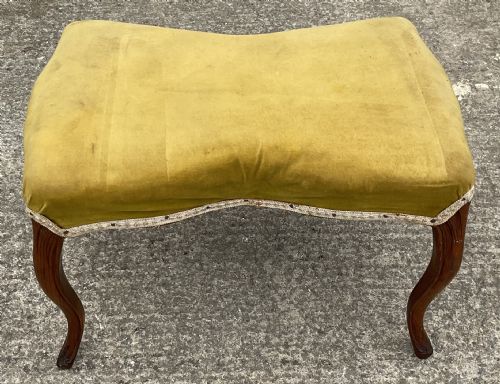
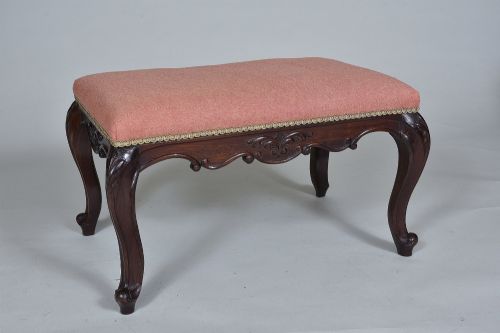
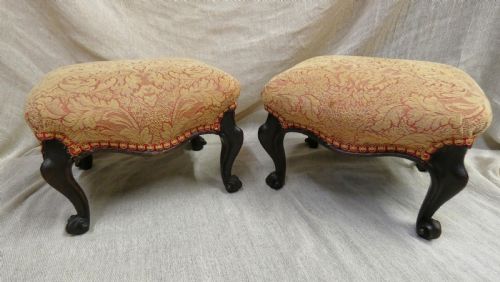
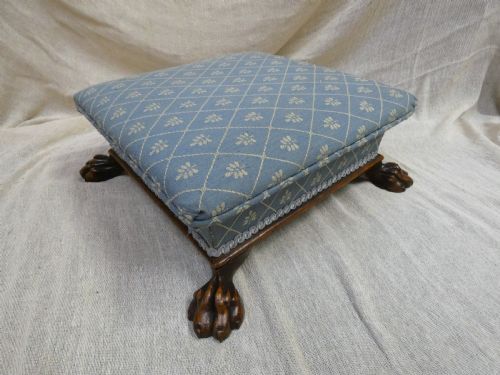
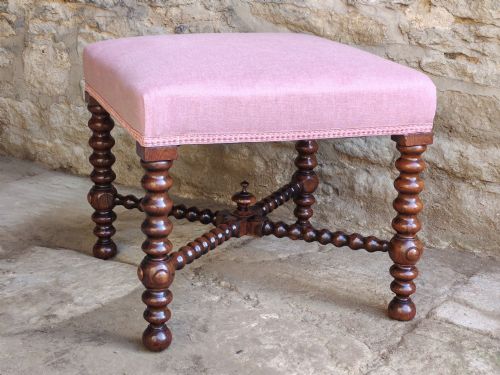
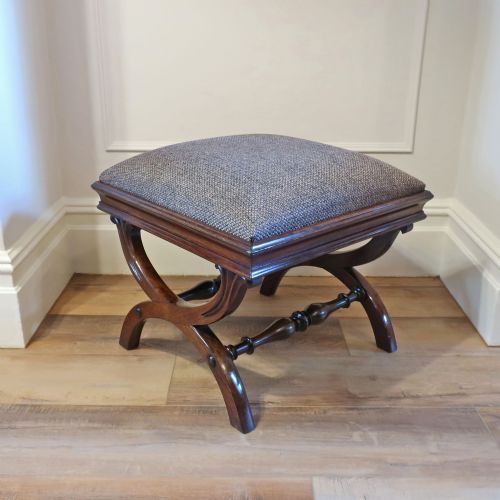
A victorian upholstered footrest is a low timber frame topped with textile, designed to support the feet beside a fireplace or in a drawing room.
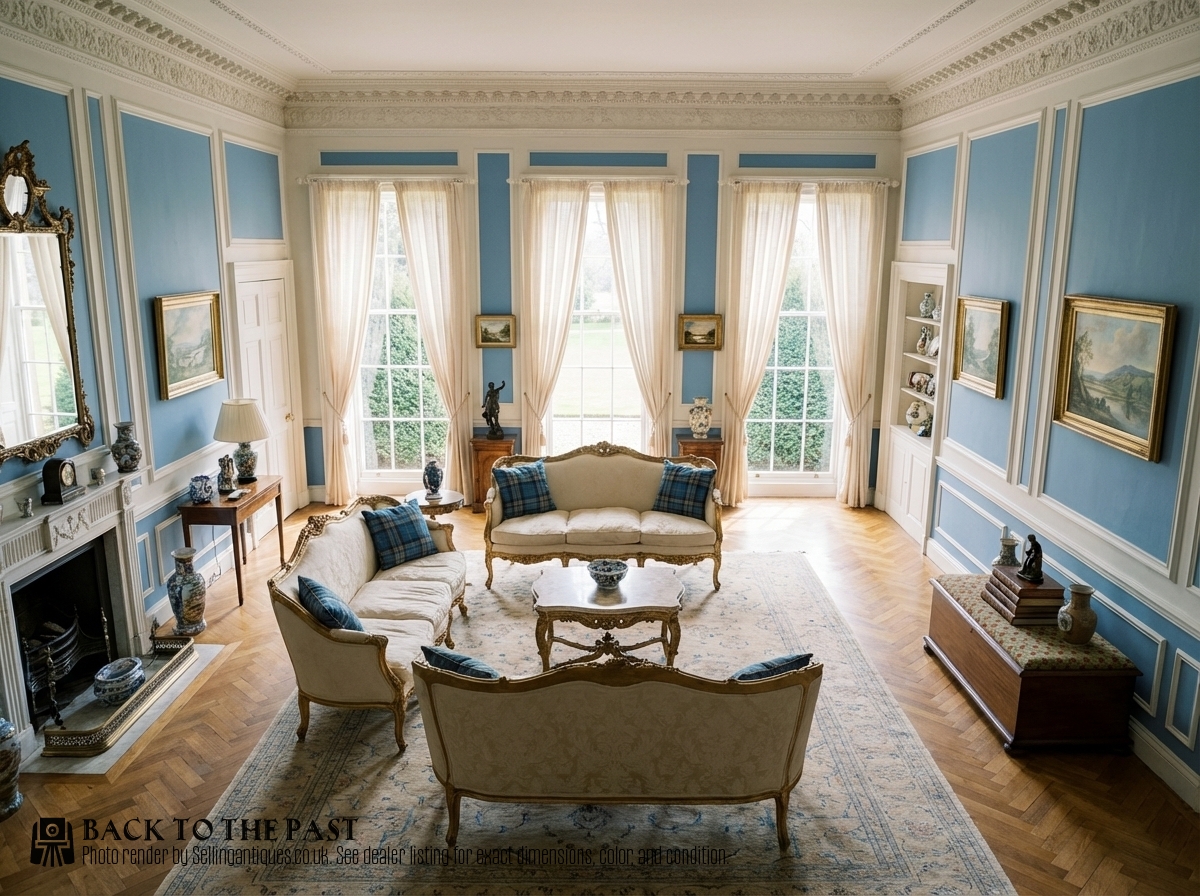
Victorian Upholstered Footrest
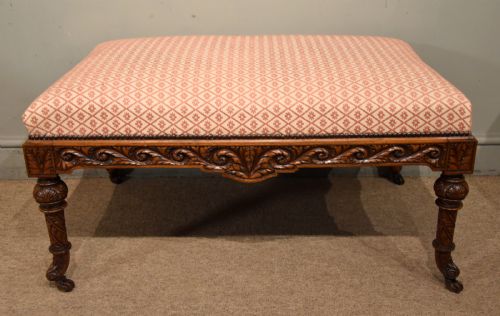
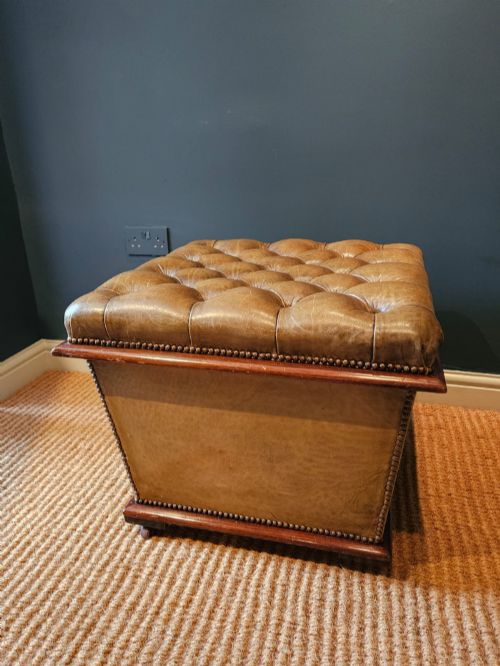
A victorian upholstered footrest encompasses low stools, fender stools, ottomans, and dressing stools spanning the nineteenth century. Buyers encounter forms ranging from small fireside examples to large Anglo-Indian and ottoman stools designed for resting feet or seating.
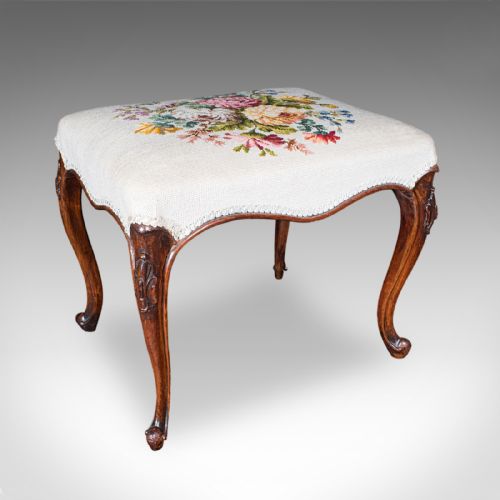
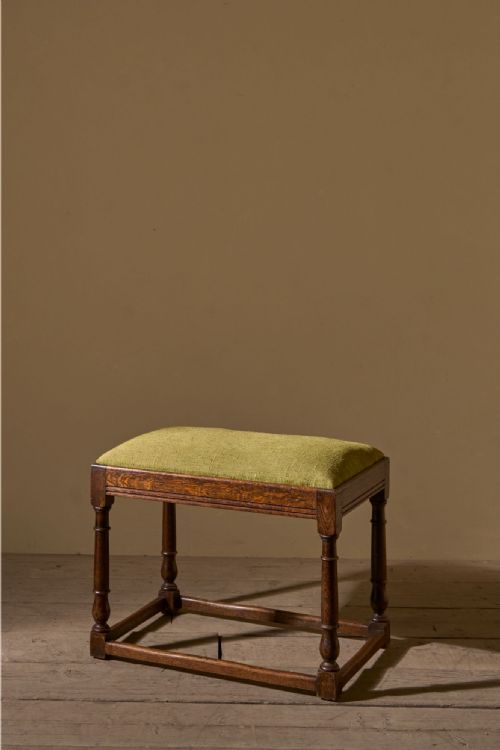
The materials and frames reflect the prevailing tastes of the period, drawing on mahogany, walnut, rosewood, and oak beneath varied textile coverings. Many pieces retain needlepoint, tapestry, velvet, or linen upholstery from the era or later reupholstering.
Design influences stretch across styles such as Victorian Rococo Revival, Queen Anne Revival, Aesthetic Movement, and Anglo-Indian variants. These pieces appear as single items, pairs, and occasional metamorphic forms intended for specific domestic uses.
Distinguishing Quality
The refinement of the timber frame and the depth of its carving separate standard production from superior examples. Finely figured rosewood or walnut and intricate hand-carved cabriole legs indicate greater workshop attention during manufacture.
The integrity and historical continuity of the textile upholstery contribute significantly to character. Original needlepoint, tapestry, or high-grade period fabric paired with robust internal webbing preserves the authentic integrity of the piece.
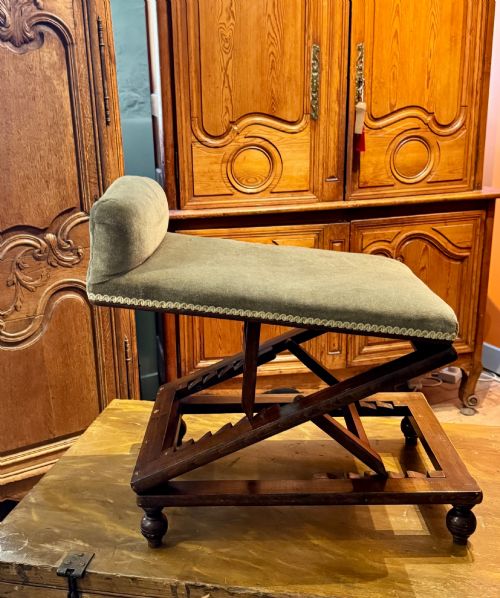
Several pieces feature hidden compartments or adjustable ratchets, proving Victorians took serious comfort very seriously indeed.
Howard and Sons·Liberty
The Victorian Upholstered Footrest Glossary
- Fender stool
- A long, narrow footstool designed to sit in front of a hearth fender. These low items kept feet elevated away from cold stone floors.
- Gout stool
- An adjustable metamorphic footrest engineered to support an elevated leg at varying angles. They often include mechanical ratchets for positioning.
- Needlepoint
- Stitched yarn embroidery worked on a stiff canvas mesh. This technique forms the pictorial and geometric textile covers seen on many fireside stools.
- Cabriole leg
- A furniture leg that curves out and then in, mimicking an animal limb. It appears frequently on walnut and mahogany frames from the period.
- Ottoman
- A low upholstered seat or footrest without a back or arms. Larger versions sometimes incorporate internal storage compartments beneath the hinged top.
Victorian Upholstered Footrest: Frequently Asked Questions
How were these footstools used?
These low timber stools were placed beside drawing room chairs and firesides to elevate the feet and legs above draughty floors. Larger ottoman variants also served as casual seating or low centre tables within Victorian interiors.
Their compact scale allowed them to be moved easily around a room as needed for comfort. Some specialised forms, such as gout stools, provided adjustable support for resting an injured or convalescing limb.
Are the fabrics original?
Many pieces retain later textile coverings, as heavy daily use required frequent reupholstering over the decades. Needlepoint and tapestry covers sometimes survive from the nineteenth century when protected from heavy wear.
When examining a piece, look closely at the tack holes and internal webbing for clues regarding its upholstery history. Expert restorers often utilise period-appropriate fabrics to maintain the visual harmony of the timber frame.
What is a fender stool?
A fender stool is an unusually long and narrow footstool proportioned to match the width of a fireplace fender. They allowed multiple people to warm their feet simultaneously along the hearth.
These pieces sit very low to the ground and frequently feature carved walnut or mahogany frames. Their distinct proportions make them easily recognizable among nineteenth-century seating.
How do I distinguish between periods?
Early examples often display Regency or Georgian influences with restrained lines, while mid-Victorian pieces frequently embrace rich rosewood, walnut, and elaborate carving. Later nineteenth-century items introduce diverse global styles such as Anglo-Indian fretwork or Aesthetic Movement forms.
Timber choice also guides dating, with dense rosewood and heavy mahogany prevailing in earlier decades. Examining the turning style of the legs and any secondary woods underneath helps clarify the manufacturing era.