

19th Century Ormolu Clock
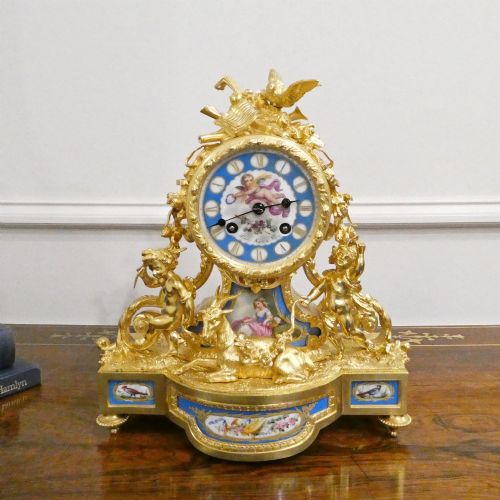
A 19th century ormolu clock brings French decorative mastery into a room through gilded bronze and precision horology.
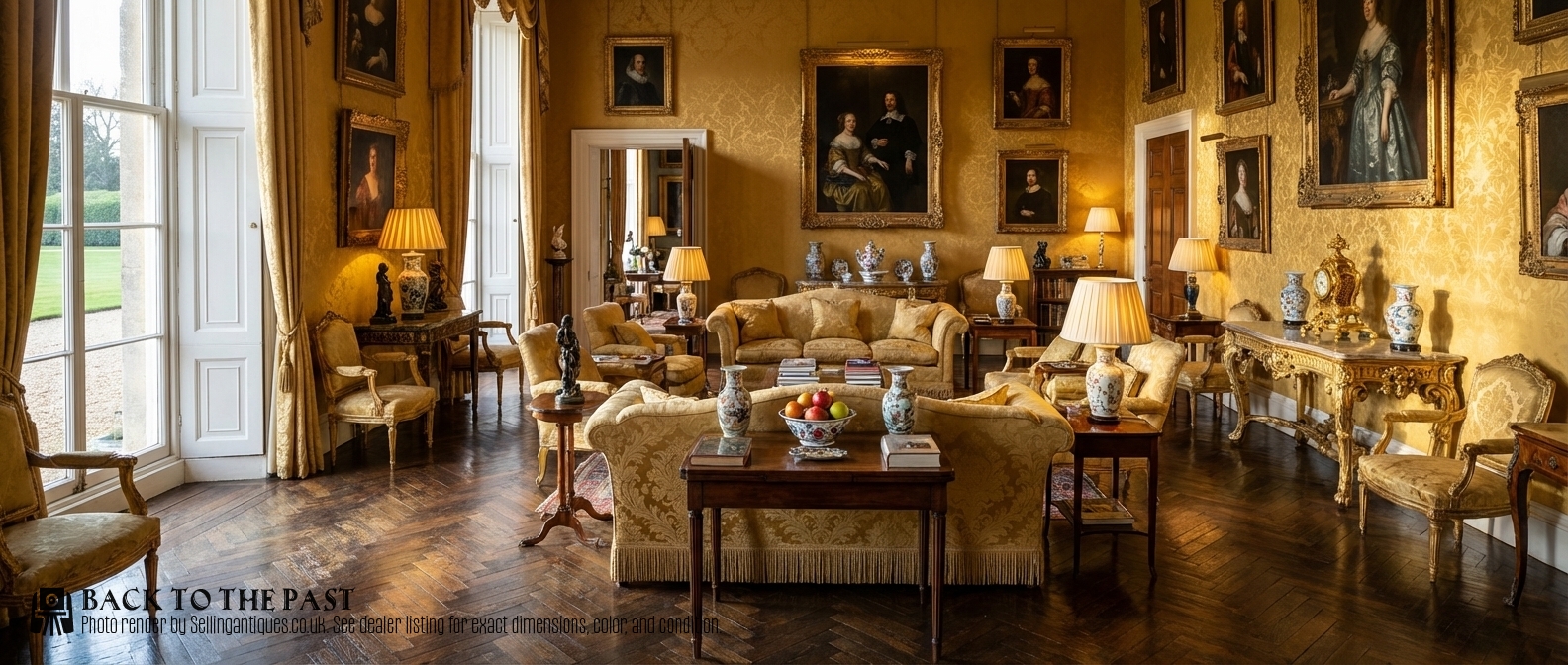
19th Century Ormolu Clock
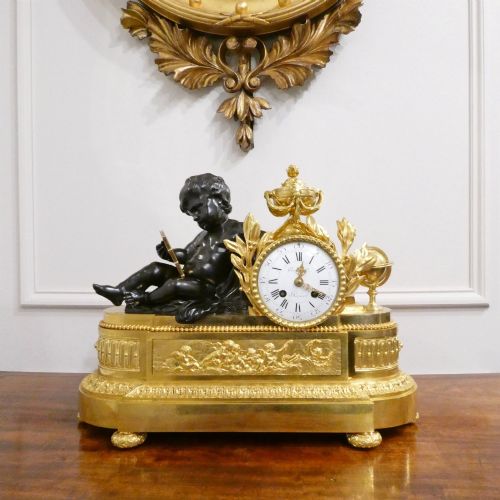
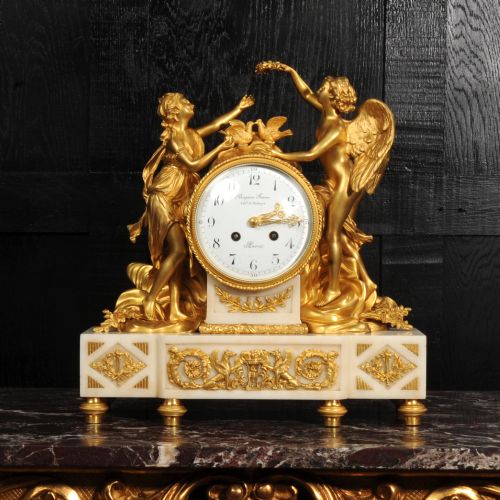
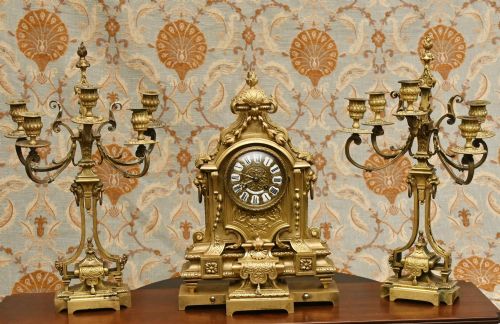
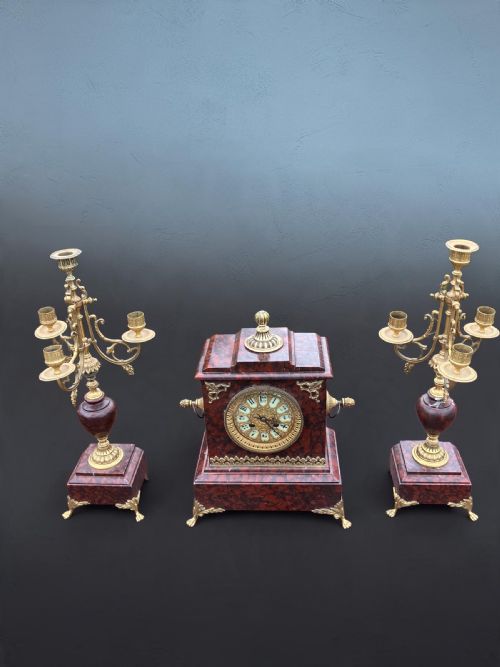
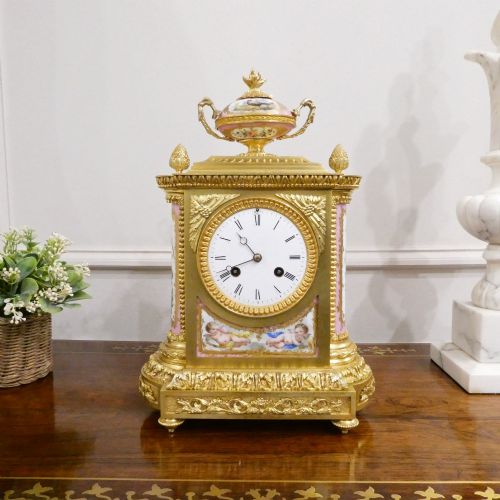
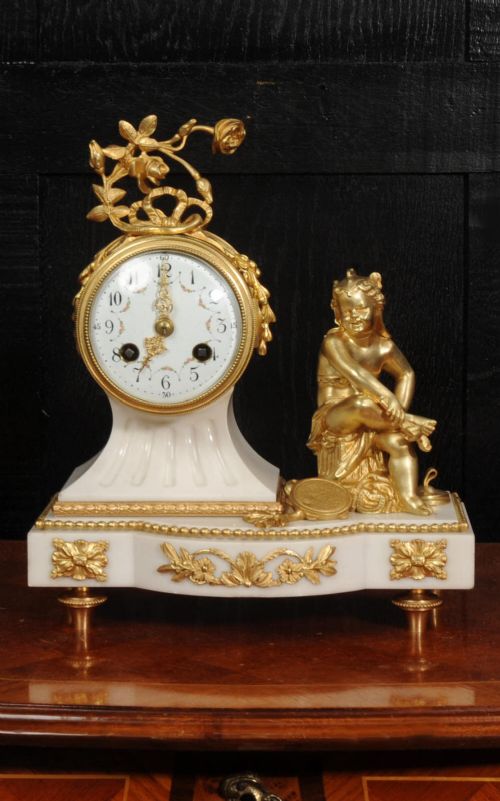
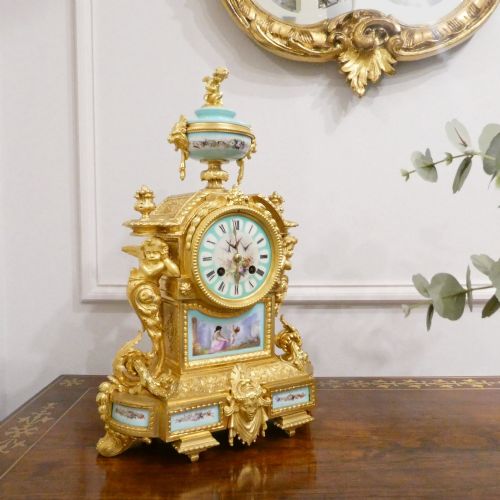
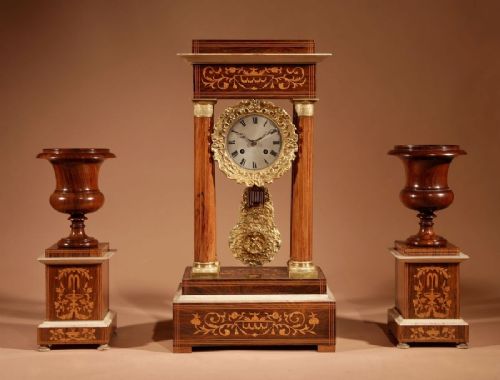
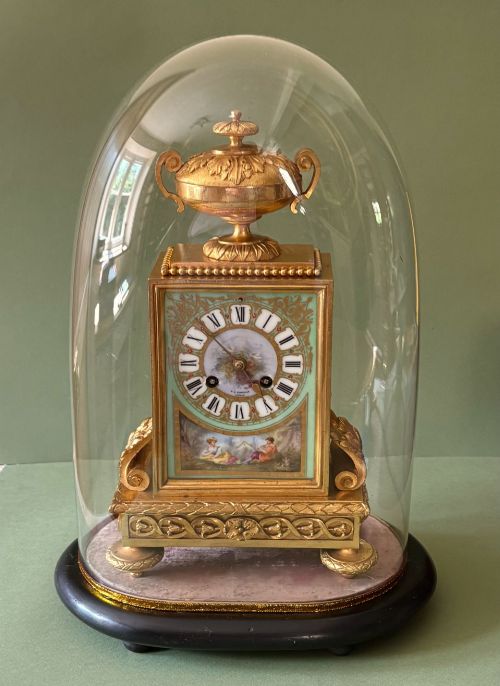
A 19th century ormolu clock is a domestic timekeeper housed in cast metal, frequently accompanied by matching side pieces known as clock garnitures. These objects combine the function of telling time with sculptural display, drawing on historical aesthetics from Louis XVI styles to French Rococo Revival.
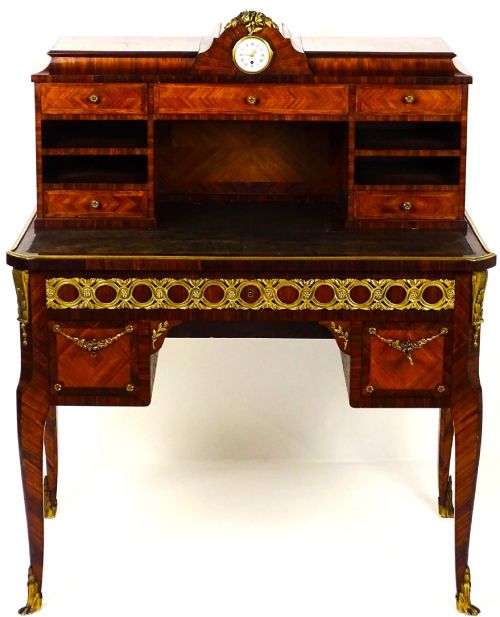
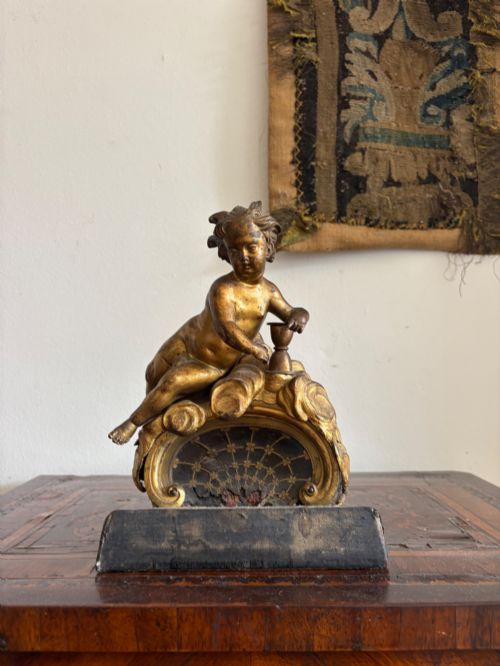
The most common formats found here are mantel clocks and portico designs, constructed in France during periods such as the Victorian era and the latter decades of the nineteenth century. Alongside complete timepieces, the selection incorporates related desk furniture and decorative bronze mounts.
Maker signatures often appear on dials or movements, connecting individual pieces to prominent Parisian workshops and horologists of the era.
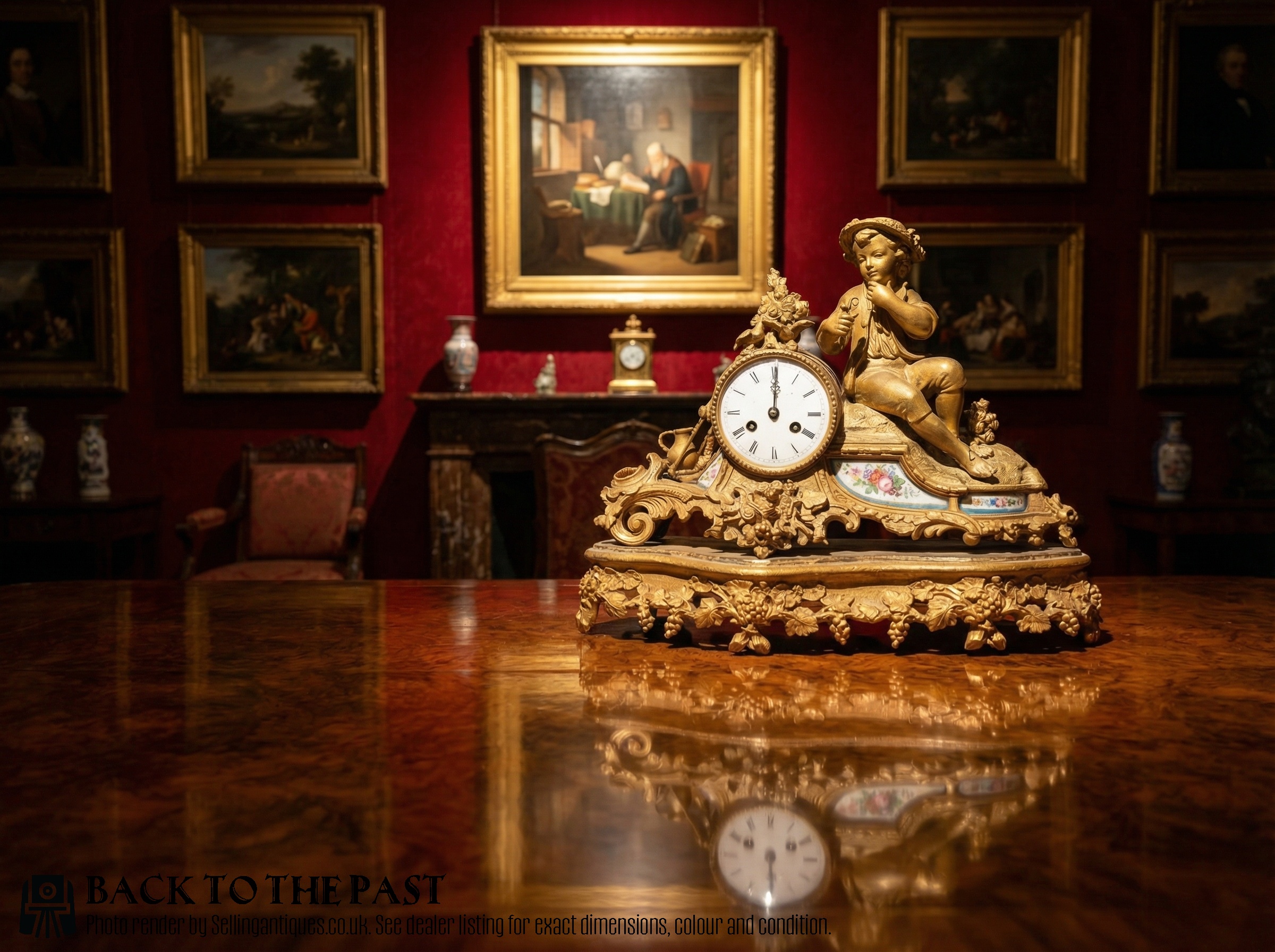
How they were made
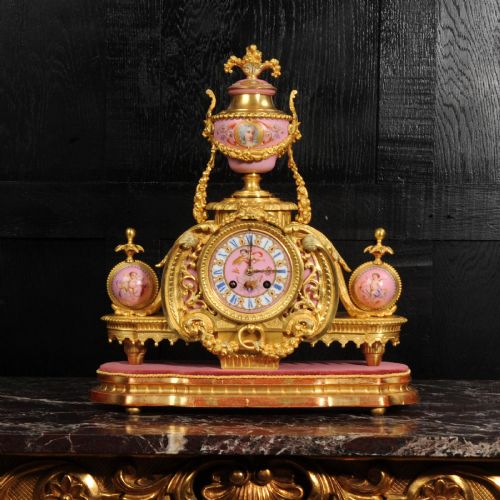
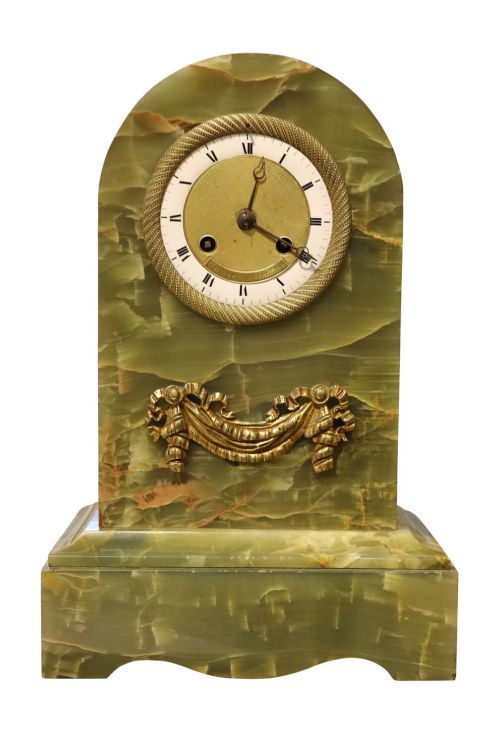
Makers shaped these clocks using cast bronze, which received a mercury gilt coating known as ormolu to produce a bright golden surface. This metallic work combined with natural supports of white marble, green onyx, and wood cabinetry.
Dial faces frequently integrated painted porcelain panels and champlevé enamel work, protected beneath curved glass bezels. Movements relied on mechanical brass gear trains, sometimes featuring repeating mechanisms or specialised escapements.
19th Century Ormolu Clock Retail Price Guide 2026
Typical asking prices for 19th century ormolu clock among the pieces listed under this phrase on Sellingantiques today, from the lower quarter to the upper quarter. They describe what is for sale here now, not the wider market.
Listings feature 19th-century French timepieces incorporating materials such as gilt bronze, white marble, porcelain, and champlevé enamel.
What varies in quality
Horological refinement also separates standard production from exceptional pieces, visible in signed movements from established makers, delicate porcelain plaque painting, and intact garniture sets that retain their original matching bases.
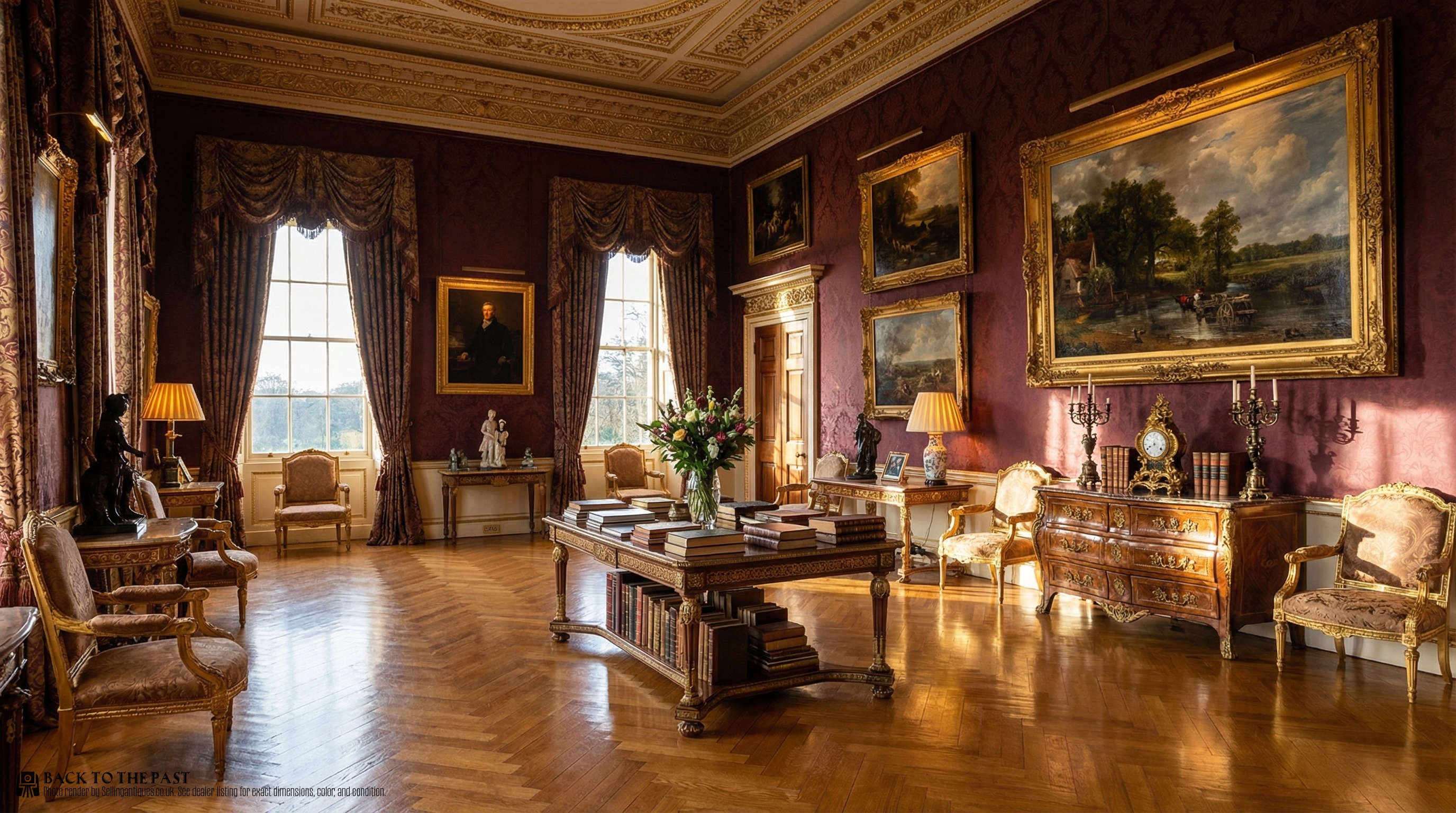
Jean-Baptiste Delettrez·Achille Brocot·Japy Freres·Henry Marc·Paul Sormani·Schneckenburger
The 19th Century Ormolu Clock Glossary
- Ormolu
- Gilt bronze produced by applying a mixture of gold and mercury to a cast brass or bronze object before heat vaporization leaves a golden layer. This technique creates a distinct warm lustre characteristic of French decorative arts.
- Garniture
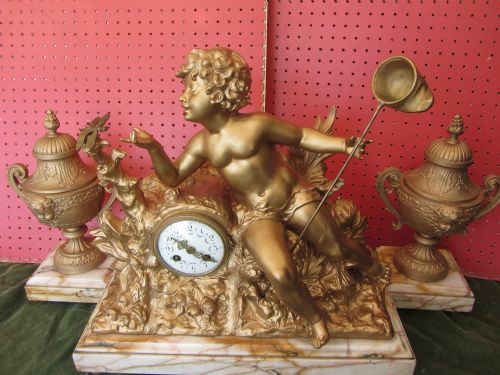
- A set of matching ornamental objects consisting of a central clock flanked by twin side pieces such as urns or candelabra. Such sets were designed to sit symmetrically upon a mantelpiece.
- Portico clock
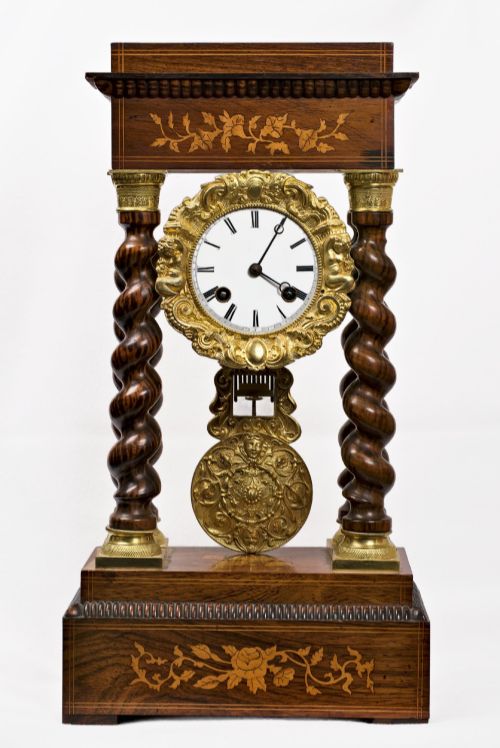
- A distinct architectural clock style supported by four vertical columns resembling a classical temple facade. These pieces often feature a suspended pendulum swinging within the central open space.
- Champlevé
- An enamelling technique where troughs or cells are dug into the surface of a metal object and filled with coloured glass paste before firing. The resulting surface displays geometric or floral patterns flush with the surrounding metal.
- Carriage clock
- A small spring-driven timekeeper housed in a brass and glass case, originally designed for travel. Many examples feature repeating mechanisms that sound the hours and quarters upon demand.
19th Century Ormolu Clock: Frequently Asked Questions
What is an ormolu clock?
An ormolu clock is a nineteenth-century timekeeper featuring a cast bronze body treated with a gold-mercury amalgam finish. These pieces serve as decorative sculptural objects as much as functional clocks.
They originate predominantly from French workshops, utilising revival styles that reference earlier royal periods in European design.
How do clock garnitures work?
Clock garnitures consist of a main mantel clock accompanied by two matching ornamental companion pieces, such as decorative vases or candelabra. Placed together on a mantelpiece or console, they create a balanced decorative arrangement.
The side pieces share the exact materials, motifs, and gilding style of the central clock.
How do I care for marble and bronze?
Maintenance requires gentle dusting with a soft, dry cloth to prevent particulate accumulation on the delicate gilt surfaces. Water and chemical cleaning products must be avoided, as they strip the historical mercury gilding and stain porous marble.
Mechanical movements require professional servicing every few years to ensure proper lubrication and timekeeping accuracy.
How are periods identified?
Periods are determined through a combination of stylistic cues, mechanical signatures, and material choices. Architectural forms and specific revival aesthetics point towards particular decades within the nineteenth century.
Maker stamps on the brass backplates or painted signatures on enamel dials provide precise chronological markers.