

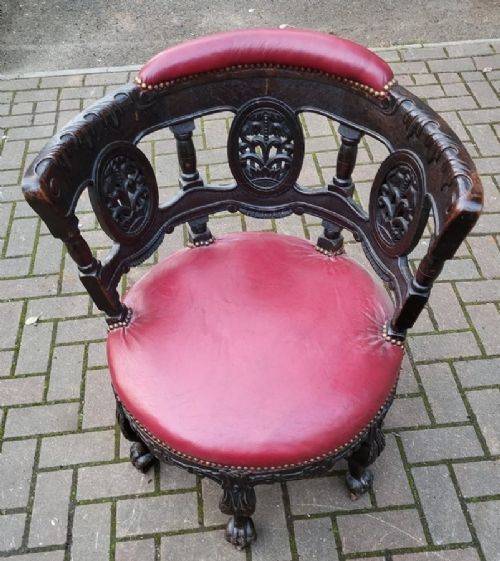
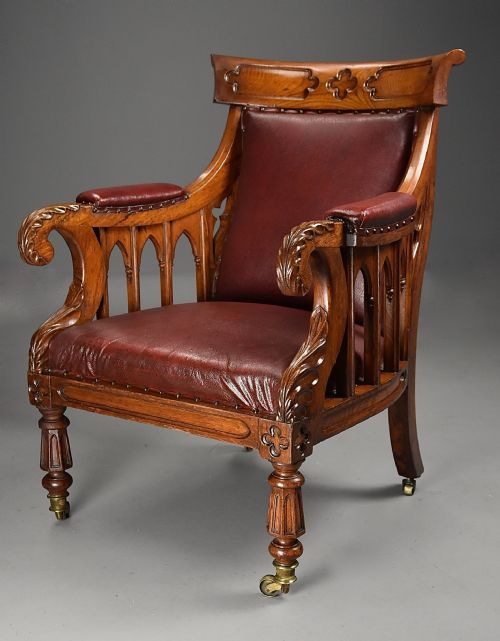
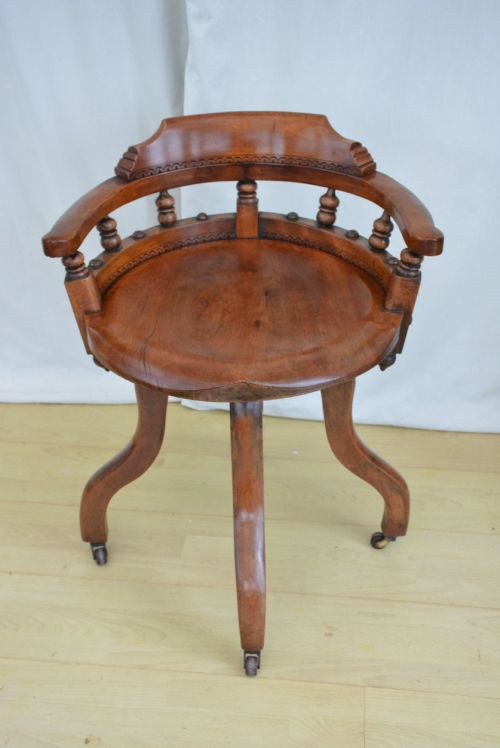
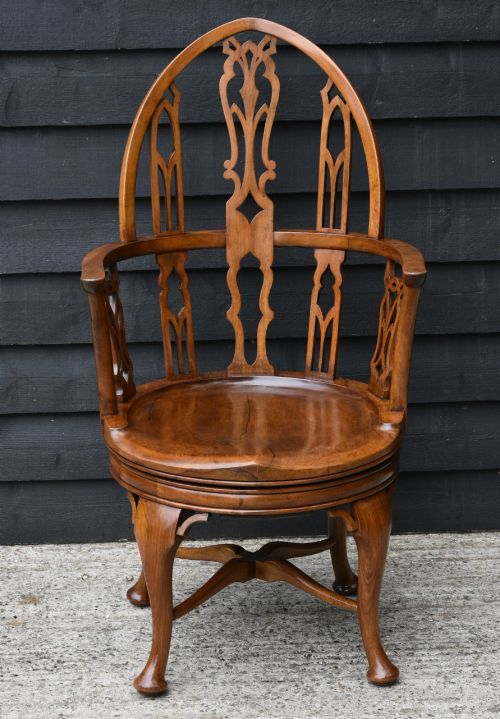
19th Century Office Armchair
A 19th century office armchair brings sturdy wooden joinery and supple leather upholstery together to anchor a study with practical workspace heritage.
19th Century Office Armchair
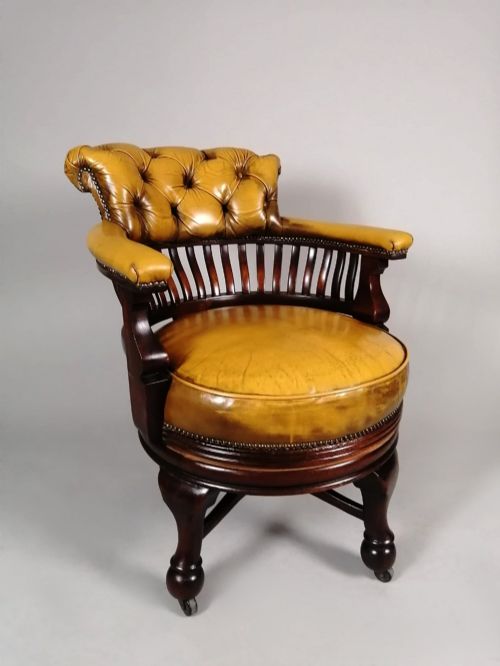
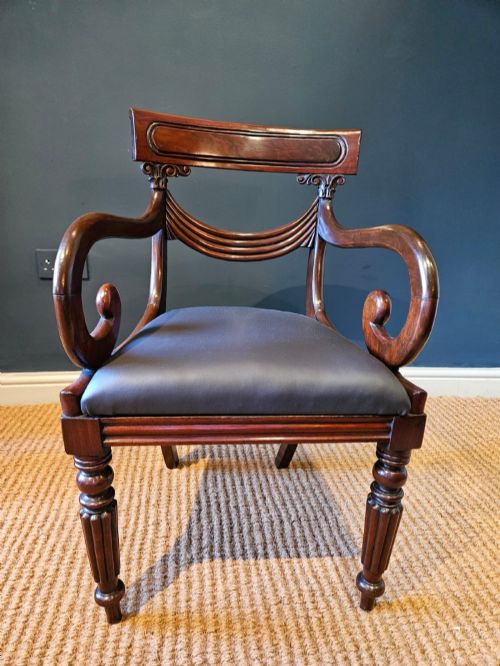
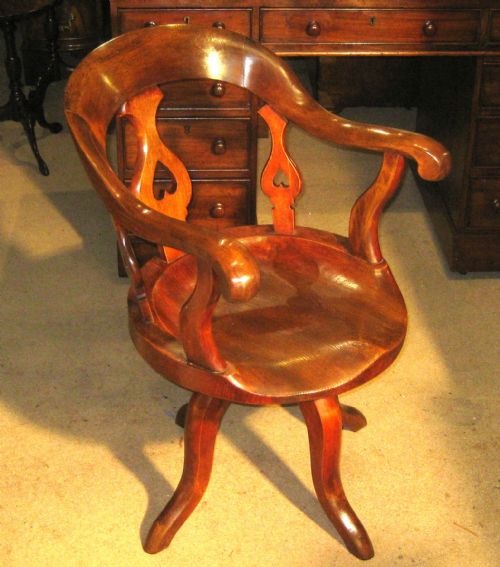
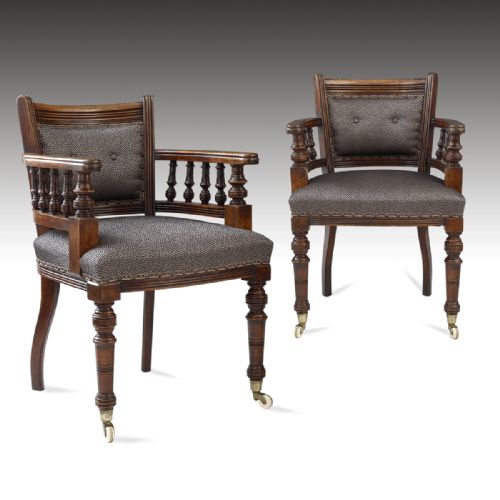
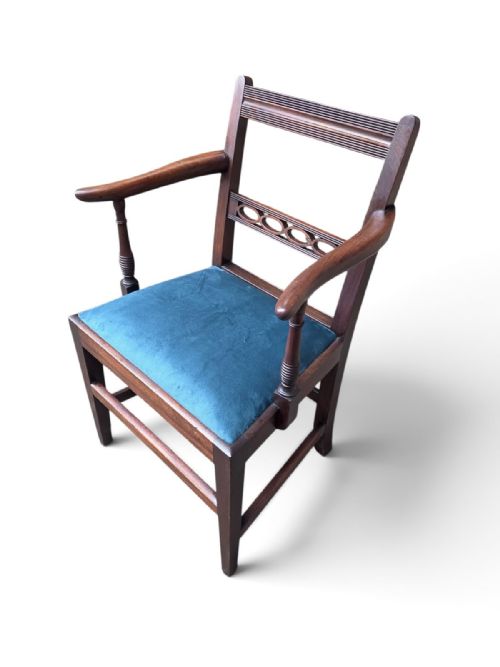
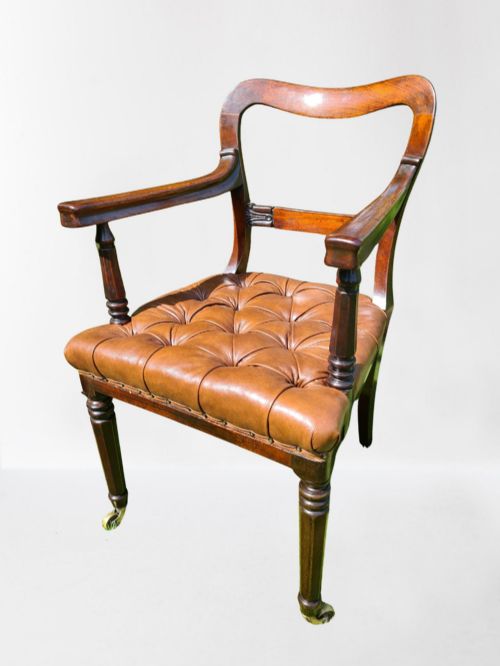
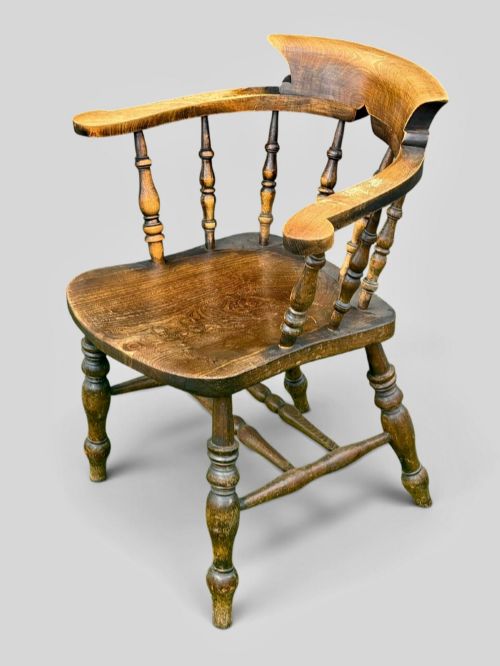
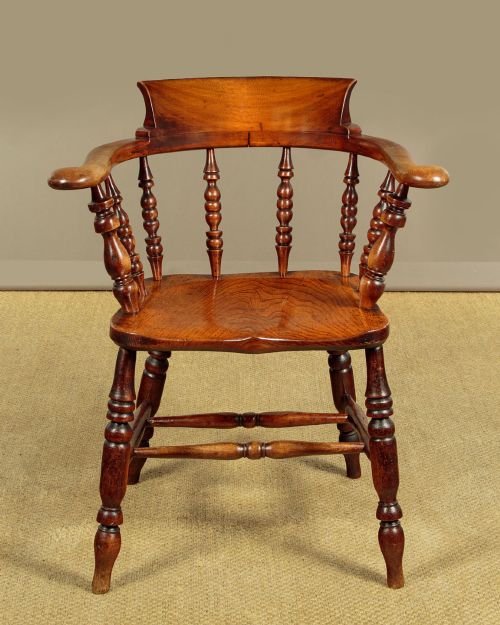
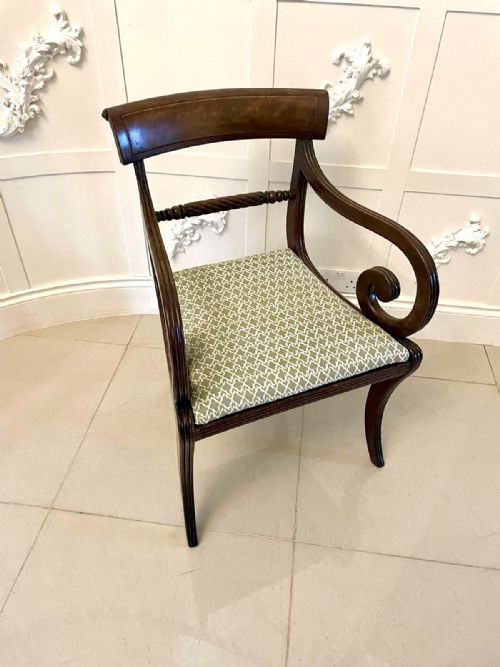
When you search for a 19th century office armchair, you encounter robust seating built for professional tasks across the Victorian, Regency, and William IV periods. These pieces include revolving desk chairs, deep-seated Captains chairs, and sturdy smokers bows designed for prolonged daily sitting. Mahogany, oak, and walnut dominate the formal varieties, while provincial workshops utilise elm, beech, and ash.
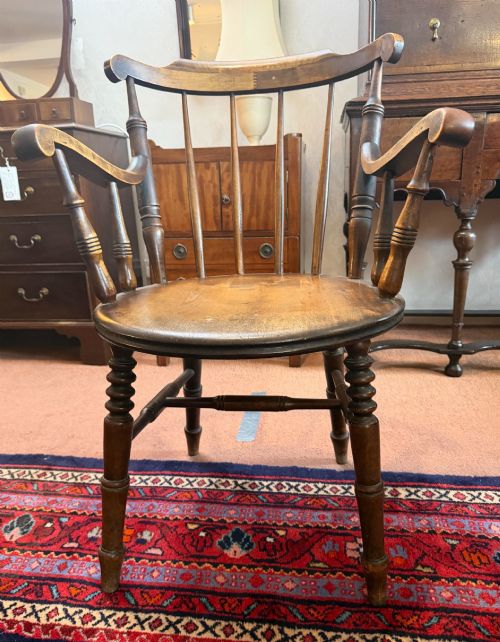
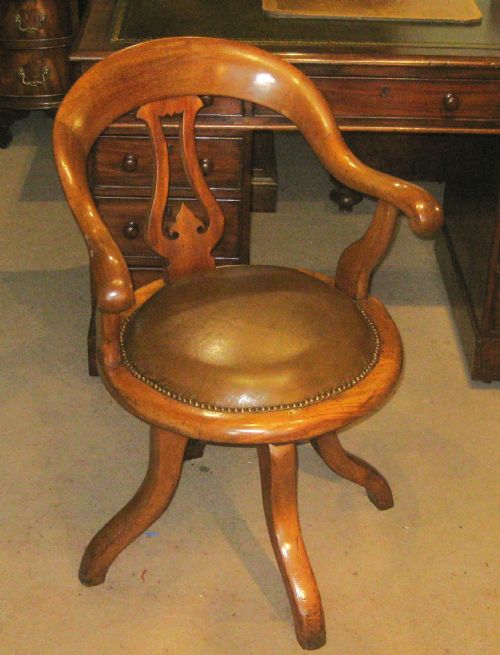
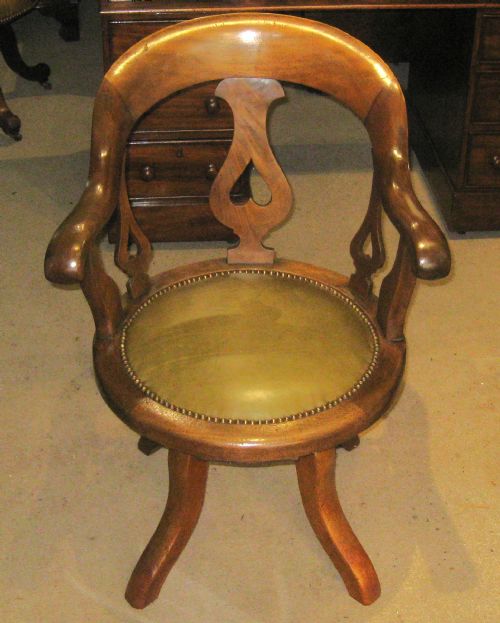
The most common versions on this page are mahogany swivel desk chairs featuring leather pads, alongside provincial Windsor and smokers bow designs with round wooden seats. You will also find occasional French Empire models and Gothic Revival walnut variants that display distinct regional carving. Each form reflects the specific clerical or domestic workspace demands of its decade of origin.
Materials and Construction Methods
Cabinet makers and provincial joiners built these seats using dense hardwoods like mahogany, oak, and walnut for formal desks, paired with resilient elm and beech for steam-bent spindle backs. Brass mechanisms often facilitated the revolving and swivelling functions on later Victorian swivel chairs. Ormolu mounts appear on select French Empire revival pieces, adding metallic contrast to dark timber frames.
Upholstered versions rely on traditional horsehair stuffing beneath panels of brown, green, or black leather, secured with individual brass tacks. Spindle-back Captains chairs and smokers bows utilise sturdy mortise and tenon joinery to withstand the daily strain placed on arms and back rails.
19th Century Office Armchair Retail Price Guide 2026
Typical asking prices for 19th century office armchair among the pieces listed under this phrase on Sellingantiques today, from the lower quarter to the upper quarter. They describe what is for sale here now, not the wider market.
Listings feature timbers including mahogany, walnut, oak, elm, beech, ash, and yew alongside leather, brass, and fabric upholstery.
Judging Quality in Period Seating
Quality reveals itself in the selection of timber figures, such as golden mahogany, burr elm, or richly grained walnut, rather than plain stock. The integration of the swivel mechanism dictates the mechanical success of a desk chair, separating fluid revolving movement from stiff or loose joints. Sharply executed carvings, crisp edge mouldings, and well-proportioned sabre legs or spindle hoops separate standard utility seating from master-carved library armchairs.
The 19th Century Office Armchair Glossary
- Smokers bow
- A low-backed Windsor armchair featuring a continuous bentwood rail forming the arms and crest. These pieces typically include sturdy turned spindles and a comfortable saddle seat.
- Captain's chair
- A sturdy wooden armchair designed with a low back and rounded seat that fits easily beneath a writing desk. They frequently employ a combination of elm and beech.
- Revolving desk chair
- An office seat mounted on a central pivoting wooden or metal spindle that allows the user to rotate. Many examples incorporate a tilt mechanism for added posture support.
- Ormolu
- Gilded bronze mounts applied to furniture frames for decorative accent. This technique is typical of French Empire and revival aesthetics.
- Sabre leg
- A concave, outwardly curving furniture leg tapering toward the foot. This form is characteristic of Regency seating design.
19th Century Office Armchair: Frequently Asked Questions
How do I spot a revolving desk chair?
Look beneath the wooden seat for a central iron spindle, four-legged cross base, or wooden spider assembly that permits rotation. These components often feature patent stamps or heavy brass fittings.
Swivel models from this era prioritise functional movement, so check whether the mechanism operates smoothly without excessive wobble in the upper column.
Were these chairs used only in offices?
While many served clerks and professionals, a large portion of these seats belonged to private home libraries, studies, and ship captain quarters. Their robust construction suited both commercial counting houses and domestic writing rooms.
Heavier upholstered versions in mahogany or oak usually resided in grand libraries, whereas elm smokers bows served more practical, everyday functions.
What is the difference between elm and mahogany versions?
Elm and beech typically signal provincial English vernacular pieces, such as Windsor chairs and smokers bows, valued for tough, fibrous grain that resists splitting. Mahogany and walnut indicate formal urban furniture destined for high-status libraries and administrative desks.
Colour and weight also divide them, with mahogany offering a deep, polished red-brown tone while elm displays a paler, more varied golden grain.
How should I care for leather upholstery?
Nourish the original leather panels with a quality conservation wax or leather balm to prevent cracking while preserving the historic patina. Avoid modern chemical cleaners that strip away decades of natural ageing.
Keep the chair away from direct heat sources and strong sunlight, which rapidly dry out nineteenth-century hide and weaken internal horsehair stuffing.
How do I date a Victorian desk chair?
Examine the turnings on the arm supports and the complexity of the swivel mechanism beneath the seat. Earlier mid-century pieces favour simpler lines and solid timber, while late-century variants often incorporate more intricate spindles and complex cast-iron scroll brackets.
Timber choice also helps narrow the decade, as golden mahogany and burr elm gain prominence toward the closing decades of the period.