
19th Century Oak Seat
A 19th century oak seat offers robust domestic utility and deep character, spanning simple country stools to carved Gothic hall benches.
19th Century Oak Seat
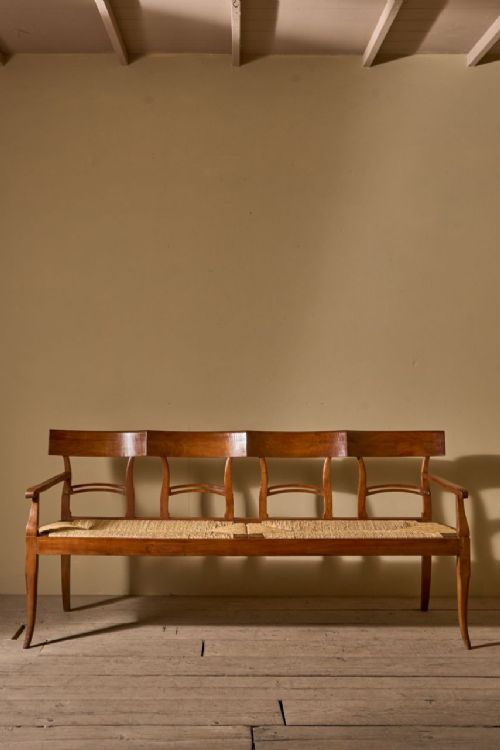
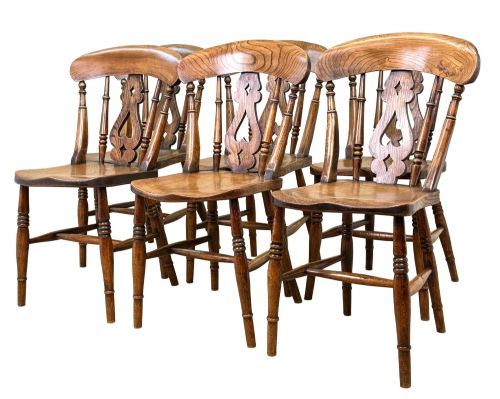
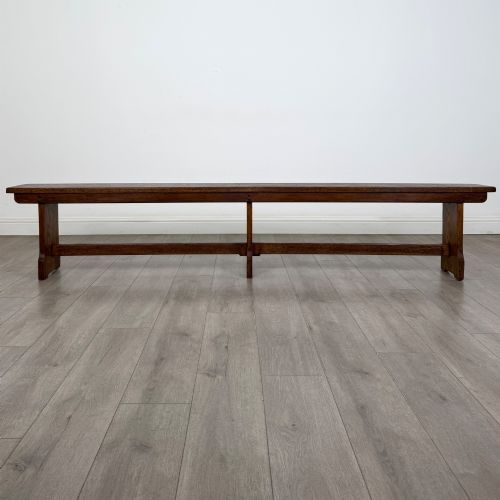
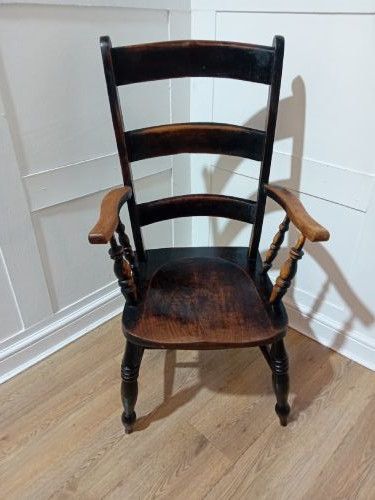
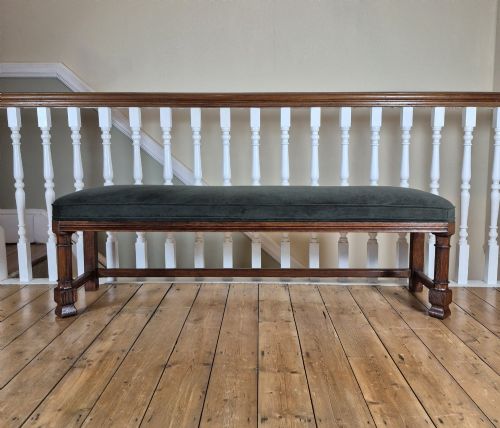
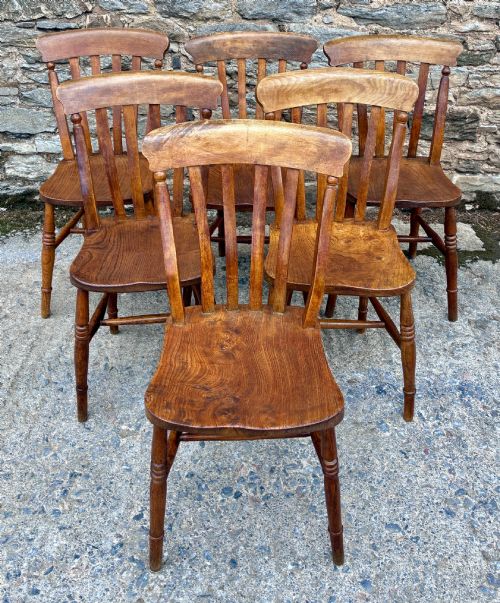
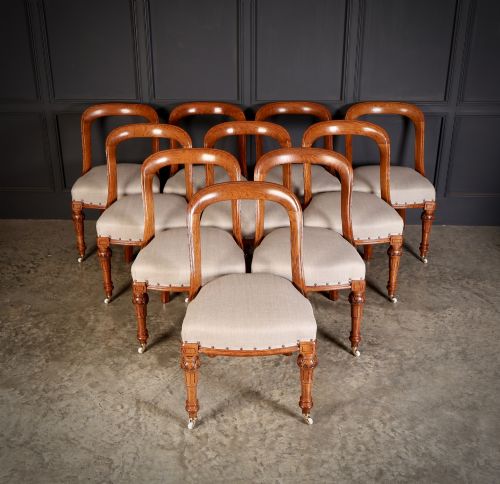
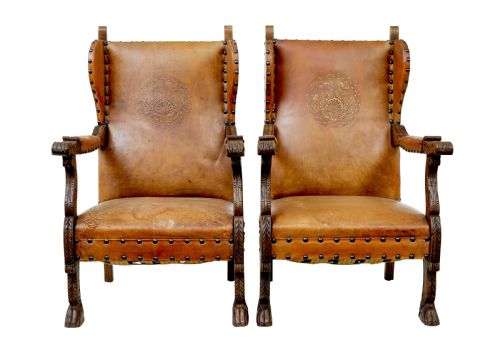
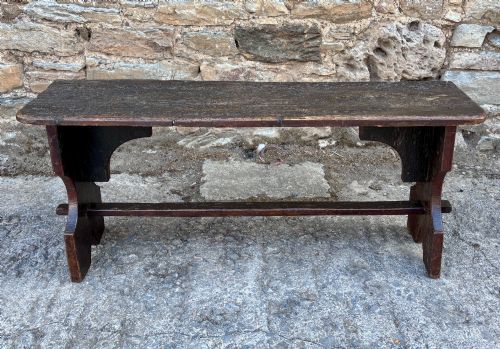
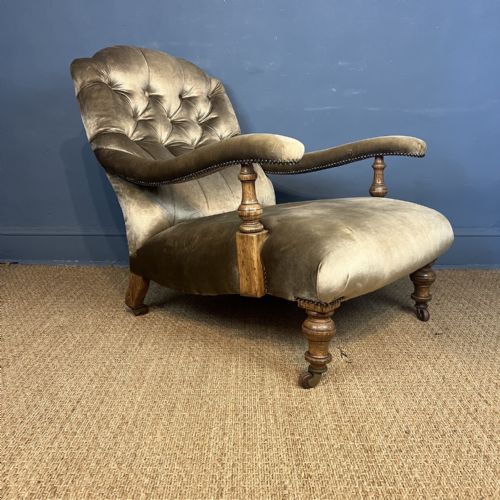
A 19th century oak seat encompasses a diverse range of domestic furniture designed for sitting, from single stools and hall chairs to expansive window seats, settles, and dining sets. Buyers searching this phrase encounter pieces shaped by Victorian country traditions, Gothic Revival movements, and utilitarian workshop requirements.
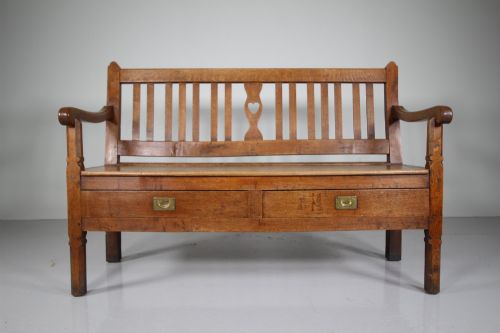
Many examples double as storage furniture, featuring lift-up box seats or enclosed settling compartments beneath the main plank. Their robust construction suits practical daily use in hallways, kitchens, and libraries.
Assessing quality and craftsmanship
Quality in these seats rests upon the integrity of the timber selection and the tightness of the original joinery. Heavier gauge oak and thick, unwarped seat planks distinguish superior workshop output from simpler utilitarian items.
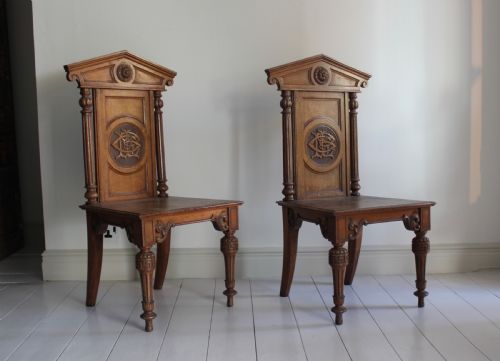
The crispness of hand-carved detailing, particularly on Gothic Revival or architectural hall seats, separates standard commercial production from master cabinetmaker execution. Original surface patination and untouched finishes further elevate a piece by preserving the authentic texture of the period.
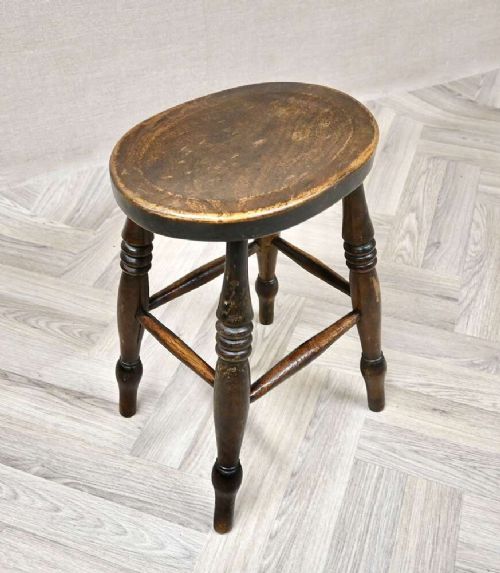
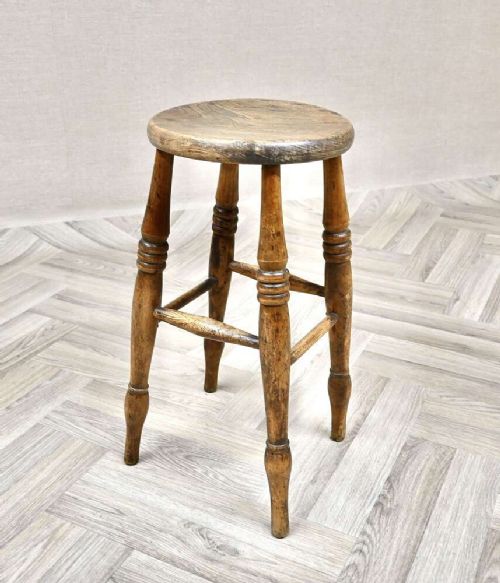
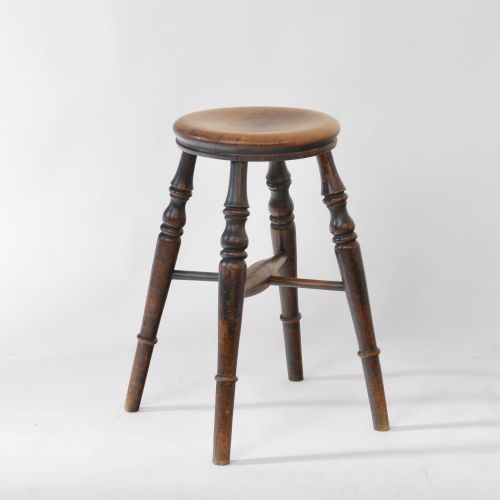
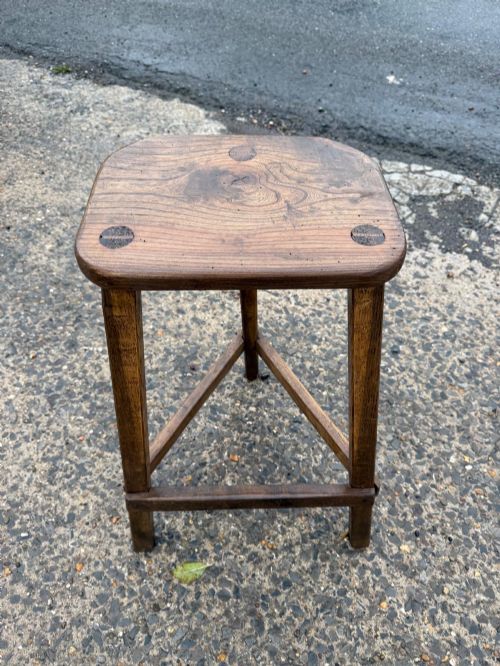
Keep an eye out for diminutive workshop stools once used by 19th century silversmiths and artisans.
Gillows·Bruce Talbert·Strahan
The 19th Century Oak Seat Glossary
- Settle
- A wooden bench featuring a high back to block draughts and often an enclosed box seat beneath for storage. It typically stood near hearths in country houses and taverns.
- Windsor chair
- A distinct seating form constructed with turned legs and spindles inserted into a solid carved wooden seat. The back is formed by steam-bent members.
- Hall chair
- An upright wooden seat placed in entrance halls, usually featuring a solid panel back carved with family crests or architectural motifs. These were designed for brief waiting rather than long lounging.
- Gothic Revival
- A design style drawing inspiration from medieval architecture, characterised by pointed arches, tracery, and heavy carved oak. It gained immense popularity during the Victorian era.
- Lathe back
- A chair construction method utilising horizontal turned wooden lath slats across the backrest. This technique was common in regional country seating.
19th Century Oak Seat: Frequently Asked Questions
How do I identify a Victorian Gothic seat?
Victorian Gothic seats display architectural motifs such as pointed arches, quatrefoils, and heavy relief carvings executed in dark oak.
They often feature high, panelled backs and substantial proportions intended to mimic medieval church furniture.
Where should I place a hall bench?
Hall benches suit narrow entryways, corridors, or large landing spaces where guests remove coats and boots.
Those with built-in storage boxes also provide a practical hiding place for household clutter.
What is the difference between an elm and oak seat?
Oak provides a harder, heavier frame with prominent medullary rays and a straight grain suited to structural joinery and carving.
Elm offers a tangled, interlocking grain that resists splitting, making it the preferred traditional timber for hollowed-out solid wooden chair seats.
How do I care for antique oak furniture?
Maintain antique oak by applying a traditional beeswax polish sparingly to nourish the dry timber and preserve the historic finish.
Keep the pieces away from direct heat sources and sudden humidity shifts to prevent the solid wood from splitting.