


19th Century Needlework
When you explore 19th century needlework, you encounter framed samplers, Berlin wool panels, and practical sewing furnishings crafted to display fine domestic handwork.
19th Century Needlework
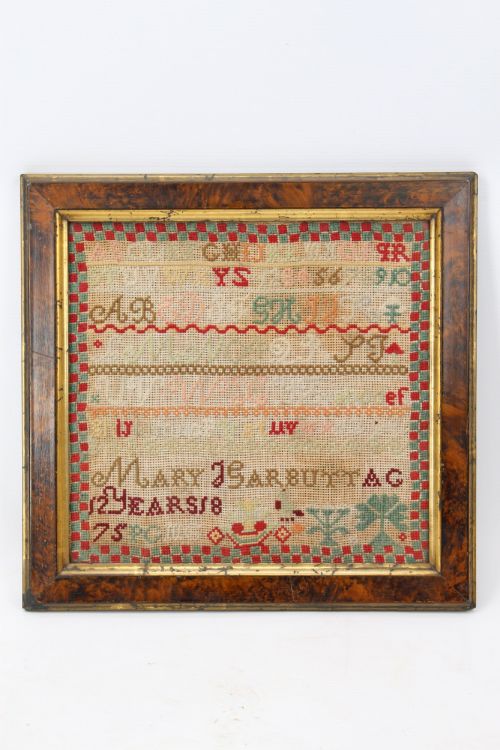
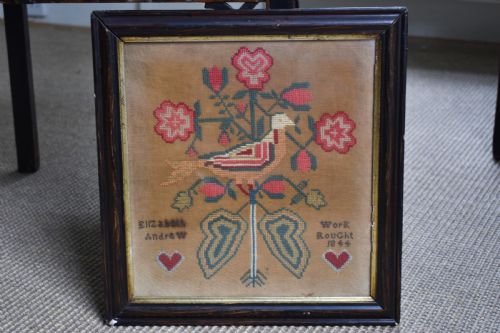
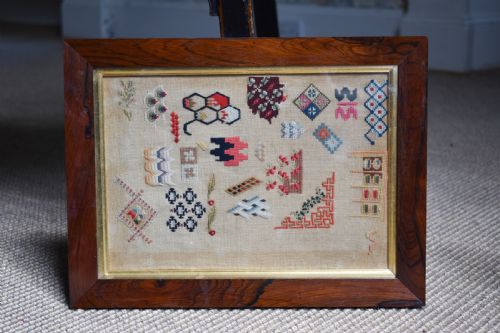
When searching for 19th century needlework, you encounter a diverse range of surviving domestic artefacts, from framed samplers worked by young girls to large embroidered tapestries and upholstered furnishings. Samplers display alphabets, maps, and religious motifs, recording the domestic education of the period.
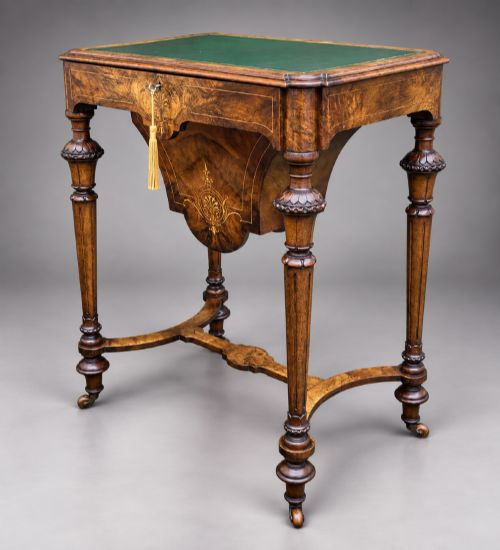
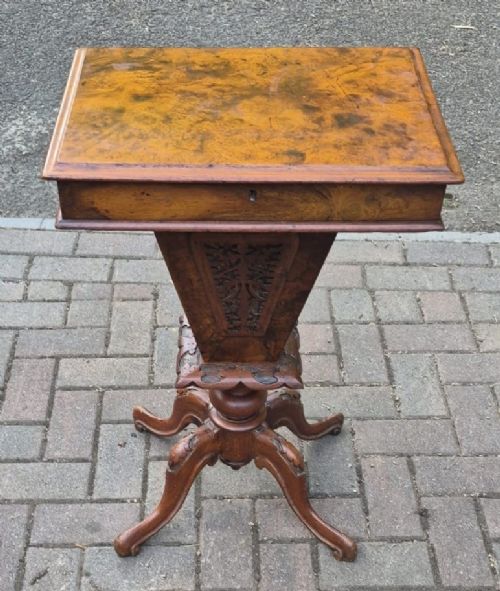
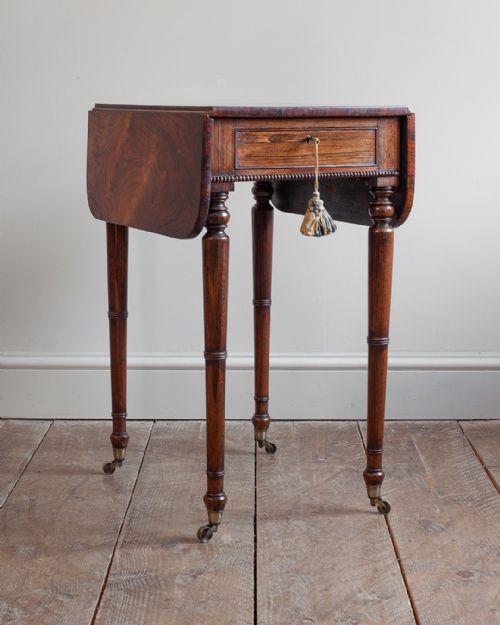
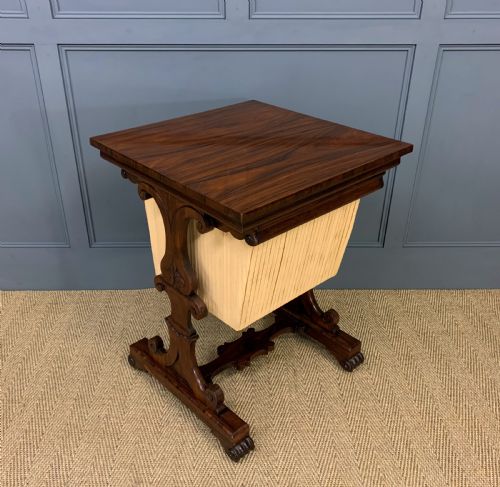
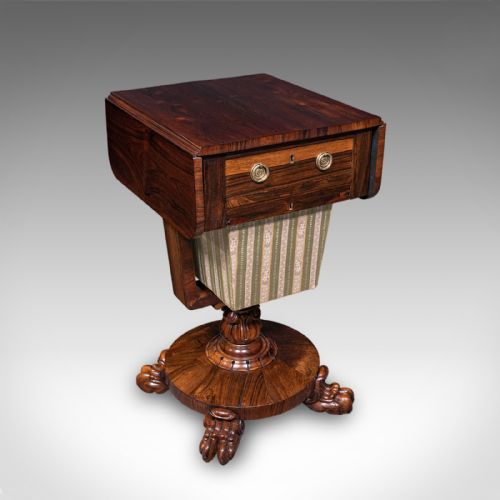
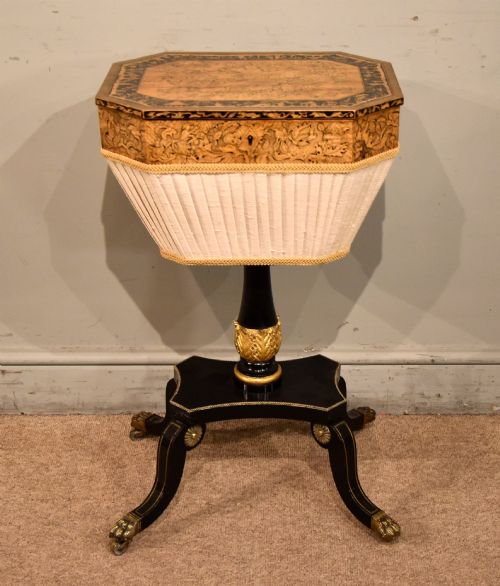
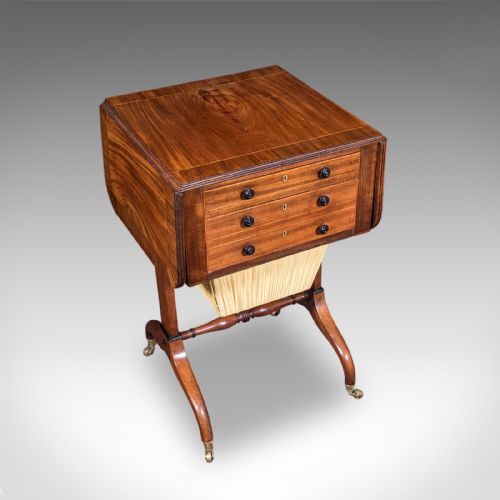
Beyond wall art, the selection encompasses specialised work tables, sewing boxes, and compendiums designed to house threads, needles, and fabric scraps. These utilitarian objects combine practical storage with decorative veneered woods and fitted compartments.
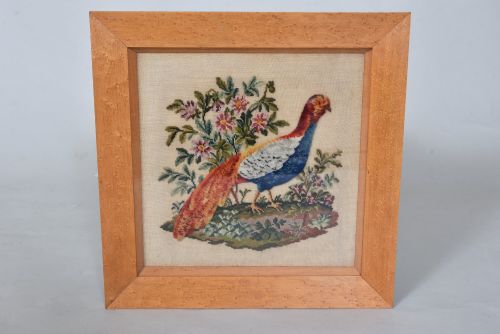
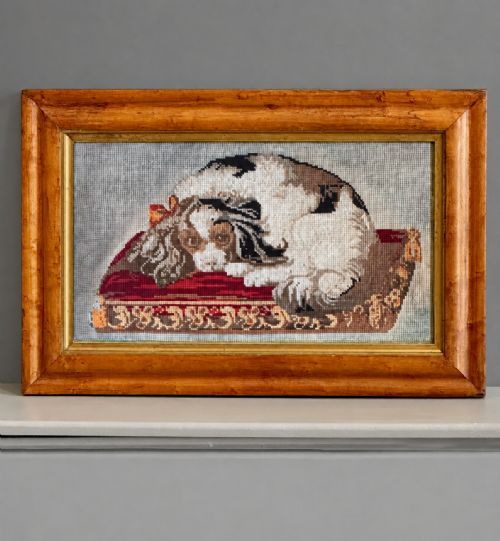
Larger textiles also appear, including fire screens, footstools, and seating upholstered in original Berlin work or wool needlepoint. These pieces demonstrate how decorative stitching was integrated into the domestic interior of Victorian and Regency homes.
Materials and construction
Makers utilised natural textile foundations such as linen, wool, and silk, stitching colourful wools and silk threads to form pictorial and geometric designs. Wooden frames in rosewood, walnut, and mahogany often house these textiles, sometimes featuring intricate Tunbridge ware or penwork decoration.
Needlework storage items and furniture incorporate brass hardware, glass panels, and papier-mâché, reflecting the period's diverse manufacturing techniques. Larger frames and tables rely on traditional cabinetmaking methods using rosewood, walnut, and mahogany timbers.
19th Century Needlework Retail Price Guide 2026
Typical asking prices for 19th century needlework among the pieces listed under this phrase on Sellingantiques today, from the lower quarter to the upper quarter. They describe what is for sale here now, not the wider market.
Listings feature textiles and sewing furniture spanning the Georgian, Regency, William IV, and Victorian periods, utilising rosewood, walnut, and silk.
Evaluating quality in these pieces
The distinction between standard examples and superior pieces rests upon the precision of the stitching and the ambition of the composition. Finer samplers and pictorial panels display complex colour shading and disciplined execution, whereas simpler items show more repetitive or basic motifs.
For furniture and sewing boxes, quality is determined by the selection of figured timbers like burr walnut or rosewood, alongside the complexity of the interior fittings. Original untouched frames and well-preserved textiles without major losses command greater appreciation among collectors.
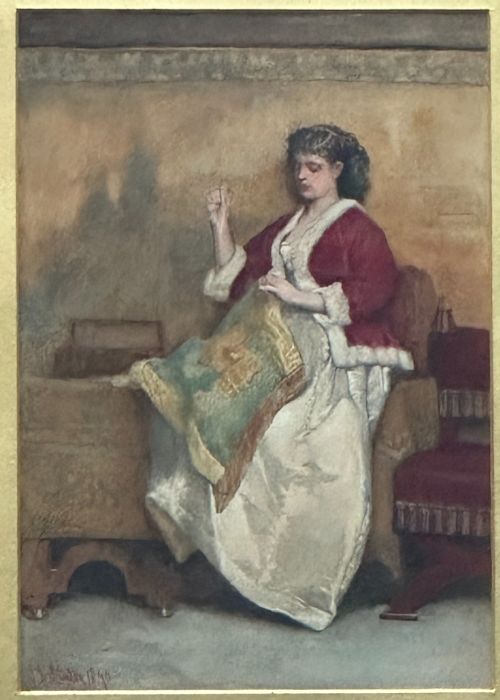
Sir James Dromgole Linton
The 19th Century Needlework Glossary
- Sampler
- A piece of needlework produced as a demonstration or test of skill in various stitches, often featuring alphabets, numbers, and names.
- Berlin work
- A type of counted-thread embroidery popular during the Victorian era, typically stitched in wool on canvas from charted patterns.
- Work table
- A small freestanding table equipped with drawers, compartments, or a fabric bag designed to hold sewing materials.
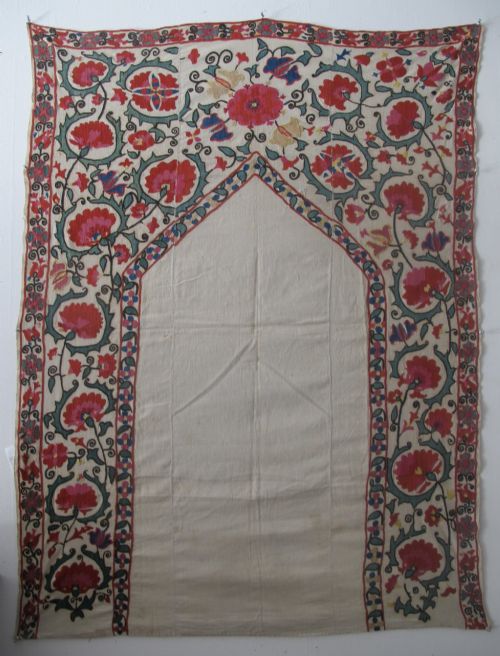
- Suzani
- A type of embroidered tribal textile originating from Central Asia, featuring large floral medallions worked in silk on a cotton ground.
- Penwork
- A decorative technique using ink applied to wood to simulate elaborate inlay or marquetry, seen on Regency sewing boxes.
19th Century Needlework: Frequently Asked Questions
How do I date a needlework sampler?
Many samplers include embroidered dates alongside the maker's name and age, providing a direct record of their creation.
When dates are absent, stylistic clues such as the choice of alphabet fonts, border motifs, and framing materials help narrow down the period.
What was a sewing table used for?
These specialised pieces of furniture served as mobile stations for domestic needlework, keeping threads, needles, and scraps organised within fitted drawers and compartments.
They often included a suspended fabric bag underneath to collect ongoing mending and embroidery projects.
How should I care for antique textiles?
Antique needlework requires protection from direct sunlight to prevent the fading of delicate silk and wool threads.
Displaying pieces behind glass or keeping them away from damp environments ensures the fibres remain stable over time.
What is Berlin work?
Berlin work is a vibrant style of needlepoint embroidery that gained immense popularity in the nineteenth century using wool on canvas.
Named after the city where the printed paper charts were first produced, it allowed makers to create richly coloured floral and pictorial designs.