


19th Century Milk Jug
A 19th century milk jug brings everyday service to the table in earthenware, porcelain and silver.
19th Century Milk Jug
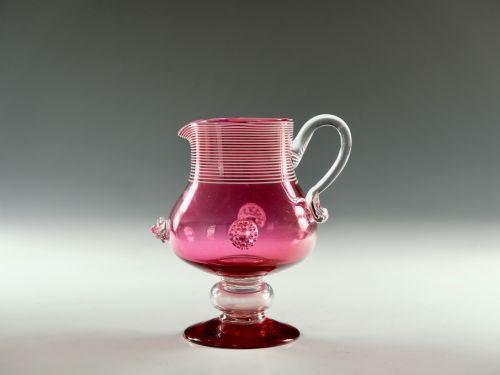
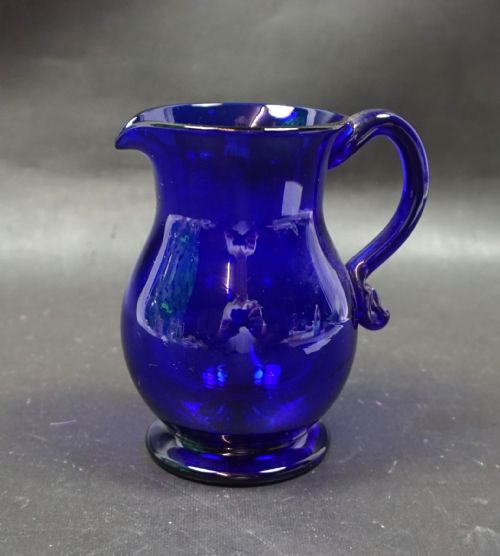
A 19th century milk jug is a small vessel designed for serving cream or milk at the table during tea and breakfast service. Buyers seeking one will find pieces ranging from utilitarian cream jugs to decorative pitchers in various regional styles.
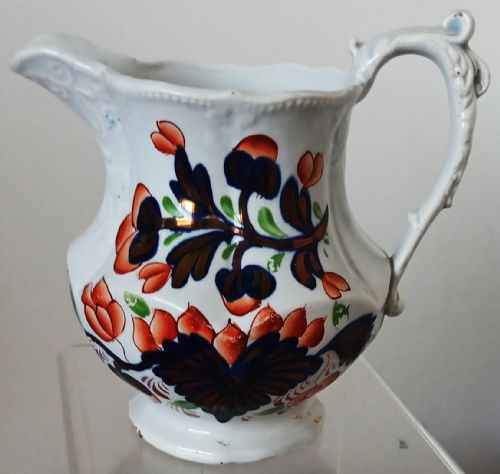
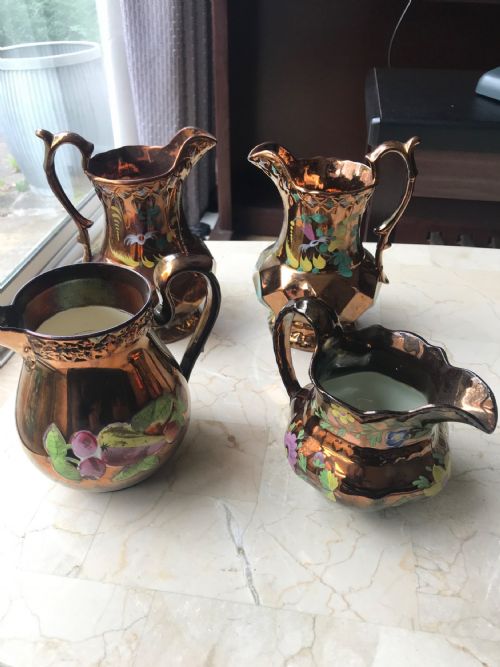
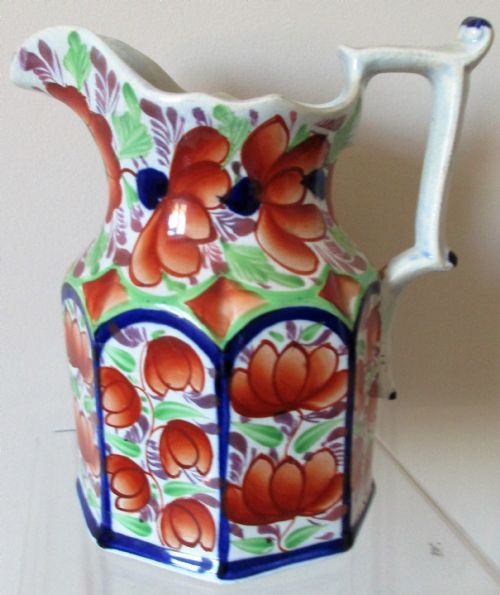
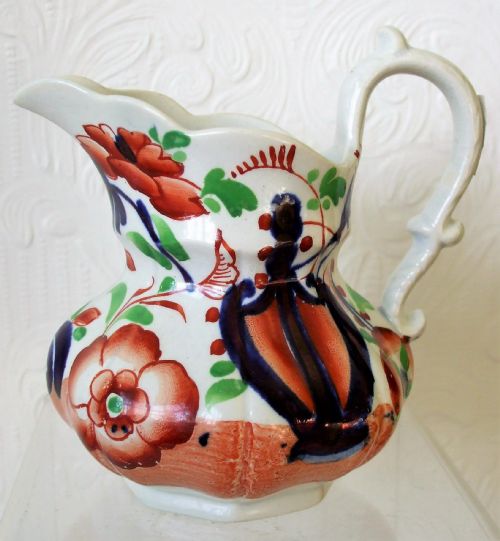
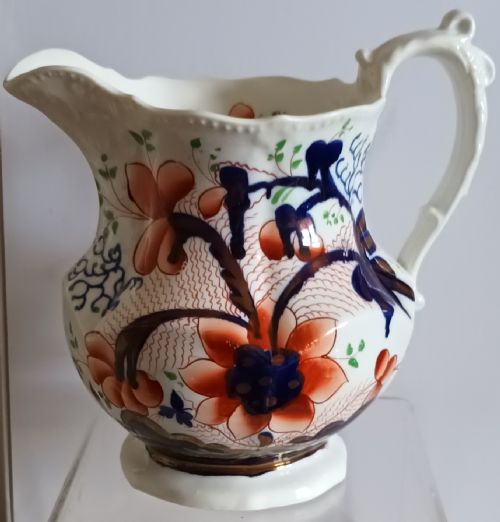
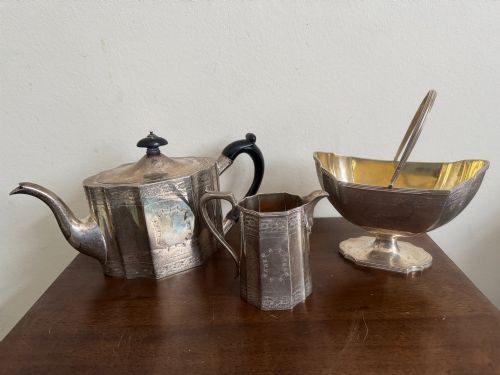
The selections available include pottery creamers decorated with patterns like Gaudy Welsh and copper lustre, alongside porcelain examples with handpainted details. Silver items from Glasgow and London also appear across the range.
Most examples date from the Victorian and Georgian eras, taking forms such as cow creamers, pouch jugs and pedestal shapes. These serve both decorative display and traditional table use.
Materials and methods of construction
Pottery and earthenware pieces utilise coloured glazes, enamel decoration and gilt highlights applied to ceramic bodies. Makers shaped these items into specific regional patterns and figural forms like cows.
Porcelain jugs feature handpainted birds, insects and floral panels finished with gilding. Silver vessels were cast, chased and raised in sterling silver by makers in London and Glasgow.
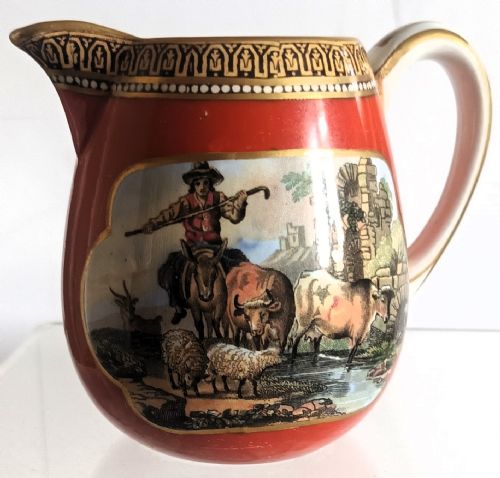
Copper lustre techniques created metallic surface sheens on Staffordshire earthenware, while transfer printing and hand painting delivered distinct patterns across earthenware and porcelain bodies.
The evidence spans multiple 19th century stylistic movements, including Georgian, Regency, Early Victorian, and English Folk Art.
What separates the finest examples
Quality rests in the crispness of modelling for figural pieces like cow creamers and the precision of handpainted detail on porcelain and earthenware surfaces. Finer items show skilled brushwork in floral panels and bird motifs.
The weight and finish of sterling silver examples distinguish standard domestic items from superior matched sets bearing clear assay marks. Material integrity and the preservation of original gilding and enamel colours dictate overall desirability.
Phillips & Bagster·Copeland Spode·Royal Davenport·Robert Hennel
The 19th Century Milk Jug Glossary
- Copper lustre
- A pottery technique producing a metallic, reflective copper sheen over an earthenware body. This finish was widely used on Staffordshire jugs and pitchers.
- Cow creamer
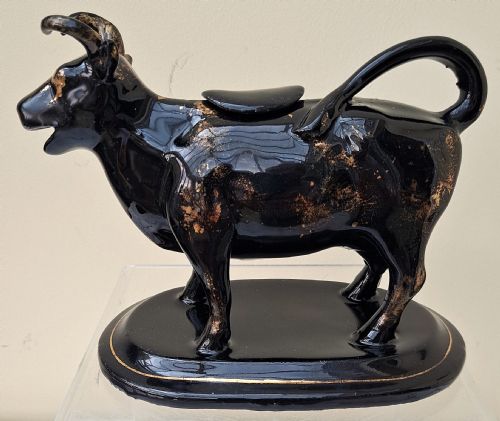
- A ceramic vessel modelled in the shape of a cow with a milk pouring opening on its back. These novelty pieces are found in various 19th century pottery bodies.
- Gaudy Welsh
- A type of colourful pottery featuring bright cobalt blue, copper lustre, and enamel red or green. It was produced in Staffordshire and Wales for domestic markets.
- Hydra jug
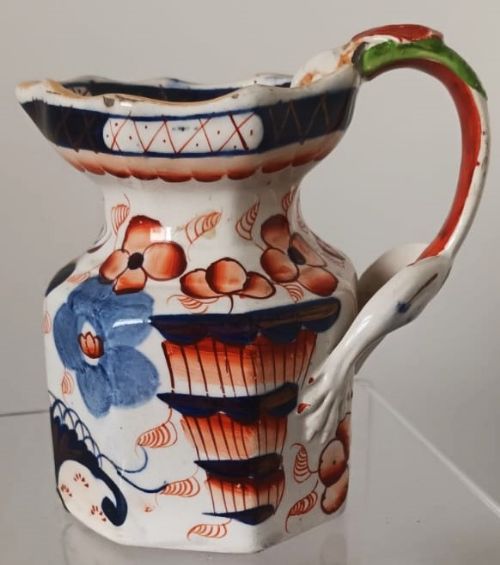
- A specific jug form with a distinct serpent or scroll handle and wide pouring spout. Mason's pottery produced notable examples of this classical shape.
- Sterling silver
- An alloy of silver containing 92.5 percent pure silver by mass. Assay offices in London and Glasgow stamped these metals with date letters and maker marks.
19th Century Milk Jug: Frequently Asked Questions
How were 19th century milk jugs used?
These vessels were placed on the dining table during tea and breakfast services to hold dairy milk or cream for pouring into cups.
They functioned alongside teapots and sugar bowls as part of matched or mixed table sets.
How do I identify a Victorian piece?
Victorian examples often display characteristic period styles such as Rococo Revival curves or bold Gaudy Welsh patterns.
Silver versions frequently carry hallmarks indicating London or provincial assay offices from the middle to late decades.
What is a cow creamer?
A cow creamer is a ceramic container shaped like a cow, featuring a removable lid or opening on the back for filling.
Milk is poured out through the animal's mouth during tea service.