


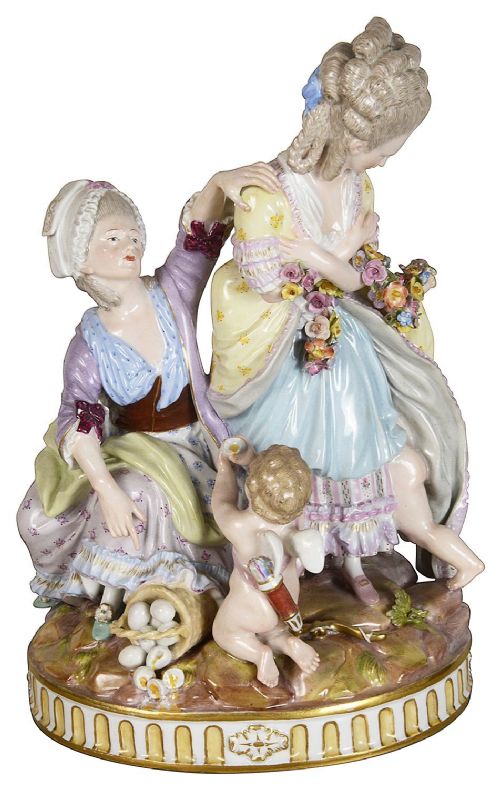

19th Century Meissen Figurine
A 19th century meissen figurine brings the elaborate theatricality of European porcelain into the room through modeled figures and birds.
19th Century Meissen Figurine
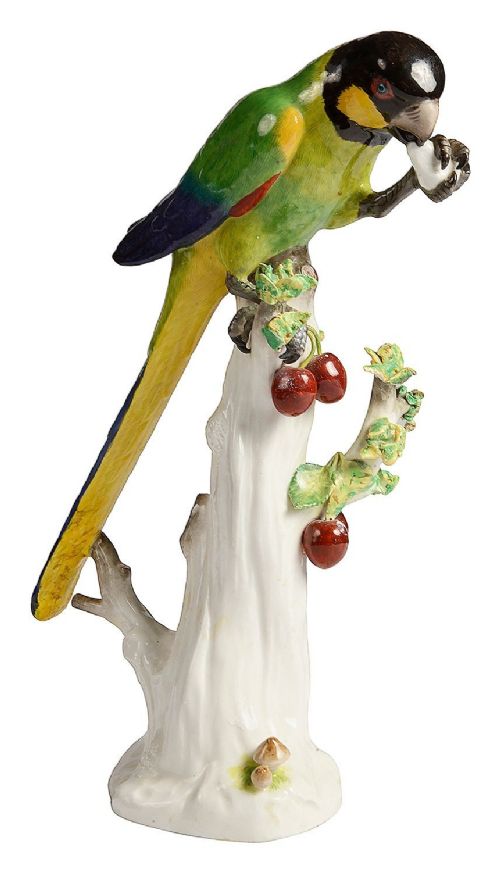
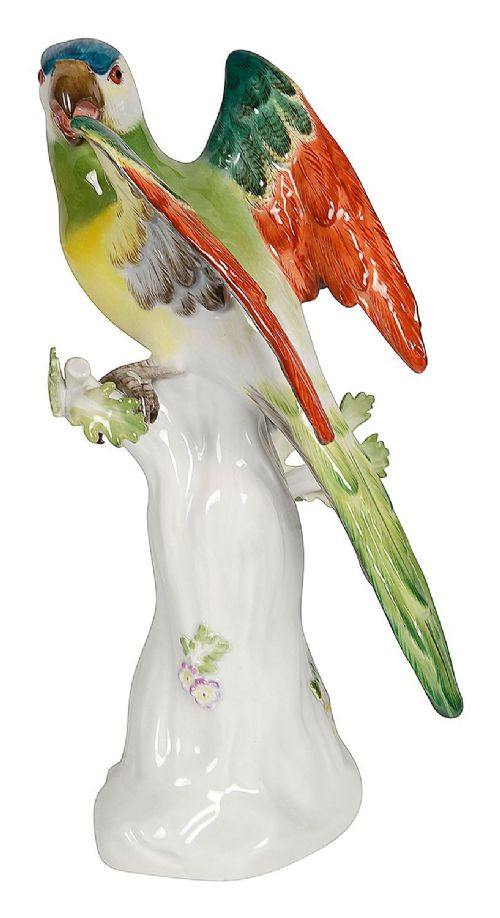
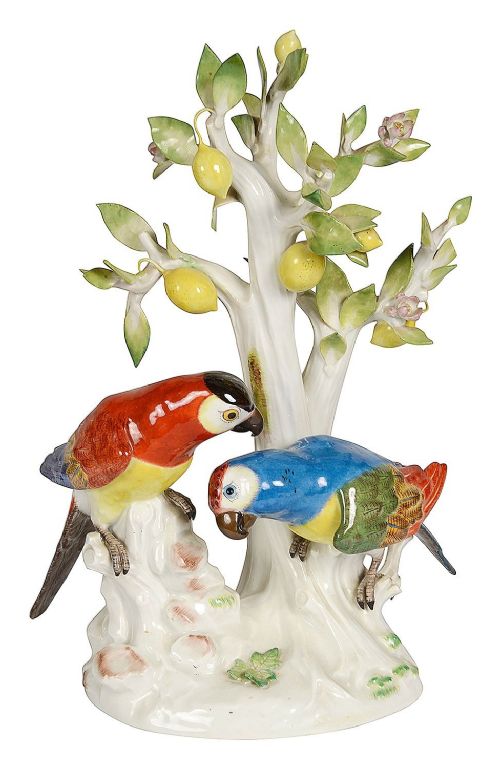
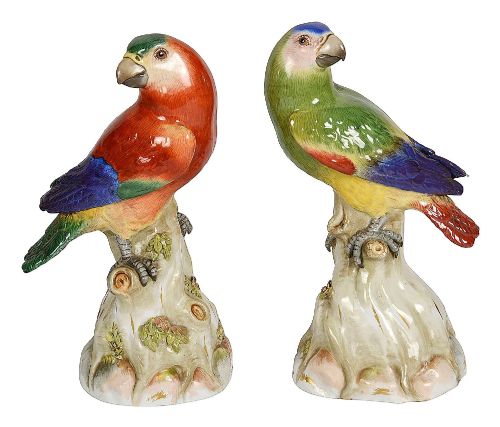
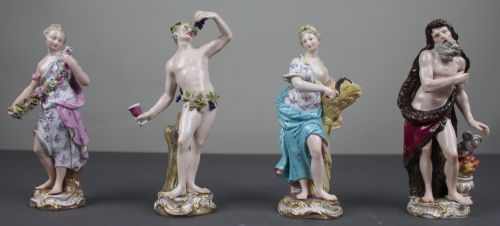
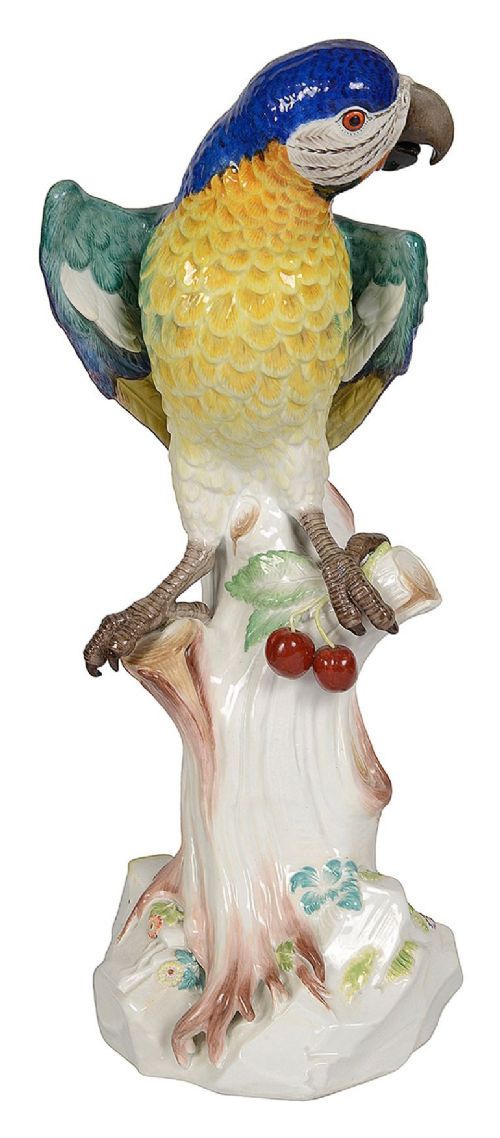
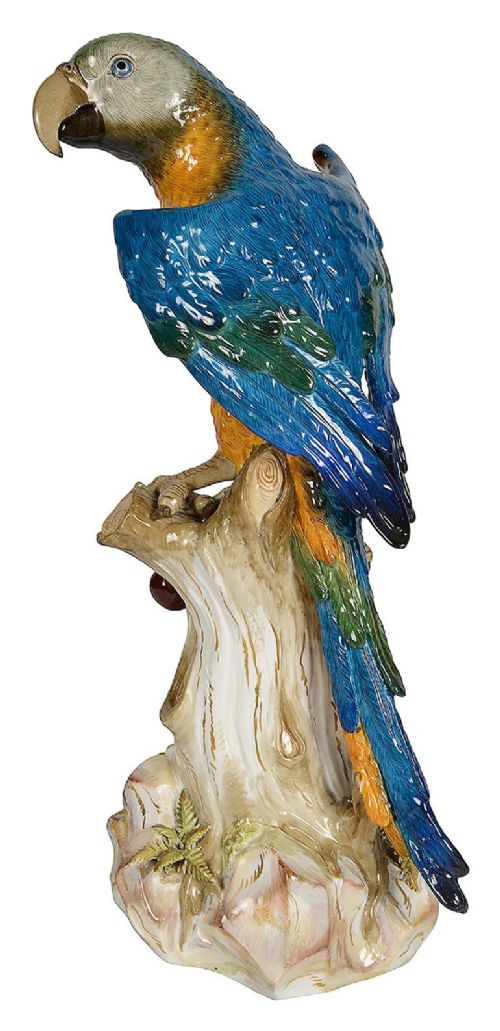
When searching for a 19th century meissen figurine, buyers encounter a diverse range of subjects, from allegorical groups like the Four Seasons and mythological scenes to naturalistic studies of parrots, cockatoos, and hoopoes. The most frequent subjects on this page include pairs of exotic birds perched on tree trunks and figurative groups depicting children, musicians, or romantic subjects.
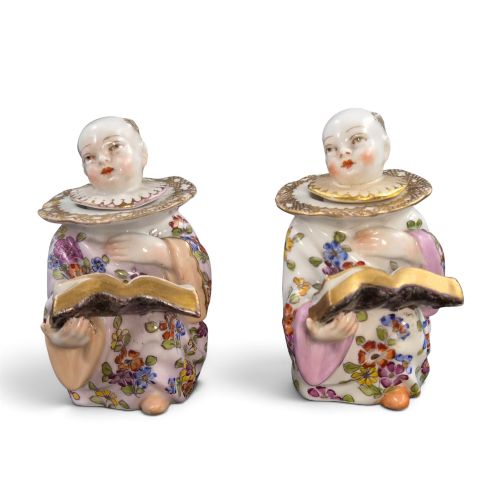
The objects extend beyond single standing characters into complex figural groups, candelabras, and functional items such as figural inkwells. These pieces reflect the historicism and revival styles of the period, drawing on earlier Rococo forms as well as Chinoiserie and classical themes.
Production spanned the entire nineteenth century, with specific dates clustering around mid century and the later decades leading towards eighteen ninety. Alongside genuine Meissen factory output, the selection includes pieces in the Meissen style as well as works by related makers such as Edmé Samson and Helena Wolfsohn.
Distinctions in craftsmanship
The standard of modeling separates ordinary sculptural groups from superior works, particularly in the crispness of facial expressions, the detailing of foliage, and the natural posture of animals. Superior examples display intricate hand-formed elements where feathers, leaves, and drapery possess distinct depth rather than flat simplification.
Painterly skill in the application of overglaze enamel and gold leaf also governs worth, distinguishing carefully shaded plumage and garments from generalized coloration. Scale and complexity further differentiate standard single figures from large, multi-figural groups or paired monumental bird models.
Alexander the Great conquers India via a pair of nineteenth-century porcelain elephants.
Meissen·Edmé Samson·Helena Wolfsohn·Acier
The 19th Century Meissen Figurine Glossary
- Hard-paste porcelain
- A vitrified ceramic composed of kaolin and petuntse, fired at high temperatures to produce a durable, translucent white body. This material forms the structural base for nineteenth-century European figures.
- Overglaze enamel
- Pigments applied on top of the fired glaze and subjected to a lower second firing to fuse with the surface. This technique permits a wide palette of vibrant colours on sculptural details.
- Figural group
- A sculptural arrangement comprising two or more human or animal characters interacting within a single composition. These pieces often narrate allegorical or genre scenes.
- Rococo Revival
- A nineteenth-century design style drawing inspiration from eighteenth-century asymmetrical scrollwork and natural motifs. It appears frequently in the bases and framing of figures from this era.
- Gold leaf
- Beaten gold applied to porcelain surfaces to create gilded highlights on garments, bases, and decorative trim. This finish adds reflective contrast to the painted enamel.
19th Century Meissen Figurine: Frequently Asked Questions
What subjects do these figures show?
The subjects range widely from allegorical series like the Four Seasons and mythological scenes to genre groups of children and musicians. Naturalistic bird models, particularly parrots, cockatoos, and hoopoes, form a major category.
Alongside single figures, buyers find complex sculptural groups and functional items such as figural inkwells and candelabras.
How do I identify a Meissen style piece?
Pieces executed in the Meissen style emulate the modeling techniques, subject matter, and decorative palette of the primary factory during the nineteenth century. They frequently adopt historical revival themes and intricate hand-painted enamels.
Examining the crispness of the porcelain modeling and the application of overglaze enamels helps clarify the origin and period context.
Where were these porcelain items displayed?
In nineteenth-century interiors, these figures functioned as ornamental centerpieces on mantelpieces, side tables, and cabinets. Pairs of birds or figural groups were often arranged symmetrically to balance decorative displays.
Functional pieces like inkwells combined decorative sculpture with practical utility on writing desks.
What is hard-paste porcelain?
Hard-paste porcelain is a dense, high-fired ceramic material that provides a durable and slightly translucent white body. It resists scratching and supports detailed sculptural modeling.
This material allowed makers to fashion delicate elements such as feathers, leaves, and fingers without losing structural integrity during the kiln firing.