
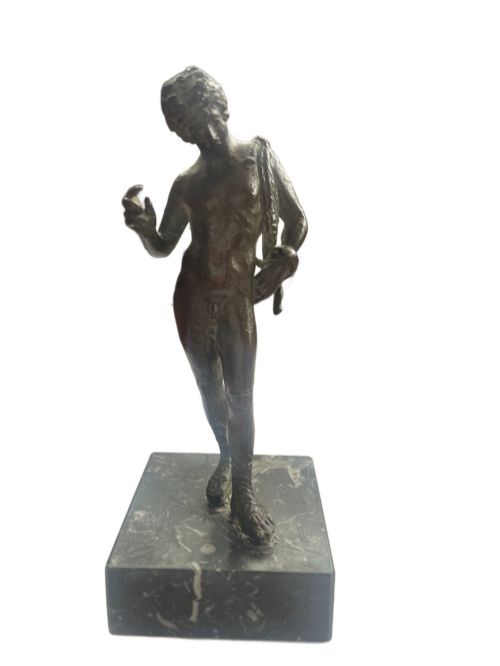
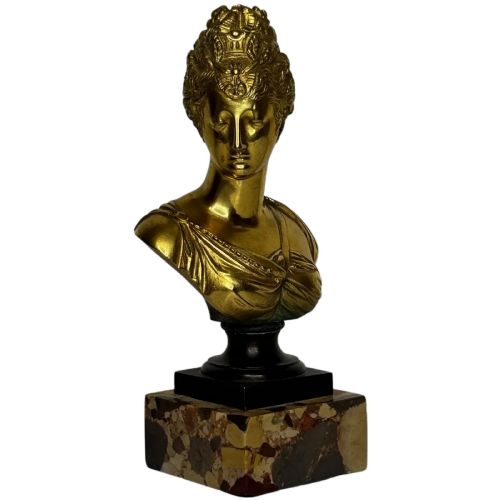

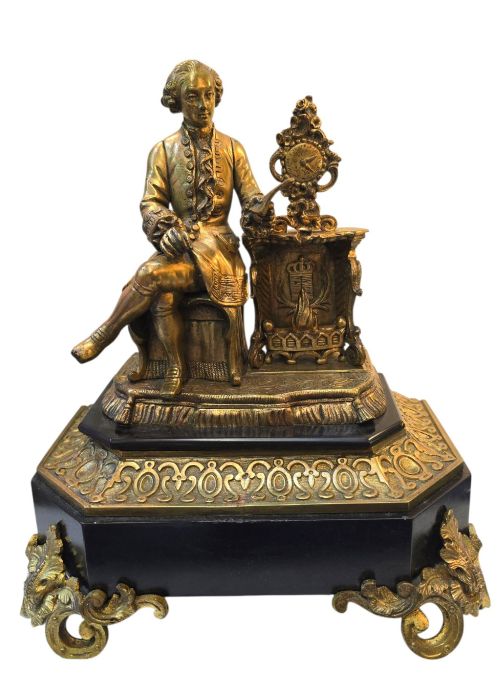
19th Century Marble Figure
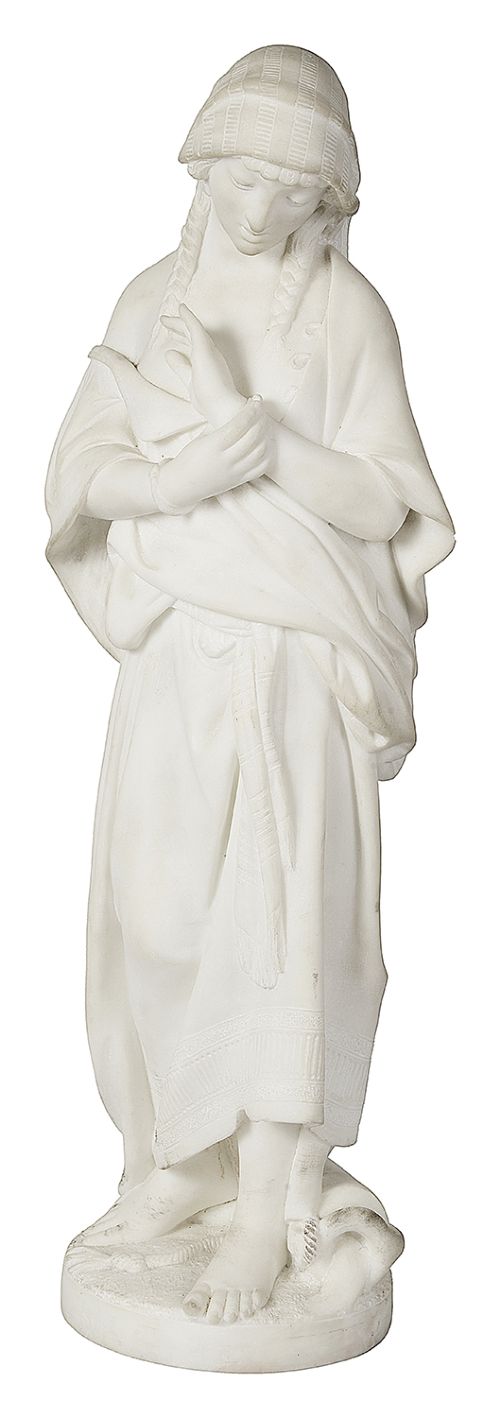
A 19th century marble figure brings classical presence and refined craftsmanship into an interior through carved stone and classical subjects.
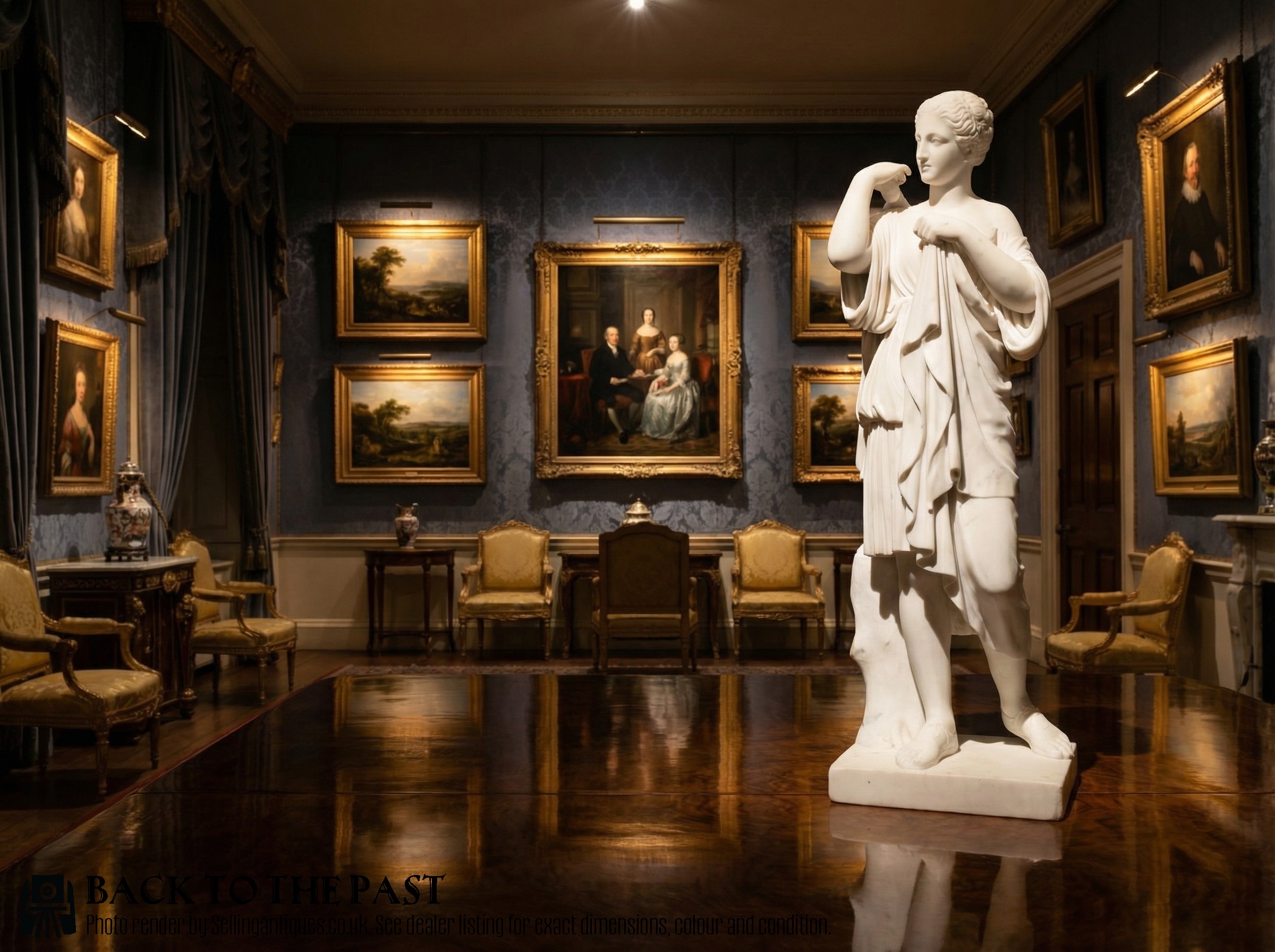
19th Century Marble Figure
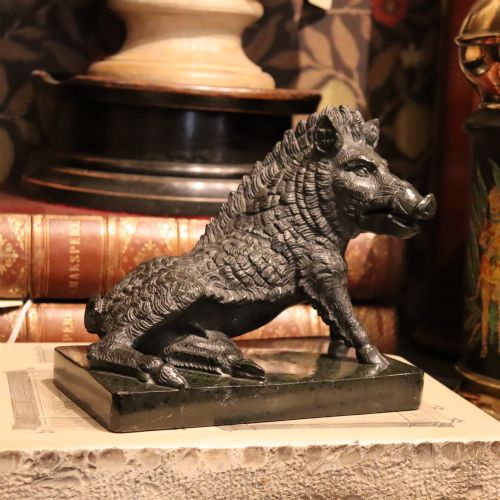
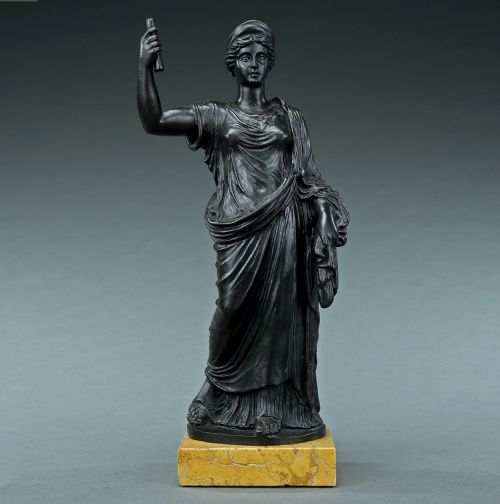
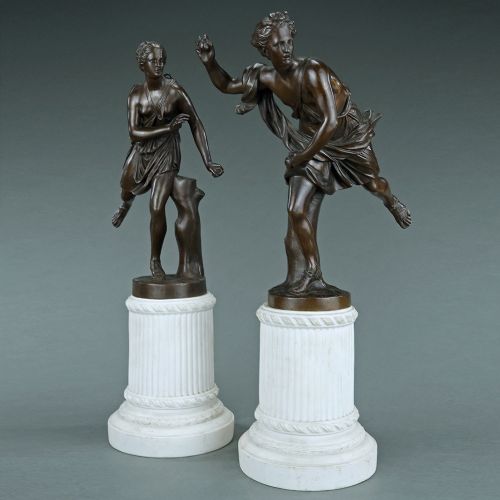
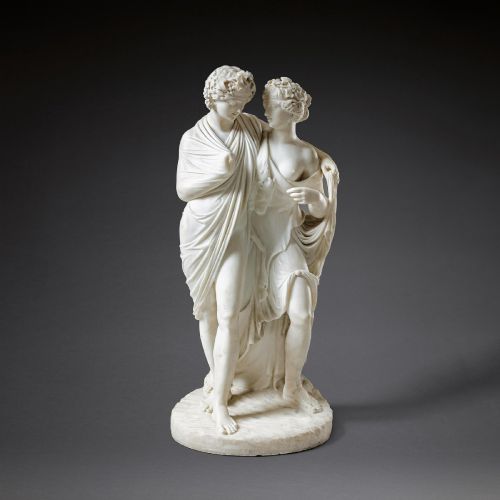
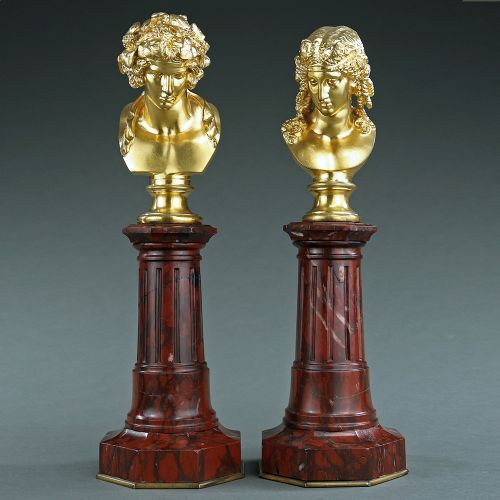
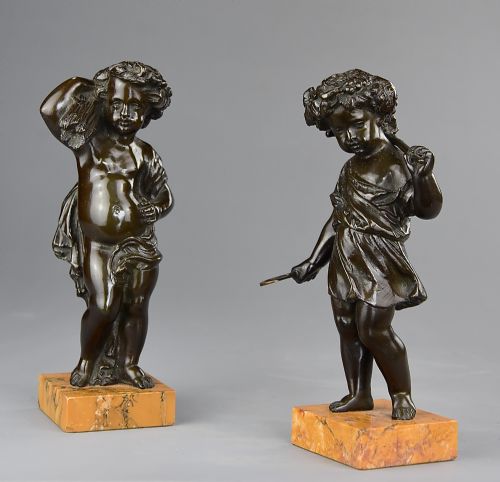
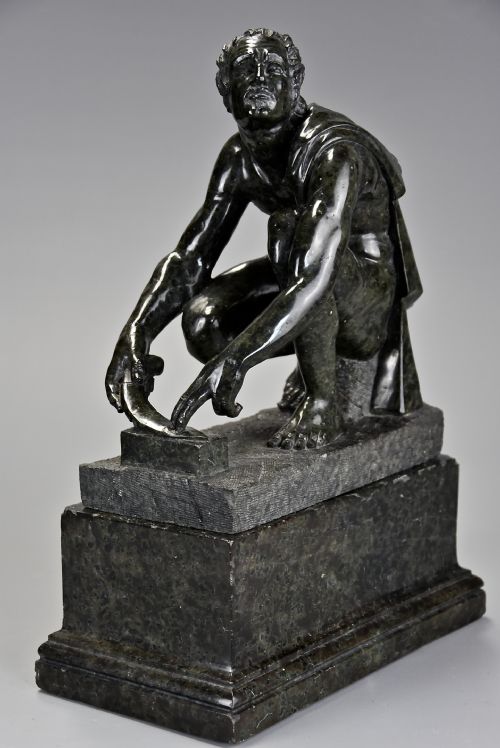
When searching for a 19th century marble figure, a buyer encounters carved stone and bronze compositions rooted in classical antiquity. These pieces range from mythological subjects and literary heroes to grand tour souvenirs and portrait busts.
The version most likely to appear on this page is the Italian or French carved white marble sculpture or bust, often created during the Victorian period. Many draw inspiration from antique models associated with sculptors like Antonio Canova.
Makers and workshops across Europe produced these works in various scales, utilising veined stones, carrara marble, and contrasting bronze elements. They served as scholarly ornaments for libraries and drawing rooms.
Materials and Working Methods
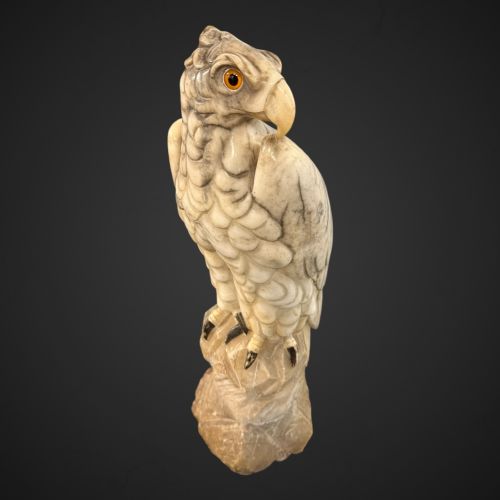
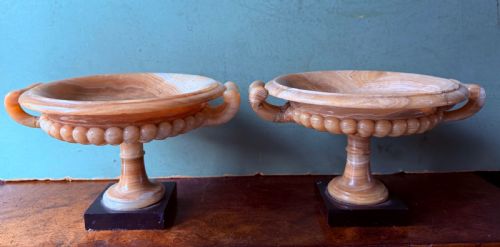
Carvers shaped white marble, carrara marble, and alabaster using chisels, rasps, and drills to achieve smooth skin tones and flowing drapery. Artisans polished the stone to varying degrees of matte or glossy finish.
Foundries cast bronze, gilt bronze, and ormolu components using the lost-wax method, then chased the metal surfaces by hand. Stoneworkers frequently mounted these figures onto heavier bases made of fossil marble, black marble, or serpentine.
Several stone lions keep watch across the inventory, proving that even a nineteenth-century drawing room needed a guardian beast.
Distinctions in Execution
The distinction between ordinary and superior pieces lies in the crispness of the hand-carved detail and the subtlety of anatomical rendering. Master carvers captured musculature, fabric tension, and facial expression with lifelike precision rather than stiff repetition.
Material selection dictates much of the visual weight, with flawless white carrara marble or richly figured stone commanding attention over heavily flawed blocks. The integration between the sculpted figure and its stone or bronze base also reflects the ambition of the workshop.
Barbedienne·Carlo Albacini·Barranti·Eugene Aizelin·Carrier-Belleuse
The 19th Century Marble Figure Glossary
- Grand Tour
- A cultural journey undertaken by wealthy young Europeans to view classical antiquities, inspiring the creation of smaller-scale bronze and marble replicas. These souvenir objects were collected and displayed in homes to signal scholarly taste.
- Carrara Marble
- A type of white or blue-grey marble mined from the quarries of Carrara in Tuscany, widely favored by European sculptors. Its fine grain and consistent texture allowed for intricate carving.
- Ormolu
- Gilt bronze produced by applying a mixture of finely powdered gold and mercury to a bronze object, then heating it to drive off the mercury. This technique gives metal mounts and bases a rich golden lustre.
- Alabaster
- A fine-grained, translucent stone used for carving small figures, vases, and architectural ornaments. It transmits light gently, giving carved surfaces a soft, luminous quality.
- Neoclassical
- An artistic movement drawing inspiration from the art and culture of classical Greece and Rome. This aesthetic prioritises balanced proportions, restraint, and heroic subject matter.
19th Century Marble Figure: Frequently Asked Questions
What subjects do these figures depict?
These sculptures typically portray figures from Greek and Roman mythology, historical personalities, allegorical concepts, and literary characters. Common subjects include classical deities, philosophers, and idealized young women.
Many compositions directly reference famous antiquities seen by travellers on the continent, translating monumental public sculpture into domestic cabinet pieces.
How were they displayed originally?
In nineteenth-century interiors, these figures stood upon mantelpieces, console tables, and specialised pedestals in libraries or drawing rooms. Their presence signalled the owner's classical education and cultured worldview.
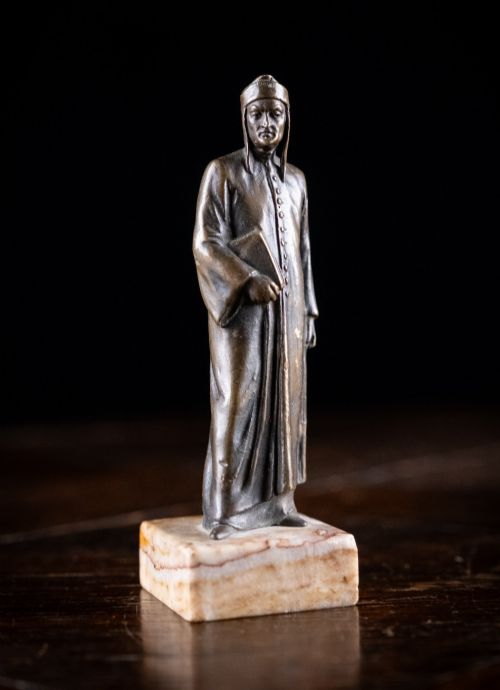
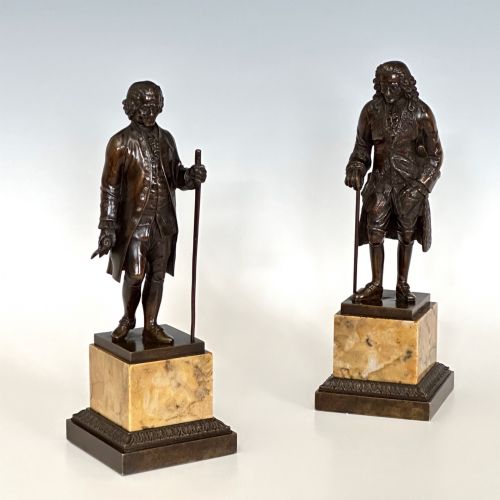
Parks and grand staircases also accommodated larger garden marbles, while smaller scaled bronzes with marble plinths suited intimate desk settings.
How do I care for marble sculpture?
Maintenance requires gentle dusting with a soft, dry cloth to prevent the accumulation of grit within carved crevices. Liquid cleaners and abrasive agents risk damaging the porous surface of the stone.
Keeping pieces away from direct heat sources and sudden temperature shifts protects both the marble and any applied bronze or gilt elements from stress.
How can I distinguish period pieces?
Evaluating age involves examining the natural ageing of the stone, tool marks left by hand-carving, and the composition of the underlying base materials. Nineteenth-century works often show patination consistent with handling and environmental exposure over generations.
Signatures, foundry stamps, and stylistic adherence to Victorian or neoclassical canons help anchor pieces within their historical timeframe.