



19th Century Mahogany Shelves
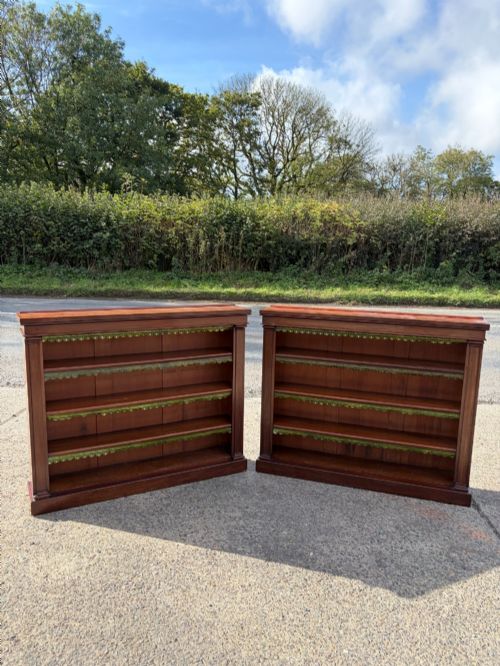
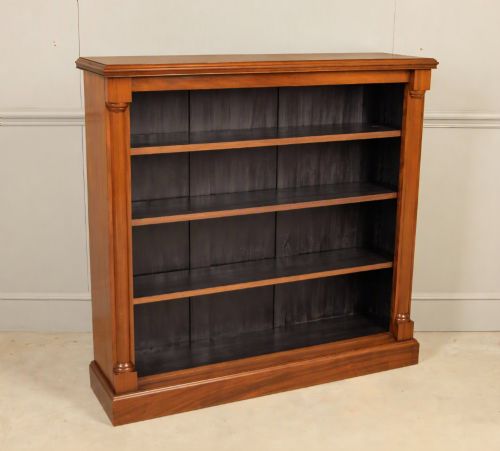
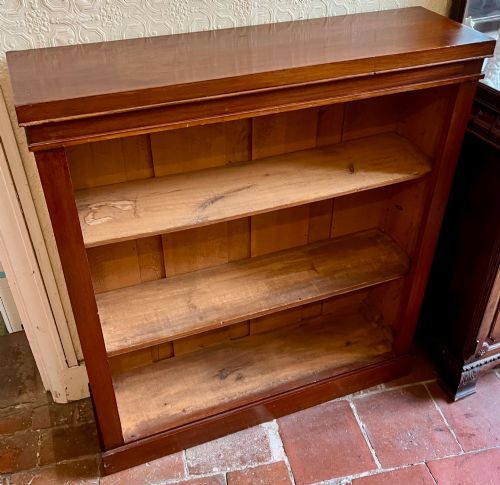
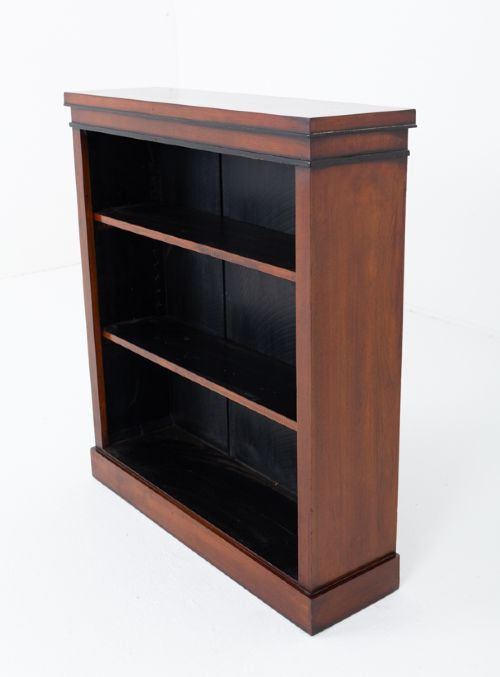
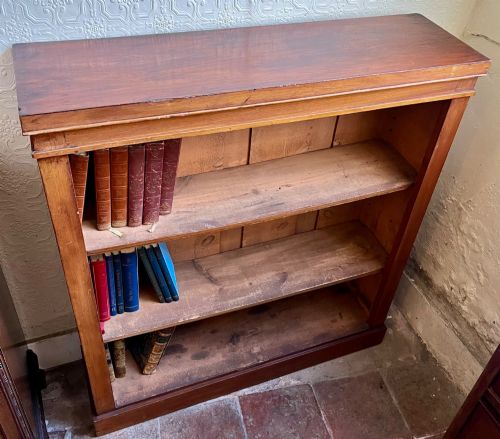
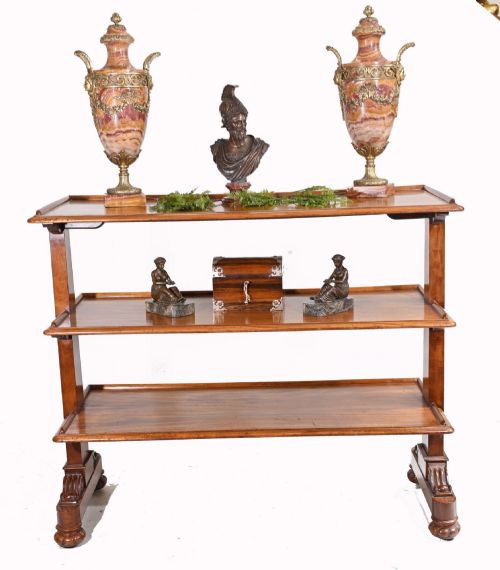
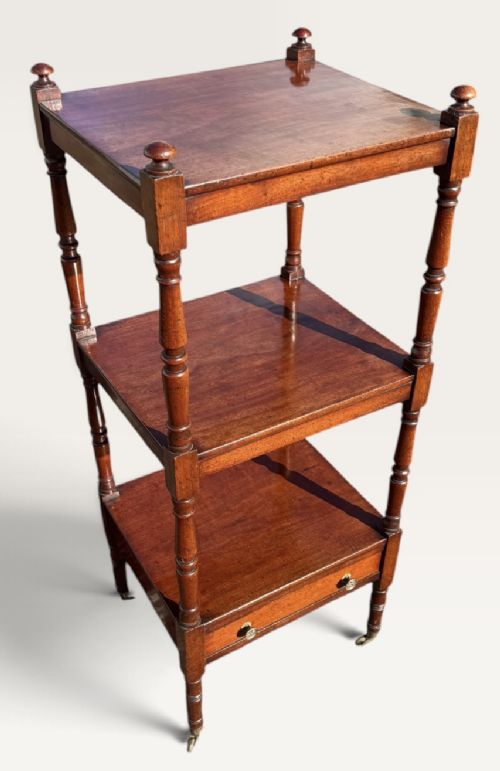
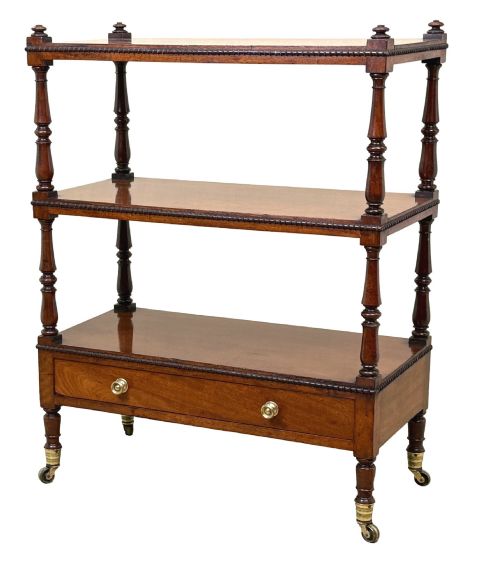
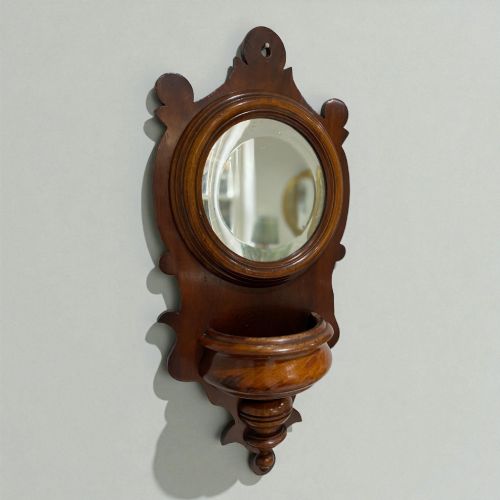
19th century mahogany shelves combine practical storage with rich timber grains, appearing as hanging wall tiers, freestanding bookcases and multi-tiered whatnots.
19th Century Mahogany Shelves
When searching for 19th century mahogany shelves, buyers encounter a diverse selection of wall-hanging tiers, open bookcases, and multi-tiered whatnots designed for domestic display and storage. These pieces span periods from the Regency era through to late Victorian decades, reflecting shifting interior fashions of the 1800s.
Hanging wall shelves appear frequently alongside freestanding waterfall bookcases and corner units. Many incorporate decorative fretwork, glazed doors, or small drawers within their lower sections to expand their utility.
The domestic interiors of the nineteenth century utilised these shelves in libraries, parlours, and drawing rooms for books and ornaments. Wall-mounted variants preserve floor space while offering open ledges for display.
Materials and Construction
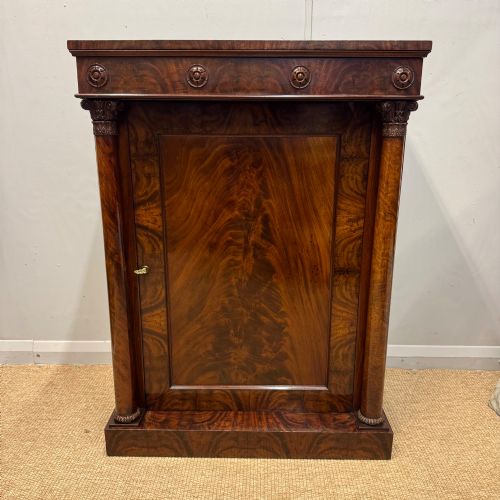
Cabinet makers constructed these pieces primarily using solid mahogany and flame mahogany veneers applied over secondary timbers such as pine. The natural figuring of the wood provided rich red-brown tones that defined the aesthetic of the period.
Joinery techniques included dovetailed joints for drawers and pegged mortise and tenon frames for structural stability. Fretwork panels, turned bobbin supports, and brass fixtures added decorative and functional detail to the shelves.
19th Century Mahogany Shelves Retail Price Guide 2026
Typical asking prices for 19th century mahogany shelves among the pieces listed under this phrase on Sellingantiques today, from the lower quarter to the upper quarter. They describe what is for sale here now, not the wider market.
Some nineteenth-century wall shelves retain their original apothecary labels inside tiny drawers, hinting at past lives filled with powders and potions.
Assessing Quality in Mahogany Shelving
Quality in nineteenth-century mahogany furniture rests upon timber selection and the precision of the cabinet work. Pieces featuring book-matched flame mahogany veneer and intricate fretwork demonstrate superior craftsmanship compared to plain utility items.
Structural integrity also separates standard examples from exceptional ones. Original wall brackets, sound joints, and well-fitted drawer linings indicate careful upkeep and high initial manufacture.
Edwards and Roberts·Brockbanks and Atkins
The 19th Century Mahogany Shelves Glossary
- Waterfall bookcase
- A set of open shelves diminishing in depth from bottom to top, often featuring tiered sides. This form became popular during the Regency period.
- Whatnot
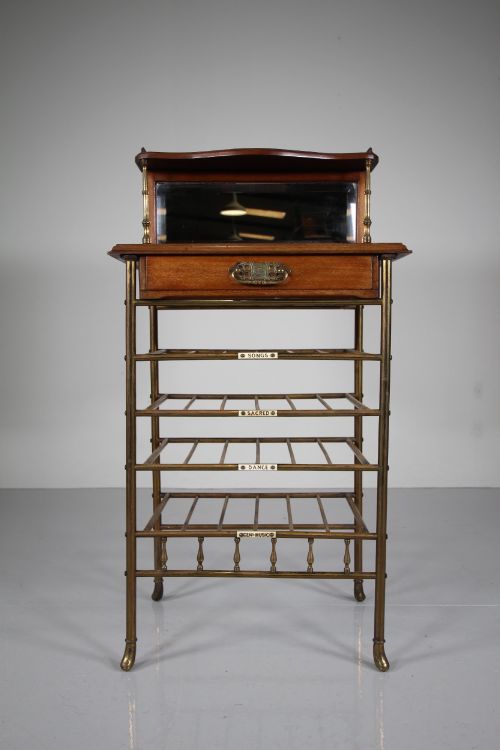
- A piece of furniture consisting of a set of open shelves for displaying small objects or books. They are typically freestanding with three or four tiers.
- Flame mahogany
- A timber veneer exhibiting a distinctive flickering flame-like grain pattern. Cabinet makers utilised this on prominent surfaces for decorative impact.
- Chiffonier
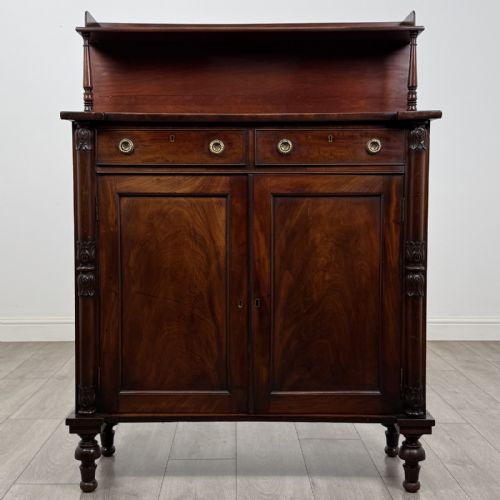
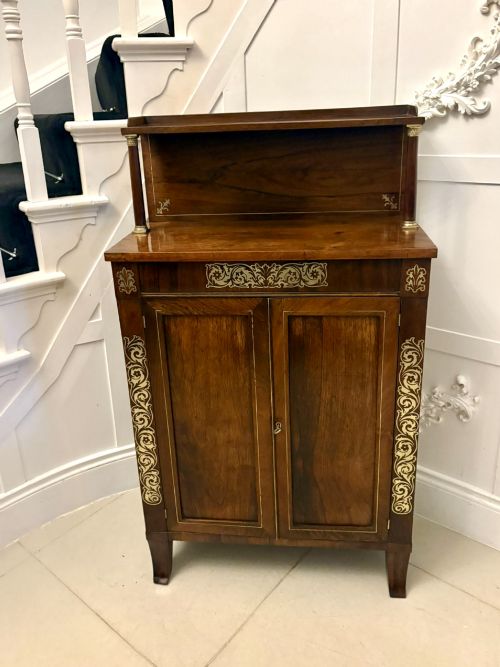
- A small sideboard cabinet with shelves or a superstructure on top, originating in the early nineteenth century. They provided enclosed storage alongside upper display space.
- Fretwork
- Ornamental perforated wood carving created by piercing patterns through thin timber. Makers applied this technique to the sides and galleries of wall shelves.
19th Century Mahogany Shelves: Frequently Asked Questions
How do I hang antique wall shelves?
Antique wall shelves usually require secure screw fixings into wall studs or appropriate heavy-duty wall plugs matched to the weight of the timber.
Because nineteenth-century mahogany is dense and heavy, ensure the hanging brackets or original eyelets on the back are structurally sound before mounting.
Were these shelves meant for walls or floors?
Makers produced both wall-hanging versions and freestanding formats such as whatnots and open bookcases. Wall shelves often feature hanging loops or flat backs designed to sit flush against plaster.
Floor-standing variations include plinths, bracket feet, or castors to support their weight and allow movement across rooms.
How can I tell a Regency shelf from a Victorian one?
Regency pieces often display cleaner classical lines, sometimes incorporating brass inlay or rosewood details influenced by French Empire styles. Victorian examples frequently lean towards heavier proportions, darker finishes, or Gothic Revival influences.
Examining the secondary timbers and construction marks helps confirm the period of manufacture.
Can these shelves support heavy books?
Freestanding open bookcases and sturdy multi-tiered whatnots handle heavy volumes easily, provided the shelves are thick mahogany. Hanging wall shelves suit lighter displays, decorative ceramics, and smaller books rather than massive library sets.