


19th Century Ladies Table
These pieces combine small scale with refined utility, offering a dedicated surface for correspondence and light crafts.
19th Century Ladies Table
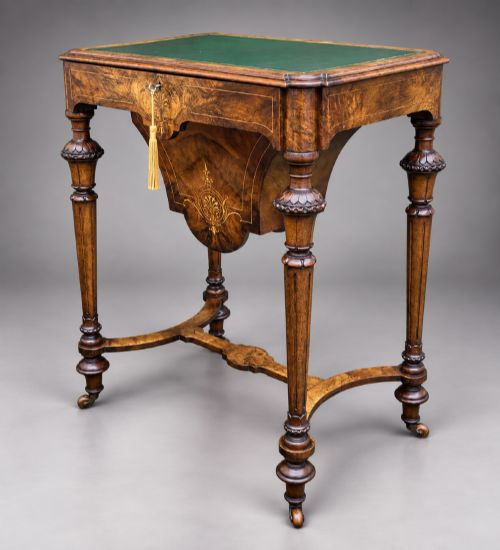
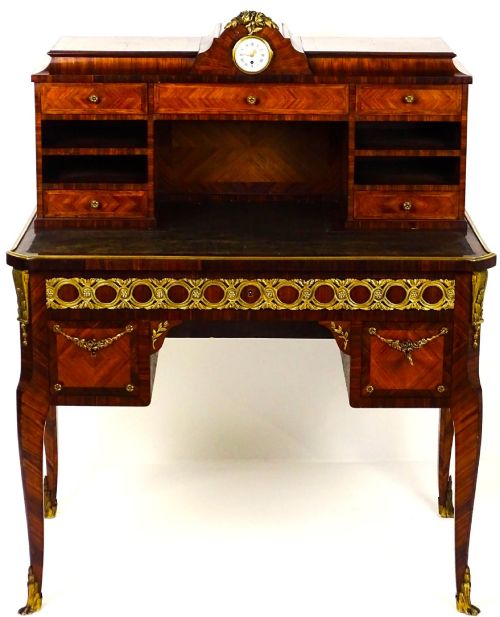
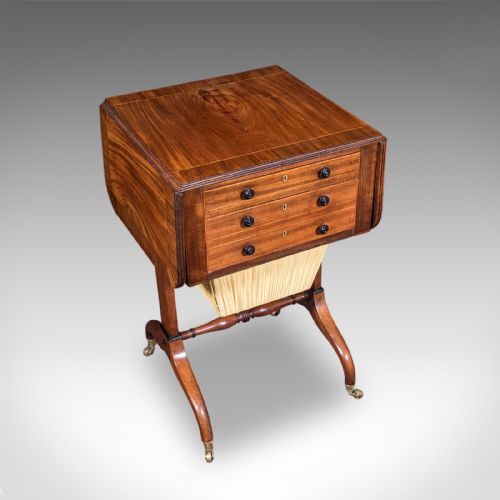
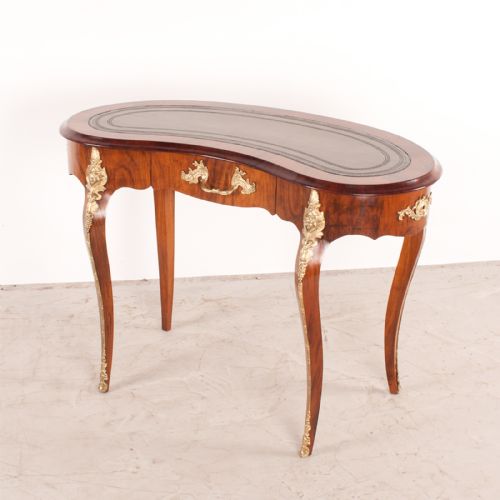
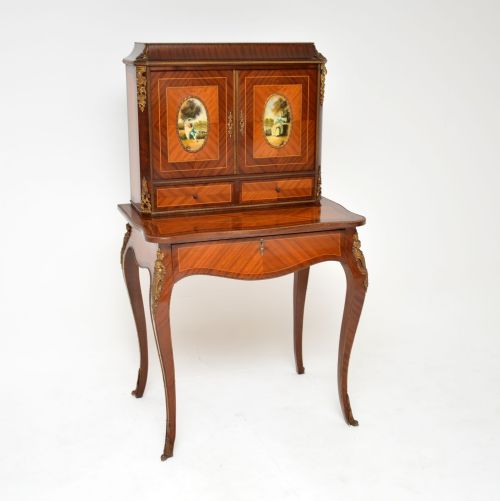
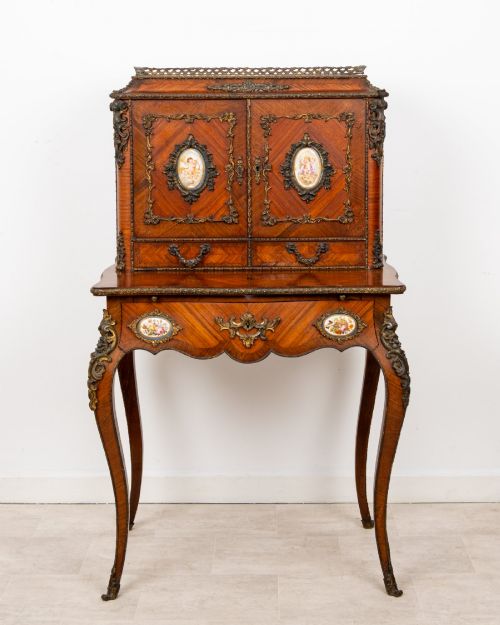
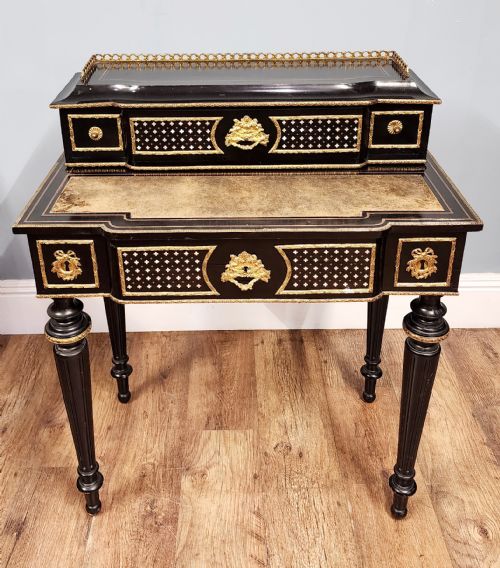
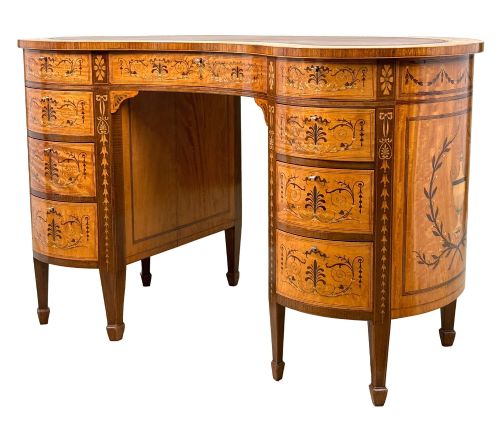
A 19th century ladies table functions as a compact writing desk, sewing station, or vanity, designed specifically for private chambers and boudoirs. These pieces bridge the gap between ornamental furniture and functional daily use, frequently incorporating fitted interiors with tiny compartments for stationery or needlework. Buyers encounter various forms, from delicate kidney-shaped writing desks to elaborate bonheur du jours with tiered superstructures.
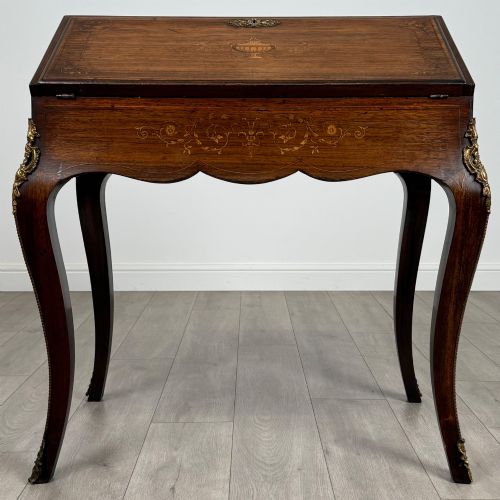
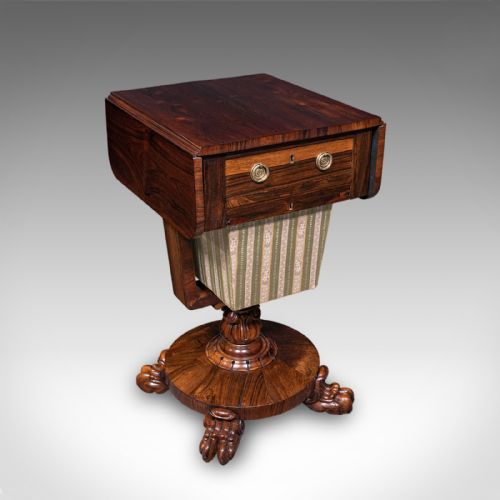
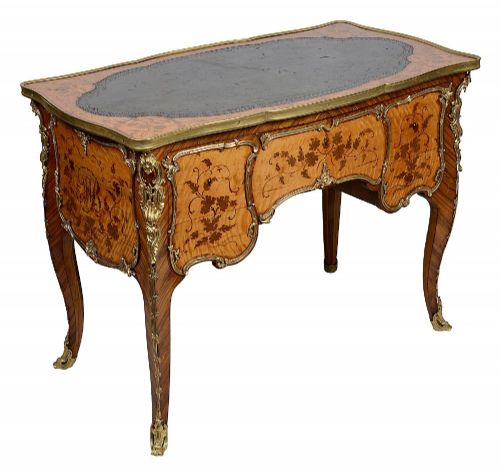
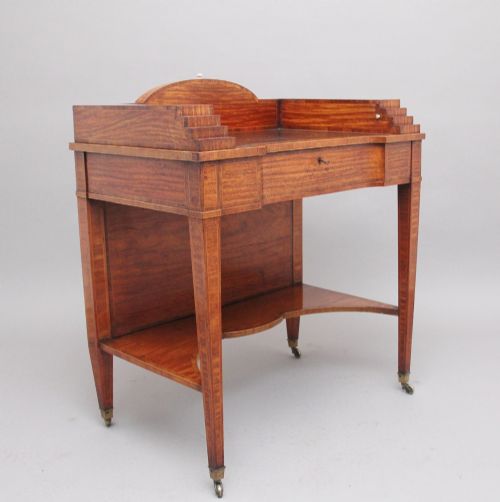
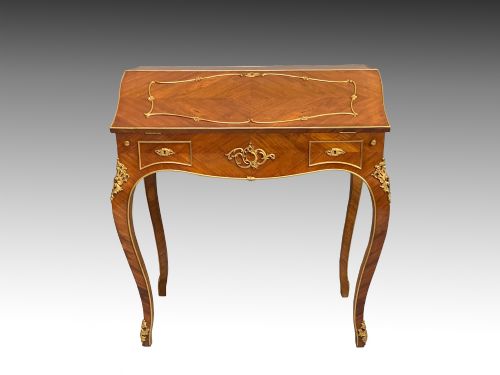
The selection here draws heavily from Victorian and continental revival movements, showing strong French influence in curved serpentine fronts and delicate proportions. Woods like walnut, satinwood, and kingwood dominate the inventory, often enhanced by marquetry or parquetry patterns. Pieces range from English drop-leaf sewing tables to French bureau de dames fitted with bronze or ormolu mounts.
Originating in domestic spaces for letter-writing and personal organisation, these tables reflect the refined domestic routines of the period. Their smaller footprints make them adaptable to modern rooms where full-sized desks overwhelm the floor plan. The variety spans simple mahogany occasional tables to elaborately decorated cabinets bearing porcelain plaques and tortoiseshell details.
How they were made
Cabinetmakers built these tables using sturdy secondary timbers faced with choice decorative veneers such as kingwood, rosewood, burr walnut, and satinwood. Marquetry and parquetry designs required meticulous hand-cutting of diverse wood species to create intricate floral or geometric surface patterns. Carpenters shaped solid mahogany and walnut for structural frames, legs, and serpentine drawer fronts.
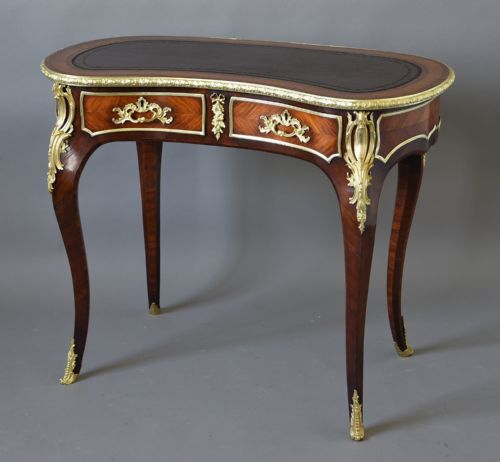
Gilt bronze and ormolu mounts were cast and chased by hand before being secured to corners, legs, and aprons to accent the contours of French-style pieces. Many surfaces received fine inlay lines of boxwood or ebony, alongside hand-painted decorations or mounted porcelain plaques. Interiors often concealed complex folding mechanisms, sliding writing slides, and lift-out trays lined with leather or velvet.
What varies in quality
The depth of figure in the wood veneer and the precision of the marquetry set the visual tier of individual pieces. Rich, highly figured burr walnut or symmetrically matched kingwood indicates a more deliberate selection of materials by the maker. Inferior examples rely on plain timber with minimal grain movement and simpler surface treatment.
Hardware execution and structural joinery differentiate standard workshop output from premier creations. Crisp, heavily chased ormolu mounts and well-fitted internal drawers requiring tight tolerances demonstrate superior craftsmanship. Pieces signed by recognised makers carry distinct advantages in construction rigour and finish durability.
Edwards & Roberts·Paul Sormani·John MaClean
The 19th Century Ladies Table Glossary
- Bonheur du jour
- A small ladies writing desk featuring a tiered superstructure with small drawers, shelves, or a cabinet above the main writing surface. The phrase translates from French as day's delight.
- Ormolu
- Gilt bronze mounts cast and applied to the corners, feet, and borders of furniture to highlight the design. It gained wide popularity during the various French revival movements of the nineteenth century.
- Marquetry
- The art of forming decorative patterns on wooden furniture by applying thin veneers of different coloured woods, ivories, or shells. Artisans cut these pieces meticulously to fit flush into the primary surface.
- Kidney shaped
- A curved writing table form designed to curve around the user, offering easy access to side drawers and a comfortable seated position. This shape frequently appears in refined satinwood and walnut models.
- Bureau de dame
- A small French ladies desk, typically featuring a sloping writing flap or a cylinder top that conceals inner pigeonholes and drawers. These are often supported on slender cabriole legs.
19th Century Ladies Table: Frequently Asked Questions
What is a bonheur du jour?
A bonheur du jour is a light ladies desk featuring a raised back section with small drawers or pigeonholes above a flat writing surface.
Cabinetmakers designed these compact pieces for private rooms where women wrote letters and managed personal correspondence.
How do I use one today?
These tables function well as compact writing desks, laptop stations, or display surfaces in bedrooms and living rooms.
Their narrow footprints and numerous small compartments make them practical for organising stationery and modern desktop accessories.
Are these desks English or French?
The inventory contains both English examples, such as Regency drop-leaf tables, and French pieces influenced by Louis XV and Louis XVI styles.
French models frequently utilise kingwood, ormolu mounts, and porcelain plaques, while English pieces often showcase mahogany, satinwood, and simpler inlay work.
What are writing slides used for?
Writing slides pull out from beneath the main surface to extend the usable area for stationery without enlarging the table's footprint.
Victorian makers incorporated these pull-out panels to keep writing materials concealed when not in use.