




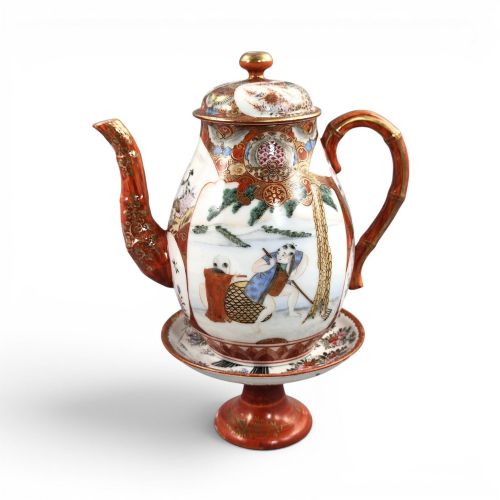
19th Century Japanese Painting
These 19th century japanese painting works and related decorative objects bring hand-painted artistry and rich Meiji period aesthetics into domestic spaces.
19th Century Japanese Painting
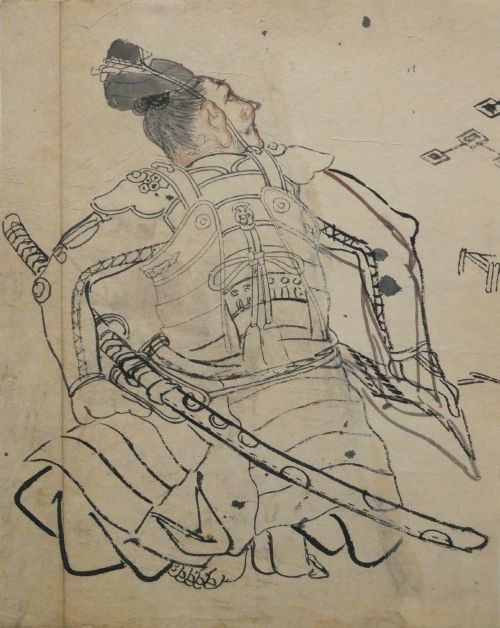
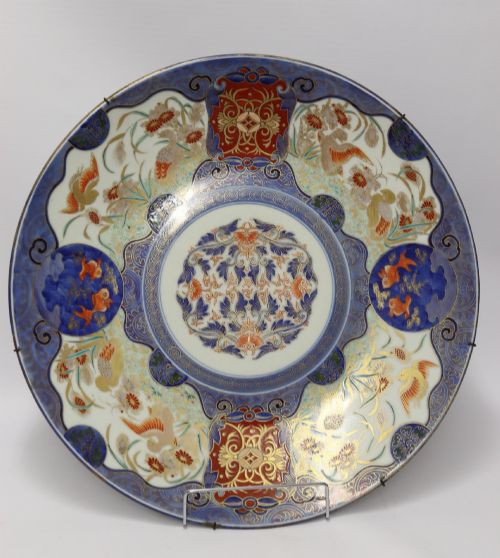
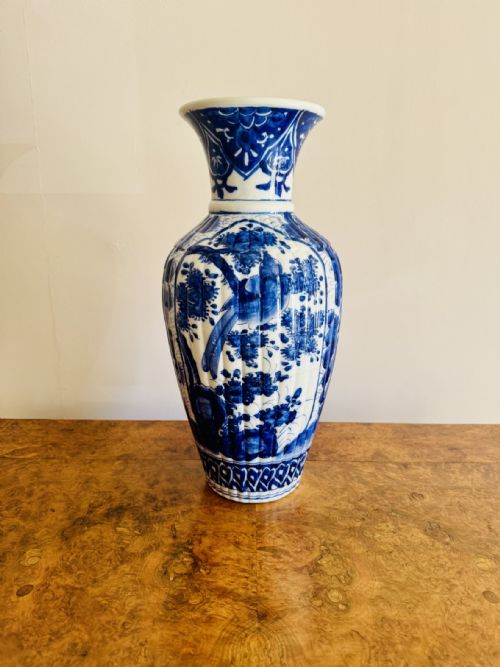
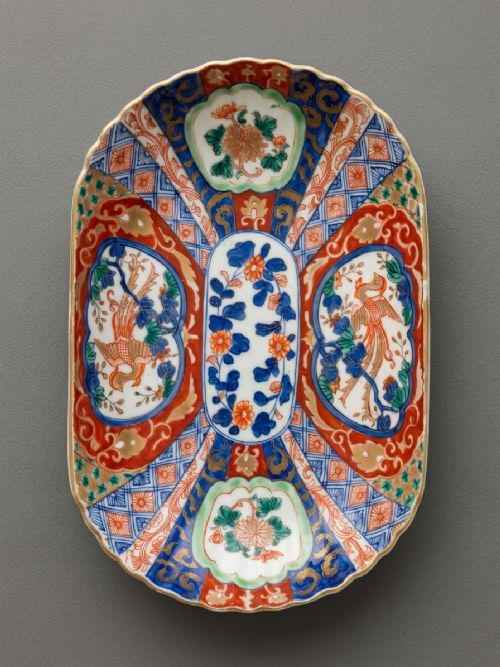
A search for 19th century japanese painting encounters diverse works on paper such as ink drawings of samurai alongside hand-painted porcelain chargers, vases, and decorative plates. These items stem from the Edo and Meiji periods, reflecting distinct shifts in Japanese artistry during the 1800s.
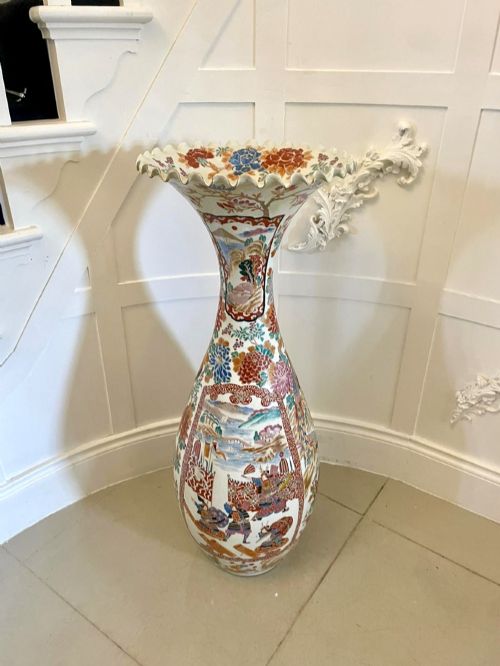
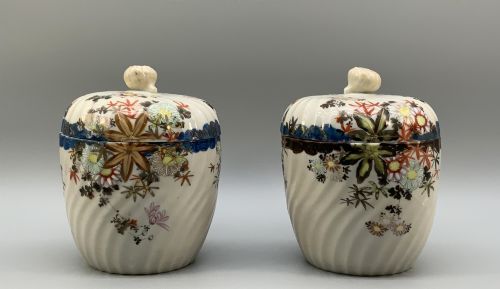
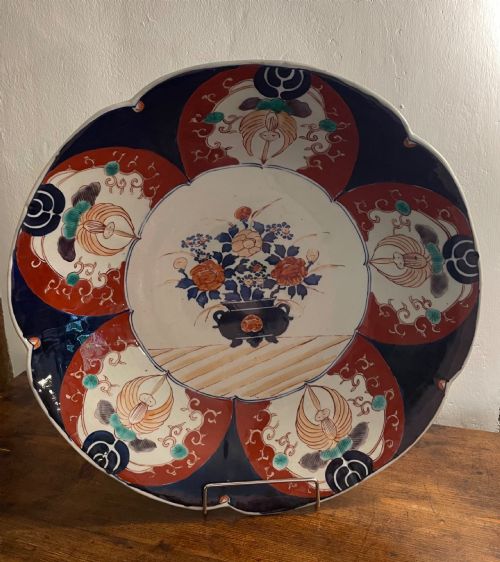
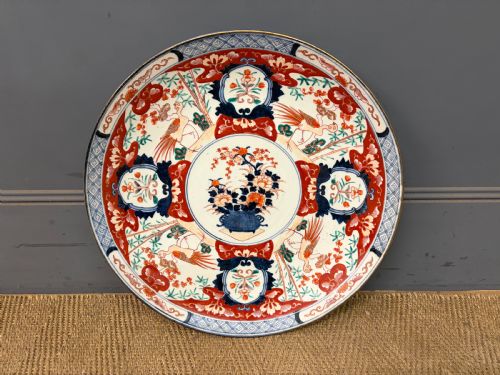
The most common forms on this page include Imari and Kutani porcelain vessels, scalloped dishes, and ginger jars adorned with intricate floral and figural decoration. Buyers frequently encounter Satsuma pottery and works on paper that demonstrate traditional brushwork and glazing techniques.
How they were made
Artisans utilised porcelain, earthenware, and wood, frequently applying enamel, gold leaf, and glaze to achieve rich surface textures. Lacquer over black paint also appears on specific vases, creating durable and glossy finishes.
Painting and drawing techniques relied on precise brushwork for subjects like samurai scenes, koi, and landscapes, often complemented by gilt highlights and moriage relief details on ceramics.
19th Century Japanese Painting Retail Price Guide 2026
Typical asking prices for 19th century japanese painting among the pieces listed under this phrase on Sellingantiques today, from the lower quarter to the upper quarter. They describe what is for sale here now, not the wider market.
Listings feature works from the Edo and Meiji periods, utilising materials such as porcelain, lacquer, gold leaf, and earthenware.
What varies in quality
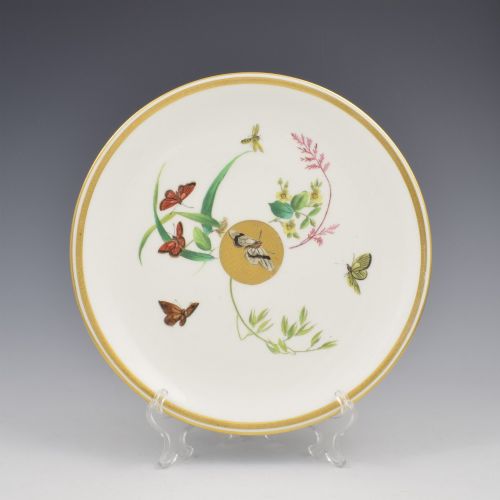
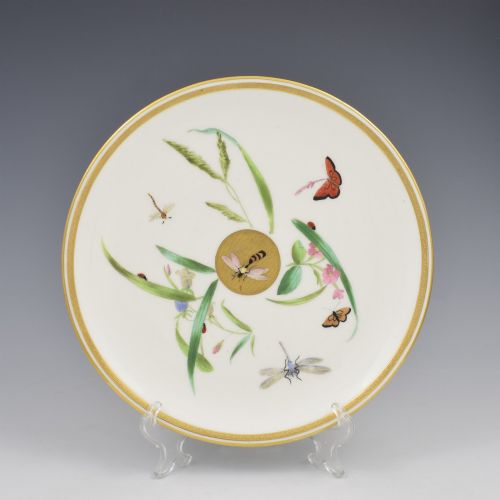
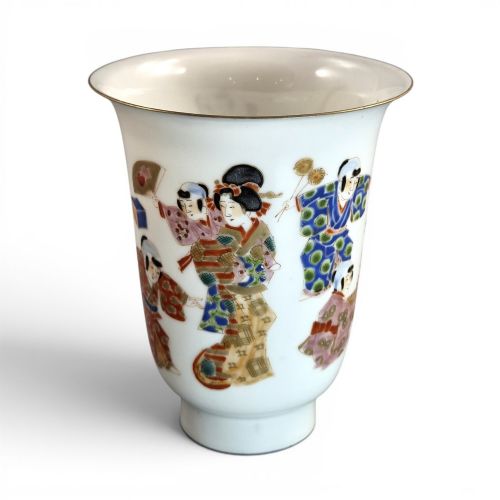
The precision of the hand-painted brushwork distinguishes standard items from exceptional pieces, particularly in figural processions and intricate floral patterns. Finer works display meticulous control in gold leaf and enamel application.
The complexity of the form, such as scalloped edges on chargers or double gourde silhouettes on vases, influences the overall sophistication of the object.
Hayakawa
The 19th Century Japanese Painting Glossary
- Imari
- A style of Japanese porcelain decorated in underglaze blue and overglaze red, gold, and green. This ware gained immense popularity in Europe during the 19th century.
- Kutani
- A style of Japanese porcelain known for bold colours and pictorial designs. Pieces often incorporate intricate gilding.
- Satsuma
- A type of Japanese earthenware with a crackle glaze, typically decorated with polychrome enamels and gold. It originated in Satsuma Province.
- Moriage
- A decorative technique in Japanese ceramics where slip is piped onto the surface to create raised patterns. This adds tactile dimension to vases and jars.
19th Century Japanese Painting: Frequently Asked Questions
What periods do these pieces span?
The items generally date from the 19th century, specifically covering the Edo and Meiji periods.
Dates across the listings range from the 1830s through to around 1900, capturing a period of significant artistic production in Japan.
How were Imari and Kutani items used?
Many of these ceramics functioned as decorative display pieces, including large floor-standing vases, wall chargers, and cabinet plates.
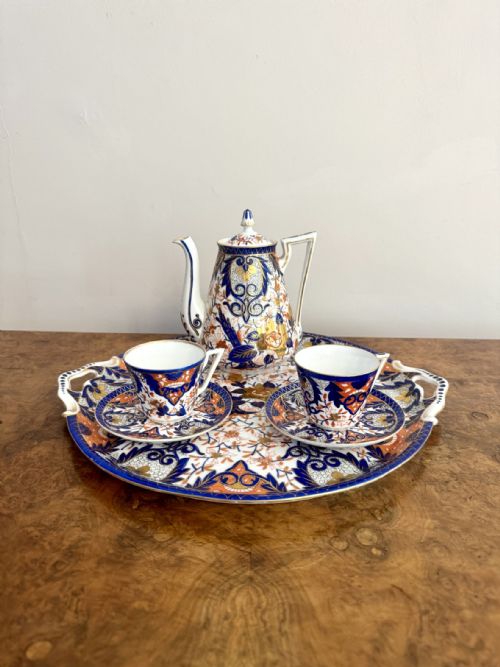
Smaller vessels like teapots, wine cups, and lidded jars also served practical purposes in household settings.
How should I display porcelain and pottery?
Large chargers and decorative plates suit wall mounting or placement on sturdy stands to showcase their painted surfaces.
Vases and ginger jars work well on tables, cabinets, or mantels where their height and form remain visible.
How do I tell Meiji and Edo pieces apart?
Edo period items often feature traditional ink drawings and earlier aesthetic conventions.
Meiji period pieces frequently display the vibrant enamels and gilt ornamentation typical of late 19th-century export wares.